


 Vet reviewed
What is the best dog food for a Nederlandse Kooikerhondje?

At a glance
- Nederlandse Kooikerhondjes do best on fresh, whole-ingredient food built around a quality protein - the breed's inherited predisposition to von Willebrand disease and hereditary necrotising myelopathy makes supporting circulatory and neurological health through diet a genuine priority.
- Salmon is the strongest protein choice for Kooikerhondjes - it provides clean, digestible protein alongside EPA and DHA omega-3 fatty acids that support inflammation management and the breed's distinctive feathered coat.
- Fresh food with 65-75% moisture content supports kidney function and digestion significantly better than dry kibble, which is relevant for a breed that can be prone to renal conditions.
- Kooikerhondjes are moderate-energy sporting dogs that maintain a lean, athletic build - portion discipline matters to prevent weight creep in less active adults or dogs recovering from injury.
- Coat and skin health in Kooikerhondjes is directly tied to dietary fat quality - omega-3 fatty acids and named animal fats keep the breed's silky feathering soft, hydrated, and well-conditioned.
What is the best diet for a Nederlandse Kooikerhondje?
Fresh dog food built around a high-quality single protein, with minimal processing and no artificial additives, is the most appropriate diet for most Kooikerhondjes. The breed is lively and athletic, with a moderate but consistent energy requirement, and carries a genetic predisposition to several health conditions - including von Willebrand disease, a blood clotting disorder, and hereditary necrotising myelopathy - where nutritional support through diet is a practical complement to veterinary care.
Heavily processed dry kibble delivers around 10% moisture and a high heat-processed ingredient profile that places an unnecessary load on digestion. Fresh food cooked at lower temperatures preserves more of the natural protein structure and micronutrients the body can actually use - a meaningful distinction for a breed where internal health, not just surface condition, is the concern.
The practical checklist for a good Kooikerhondje food is: a named protein source clearly readable on the label, omega-3 fatty acids from oily fish for coat and inflammation support, no artificial preservatives or fillers, and controlled portions matched to activity level. Marleybones Pantry Fresh meals are vet-developed, slow-cooked from whole ingredients, and contain no artificial additives - a format that addresses all of those priorities at once.
Do Kooikerhondjes have specific nutritional needs linked to their health conditions?
Diet cannot treat von Willebrand disease or hereditary necrotising myelopathy, both of which are genetic and require veterinary management. What diet can do is remove unnecessary inflammatory load and provide the nutrients that support the body's baseline function as well as possible.
Omega-3 fatty acids - particularly EPA and DHA from oily fish - are among the most well-researched dietary supports for managing systemic inflammation. A diet built around salmon delivers these as a whole-food ingredient rather than a synthetic supplement added to an otherwise poor-quality base. Antioxidants from whole vegetables, vitamins E and C, and a clean ingredient profile with no artificial additives all contribute to reducing the oxidative stress load the body carries - which matters for any dog managing a chronic condition alongside everyday life.
If your Kooikerhondje has been diagnosed with a condition requiring specific dietary management, work with your vet before making changes. For otherwise healthy dogs, a fresh diet with whole ingredients is a sensible, evidence-backed baseline.
Why does coat condition in a Kooikerhondje reflect what they are eating?
The Kooikerhondje's silky, medium-length coat with distinctive feathering on the ears, legs, and tail needs consistent dietary fat to stay soft, glossy, and well-maintained. When the diet is short on quality fat - or relies on rendered fat of unspecified origin - the coat becomes dry, dull, and more prone to tangling.
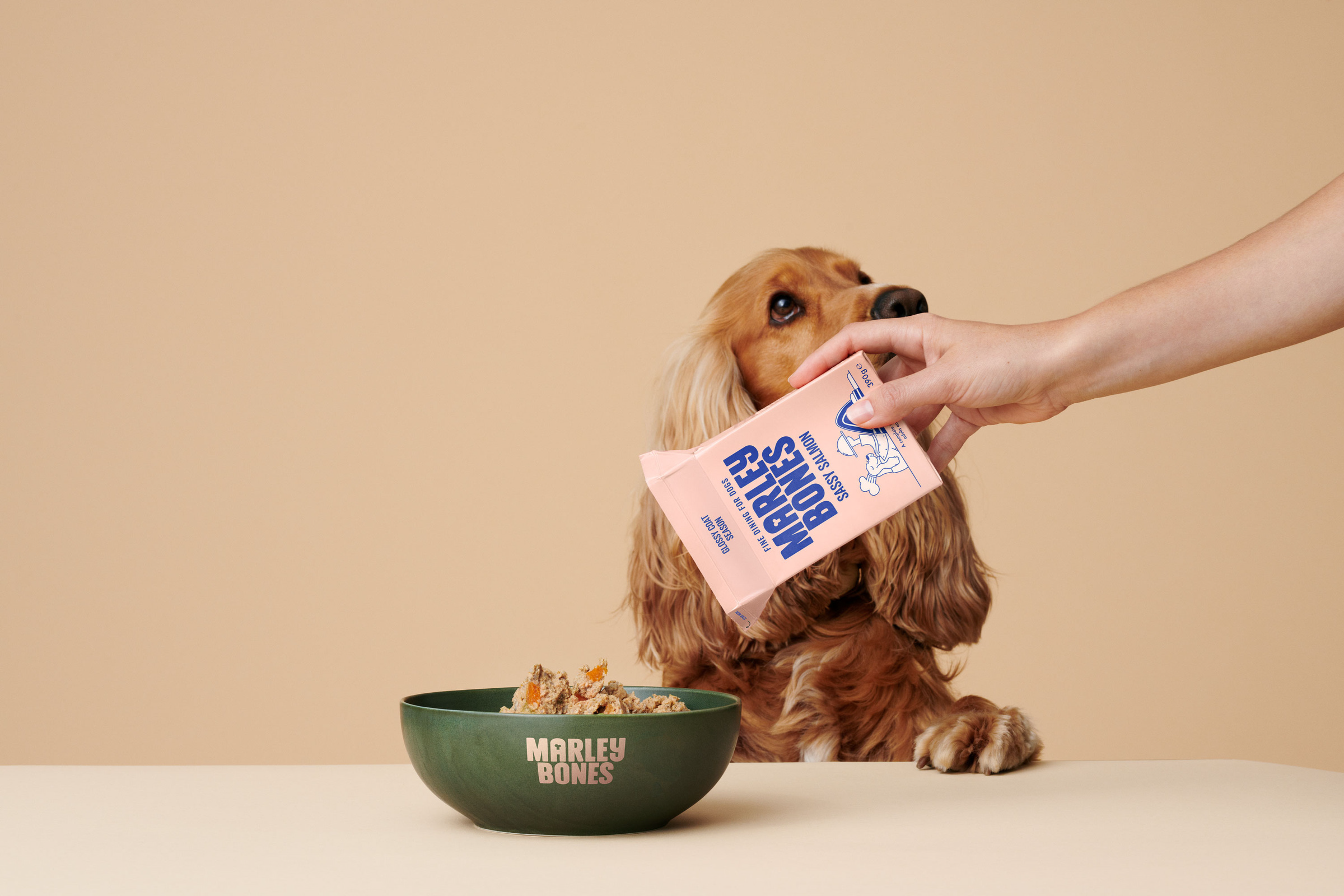
Named animal fats and omega-3 fatty acids from oily fish are the most useful nutritional supports here. They provide the skin barrier with the oils it needs and reduce the low-grade inflammation that often presents as dry skin, itching, or a coat that looks good one week and poor the next. Sassy Salmon provides a natural source of EPA and DHA alongside whole, recognisable ingredients and no artificial additives - which addresses both the nutritional requirement and removes the most common dietary irritants simultaneously.
Coat condition is frequently the first visible sign that a diet change is working, with most owners noticing improvement within six to eight weeks of switching to a higher-quality food.

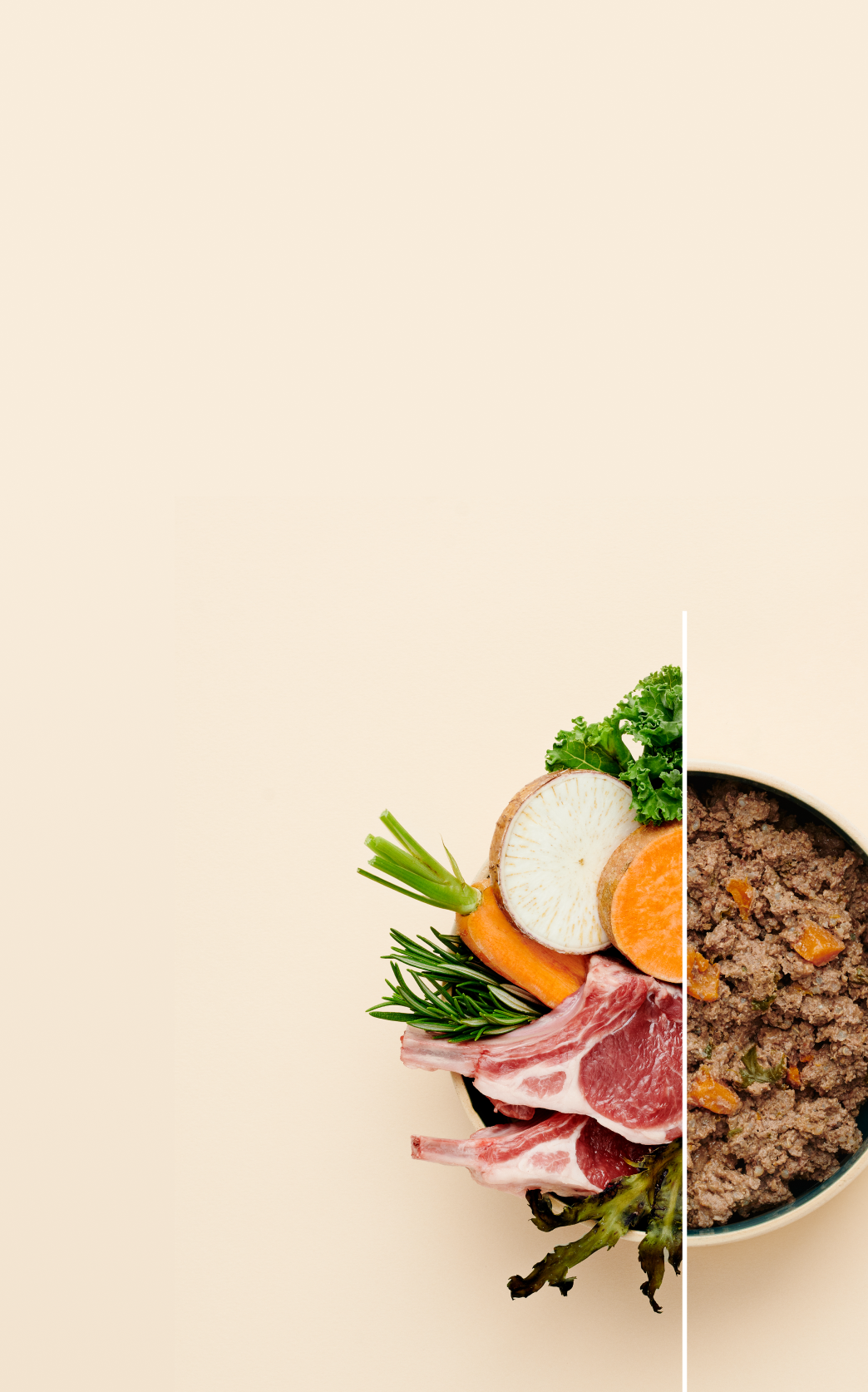
Freshly prepared British beef, veggies & superfoods
What protein is best for a Kooikerhondje?
Salmon is the strongest starting point for most Kooikerhondjes - it provides clean, highly digestible protein alongside omega-3 fatty acids that support the breed's coat, skin, and inflammation management in one ingredient. For a breed with a genetic predisposition to conditions involving the immune and nervous systems, a protein that brings additional anti-inflammatory nutritional value is a genuinely useful choice.
Lamb is a strong alternative for dogs that need a red meat option or have already eaten fish regularly. It is lower allergenicity than beef, tends to suit dogs with reactive digestion, and sits well as a rotation protein alongside salmon. Single-protein meals make it straightforward to identify what a dog tolerates, which is particularly useful if digestive sensitivity or a skin reaction appears - you know exactly what to remove.
Chicken and beef are not inherently problematic, but both are heavily used in standard dog food and are among the most common proteins associated with developed sensitivities. Dogs that have eaten the same protein for years without issue are generally fine continuing, but if any digestive or skin symptoms appear, switching protein source is the most practical first step before changing brand.
How much should I feed a Kooikerhondje?
Adult Kooikerhondjes typically weigh between 9 and 14kg, but body condition is the more reliable guide than the scales. You should be able to feel the ribs easily without pressing, and see a defined waist when looking down from above. If neither is visible, the daily portion needs adjusting downward.
Kooikerhondjes are active dogs bred for spaniel-style work, but many lead moderately active lives as companions - and a dog that walks an hour a day needs significantly fewer calories than one regularly used for fieldwork or agility. Feeding guides on packaging are a starting point; owners switching from kibble to fresh food typically find the higher moisture content is more satiating, meaning the nominal calorie count can be reduced without the dog appearing hungry.
Two meals daily suits adult Kooikerhondjes well. Adjust portions to body condition over six to eight weeks and account for treats - they contribute to total calorie intake in a way that catches many owners off guard.
Every dog is different - build your personalised Marleybones feeding and health plan tailored to your dog's age, size, and health requirements.
How do different dog food formats compare for Kooikerhondjes?
| Format | Moisture content | Processing level | Verdict for Kooikerhondjes |
|---|---|---|---|
| Fresh (Pantry Fresh) | 65-75% | Minimal - slow low-temperature cooking | Best option - whole ingredients, supports coat, digestion, and anti-inflammatory nutrition |
| Raw | 65-75% | None | Works for some - bacterial load worth considering, preparation required |
| Wet / canned | 75-85% | Moderate | Better than kibble - ingredient quality varies widely, check the label carefully |
| Cold pressed | Around 12% | Low - below extrusion temperatures | Decent middle ground if fresh food is not accessible |
| Dry kibble | Around 10% | High - high-temperature extrusion | Hardest to digest - lowest moisture, least suited to a breed with internal health sensitivities |
FAQs
How often should I feed my Kooikerhondje?
Twice daily is the standard for adults - morning and evening in roughly equal portions. It suits the breed's digestive rhythm better than one large meal and prevents the energy spikes and dips that can come with a single daily feed. Puppies under six months need three to four smaller meals a day to support steady growth.
My Kooikerhondje has von Willebrand disease - does diet make a difference?
Diet cannot treat von Willebrand disease, which requires veterinary management. A fresh, anti-inflammatory diet built around whole ingredients reduces the overall physiological stress load and avoids artificial additives that contribute unnecessary inflammatory burden. Work with your vet on any specific dietary recommendations for a diagnosed dog before making changes.
Is grain-free food better for Kooikerhondjes?
Not automatically. Grains are not inherently problematic - the issue is usually the quantity and quality of grain used as a cheap filler in heavily processed food. A Kooikerhondje that reacts to wheat in low-quality kibble may tolerate whole oats or brown rice in a fresh, minimally processed recipe without any difficulty. Grain-free foods that substitute large quantities of peas or lentils are not automatically easier to digest or nutritionally superior.
Is Marleybones Pantry Fresh good for Kooikerhondjes?
Yes. Marleybones Pantry Fresh meals are vet-developed, contain no artificial preservatives or fillers, and are built around whole, recognisable ingredients that suit a breed where internal health and coat condition both respond visibly to diet quality. Sassy Salmon is the strongest choice for most Kooikerhondjes - it provides natural EPA and DHA omega-3 fatty acids alongside clean ingredients, with chicory root as a prebiotic for digestive support. Rated 4.9/5 on Trustpilot and loved by 9 in 10 fussy dogs, it is a practical, evidence-backed option for this breed.
How long before I see a difference after switching my Kooikerhondje's food?
Digestive changes - including stool quality and wind - are typically noticeable within two to four weeks. Coat condition and skin health improve over six to eight weeks. Weight and body composition take longer to assess accurately; eight to twelve weeks on a consistent portion gives a reliable picture. If there is no meaningful improvement after four weeks on a consistent diet, a vet assessment is the right next step.
Can diet support a Kooikerhondje's joints and mobility?
Yes, practically. Omega-3 fatty acids from oily fish reduce joint inflammation and support cartilage health - a useful baseline for any active breed. A diet built around salmon delivers this as a whole-food ingredient. For dogs with established joint concerns, a dedicated joint health supplement alongside a fresh diet provides additional targeted support through ingredients like glucosamine and chondroitin.
Is a Kooikerhondje likely to be a fussy eater?
Kooikerhondjes are intelligent, slightly independent dogs that can develop preferences - particularly if they have been offered a variety of foods or table scraps from an early age. Fresh food is significantly more palatable than dry kibble, and most dogs that have become selective about kibble accept fresh food readily. Transition over seven to ten days to avoid digestive upset from the change, even if your dog takes to the new food immediately.

Freshly prepared British chicken, veggies & superfoods


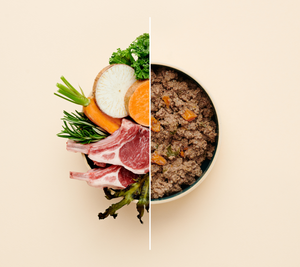 Give your dog the quality nutrition they deserve
Real meat, wholesome veggies and functional superfoods.
Get 40% OFF today