



 Vet reviewed
What’s the best dog food for a Lakeland Terrier?

At a glance
- Lakeland Terriers do best on fresh, whole-ingredient food built around a quality protein - the breed's high energy output, wiry coat, and tendency toward skin sensitivity make ingredient quality and dietary fat sources worth getting right.
- Chicken and beef are the proteins most likely to cause issues in Lakelands that have eaten them for years - lamb and salmon are stronger starting points for dogs with recurring skin irritation or digestive complaints.
- The Lakeland Terrier's distinctive wiry coat is directly affected by dietary fat quality - named animal fats and omega-3 fatty acids from oily fish are what keep it in good condition.
- Portion discipline matters for this breed - Lakelands are energetic but compact, and their small frame means even modest overfeeding leads to visible weight gain over time.
- Dental health is a genuine consideration for Lakeland Terriers - supporting it through diet, alongside regular brushing, reduces the risk of the periodontal disease small terrier breeds are prone to.
What is the best diet for a Lakeland Terrier?
Fresh dog food built around a single, high-quality protein with minimal processing and no artificial additives is the most appropriate diet for most Lakeland Terriers. The breed is compact and active, with a wiry double coat that reflects dietary fat quality directly, and a terrier constitution that copes poorly with heavily processed food over time.
Dry kibble sits at around 10% moisture and is produced through high-temperature extrusion that degrades protein quality and strips out much of the nutritional value of the original ingredients. Fresh food cooked at lower temperatures retains far more of its natural nutrient profile, with a moisture content of 65-75% that supports digestion and hydration in a way that dry food simply cannot match. For an active terrier that uses a lot of energy across the day, the quality of what goes in matters considerably.
The practical checklist for a good Lakeland Terrier food is: a named protein source, adequate dietary fat from identifiable sources, omega-3 fatty acids for coat and skin support, no artificial preservatives or fillers, and controlled portions to keep weight appropriate for a small frame. Marleybones Pantry Fresh meals cover all of those simultaneously - vet-developed recipes slow-cooked from whole ingredients, with no artificial additives, suited to a breed where coat and digestive health are closely tied to what they eat.
Do Lakeland Terriers have sensitive skin?
Skin sensitivity in Lakelands is common and is frequently diet-related rather than a fixed trait of the breed. The most typical pattern is a dog that has eaten the same chicken or beef-based food for an extended period and gradually developed a reactivity to that protein - showing up as itching, coat dullness, or recurring hot spots. Switching protein source rather than switching brand resolves it in most cases.
Dietary fat quality is the other major factor. The wiry outer coat and dense undercoat of the Lakeland Terrier need a consistent supply of good-quality fat to stay healthy. Diets built around rendered fat of unspecified origin, or cheap grain fillers that crowd out meaningful fat content, leave the coat dry and the skin more reactive. Omega-3 fatty acids from oily fish - specifically EPA and DHA - reduce systemic inflammation and support the skin barrier, making them the most practical nutritional tool for a Lakeland with recurring skin complaints.
If symptoms include hair loss, persistent broken skin, or repeated infections rather than mild itching or coat dullness, a vet assessment is the right first step before adjusting food.
What protein is best for a Lakeland Terrier?
Lamb and salmon are the strongest starting points for most Lakeland Terriers, particularly dogs with a history of skin sensitivity or those currently eating chicken or beef. A protein a dog has not eaten regularly is far less likely to provoke a reaction, because no sensitivity has had time to develop.
Salmon is the most nutritionally complete choice for Lakelands specifically - it delivers clean protein alongside EPA and DHA omega-3 fatty acids that directly address the coat and skin issues this breed is prone to. Lamb is a strong alternative for dogs that prefer a red meat option or have already eaten fish frequently - it is lower allergenicity than beef and sits well with dogs that have a reactive digestion.
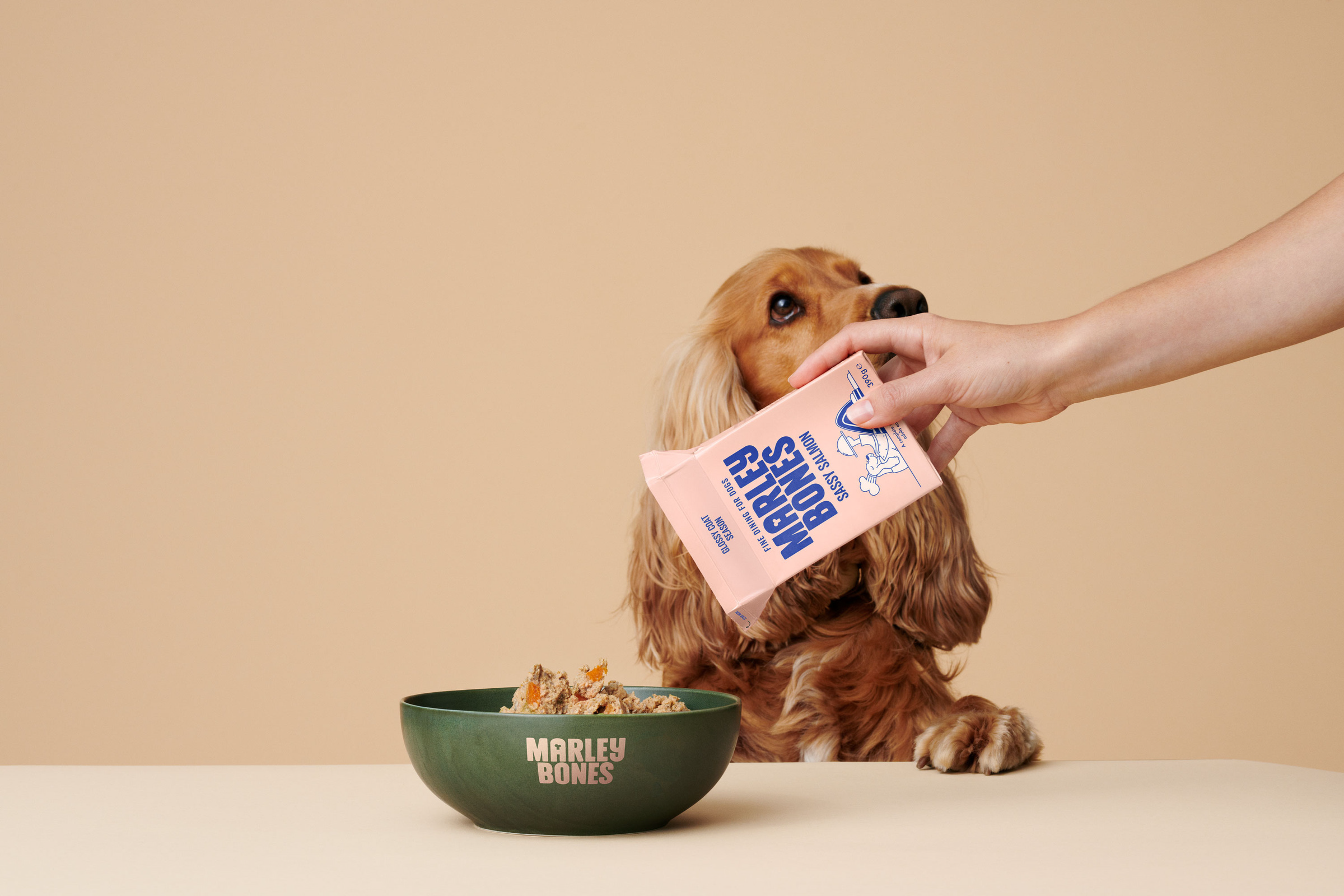
Single-protein meals make it straightforward to identify what the dog tolerates without guesswork. Marleybones Sassy Salmon and Lush Lamb are both single-protein recipes built around whole, identifiable ingredients, with chicory root as a natural prebiotic to support gut health during and after the transition.

Freshly prepared British beef, veggies & superfoods
How much should I feed a Lakeland Terrier?
Adult Lakeland Terriers typically weigh between 7 and 8kg, but body condition is a more reliable guide than the scales. You should be able to feel the ribs without pressing hard, and see a clear waist when looking down from above. If neither is visible, the daily portion needs reducing.
Feeding guides on packaging are a starting point. Fresh food is more satiating than the equivalent calorie count in dry kibble - the higher moisture content fills the stomach more effectively, and most owners transitioning from kibble find they need less nominal food volume than expected. Adjust based on body condition over six to eight weeks, and account for treats - a small, food-motivated terrier reaches its daily limit faster than most owners expect.
Are Lakeland Terriers prone to joint problems?
Legg-Calvé-Perthes disease - a condition affecting the hip joint - has a higher incidence in small terrier breeds including Lakelands, and weight management is one of the most effective dietary tools for reducing the load on affected joints. A dog carrying even a few hundred grams over its ideal weight places meaningfully more stress on the hip and stifle joints across thousands of daily steps.
Anti-inflammatory omega-3 fatty acids from oily fish support joint tissue alongside their better-known benefits for skin and coat. Diets built around whole, fresh ingredients with a natural omega-3 source are better placed to deliver this consistently than heavily processed foods, where heat-sensitive fatty acids degrade significantly during production. If your Lakeland is already showing signs of joint stiffness or reduced mobility, speak to your vet before making dietary changes alone.
Every dog is different - build your personalised Marleybones feeding and health plan tailored to your dog's age, size, and health requirements.
How do different dog food formats compare for Lakeland Terriers?
| Format | Moisture content | Processing level | Verdict for Lakeland Terriers |
|---|---|---|---|
| Fresh (Pantry Fresh) | 65-75% | Minimal - slow low-temperature cooking | Best option - whole ingredients, supports coat, skin, and digestion in an active small breed |
| Raw | 65-75% | None | Works for some - bacterial load a consideration, requires careful preparation and handling |
| Wet / canned | 75-85% | Moderate | Better than kibble - ingredient quality varies widely, check the label carefully |
| Cold pressed | Around 12% | Low - below extrusion temperatures | A reasonable middle ground if fresh is not accessible |
| Dry kibble | Around 10% | High - high-temperature extrusion | Hardest to digest - low moisture and degraded fats make it the weakest choice for coat and skin health |
FAQs
How often should I feed my Lakeland Terrier?
Twice daily is the standard for adult Lakelands - morning and evening in roughly equal portions. It suits digestion better than one large meal and keeps energy levels more consistent across the day for an active breed. Puppies under six months need three to four smaller meals a day.
Why does my Lakeland Terrier scratch so much?
Persistent scratching in Lakelands is most often diet-related - either a reaction to a protein eaten frequently over a long period, or a nutritional gap in omega-3 fatty acids that leaves the skin barrier under-supported. Switching to a novel single protein alongside a natural omega-3 source addresses both causes simultaneously. If scratching continues beyond four to six weeks on a changed diet, or is accompanied by broken skin or recurrent infections, see a vet.
Is grain-free food better for Lakeland Terriers?
Not automatically. Grains are not inherently problematic - it is the volume and quality of grain used as a cheap filler in heavily processed food that causes issues. A Lakeland reacting to wheat in low-quality kibble may tolerate whole oats or brown rice in a minimally processed fresh meal without any difficulty. Grain-free recipes that replace grain with large quantities of peas or lentils are not automatically easier to digest and carry their own nutritional considerations.
Is Marleybones Pantry Fresh good for Lakeland Terriers?
Yes. Marleybones Pantry Fresh meals are vet-developed, contain no artificial preservatives or fillers, and are available in single-protein recipes well suited to a breed prone to skin sensitivity and digestive reactivity. Sassy Salmon is the strongest choice for Lakelands - delivering a natural source of EPA and DHA omega-3 fatty acids alongside whole ingredients that support coat condition and digestion. Loved by 9 in 10 fussy dogs, Pantry Fresh is one of the most practical switches for a breed where coat and skin health show up directly in the bowl.
My Lakeland Terrier is a fussy eater - will they eat fresh food?
Almost certainly yes. Terriers can be opinionated about food, but fresh food is significantly more palatable than dry kibble - the aroma, texture, and moisture content make it far more appealing. Lakelands that have refused multiple kibble brands frequently take to fresh food straight away. Transition gradually over seven to ten days regardless, to avoid digestive upset from the change even if your dog seems enthusiastic from the first meal.
Does diet affect dental health in Lakeland Terriers?
Diet alone does not prevent periodontal disease, but it contributes. Small terrier breeds accumulate tartar quickly, and diets high in refined starch - as most dry kibble is - feed the bacteria responsible for plaque formation. Fresh food with lower starch content creates a less hospitable environment for that bacterial build-up. Regular brushing remains the most effective dental intervention, but pairing it with a lower-starch diet and appropriate dental chews gives the best overall result.
How long before I see a difference after switching my Lakeland Terrier's food?
Stool quality and digestion typically improve within two to four weeks. Coat condition - texture, shine, and density - takes six to eight weeks to reflect the change in diet, as the coat grows through on the new nutritional input. If there is no meaningful improvement after four to six weeks on a consistent diet, a vet assessment is the right next step to rule out non-dietary causes.

Freshly prepared British chicken, veggies & superfoods


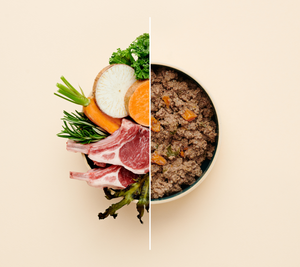 Give your dog the quality nutrition they deserve
Real meat, wholesome veggies and functional superfoods.
Get 40% OFF today