


 Vet reviewed
What is the best dog food for a Kishu Ken?

At a glance
- Kishu Kens thrive on a diet built around high-quality animal protein - the breed's lean, muscular build and active working ancestry mean protein quality and completeness are central to keeping them in good condition.
- Chicken and beef are the proteins most likely to cause reactivity in Kishu Kens that have eaten them repeatedly - novel proteins such as lamb or salmon are the stronger choice for dogs showing any signs of itching, loose stools, or coat dullness.
- Fresh food with 65-75% moisture content supports the Kishu Ken's digestive efficiency and coat condition in a way that dry kibble cannot match at around 10% moisture.
- Portion discipline is important - the Kishu Ken is naturally lean, and both underfeeding and overfeeding show up quickly in a breed with so little body fat to mask changes in condition.
- Omega-3 fatty acids from oily fish support the Kishu Ken's dense double coat and the skin beneath it, keeping it weatherproof and reducing the itch-scratch cycles that affect some individuals.
What is the best diet for a Kishu Ken?
A fresh, high-protein diet built around whole, identifiable ingredients is the best foundation for a Kishu Ken. The breed evolved as a working hunting dog in Japan, developed for endurance and agility rather than bulk, and the nutritional priorities that follow from that are real protein from animal sources, controlled fat, and minimal unnecessary processing in the food chain.
Heavily processed dry kibble delivers a fraction of the moisture a Kishu Ken needs from food and puts a higher processing load on the digestive system than the breed's lean, efficient physiology warrants. Fresh food cooked from whole ingredients at lower temperatures preserves more of the natural protein structure, which the gut handles more easily and the muscles use more efficiently. For a breed that is active, alert, and quick to show changes in condition, ingredient quality genuinely matters.
The practical checklist for a good Kishu Ken food: a named animal protein as the first ingredient, omega-3 fatty acids for coat and skin, no artificial preservatives or high-starch fillers, and portions calibrated to the dog's actual activity level. Marleybones Pantry Fresh meals are vet-developed, built around whole ingredients slow-cooked in-pack with no artificial additives, and suited to a breed where performance and condition are closely tied to what goes in the bowl.
Does the Kishu Ken's working heritage affect what they need to eat?
Directly, yes. The Kishu Ken was bred for endurance hunting over difficult Japanese mountain terrain, and the breed retains that physical efficiency in a domestic setting. Muscle maintenance, joint resilience, and sustained energy across an active day all depend on dietary protein quality more than calorie volume. A high-protein diet from named animal sources is not optional for this breed - it is what the physiology is built around.
Fat quality matters too. The Kishu Ken needs sufficient dietary fat to fuel activity and support the dense double coat, but the breed's lean frame means excess fat from poor-quality rendered sources accumulates without benefit. Named animal fats from identifiable sources - chicken fat, salmon oil - are well-metabolised. Vague "animal fat" listings on an ingredient label are a reasonable cue to look elsewhere.
The breed is not particularly prone to digestive sensitivity in the way some companion breeds are, but the gut is still most efficient when the food it processes is minimally altered from its natural state. The difference between fresh food and high-temperature extruded kibble is not subtle at the ingredient level, and it shows up in stool quality, energy, and coat condition over time.
What protein is best for a Kishu Ken?
Lamb and salmon are the strongest starting points, particularly for Kishu Kens with any history of skin reactivity or loose stools, or those that have eaten chicken or beef for an extended period. Novel proteins are less likely to provoke a reaction because the immune system has not had repeated exposure to them.
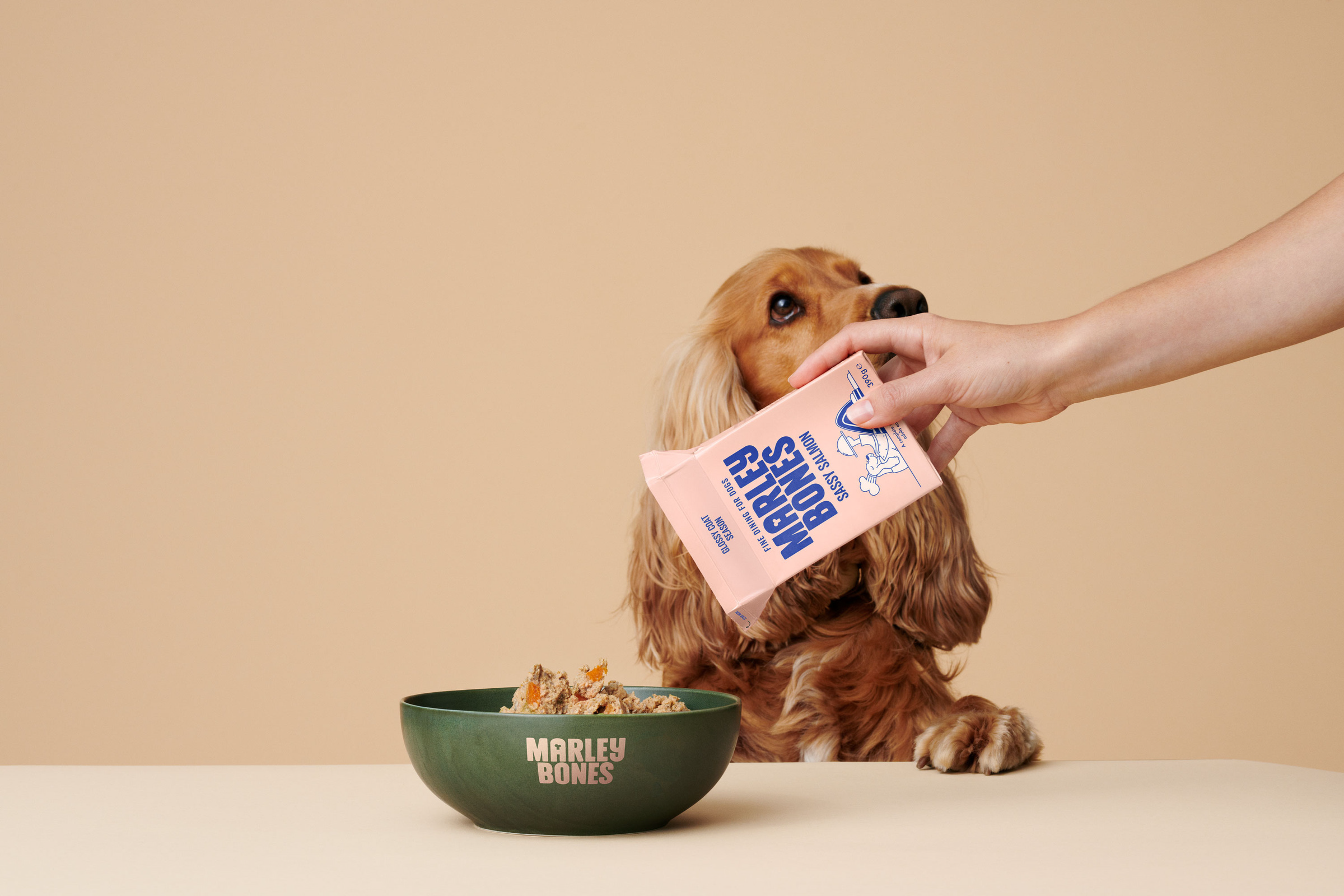
Salmon is the most nutritionally complete choice for the breed: it provides clean, complete protein alongside EPA and DHA omega-3 fatty acids that directly support the double coat and skin health the Kishu Ken is known for. Marleybones Sassy Salmon is a single-protein meal built around whole salmon with chicory root as a natural prebiotic - a straightforward option for a breed where coat and digestive health are both worth supporting at the same time.
Lamb is the right call for Kishu Kens that need a red meat option or have already eaten fish regularly. It is a lower-allergenicity red meat than beef and tends to sit well with dogs that have a more reactive history. Single-protein meals across the board make it easier to identify what the dog tolerates without guesswork.

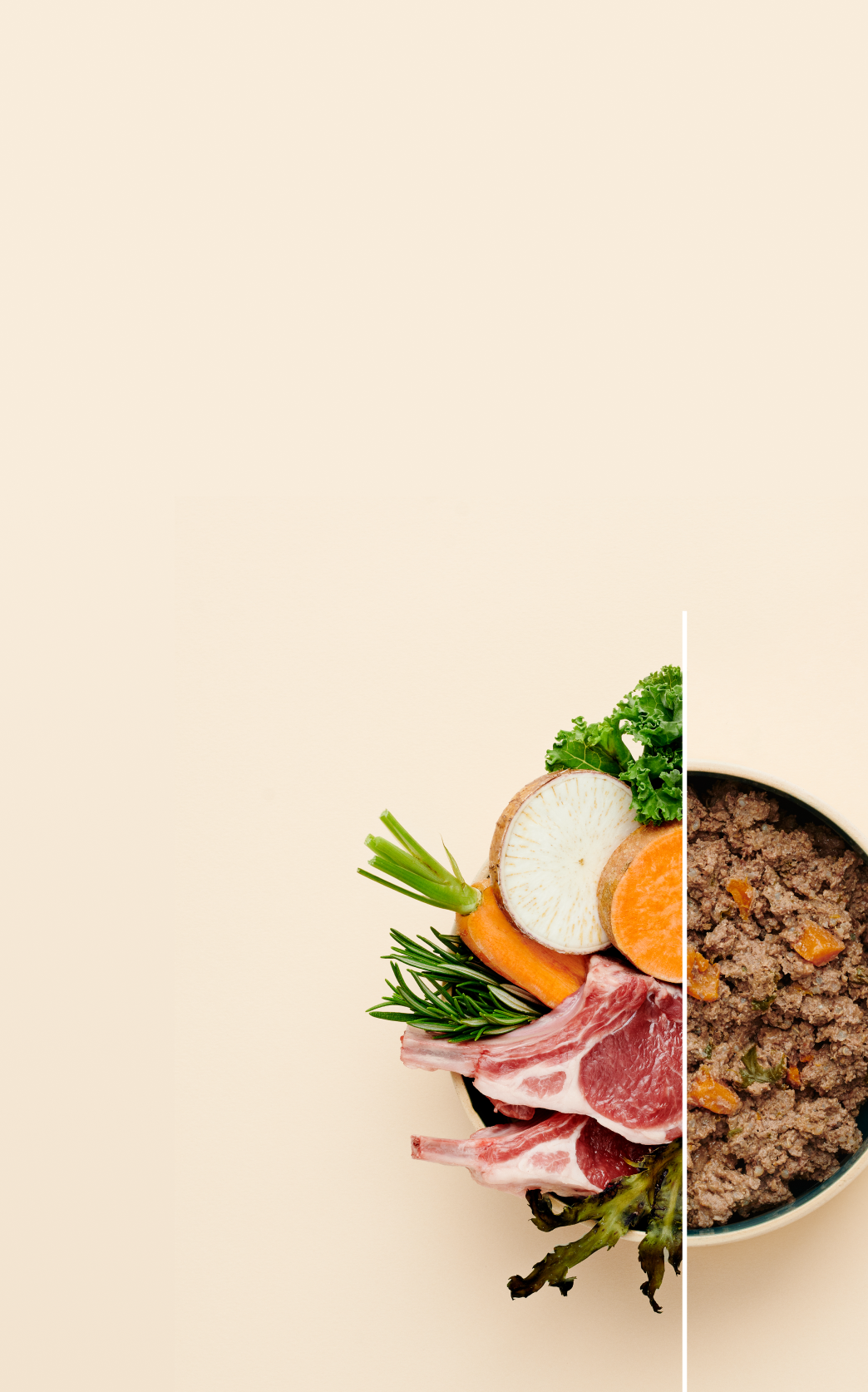
Freshly prepared British beef, veggies & superfoods
How much should I feed a Kishu Ken?
Adult Kishu Kens typically weigh between 13 and 27kg depending on sex and lineage, but body condition is the more reliable guide than the scale. The ribs should be easy to feel without pressing hard, and there should be a visible waist tuck from above and a slight abdominal tuck from the side. The breed carries very little excess fat when in good condition, so changes in either direction show up quickly.
Feeding guides on packaging are a starting point adjusted for the individual dog's activity level. A Kishu Ken in regular active exercise needs more than a less active dog of the same weight, and the daily intake should reflect that. Fresh food is more satiating per calorie than dry kibble because the higher moisture content occupies real volume in the stomach - most owners switching from kibble find the dog is satisfied on a lower nominal calorie count.
Reassess portions every six to eight weeks rather than setting them once and leaving them. A Kishu Ken that moves from daily trail work to a quieter week needs a corresponding adjustment in food - the breed's low body fat means both underfeeding and overfeeding become visible faster than in stockier dogs.
How does diet affect the Kishu Ken's double coat?
The Kishu Ken's dense, weather-resistant double coat requires consistent dietary fat and omega-3 fatty acids to stay in the condition the breed is known for. A diet short on quality fat produces a coat that looks dull, feels dry to the touch, and sheds more heavily than usual - the undercoat loses its insulating properties and the outer coat its natural gloss.
Omega-3 fatty acids from oily fish, specifically EPA and DHA, are the most practical dietary support for both the coat and the skin underneath it. They reduce systemic inflammation, reinforce the skin barrier, and provide the oils the coat needs at the follicle level. Whole food sources - salmon as an ingredient rather than a synthetic omega-3 supplement added to otherwise poor-quality food - deliver these more reliably and consistently.
Coat condition is one of the clearest dietary signals in the Kishu Ken, and it typically responds to a fresh food switch within six to eight weeks. If the coat is dull, dry, or shedding excessively despite good grooming, the ingredient list on the current food is where to start. For dogs where coat and skin health are a concern, adding Marleybones Omega Boosting Oil alongside a whole-food diet provides an additional targeted source of EPA and DHA.
Every dog is different - build your personalised Marleybones feeding and health plan tailored to your dog's age, size, and health requirements.How do different dog food formats compare for Kishu Kens?
| Format | Moisture content | Processing level | Verdict for Kishu Kens |
|---|---|---|---|
| Fresh (Pantry Fresh) | 65-75% | Minimal - slow low-temperature cooking | Best option - whole ingredients, supports lean muscle, coat and joint health |
| Raw | 65-75% | None | Suited to the breed's active profile - bacterial load and sourcing require care |
| Wet / canned | 75-85% | Moderate | Better than kibble - ingredient quality varies widely, check the label |
| Cold pressed | Around 12% | Low - below extrusion temperatures | A reasonable step up from kibble if fresh is not accessible |
| Dry kibble | Around 10% | High - high-temperature extrusion | Hardest to digest - low moisture and high starch work against the breed's lean, active physiology |
FAQs
How often should I feed a Kishu Ken?
Twice daily is the right frequency for adult Kishu Kens - morning and evening in equal portions. One large daily meal is harder for the digestive system to process efficiently and is not appropriate for an active breed. Puppies under six months need three to four smaller meals spread through the day to support growth and energy demands.
My Kishu Ken is very lean - should I be feeding more?
The Kishu Ken is naturally lean and does not carry visible fat reserves in the way some breeds do - leanness alone is not a sign of underfeeding. The correct check is body condition: you should feel the ribs easily without pressing, but not see them prominently at rest. If the spine and hip bones are visible, the dog needs more food. If the ribs are hard to feel at all, reduce the portion. Adjust over two to three weeks and reassess.
Is grain-free food better for a Kishu Ken?
Not automatically. Grains are not inherently problematic for the breed - the issue is more often the volume of starch used as a cheap filler in heavily processed food than the presence of grain itself. A Kishu Ken doing well on a fresh food that contains whole oats or brown rice is not a dog that needs a grain-free switch. Grain-free foods that replace grain with large quantities of peas or lentils introduce their own considerations and are not straightforwardly better.
Do Kishu Kens need joint support in their diet?
The Kishu Ken is a physically active breed and joint integrity matters across its working life. Diet contributes through omega-3 fatty acids, which reduce inflammatory load on the joints, and through maintaining a lean body condition that does not add unnecessary mechanical stress. Dogs in regular hard exercise benefit from a diet with a consistent, high-quality source of EPA and DHA. A dedicated joint health supplement is worth considering for Kishu Kens in sustained athletic work or as they move into later life.
Is Marleybones Pantry Fresh good for Kishu Kens?
Yes. Marleybones Pantry Fresh meals are vet-developed, free from artificial preservatives and fillers, and built around whole, named ingredients that suit the Kishu Ken's lean, active profile. With over 2,000,000 meals delivered and a 4.9/5 Trustpilot rating, Sassy Salmon is the strongest choice for this breed - providing complete protein alongside natural EPA and DHA to support the double coat and joint health that matter most in an active working dog.
How do I switch a Kishu Ken to fresh food?
Transition over seven to ten days, starting with roughly 25% fresh food and 75% of the existing diet, and shifting the ratio gradually across the week. Even if the dog takes to the new food immediately, a gradual transition gives the gut microbiome time to adjust and avoids loose stools from an abrupt change. Kishu Kens are not typically fussy eaters, and most take to fresh food readily given its stronger aroma and palatability compared to dry kibble.
Does diet affect how a Kishu Ken handles exercise and recovery?
Yes, directly. Protein quality determines how efficiently the body repairs and maintains muscle tissue after exercise, and the Kishu Ken's active lifestyle makes this a practical daily consideration rather than a theoretical one. A diet built around complete animal proteins from whole food sources supports faster recovery, better sustained energy, and better long-term muscle condition than one relying on heavily processed or plant-derived protein. The difference between a well-fed and a poorly-fed Kishu Ken shows up in stamina and recovery speed over weeks, not just in coat and stool quality.

Freshly prepared British chicken, veggies & superfoods


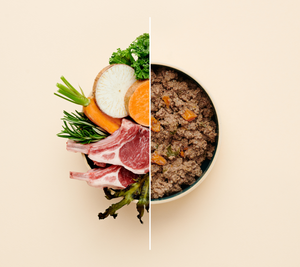 Give your dog the quality nutrition they deserve
Real meat, wholesome veggies and functional superfoods.
Get 30% off: Take the quiz