



 Vet reviewed
What’s the best dog food for a Japanese Chin?

At a glance
- Japanese Chins do best on fresh, whole-ingredient food built around a high-quality, easily digestible protein - the breed's compact digestive system and flat-faced anatomy make gentle, low-processing food a practical necessity rather than a preference.
- Salmon and lamb are the strongest protein choices for Japanese Chins - they support the breed's skin and coat without the sensitivity risk that comes with long-term chicken or beef feeding.
- Brachycephalic dogs eat differently to longer-snouted breeds, and food format matters - fresh food with high moisture content is easier to chew and swallow than dry kibble, which can cause gulping and excess wind.
- Portion control is essential - Japanese Chins weigh between 3 and 7kg and gain weight quickly, which puts additional strain on the heart and joints in a breed already prone to those conditions.
- Omega-3 fatty acids from oily fish directly support the silky, flowing coat the Japanese Chin is known for, and a diet that includes a natural source of EPA and DHA makes a visible difference to coat quality within weeks.
What is the best diet for a Japanese Chin?
Fresh dog food built around a single, digestible protein with high moisture content and minimal processing is the best diet for most Japanese Chins. The breed is small, flat-faced, and built with a relatively compact gut - three factors that make ingredient quality and food format genuinely consequential, not just a nice-to-have.
Dry kibble presents a particular problem for this breed. At around 10% moisture, it is difficult to chew and swallow properly for a dog with a shortened muzzle, and the high-temperature extrusion process that creates it denatures proteins in ways the gut handles less efficiently. Fresh food, slow-cooked from whole ingredients, sits at 65-75% moisture, chews and swallows cleanly, and places a significantly lower burden on digestion - all of which matters for a breed where eating mechanics and digestive sensitivity go hand in hand.
The practical checklist for a good Japanese Chin food: a named protein source that reads clearly on the label, omega-3 fatty acids from an identifiable source, no artificial additives or cheap fillers, and controlled portions calibrated to a small, easily over-fed dog. Marleybones Pantry Fresh meals tick every one of those boxes - vet-developed, slow-cooked from whole ingredients, with no artificial preservatives and single-protein recipes that suit a breed where dietary simplicity pays off.
Does a flat face change how a Japanese Chin should eat?
Yes, in two practical ways. First, the shortened muzzle makes chewing dry or hard food more difficult - Japanese Chins often bolt their food because they cannot grip and chew kibble effectively, which leads to gulping air, excess wind, and occasional regurgitation. Fresh food with a soft, moist texture is physically easier to eat and reduces the swallowing-air problem at source.
Second, brachycephalic dogs are more prone to digestive upset linked to eating habits than longer-muzzled breeds. Eating too fast puts pressure on a digestive system that in a small dog has limited capacity to absorb shocks. Feeding from a slow-feeder bowl helps, but food format is the more consequential change - a diet that is easy to eat calmly is better than a difficult-to-eat food paired with a specialist bowl.
Small, frequent meals suit the Japanese Chin better than one large feed. Two meals a day of controlled portion size, both appropriately sized for a dog of 3-7kg, give the digestive system a manageable load at each sitting.
What health conditions in Japanese Chins are affected by diet?
Three conditions are worth understanding when choosing food for a Japanese Chin, because diet either directly supports management or plays a meaningful preventative role.
Heart health is the most significant. Japanese Chins carry an elevated risk of mitral valve disease as they age, and weight management is one of the most effective tools an owner has. Even modest excess weight increases the workload on the heart. Keeping a Japanese Chin lean throughout its life - through appropriate portion control and a diet that is genuinely satiating rather than calorie-dense with fillers - is one of the most practical contributions diet makes to long-term cardiac health. A vet should guide the diet if mitral valve disease has already been diagnosed.
Joint health is the second consideration. Luxating patella is common in small breeds, and excess weight compounds the mechanical stress on the knee joint. Omega-3 fatty acids from oily fish also reduce systemic inflammation, which supports joint comfort - making a salmon-based diet doubly useful for this breed.
Skin and coat condition is the third. The Japanese Chin's fine, silky coat is prone to dullness and dryness on a diet lacking in quality fat. Diet-related skin issues in small breeds are often traced back to poor-quality rendered fats or insufficient omega-3 intake - both of which a fresh, whole-ingredient diet addresses directly.

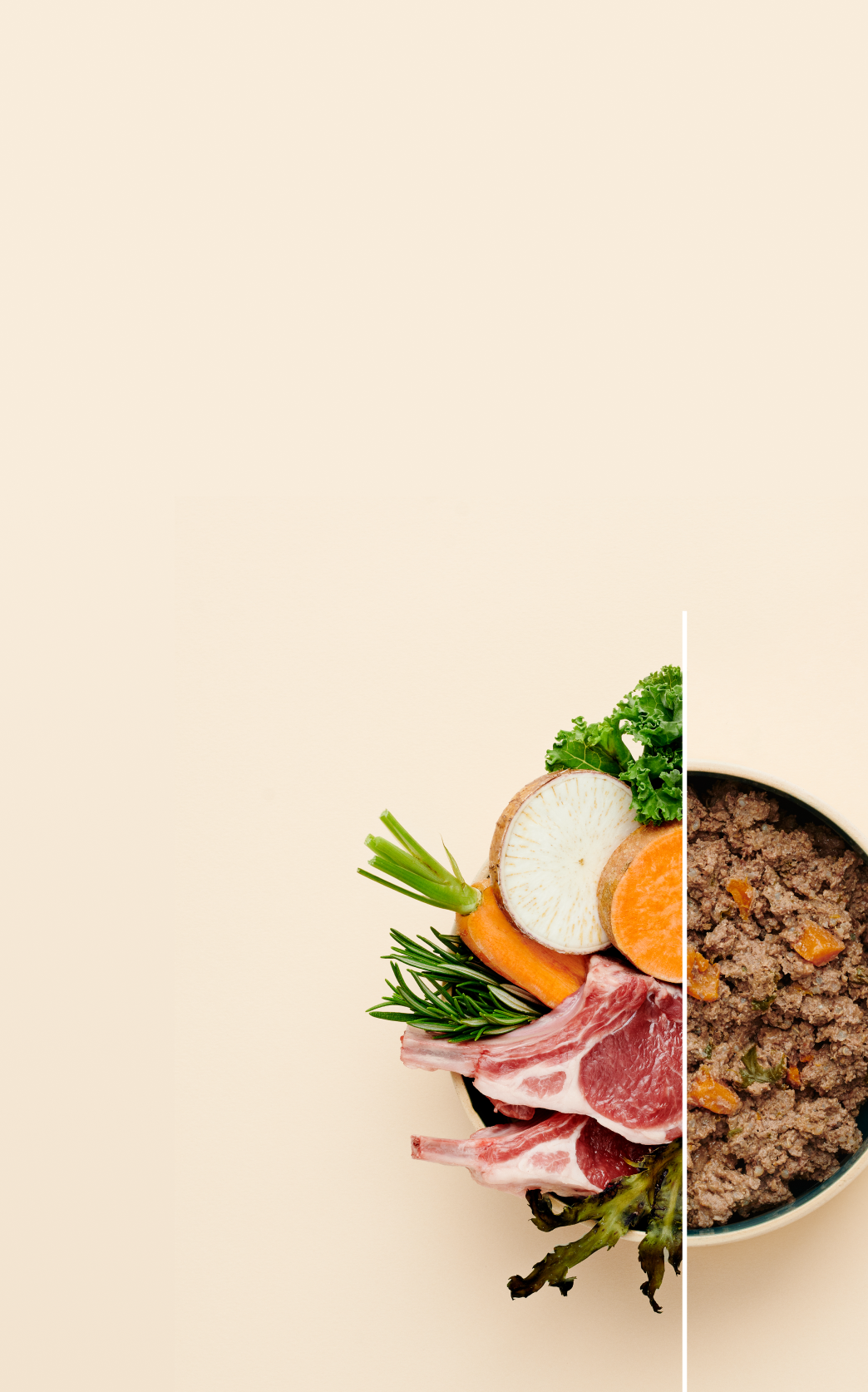
Freshly prepared British beef, veggies & superfoods
What protein is best for a Japanese Chin?
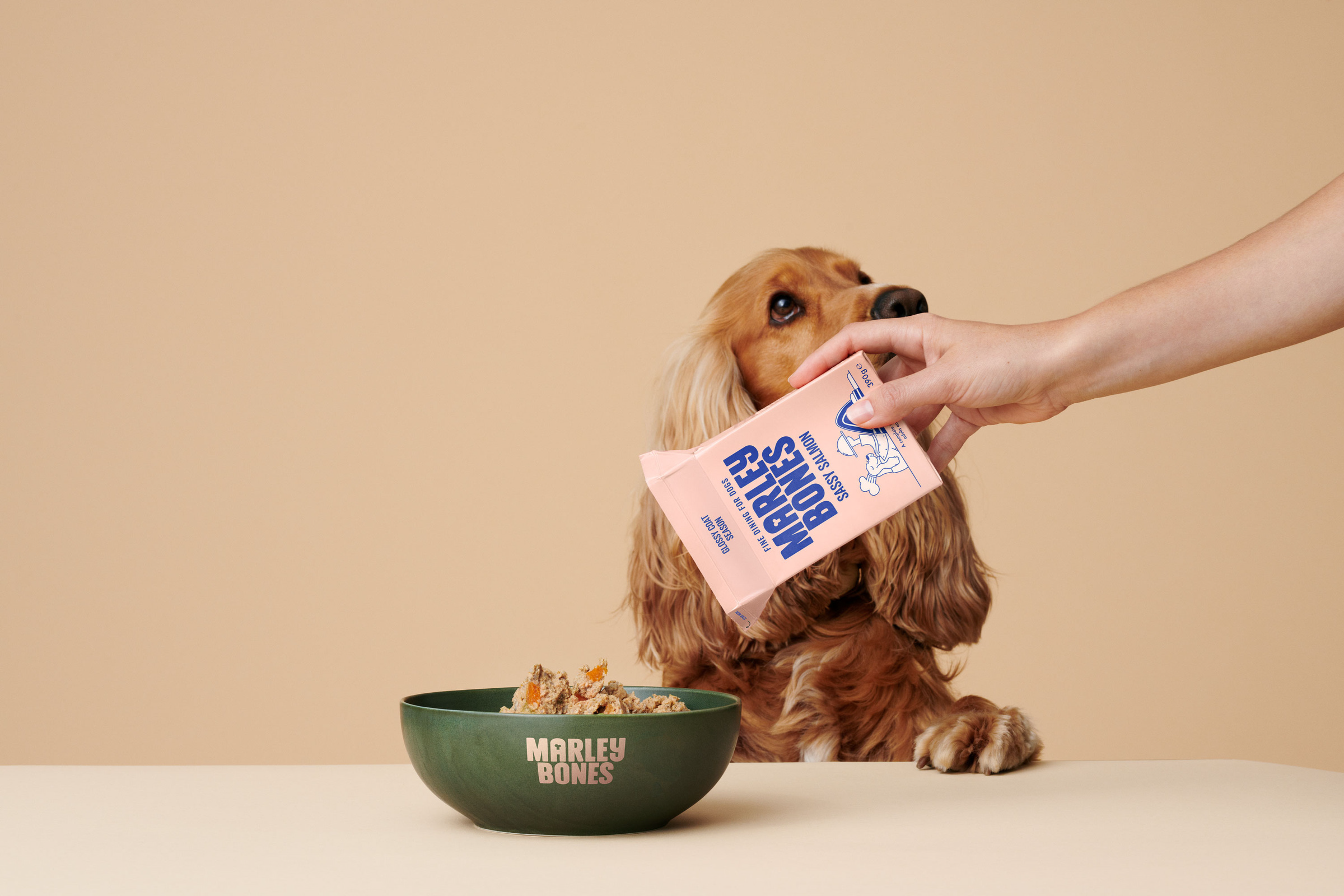
Salmon is the strongest single protein choice for most Japanese Chins. It provides clean, easily digestible protein alongside a natural source of EPA and DHA omega-3 fatty acids - supporting the coat, reducing inflammation around the joints, and sitting well with a breed that often has a sensitive gut. Marleybones Sassy Salmon is a single-protein meal built around whole salmon with chicory root as a natural prebiotic, which adds gut support on top of the nutritional benefits of the fish itself.
Lamb is the strongest alternative for dogs that need a red meat option or have already eaten fish regularly. It is lower in allergenicity than beef and tends to be well-tolerated by dogs with reactive digestion. Dogs that have been eating chicken or beef for an extended period are more likely to have developed a sensitivity to those proteins - switching to a novel protein like lamb or salmon is often more effective than trying a different brand of the same protein.
Single-protein meals are preferable for any Japanese Chin with a history of digestive sensitivity or skin reactions, because they make it straightforward to identify what the dog does and does not tolerate. Multi-protein recipes introduce unnecessary variables when you are trying to isolate the cause of a problem.
How much should I feed a Japanese Chin?
Most adult Japanese Chins weigh between 3 and 7kg, but body condition is the more reliable guide than the scales alone. You should be able to feel the ribs without pressing hard, and there should be a visible waist when looking down from above. If those markers are absent, the daily portion needs reducing regardless of what the packaging suggests.
Feeding guides are a starting point. Owners switching from kibble to fresh food typically find the higher moisture content is more satiating, and a dog that seemed perpetually hungry on dry food often settles more readily on a smaller nominal calorie count in fresh food. Adjust portions based on body condition over six to eight weeks, and count treats in the daily total - in a dog this small, even modest treat quantities represent a meaningful percentage of daily calories.
Every dog is different - build your personalised Marleybones feeding and health plan tailored to your dog's age, size, and health requirements.
How do different dog food formats compare for Japanese Chins?
| Format | Moisture content | Processing level | Verdict for Japanese Chins |
|---|---|---|---|
| Fresh (Pantry Fresh) | 65-75% | Minimal - slow low-temperature cooking | Best option - soft texture suits flat-faced eating, whole ingredients support digestion and coat |
| Raw | 65-75% | None | Viable for some - bacterial load a consideration, and preparation demands are high for a small dog with specific portion needs |
| Wet / canned | 75-85% | Moderate | Better than kibble - moisture helps with eating mechanics, but ingredient quality varies widely |
| Cold pressed | Around 12% | Low - below extrusion temperatures | A reasonable middle ground, but lower moisture is still a limitation for this breed's eating style |
| Dry kibble | Around 10% | High - high-temperature extrusion | Hardest format for a Japanese Chin - difficult to chew, promotes gulping, lowest moisture content |
FAQs
How often should I feed my Japanese Chin?
Twice daily is the right approach for adult Japanese Chins - morning and evening in roughly equal portions. One large meal is harder for a small dog with a compact digestive system to handle comfortably, and can contribute to bloating and wind. Puppies under six months need three to four smaller meals spread through the day.
Why does my Japanese Chin have so much wind?
Wind in Japanese Chins is almost always linked to how they eat as much as what they eat. The flat face makes it easy to gulp air while eating, and any food that is hard to chew compounds the problem. Switching to a soft, moist fresh food reduces gulping, and eliminating high-starch fillers and artificial additives removes the most common dietary causes of fermentation in the gut. If wind is accompanied by bloating, discomfort, or loose stools, have a vet check for anything beyond diet.
Is grain-free food better for Japanese Chins?
Not automatically. Grains are not inherently problematic - the issue is usually cheap, high-volume grain used as a filler in heavily processed food. A Japanese Chin that reacts to wheat in low-quality kibble may tolerate whole oats or brown rice in a fresh, minimally processed meal without any issue. Grain-free foods that swap grain for large quantities of peas or lentils are not automatically easier to digest, and some carry their own considerations for small breeds.
Is Marleybones Pantry Fresh good for Japanese Chins?
Yes. Marleybones Pantry Fresh meals are vet-developed, free from artificial preservatives and fillers, and available in single-protein recipes that suit a breed prone to digestive sensitivity and skin reactions. Sassy Salmon is the strongest choice for Japanese Chins, delivering natural EPA and DHA omega-3 fatty acids alongside whole, easily digestible ingredients and chicory root for prebiotic gut support. Loved by 9 in 10 fussy dogs, it is one of the most practical switches available for a breed where food quality shows up directly in coat condition, digestion, and long-term weight management.
My Japanese Chin is a very fussy eater - will they eat fresh food?
Japanese Chins are famously discerning, but fresh food is significantly more palatable than dry kibble - the aroma, soft texture, and high moisture content make it far more appealing to a dog that has learned to be selective. Most Japanese Chins that have rejected multiple kibble brands accept fresh food readily. Transition gradually over seven to ten days to give the digestive system time to adjust, even if your dog takes to it immediately.
Does diet affect eye health in Japanese Chins?
The Japanese Chin's large, prominent eyes are one of the breed's most distinctive features and also one of its vulnerabilities - the eyes are exposed to more environmental irritants than recessed eyes in other breeds. Diet cannot prevent structural eye conditions, but antioxidant-rich whole ingredients, particularly vegetables like carrots, sweet potato, and spinach that provide vitamins A and E, support broader eye health. Fresh food with identifiable vegetable ingredients delivers these nutrients more reliably than heavily processed food, where high-temperature cooking degrades them significantly.
How long before I see a difference after switching my Japanese Chin's food?
Digestion and stool quality tend to improve within two to four weeks of switching to a fresh, whole-ingredient diet. Coat condition - the area most Japanese Chin owners notice first - improves over six to eight weeks as the skin builds up better fat reserves and omega-3 levels increase. Weight changes take eight to twelve weeks on a consistent portion to assess properly. If there is no meaningful improvement after four weeks, a vet assessment is the right next step rather than continuing to adjust the diet alone.

Freshly prepared British chicken, veggies & superfoods


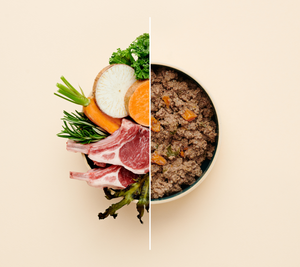 Give your dog the quality nutrition they deserve
Real meat, wholesome veggies and functional superfoods.
Get 30% off: Take the quiz