

 Vet reviewed
What is the best dog food for a Jamthund?

At a glance
- Jamthunds do best on fresh, whole-ingredient food built around a high-quality animal protein - the breed's working heritage and substantial muscle mass make protein quality and energy density genuinely important considerations.
- Beef and lamb are the strongest protein starting points for most Jamthunds, providing the amino acid profile this muscular Nordic breed needs to maintain condition across varying activity levels.
- Joint health is a priority for Jamthunds - omega-3 fatty acids from oily fish reduce inflammation in the connective tissue that takes significant load in an active, heavy-framed dog.
- Portion discipline matters - Jamthunds are efficient metabolisers that carry weight quietly, and overfeeding a less active dog of this size accelerates joint wear significantly.
- Fresh food with 65-75% moisture content supports kidney function and urinary health far better than dry kibble, which matters for a large working breed with high daily fluid requirements.
What is the best diet for a Jamthund?
Fresh dog food built around a high-quality animal protein, with sufficient fat for energy and omega-3 fatty acids for joint and coat support, is the most appropriate diet for most Jamthunds. The breed is a large, heavily muscled Nordic spitz developed for elk hunting in demanding terrain - its nutritional needs reflect that working background, even in dogs that now live primarily as companions.
Dry kibble, even premium varieties, delivers around 10% moisture and requires high-temperature extrusion that degrades protein quality and strips naturally occurring nutrients. For a breed this size, the gap between what the label promises and what the body actually absorbs is significant. Fresh food cooked gently from whole ingredients retains far more of its natural nutritional value, and the higher moisture content actively supports hydration in a dog burning energy across long walks or working days.
The practical checklist for a good Jamthund food is: a named animal protein high in the ingredient list, sufficient fat for sustained energy, omega-3 fatty acids for joint and coat support, no artificial fillers or preservatives, and portions calibrated to the individual dog's activity level. Marleybones Pantry Fresh meals meet all of those requirements - vet-developed recipes slow-cooked from whole ingredients with no artificial additives, well-suited to the size and nutritional demands of this breed.
What health conditions affect what a Jamthund should eat?
Joint health is the most diet-relevant concern for Jamthunds. The breed's size and frame put consistent mechanical load on hips, elbows, and the connective tissue of the lower limbs - and the inflammatory response that accelerates joint degradation is directly modulated by what the dog eats. Omega-3 fatty acids, particularly EPA and DHA from oily fish, are the most evidence-backed nutritional intervention for reducing that inflammation. A diet with a natural source of these fats, rather than a token synthetic addition, makes a more consistent difference over time.
Weight management is the other significant dietary factor. An overweight Jamthund places substantially greater load on already-stressed joints, and the breed tends to carry extra weight without looking obviously fat - the thick double coat obscures body condition in a way that makes regular hands-on checks more important than visual assessment alone. A food that is nutrient-dense without being calorically excessive helps considerably here, and fresh food is more satiating per calorie than the equivalent amount of dry kibble.
Bloat (gastric dilatation-volvulus) is a risk in large, deep-chested breeds, and Jamthunds have the chest conformation that puts them in that category. Feeding two smaller meals daily rather than one large one, and avoiding vigorous exercise immediately after eating, are the most practical dietary management steps. If you notice a distended abdomen, unproductive retching, or sudden restlessness after eating, treat it as an emergency and contact a vet immediately.

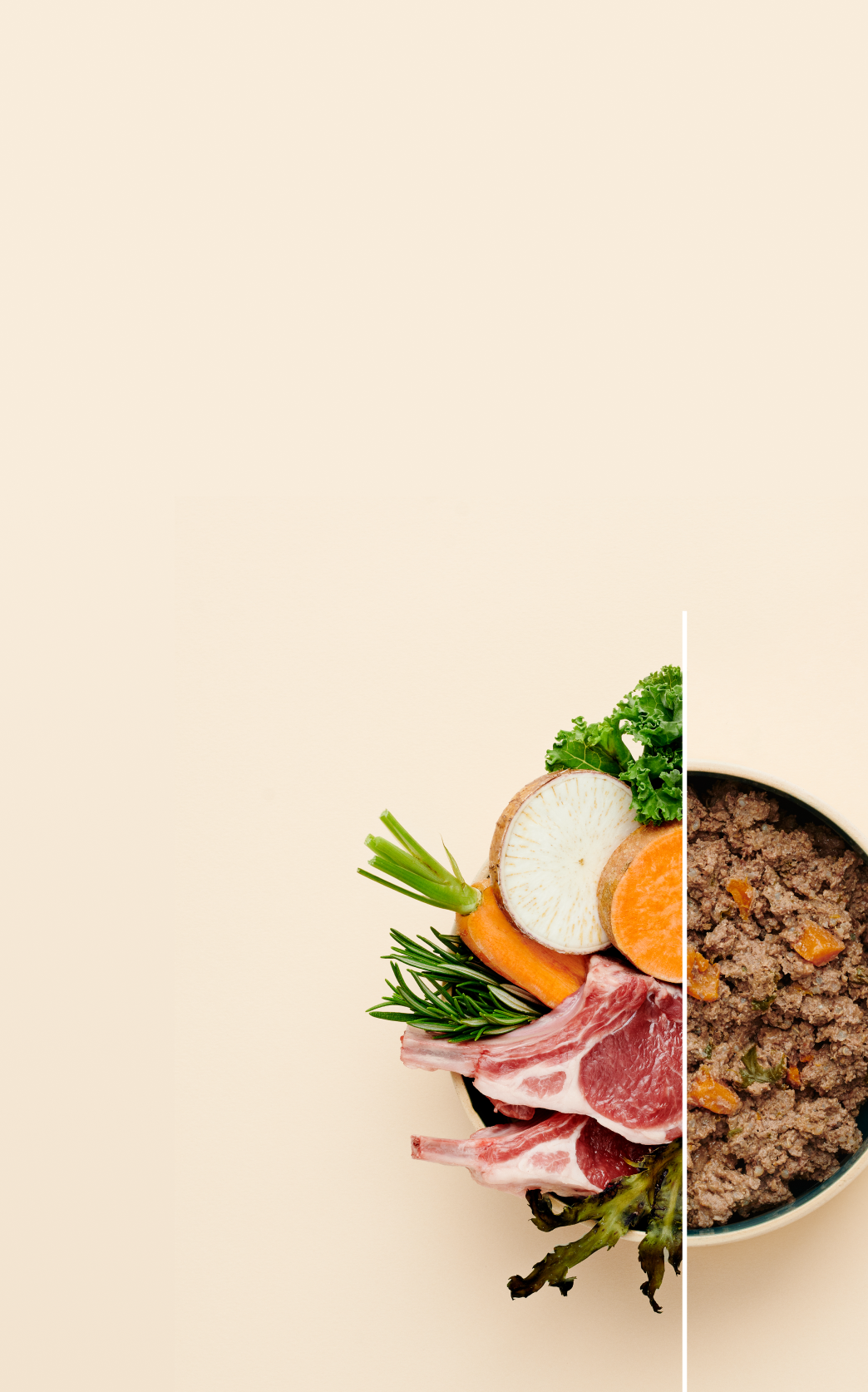
Freshly prepared British beef, veggies & superfoods
What protein is best for a Jamthund?
Beef and lamb are the strongest starting points for most Jamthunds - both provide a complete amino acid profile suited to maintaining muscle mass in a large, active breed, and both are well-tolerated proteins in dogs without pre-existing sensitivities. Salmon is the most nutritionally complete choice for Jamthunds with any history of joint stiffness or coat dullness, delivering clean protein alongside EPA and DHA omega-3 fatty acids that directly address the breed's main dietary priorities.
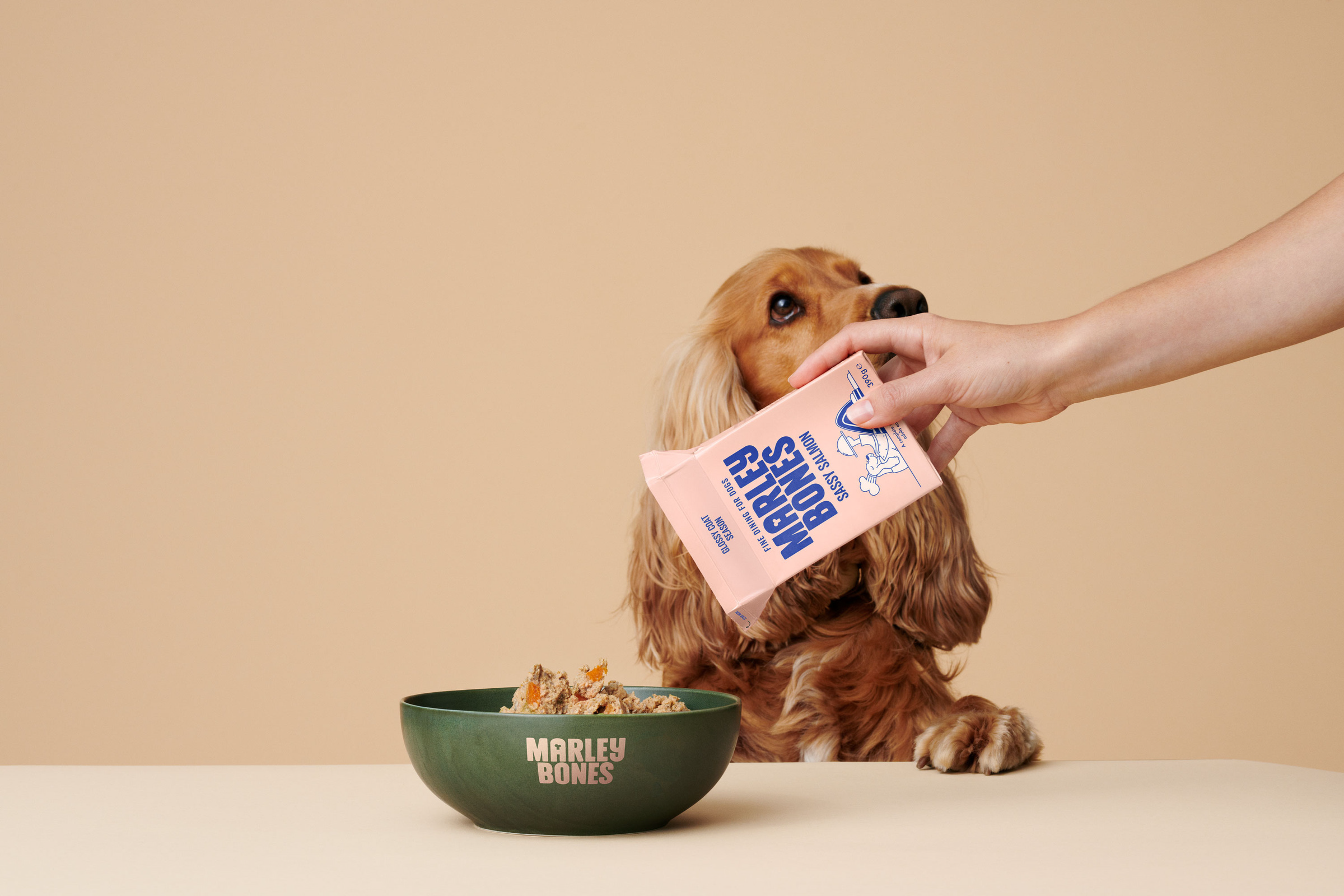
For dogs being transitioned from a long-term chicken-based diet, lamb or salmon are the more sensible alternatives. Proteins a dog has not eaten repeatedly are less likely to have triggered a low-grade sensitivity, and switching protein source tends to produce clearer results than switching brand when digestive or coat issues are present. Marleybones Sassy Salmon provides both the clean novel protein and the omega-3 support that a large working breed like the Jamthund benefits from - in a single-ingredient-led recipe with no fillers or artificial additives.
Single-protein meals make it straightforward to track what the dog tolerates and what improves their condition, which matters when managing a large breed where joint and skin changes are otherwise slow to attribute to specific dietary causes.
How much should I feed a Jamthund?
Adult Jamthunds typically weigh between 25 and 35kg, but daily calorie needs vary significantly depending on activity level. A working or highly active dog burns considerably more than a companion dog with two moderate walks a day, and treating them identically will leave one underfed and the other overweight. Starting portion sizes from a feeding guide is sensible - adjusting to body condition over six to eight weeks is essential.
The hands-on check is the most reliable tool: ribs should be easy to feel without pressing through fat, and there should be a visible waist when looking down from above. The Jamthund's dense double coat makes visual assessment unreliable - run your hands along the flanks regularly and adjust portions based on what you feel rather than what you see. Fresh food is more satiating than dry kibble at the same calorie count, so dogs switching from kibble often do well on a slightly lower nominal calorie amount without showing hunger.
Treats add up quickly in a breed this size - a high-value treat given to a 30kg dog delivers a meaningful fraction of their daily calorie budget. Factor them in and reduce the main meal accordingly rather than treating them as separate from the daily total.
Every dog is different - build your personalised Marleybones feeding and health plan tailored to your dog's age, size, and health requirements.
How do different dog food formats compare for Jamthunds?
| Format | Moisture content | Processing level | Verdict for Jamthunds |
|---|---|---|---|
| Fresh (Pantry Fresh) | 65-75% | Minimal - slow low-temperature cooking | Best option - whole ingredients, supports joint health, hydration, and muscle maintenance |
| Raw | 65-75% | None | Works for some - bacterial load a consideration, requires careful preparation and sourcing at this size |
| Wet / canned | 75-85% | Moderate | Better than kibble - ingredient quality varies widely, check labels carefully for named protein sources |
| Cold pressed | Around 12% | Low - below extrusion temperatures | Reasonable middle ground - better protein retention than kibble, still lower moisture than fresh |
| Dry kibble | Around 10% | High - high-temperature extrusion | Lowest moisture and protein quality - least suitable for a large active breed with joint and hydration needs |
FAQs
How often should I feed my Jamthund?
Twice daily is the right approach for adult Jamthunds - morning and evening in roughly equal portions. For a large, deep-chested breed with a bloat risk, splitting the daily ration across two meals is not just a digestive preference but a genuine safety measure. Avoid exercise for at least an hour before and after feeding.
My Jamthund is stiff after walks - can diet help?
Diet is one of the most practical tools for managing joint inflammation in a large working breed. Omega-3 fatty acids from oily fish - EPA and DHA specifically - reduce the inflammatory response in connective tissue and joints. A meal built around salmon provides these naturally, and targeted joint supplements can add further support where stiffness is persistent. Persistent or worsening joint stiffness warrants a vet assessment to rule out conditions that need clinical management alongside dietary support.
Is grain-free food better for a Jamthund?
Not automatically. Grains are not inherently problematic - the issue is usually cheap grain fillers used in bulk to pad out a heavily processed food with minimal nutritional value. Whole grains like brown rice or oats in a fresh, minimally processed recipe are digested differently to the refined grain fractions used in low-quality kibble. Grain-free foods that substitute large quantities of peas or lentils are not automatically better and carry their own nutritional considerations.
Does a Jamthund need more food when working or exercising heavily?
Yes, significantly. A Jamthund in active work - or one covering substantial distance daily - can require 30-50% more calories than the same dog at rest. Increase portions gradually during periods of high activity, monitor body condition closely, and scale back when activity reduces. Feeding a working Jamthund on companion-dog portions leads to muscle loss and poor stamina; feeding a retired or less active dog on working portions leads to obesity and joint strain.
Is Marleybones Pantry Fresh good for Jamthunds?
Yes. Marleybones Pantry Fresh meals are vet-developed, built from whole ingredients with no artificial preservatives or fillers, and available in recipes that suit the protein and omega-3 requirements of a large active breed. With over 2,000,000 meals delivered and a 4.9/5 Trustpilot rating, Sassy Salmon is particularly well-suited to Jamthunds - providing clean protein alongside natural EPA and DHA for joint and coat support, in a format that delivers the moisture and digestibility a dog this size genuinely benefits from.
How do I transition my Jamthund to fresh food?
Transition gradually over seven to ten days, starting with roughly 25% fresh food mixed with the current diet and increasing the proportion every two to three days. Large breeds are not inherently more sensitive to dietary transitions than smaller dogs, but the volume involved makes any digestive disruption more noticeable. If stools loosen significantly at any stage, hold at that ratio for a few extra days before continuing.
What should I look for on the ingredient label of a Jamthund food?
A named animal protein - beef, lamb, salmon - should appear first on the ingredient list. Fat should come from an identifiable source rather than listed as generic "animal fat". For a breed where joint health and coat condition are priorities, a natural source of omega-3 fatty acids is worth looking for specifically. The gap between a label that sounds good and one that actually delivers is most visible in how the protein is sourced and processed - whole muscle meat behaves very differently in the body to rendered meal.

Freshly prepared British chicken, veggies & superfoods


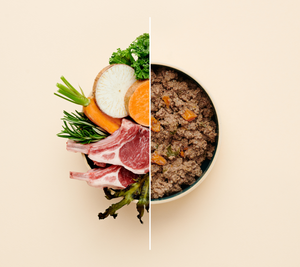 Give your dog the quality nutrition they deserve
Real meat, wholesome veggies and functional superfoods.
Get 30% off: Take the quiz