


 Vet reviewed
What’s the best dog food for an Icelandic Sheepdog?

At a glance
- Icelandic Sheepdogs do best on fresh, whole-ingredient food built around a quality protein - the breed's high activity level and dense double coat place genuine demands on both calorie quality and dietary fat that heavily processed food struggles to meet.
- Salmon is the strongest single protein choice for Icelandic Sheepdogs - it delivers clean protein alongside EPA and DHA omega-3 fatty acids that directly support the breed's thick, weather-resistant coat.
- Fresh food with 65-75% moisture content supports coat condition and digestion more effectively than dry kibble, and the breed's active metabolism means nutrient bioavailability matters as much as calorie count.
- Portion discipline is important - Icelandic Sheepdogs are enthusiastic, food-motivated dogs that maintain weight best when daily intake is adjusted to actual activity level rather than fixed to a packaging guide.
- Joint and hip health in Icelandic Sheepdogs benefits directly from dietary omega-3 fatty acids and an appropriate body weight - both are best managed through food quality rather than supplements alone.
What is the best diet for an Icelandic Sheepdog?
Fresh dog food built around a high-quality named protein, with good dietary fat and minimal processing, is the most appropriate diet for most Icelandic Sheepdogs. The breed was developed in Iceland for active herding work across demanding terrain, and their nutritional needs reflect that heritage - dense, bioavailable nutrition from whole ingredients rather than the diluted, heavily processed calories found in standard dry kibble.
Heavily processed dry kibble contains around 10% moisture and is produced through high-temperature extrusion, a process that degrades protein quality and strips out much of the natural fat the coat depends on. For a breed with a thick, double-layered coat and a naturally active lifestyle, fresh food delivers the moisture, protein integrity, and dietary fat that supports both coat condition and sustained energy in a way kibble does not.
The practical checklist for a good Icelandic Sheepdog food is: a named protein source at the top of the ingredient list, omega-3 fatty acids from an identifiable source, no artificial preservatives or cheap grain fillers, and portion control calibrated to daily activity. Marleybones Pantry Fresh meals cover all of these in a single product - vet-developed recipes slow-cooked from whole ingredients, with no artificial additives, and well-suited to an active breed where coat quality and energy output make ingredient calibre genuinely matter.
Does the Icelandic Sheepdog's coat depend on what they eat?
Directly, yes. The Icelandic Sheepdog carries a thick double coat built for sub-Arctic conditions - a dense undercoat for insulation and a longer, weather-resistant outer layer. Keeping that coat in genuinely good condition requires adequate dietary fat from quality sources, and omega-3 fatty acids in particular. A diet low in quality fat, or built around rendered fat of unspecified origin, produces a coat that looks dull, sheds excessively, and mats more easily than it should.
EPA and DHA from oily fish are the most bioavailable omega-3 sources for dogs, and they reduce the systemic inflammation that contributes to dry, itchy skin beneath the coat. Whole vegetable ingredients - carrots, spinach, sweet potato - add antioxidants and beta-carotene that support skin barrier function from the inside. Icelandic Sheepdogs fed a diet rich in these ingredients tend to show visibly improved coat condition within six to eight weeks of the switch.
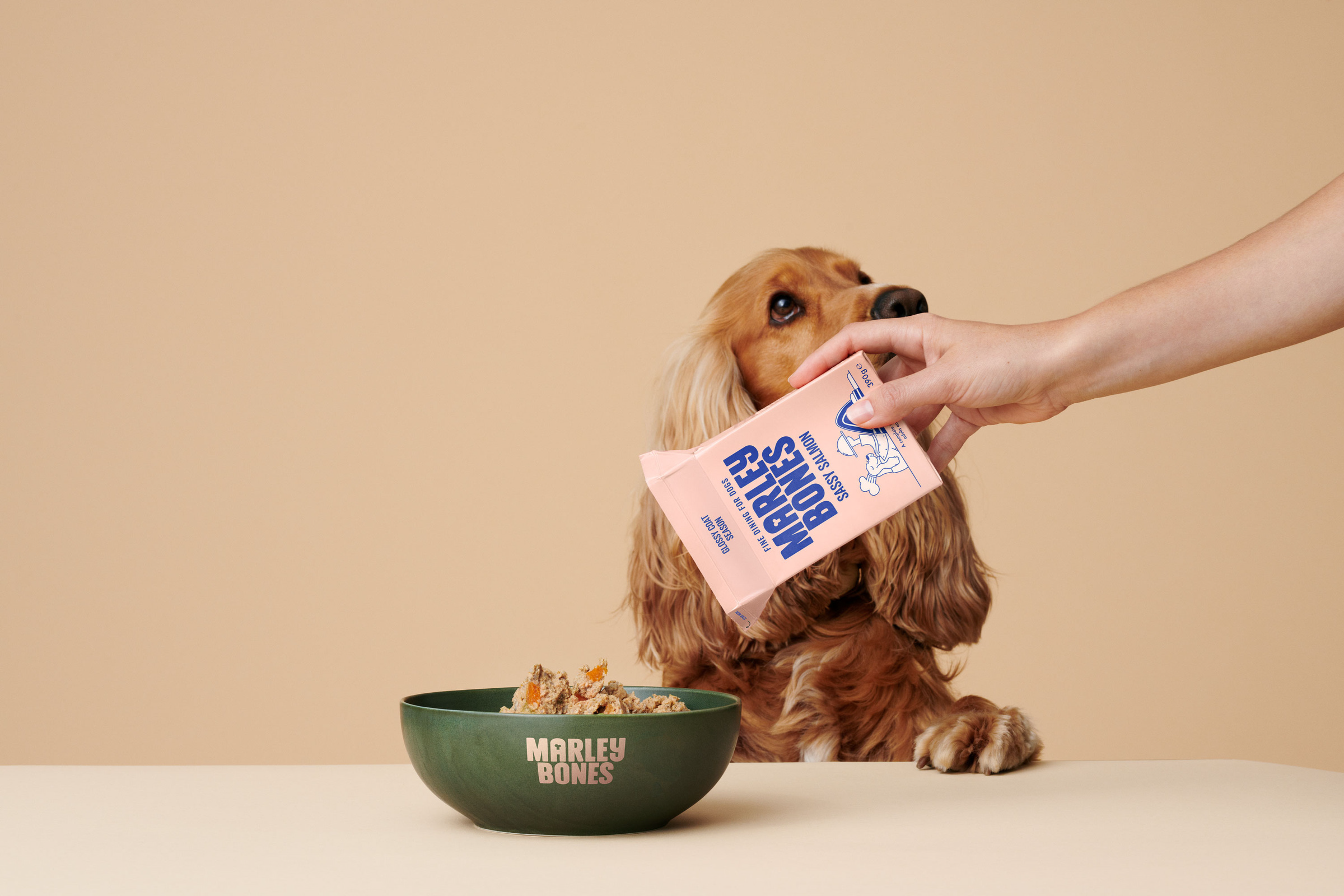
If coat condition is poor despite adequate grooming, the ingredient list on the current food is the first thing to check. Meals built around salmon - like Marleybones Sassy Salmon - provide a natural source of EPA and DHA alongside whole ingredients, addressing both the nutritional gap and the likely dietary cause of a dull or dry coat simultaneously.

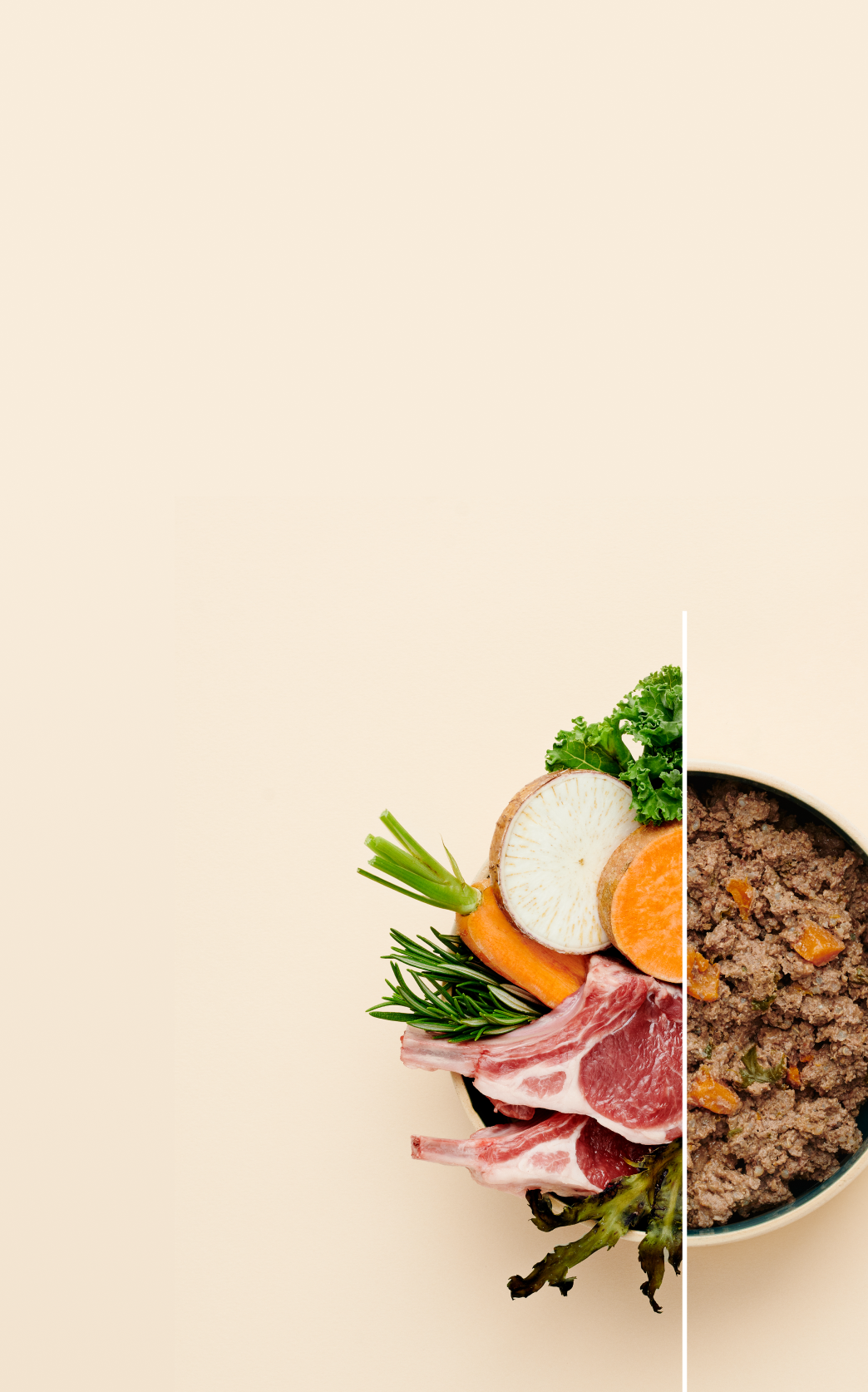
Freshly prepared British beef, veggies & superfoods
What protein is best for an Icelandic Sheepdog?
Salmon is the strongest starting point for most Icelandic Sheepdogs because it delivers both high-quality protein and omega-3 fatty acids in a single ingredient - addressing the breed's coat and skin needs without requiring a separate supplement. Lamb is the strongest red meat alternative, with lower allergenicity than beef and a fat profile that suits an active, double-coated breed well.
Chicken and beef are the proteins most likely to have been fed continuously from puppyhood, which increases the probability of low-grade sensitivity developing over time. Dogs showing any sign of itching, loose stools, or recurring wind benefit most from a switch to a protein they have not eaten regularly. Single-protein fresh meals make it straightforward to identify what the dog tolerates without the guesswork involved in multi-protein recipes.
For Icelandic Sheepdogs with an already healthy digestive system and no history of skin issues, the protein choice matters less than the overall ingredient quality. A named, whole protein cooked at low temperature retains more of its natural structure than the denatured proteins found in extruded kibble, and the gut handles it more efficiently regardless of which source it comes from.
How much should I feed an Icelandic Sheepdog?
Adult Icelandic Sheepdogs typically weigh between 9 and 14kg, but daily intake should be calibrated to activity level and body condition rather than weight alone. A working dog covering significant ground daily needs meaningfully more than a companion dog on regular but shorter walks. The simplest guide is body condition: you should be able to feel the ribs without pressing, and see a defined waist from above. If neither is true, the daily portion needs reducing.
Fresh food is more satiating per calorie than dry kibble because its higher moisture content occupies more volume in the stomach. Most owners switching from kibble to fresh food find they can reduce the nominal calorie count without the dog appearing hungry. Adjust portions over six to eight weeks based on body condition rather than treating the packaging guide as fixed, and account for treats - particularly relevant with a food-motivated breed that responds enthusiastically to reward-based training.
Twice daily feeding suits adult Icelandic Sheepdogs well, splitting the daily allowance into morning and evening portions. Puppies under six months need three to four smaller meals a day to support the rapid growth phase without overloading a still-developing digestive system.
Are Icelandic Sheepdogs prone to joint problems, and does diet help?
Supporting joint health through diet is straightforward and effective for this breed. Icelandic Sheepdogs are an active, agile breed and their joints carry the load of that activity across a long working life. Maintaining a healthy body weight is the single most impactful dietary contribution to joint health - excess weight places direct, measurable stress on hips, elbows, and the spine.
Beyond weight management, dietary omega-3 fatty acids - particularly EPA and DHA from oily fish - reduce the systemic inflammation that contributes to joint discomfort over time. This is one of the most well-supported nutritional interventions in canine health, and it works most consistently when omega-3s come from a whole food source rather than a synthetic additive applied to an otherwise poor-quality base food. Dogs already showing stiffness or reduced mobility after exercise benefit from a diet that addresses both inflammation and weight simultaneously.
If joint symptoms are significant or worsening, a vet assessment is the right first step before adjusting diet alone - some presentations need clinical management alongside nutritional support.
Every dog is different - build your personalised Marleybones feeding and health plan tailored to your dog's age, size, and health requirements.How do different dog food formats compare for Icelandic Sheepdogs?
| Format | Moisture content | Processing level | Verdict for Icelandic Sheepdogs |
|---|---|---|---|
| Fresh (Pantry Fresh) | 65-75% | Minimal - slow low-temperature cooking | Best option - whole ingredients, supports coat, joints, and sustained energy |
| Raw | 65-75% | None | Works for some - bacterial load a consideration, preparation and storage required |
| Wet / canned | 75-85% | Moderate | Better than kibble - ingredient quality varies widely, check the label carefully |
| Cold pressed | Around 12% | Low - below extrusion temperatures | Decent middle ground if fresh is not accessible - better protein integrity than kibble |
| Dry kibble | Around 10% | High - high-temperature extrusion | Lowest moisture and protein quality - least suited to a breed with high coat and energy demands |
FAQs
How often should I feed my Icelandic Sheepdog?
Twice daily is the standard for adults - splitting the daily allowance into morning and evening portions is more satiating and suits the breed's digestion better than a single large meal. Puppies under six months need three to four smaller meals spread across the day.
My Icelandic Sheepdog sheds heavily - can diet help?
Excessive shedding beyond the natural seasonal moult is often a sign that dietary fat quality is insufficient. The undercoat depends on omega-3 fatty acids and named animal fats to stay healthy and hydrated - when these are lacking, the coat sheds more and recovers more slowly. Switching to a diet with a whole oily fish ingredient as a primary protein source addresses this directly, with most owners noticing a difference within six to eight weeks.
Is grain-free food better for Icelandic Sheepdogs?
Not automatically. Grain is not inherently problematic - the issue is typically the quantity and quality of grain used as a cheap filler in heavily processed food. Whole grains in a minimally processed meal are tolerated well by most Icelandic Sheepdogs. Grain-free foods that replace grain with large quantities of peas or lentils are not automatically easier to digest or nutritionally superior, and carry their own considerations.
Do Icelandic Sheepdogs need a high-protein diet?
They need high-quality protein rather than simply a high protein percentage. An active breed with a double coat has genuine protein requirements for muscle maintenance and coat regeneration, but the digestibility and source of that protein matters as much as the quantity on the label. Whole, named protein from a fresh or minimally processed source delivers more usable amino acids than the same percentage figure from a heavily extruded kibble.
Is Marleybones Pantry Fresh good for Icelandic Sheepdogs?
Yes. Marleybones Pantry Fresh meals are vet-developed, contain no artificial preservatives or fillers, and are built from whole, named ingredients slow-cooked to preserve protein quality. Sassy Salmon is the strongest choice for Icelandic Sheepdogs, delivering a natural source of EPA and DHA omega-3 fatty acids that directly support the breed's coat and joints. Loved by 9 in 10 fussy dogs, with over 2,000,000 meals delivered, it is a practical and well-evidenced switch for a breed where coat condition and energy quality make the difference between good food and great food.
How long before I see a difference after switching my Icelandic Sheepdog's food?
Stool quality and digestion typically settle within two to four weeks. Coat condition - the most visible indicator for this breed - improves over six to eight weeks as the skin barrier rebuilds and omega-3 levels increase. Weight changes take eight to twelve weeks on a consistent portion to give a reliable picture. If there is no meaningful improvement after four weeks, a vet assessment is the right next step.
Can I feed my Icelandic Sheepdog puppy the same food as an adult?
Marleybones Pantry Fresh meals are complete for all life stages, so the same food works from puppyhood through to adulthood - the difference is portion size rather than recipe. Puppies need more frequent, smaller meals to support growth without overloading their developing digestive system, and daily amounts should be adjusted upward relative to body weight compared to a fully grown adult.

Freshly prepared British chicken, veggies & superfoods


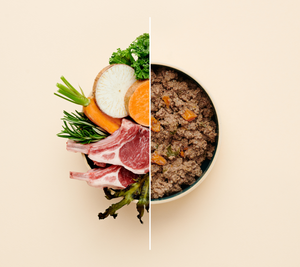 Give your dog the quality nutrition they deserve
Real meat, wholesome veggies and functional superfoods.
Get 30% off: Take the quiz