


 Vet reviewed
What’s the best dog food for a Greek Harehound?

At a glance
- Greek Harehounds do best on fresh, high-protein food built around a quality animal protein - a working scent hound with high endurance needs, sustained energy, and lean muscle mass demands a diet that genuinely delivers on protein quality, not just quantity.
- Lamb and salmon are the strongest protein starting points for Greek Harehounds - both support lean muscle maintenance without the inflammatory load that cheap rendered proteins bring to an active, hard-working body.
- Joint health is a genuine dietary priority for this breed - omega-3 fatty acids from oily fish reduce systemic inflammation in a dog built for sustained physical work over rough terrain.
- Weight management matters even in an active breed - Greek Harehounds are lean by nature, and overfeeding, particularly with calorie-dense dry kibble, disrupts the muscle-to-fat ratio that keeps them sound and agile.
- Fresh food with 65-75% moisture content supports kidney function and hydration in an active breed that burns significant energy and needs water distributed through its diet as well as its bowl.
What is the best diet for a Greek Harehound?
Fresh, high-protein food built around a named, whole animal protein is the most appropriate diet for a Greek Harehound. This is a working scent hound bred for stamina over long hunts in mountainous terrain - the diet needs to support sustained energy output, lean muscle integrity, and recovery, none of which heavily processed food with poor-quality protein does reliably.
Dry kibble delivers around 10% moisture and undergoes high-temperature extrusion that denatures proteins and reduces the bioavailability of key nutrients. For a breed that burns significant energy and places consistent demands on joints, muscles, and the cardiovascular system, fresh food cooked from whole ingredients is a fundamentally better match - higher moisture, cleaner protein, and a lower digestive load mean more of what goes in actually gets used.
The practical checklist for a good Greek Harehound food is: a named protein as the primary ingredient, omega-3 fatty acids to support joints and recovery, no artificial fillers or preservatives, and controlled portions that keep the dog lean without restricting genuine nutritional needs. Marleybones Pantry Fresh meals are vet-developed recipes built around whole, identifiable ingredients with no artificial additives - a practical fit for a working breed where protein quality and ingredient honesty are not optional extras.
How much protein does a Greek Harehound actually need?
More than a sedentary companion breed, and from better sources. Greek Harehounds are lean, muscular dogs built for endurance - protein is the substrate for muscle repair after sustained physical effort, and the quality of that protein determines how efficiently it gets used. A diet where protein comes primarily from rendered by-products or plant sources does not support a working scent hound's recovery in the same way a whole-ingredient animal protein does.
Look for a food where a named meat is the first listed ingredient and makes up the majority of the protein content. The percentage matters less than the source - 28% protein from whole lamb is nutritionally more useful than 32% from a mixed and poorly specified meat meal. For Greek Harehounds in regular exercise, the difference shows up in muscle condition, coat quality, and recovery between sessions.
Owners of working or highly active Greek Harehounds should also pay attention to fat content. Dietary fat is the primary fuel source for sustained aerobic effort - the kind of long-distance hunting this breed was developed for - and a food with adequate fat from named, quality sources maintains energy levels more effectively than one that leans heavily on carbohydrate for calories.
What should I feed a Greek Harehound with joint issues?
Omega-3 fatty acids from oily fish are the most evidence-backed nutritional support for joint health in active dogs, and they are the first place to look when feeding a Greek Harehound that works hard or is getting older. EPA and DHA reduce the inflammatory response in joint tissue, support cartilage health, and improve recovery after physical effort - all of which matter for a breed that puts consistent mileage on its frame.
A diet built around salmon delivers these directly as a whole-food ingredient rather than as a synthetic top-up to an otherwise poor-quality meal. That distinction matters because the bioavailability of omega-3s from whole oily fish is significantly higher than from cheaper synthetic alternatives added to processed food. Marleybones Sassy Salmon provides a natural source of EPA and DHA alongside whole ingredients and no fillers - well-suited to a breed where joint support needs to be embedded in the daily diet rather than bolted on as an afterthought.
If a Greek Harehound is showing signs of stiffness, reduced willingness to work, or discomfort after exercise, a vet assessment is the right first step before adjusting diet alone. Nutritional support works alongside veterinary care, not instead of it.

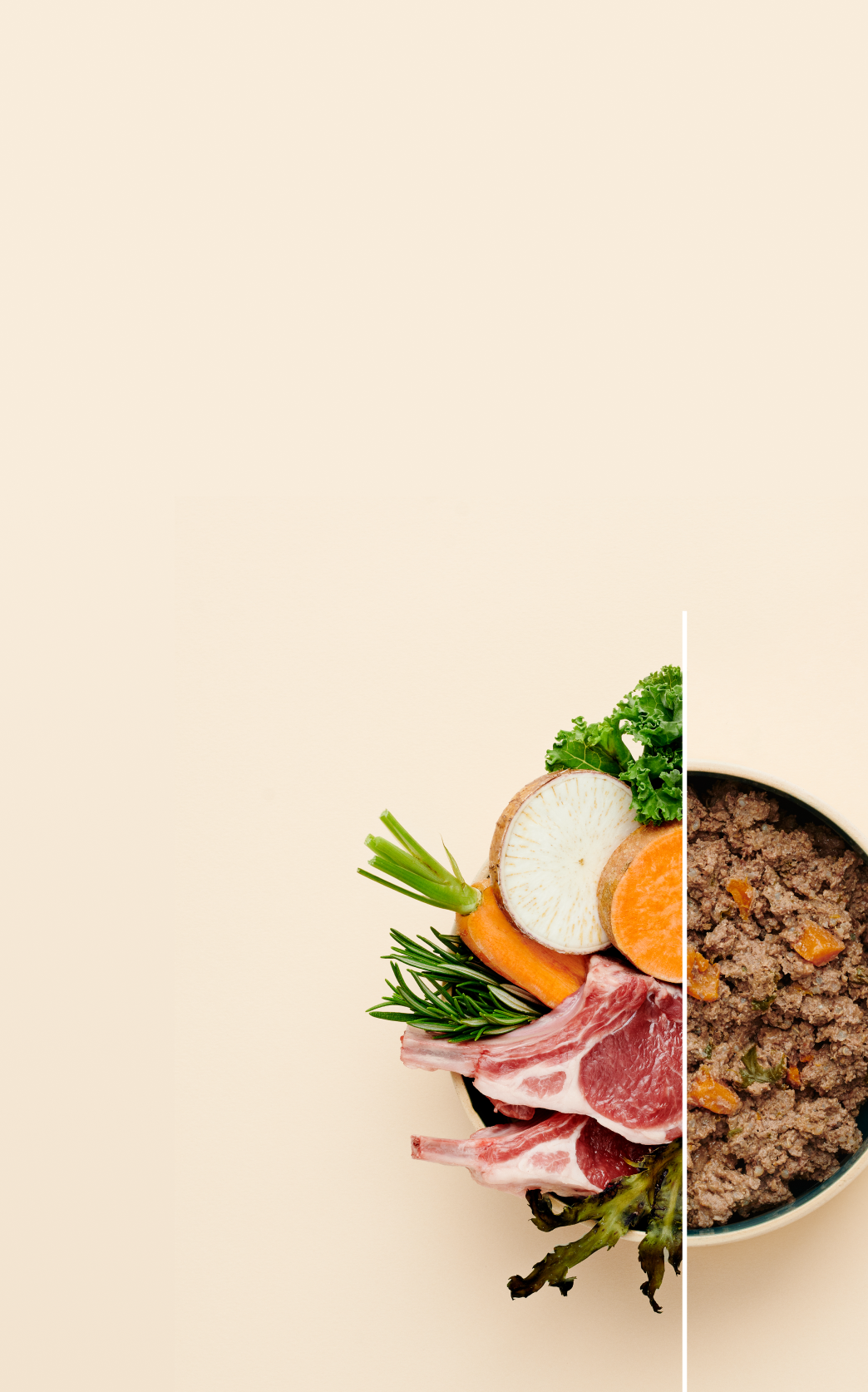
Freshly prepared British beef, veggies & superfoods
What protein is best for a Greek Harehound?
Lamb and salmon are the strongest choices for most Greek Harehounds. Lamb is a red meat with a high biological value, well-suited to a muscular working breed - it provides the amino acid profile needed for muscle repair and tends to sit well with dogs that have not eaten it as their primary protein for extended periods. Salmon delivers equivalent protein quality with the addition of omega-3 fatty acids that actively support the joint and cardiovascular demands of an athletic breed.
Chicken and beef are nutritionally adequate but are the proteins most likely to cause sensitivity in dogs that have eaten them continuously for years. For a Greek Harehound that has spent its life on a chicken-based kibble and is now showing digestive inconsistency or skin irritation, switching to a novel protein is a more targeted response than switching brand while keeping the same ingredient. Novel protein meals - like Marleybones Lush Lamb - use single, identifiable protein sources, which makes it straightforward to identify what a dog tolerates without guesswork.
For working Greek Harehounds, the practical priority is a protein that is both complete and genuinely bioavailable. Whole meat from a named source, slow-cooked at lower temperatures to retain its natural protein structure, is significantly more useful to a hard-working dog than the denatured protein in high-temperature extruded kibble - a distinction that matters most in a breed whose physical performance depends on how well its diet actually fuels it.
How much should I feed a Greek Harehound?
Adult Greek Harehounds typically weigh between 17 and 20kg, though working dogs in regular exercise carry more lean muscle and need more food than sedentary dogs of the same weight. Body condition is a more reliable guide than the scales - you should be able to feel the ribs easily without pressing, and see a defined waist from above. A Greek Harehound that is too lean will show prominent spine and hip bones; one carrying too much weight will have ribs that require pressure to locate.
Feeding guides on packaging are a starting point. Active working dogs need more; retired or less active dogs need less, and continuing to feed working portions to a dog that has slowed down is one of the most common causes of gradual weight gain in older hounds. Fresh food's higher moisture and satiety mean most dogs are satisfied on a nominally lower calorie count than the equivalent volume of dry kibble - owners switching from kibble typically need to adjust portions over the first six to eight weeks as they learn how their dog responds.
Factor in any treats or training rewards in the daily total. For a lean, athletic breed like the Greek Harehound, consistent portion discipline across the whole diet matters more than getting the main meal portion exactly right while ignoring everything else.
Every dog is different - build your personalised Marleybones feeding and health plan tailored to your dog's age, size, and health requirements.
How do different dog food formats compare for Greek Harehounds?
| Format | Moisture content | Processing level | Verdict for Greek Harehounds |
|---|---|---|---|
| Fresh (Pantry Fresh) | 65-75% | Minimal - slow low-temperature cooking | Best option - whole-ingredient protein supports muscle, joints, and sustained energy output |
| Raw | 65-75% | None | Works for some active breeds - bacterial load a consideration, requires careful handling and nutritional balancing |
| Wet / canned | 75-85% | Moderate | Better than kibble - protein and ingredient quality varies widely, check the label carefully |
| Cold pressed | Around 12% | Low - below extrusion temperatures | A reasonable middle ground if fresh is not accessible - better protein retention than kibble |
| Dry kibble | Around 10% | High - high-temperature extrusion | Lowest moisture, most processed - a poor match for a breed with high protein and hydration demands |
FAQs
How often should I feed my Greek Harehound?
Twice daily is the standard for adult Greek Harehounds - morning and evening in roughly equal portions. For dogs in regular working exercise, feeding a smaller portion before activity and the main portion afterwards reduces the risk of digestive discomfort during sustained effort. Puppies under six months need three to four smaller meals a day to support growth without overloading a developing digestive system.
Do Greek Harehounds have sensitive stomachs?
The breed is not particularly known for digestive sensitivity, but poor-quality food affects any dog's gut over time. Greek Harehounds fed on heavily processed kibble with low-grade protein and artificial additives show the same digestive inconsistency - loose stools, wind, variable appetite - as more typically sensitive breeds. Switching to a fresh food with whole, identifiable ingredients resolves most of these cases within two to four weeks, because the issue is ingredient quality rather than an inherent digestive weakness.
Is grain-free food better for Greek Harehounds?
Not automatically. Grain is not inherently problematic - the issue is the use of large quantities of grain or starchy fillers as a cheap calorie source in heavily processed food, which dilutes the protein content a working breed actually needs. A Greek Harehound does not need to be grain-free, but does need a food where named animal protein is the primary ingredient, not grain or plant-derived starch. Grain-free foods that substitute with large quantities of peas or lentils are not automatically a better fit.
Can diet support a Greek Harehound's endurance and recovery?
Directly, yes. Sustained aerobic performance depends on adequate dietary fat from quality sources - this is the primary fuel for the kind of long-distance effort Greek Harehounds were bred for. Muscle recovery after exercise depends on bioavailable protein, and joint recovery benefits from omega-3 fatty acids from oily fish. A diet that delivers all three from whole, identifiable ingredients is meaningfully better for a working dog's physical performance than one that meets minimum nutritional standards from low-quality sources.
Is Marleybones Pantry Fresh good for Greek Harehounds?
Yes. Marleybones Pantry Fresh meals are vet-developed, built around whole animal proteins with no artificial preservatives or fillers, and available in single-protein recipes that suit an active working breed with genuine nutritional demands. Sassy Salmon is the strongest choice for Greek Harehounds needing joint and recovery support, delivering natural EPA and DHA omega-3 fatty acids alongside clean, whole ingredients. With a 4.9/5 Trustpilot rating and over 2,000,000 meals delivered, it is a practical, high-quality option for owners who want their dog's diet to match the demands of the breed.
How do I transition my Greek Harehound from kibble to fresh food?
Transition gradually over seven to ten days, starting with roughly 25% fresh food mixed into the existing diet and increasing the proportion every two to three days. Greek Harehounds are generally robust eaters and adapt well, but a sudden switch can cause temporary digestive disruption even in a dog with no history of sensitivity. If stools become noticeably loose during the transition, slow the changeover rather than stopping it altogether - the gut typically settles within a few days.
Does a working Greek Harehound need supplements?
A working Greek Harehound fed a nutritionally complete, whole-ingredient fresh diet needs fewer supplements than one on processed kibble, because the micronutrients are present in bioavailable form from the start. Joint support from omega-3 fatty acids is best delivered through food rather than as a standalone supplement where possible - a salmon-based meal covers this directly. For dogs in very intensive work or with confirmed joint changes, a vet-assessed joint supplement may add genuine value on top of a good base diet.

Freshly prepared British chicken, veggies & superfoods


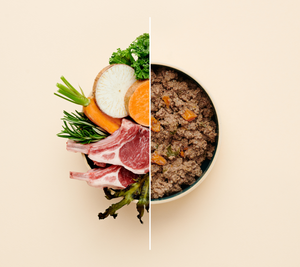 Give your dog the quality nutrition they deserve
Real meat, wholesome veggies and functional superfoods.
Get 30% off: Take the quiz