



Best Dog Food for Ear Infections (Non-Breed)

At a glance
- Food allergies and intolerances are linked to a significant proportion of chronic, recurring ear infections in dogs.
- Chicken, beef, dairy and wheat are the most commonly identified trigger ingredients in canine food allergy cases.
- An elimination diet using a novel or hydrolysed protein source is the only reliable way to confirm a food-related ear infection.
- Omega-3 fatty acids help regulate the inflammatory response that keeps ear tissue swollen and vulnerable to infection.
- Persistent, worsening or smelly ear infections need veterinary diagnosis, since yeast, bacteria, mites and anatomy all play a role alongside diet.
Can diet actually cause ear infections in dogs?
Yes. Diet is one of the most common underlying causes of recurring ear infections in dogs, particularly when both ears are affected and the problem returns after antibiotic treatment. When a dog has a food allergy or intolerance, the immune system overreacts to a specific protein, most often a common one like chicken or beef. This reaction triggers inflammation throughout the body, and the skin lining the ear canal is especially sensitive to it. Inflamed, swollen ear canals create a warm, moist environment where yeast and bacteria multiply fast, leading to the itching, redness, odour and discharge that define an ear infection.
Vets estimate that food allergies account for a meaningful share of chronic otitis externa cases (the medical term for outer ear infection), especially in dogs with no history of seasonal allergies. If your dog is also licking their paws, has red skin folds, or gets recurring skin infections alongside ear problems, food is a strong suspect. You can find a broader breakdown of how nutrition connects to conditions like this on the diet and health conditions hub.
Which ingredients are most likely to trigger ear infections?
Beef, dairy, chicken and wheat cause the majority of diagnosed food allergies in dogs, and these are also the most common triggers behind allergy-related ear infections. This isn't because these ingredients are inherently bad. It's because they appear in almost every commercial dog food, so dogs are exposed to them repeatedly over years, which raises the chance of the immune system developing a reaction. Lamb, fish, and less common proteins like duck or venison trigger allergic reactions far less often, simply because dogs eat them less frequently.
| Ingredient | Allergy frequency in dogs | Common alternative |
|---|---|---|
| Beef | High | Lamb, venison, fish |
| Dairy | High | None needed, avoid entirely |
| Chicken | Moderate to high | Salmon, lamb, duck |
| Wheat | Moderate | Grain-free or novel carbohydrates |
| Egg | Low to moderate | Remove and monitor |
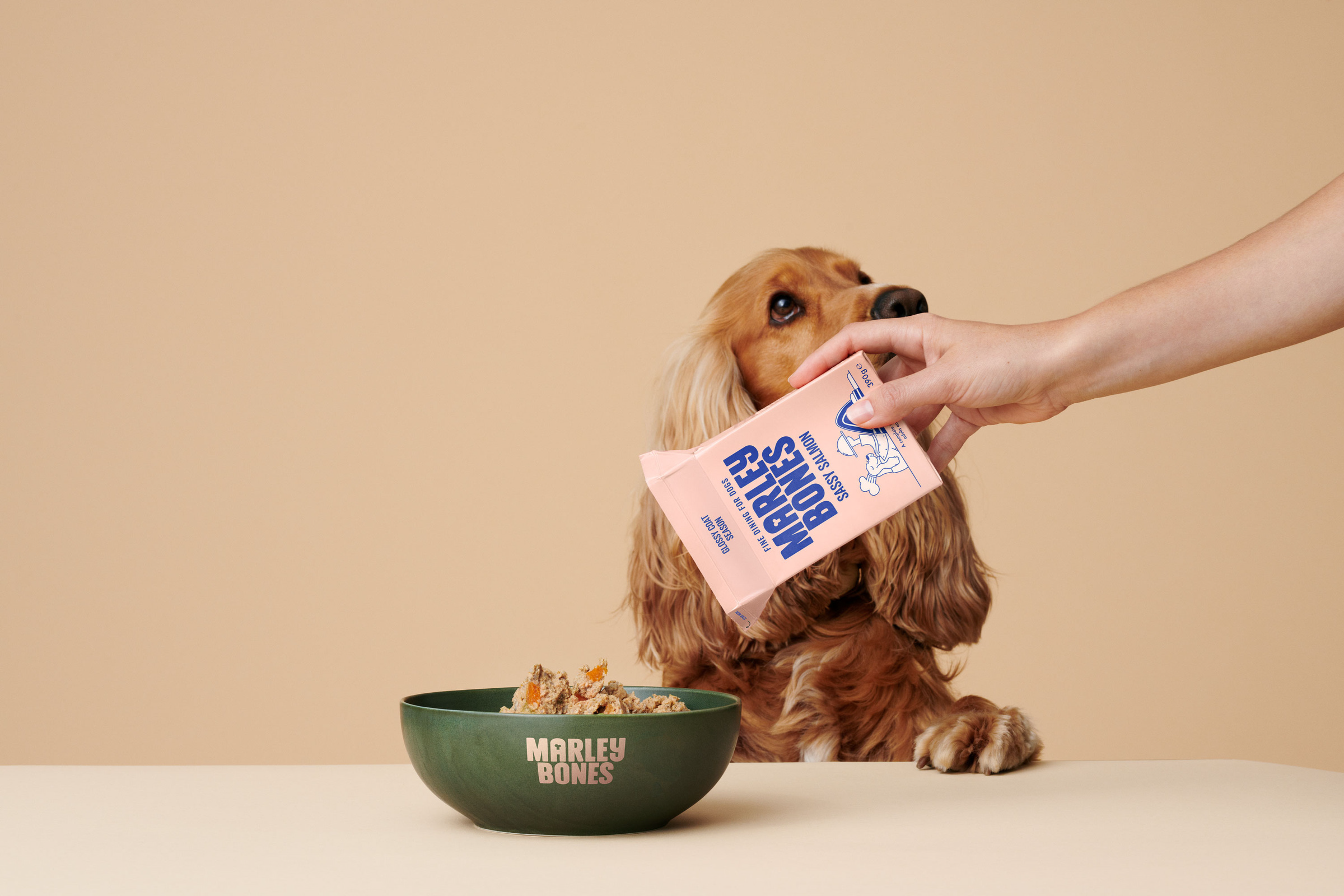
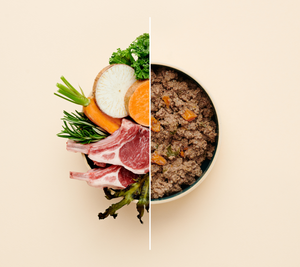
Marleybones offers four single-protein recipes, including Lush Lamb and Sassy Salmon, which makes it straightforward to remove chicken and beef from a dog's diet without cutting out other food groups unnecessarily.
How do you identify a food-related ear infection?
An elimination diet trial is the only reliable way to confirm whether food is causing your dog's ear infections. This means feeding a single novel protein and a single carbohydrate source, one your dog has never eaten before, for a strict 8 to 12 week period with absolutely no other treats, table scraps or flavoured medications. If ear symptoms clear up during the trial and return when the original food is reintroduced, that confirms the diagnosis. Skin and blood allergy tests are notoriously unreliable for food allergies and shouldn't replace an elimination trial.
During an elimination trial, consistency matters more than the specific brand chosen. Fresh food formats make this easier to manage because ingredient lists are shorter and more transparent than in many processed foods. If your dog is also dealing with digestive symptoms during this process, the guide on choosing food for sensitive stomachs covers how to manage both issues together.
What nutrients help support ear health beyond avoiding allergens?
Omega-3 fatty acids, found in fish oil and linseed, help calm the inflammatory response that keeps ear canals swollen and prone to infection. A diet with a good balance of omega-3 to omega-6 fats supports healthier skin barrier function throughout the body, including inside the ear canal, making it harder for yeast and bacteria to take hold. Zinc and vitamin E also contribute to skin and immune resilience, though neither replaces the need to remove the trigger ingredient first.
Marleybones recipes include linseeds as one of five superfoods across the range, alongside quinoa, chia seeds, hemp seeds and chicory root, contributing to the omega balance that supports skin and coat condition. This won't resolve a food allergy on its own, but it supports the skin's ability to recover once the trigger ingredient is removed. If your dog's ear infections are one part of a wider pattern of itchy skin, it's worth reading the dedicated guide to dog food for itchy skin and allergies, since the two conditions frequently overlap and share the same dietary fixes.
When should you see a vet about ear infections?
See a vet if ear infections recur more than twice in six months, if there's a strong odour or dark discharge, or if your dog is shaking their head, scratching constantly, or shows signs of pain when you touch their ears. A vet needs to rule out ear mites, foreign objects, anatomical issues (especially in dogs with narrow or hairy ear canals), and underlying conditions like hypothyroidism before diet changes alone can be trusted to solve the problem. Chronic, untreated ear infections can lead to permanent damage to the ear canal and eardrum, so early diagnosis matters.
Every dog is different, and food sensitivities vary widely even within the same breed. Every dog is different, build your personalised Marleybones feeding and health plan tailored to your dog's age, size, and health requirements, which can help identify the right protein source alongside veterinary advice. A vet-guided elimination trial combined with a diet like Lush Lamb gives many dogs with food-triggered ear infections a genuine long-term fix rather than a temporary fix that wears off.

“Such a relief to see her enjoying her food”
FAQs
Can changing dog food stop recurring ear infections?
Changing food stops recurring ear infections when the underlying cause is a food allergy or intolerance. It won't help if the cause is ear mites, anatomy, or an unrelated bacterial or yeast overgrowth, which is why veterinary diagnosis matters before committing to a long elimination trial.
How long does it take for diet to improve ear infections?
Skin and ear improvements from removing a trigger ingredient typically appear within 8 to 12 weeks of starting a strict elimination diet. Some dogs show improvement sooner, but full confirmation requires completing the trial and reintroducing the original food to check symptoms return.
Is grain-free food better for dogs with ear infections?
Grain-free food only helps if the dog's allergy is specifically to a grain, such as wheat, which is less common than protein allergies. Removing grains without identifying the actual trigger rarely resolves recurring ear infections on its own.
Can puppies get food-related ear infections?
Yes, though it's less common. Food allergies can develop at any age, and puppies exposed early and repeatedly to common proteins like chicken or beef can develop sensitivities over time, sometimes emerging as young adults.
Does fish oil help with ear infections?
Fish oil supports skin and immune health through its omega-3 content, which helps reduce inflammation in the ear canal. It supports recovery alongside allergen removal, but doesn't replace the need to identify and eliminate the specific trigger ingredient.
“A complete game changer!!”


 Give your dog the quality nutrition they deserve
Real meat, wholesome veggies and functional superfoods.
Get 40% OFF today