




Best dog food for a Dalmatian with a sensitive stomach

At a glance
- Dalmatians have a genetic mutation that affects uric acid metabolism — they must avoid high-purine proteins like organ meat, game, and oily fish in large quantities
- Sensitive stomach symptoms in Dalmatians include loose stools, bloating, flatulence, and vomiting after meals
- Low-purine, easily digestible protein sources — chicken, lamb, and eggs — are the safest choices for this breed
- Prebiotic fibre (from ingredients like chicory root) feeds beneficial gut bacteria and supports consistent digestion
- Ultra-processed foods with artificial additives and fillers are linked to increased gut inflammation in sensitive dogs
Why do Dalmatians with a sensitive stomach need a different approach to food?
Dalmatians with a sensitive stomach need food that is both easy to digest and low in purines — because this breed has a metabolic difference that no other common breed shares. Almost every Dalmatian carries a mutation in the SLC2A9 gene. This gene controls how uric acid is processed. In other dogs, uric acid is converted to allantoin (a harmless compound) before being excreted. In Dalmatians, that conversion does not happen efficiently. Uric acid builds up and is excreted through the urine, which raises the risk of urate crystals and bladder stones.
That is relevant to digestion because the foods highest in purines — organ meat, game, sardines, and anchovies — are also the foods most likely to trigger gut flare-ups in sensitive individuals. Managing a Dalmatian's sensitive stomach and protecting their urinary health effectively requires the same approach: a clean, low-purine diet built around quality, easily digestible ingredients.
For a fuller picture of what Dalmatians need from their diet beyond gut health, the breed-specific breakdown covers energy requirements, coat nutrition, and portion guidance in more detail. And if digestive issues are a recurring theme rather than a one-off, the complete guide to sensitive stomachs and gut health walks through root causes, elimination approaches, and when to get a vet involved.
What ingredients should you look for in food for a Dalmatian with a sensitive stomach?
The right ingredients do two jobs at once: they are gentle on the gut and low enough in purines to avoid triggering urate production. Here is what to prioritise.
Lean, named protein sources. Chicken, lamb, and turkey are moderate-to-low in purines and highly digestible. High-quality protein — where the meat source is clearly named on the label — is broken down more efficiently in the gut. That means less undigested material fermenting in the large intestine, which is a leading cause of gas and loose stools.
Prebiotic fibre. Chicory root is one of the most well-researched prebiotics in dog nutrition — it feeds the beneficial bacteria that keep digestion stable, reduces gut inflammation, and supports more consistent stools. Linseeds are another useful addition: they provide soluble fibre that helps regulate bowel movements without irritating the gut lining.
Omega-3 fatty acids. Omega-3s reduce inflammation in the gut wall. For Dalmatians, the safest source is flaxseed or linseed rather than oily fish, which is high in purines. Some dogs tolerate small amounts of salmon, but it is not the default choice for this breed.
Minimal processing. Heavily processed foods use high heat that degrades protein structure and destroys naturally occurring nutrients. Foods prepared at lower temperatures preserve more of the nutritional integrity of their ingredients, which supports both digestibility and immune function.
What should you avoid feeding a Dalmatian with a sensitive stomach?
Certain ingredients are genuinely problematic for Dalmatians — not just mildly suboptimal, but capable of triggering both digestive and urinary issues at the same time.
- High-purine proteins: liver, kidney, heart, venison, rabbit, sardines, anchovies, and whitebait — all should be avoided or kept to trace amounts
- Artificial additives: preservatives, colourings, and flavour enhancers are linked to gut irritation in sensitive dogs
- Fillers and cheap cereal: wheat, corn, and soy are common triggers for loose stools and bloating in dogs with digestive sensitivity
- Sudden food changes: switching food without a gradual transition (typically 7 to 10 days) disrupts the gut microbiome and causes temporary but unpleasant digestive upset
If your Dalmatian has persistent vomiting, blood in their stool, significant weight loss, or symptoms that do not improve after a food change, consult a vet. These can indicate a condition that needs diagnosis rather than dietary management alone.
Is fresh food a good choice for a Dalmatian with a sensitive stomach?
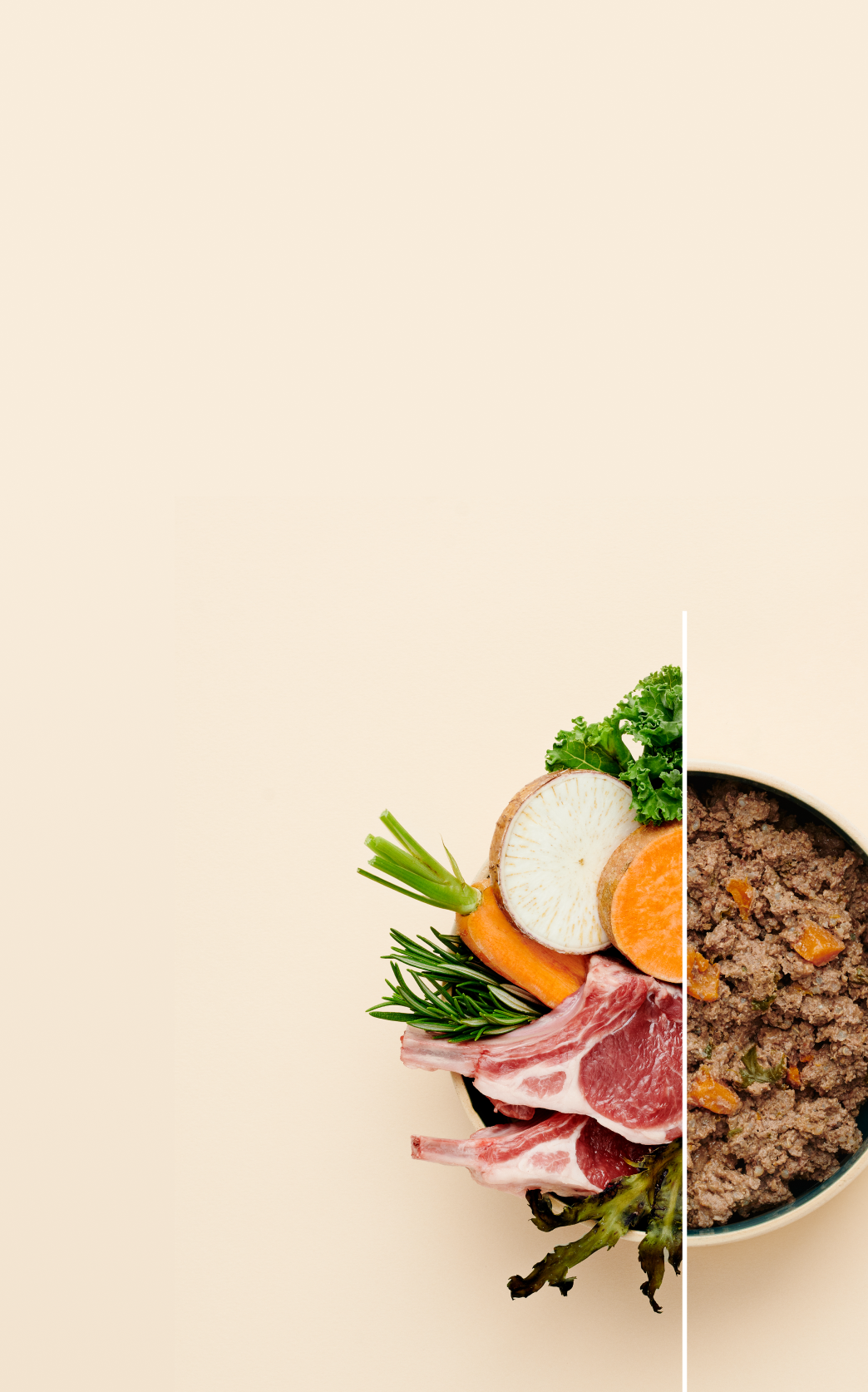
Fresh food — made from whole, named ingredients with minimal processing — is a strong choice for Dalmatians with sensitive stomachs. The protein structure is less degraded than in kibble, the ingredients are identifiable, and there are no hidden fillers or artificial preservatives that could irritate the gut.
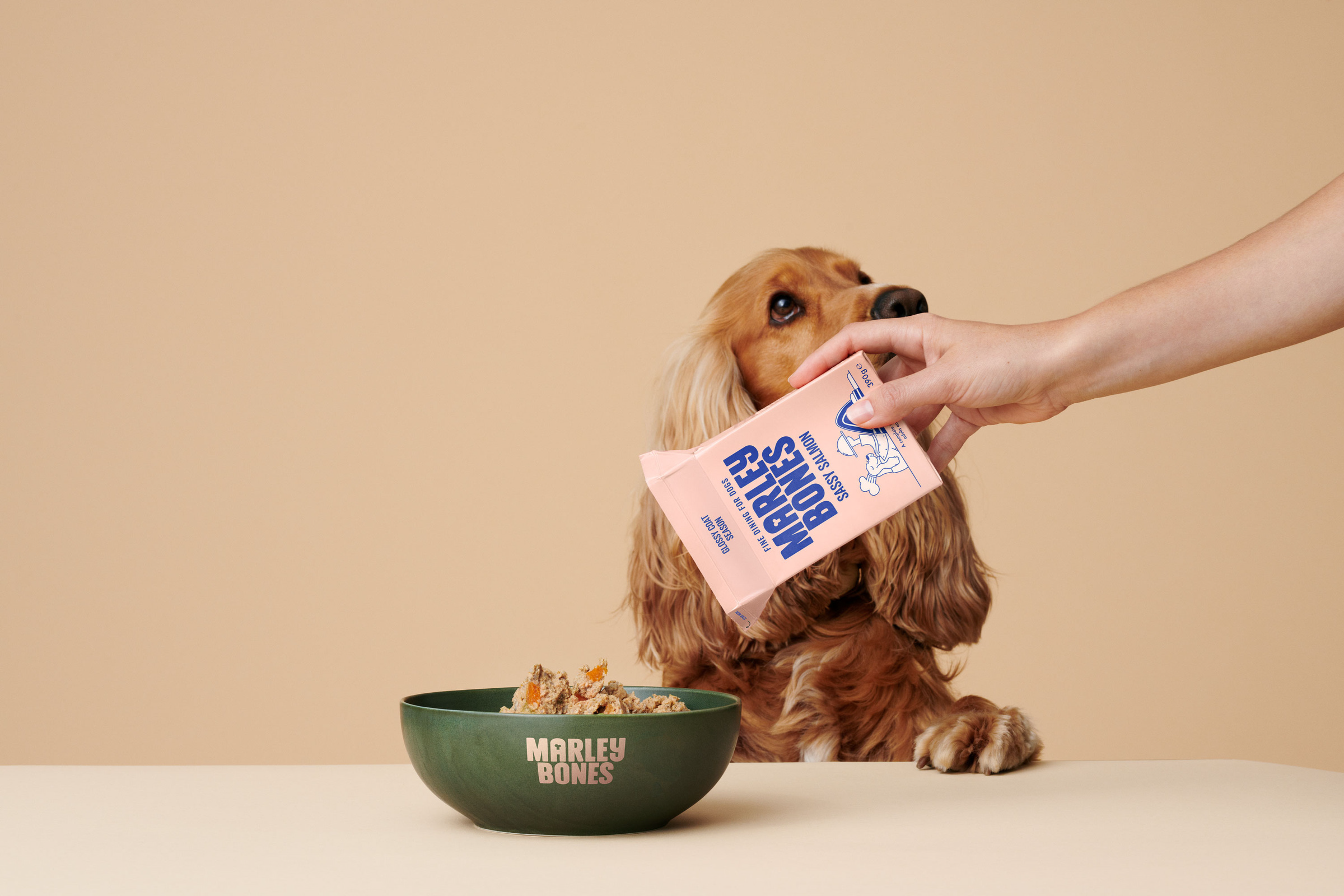
Marleybones meals are vet-developed, FEDIAF compliant, and use named protein sources with no artificial additives. The Chic Chicken and Lush Lamb recipes use lean, lower-purine proteins that suit the Dalmatian's metabolic needs, and each meal includes chicory root as a prebiotic to support gut bacteria. The Pantry Fresh format means meals are slow-cooked in-pack and shelf-stable — no freezer needed, which makes consistent feeding straightforward.
Every dog is different — build your personalised Marleybones feeding and health plan tailored to your dog's age, size, and health requirements.
When switching to any new food, introduce it gradually over 7 to 10 days. Start with 25% new food mixed with 75% of the old food, and increase the proportion every two to three days. This gives the gut microbiome time to adjust and keeps digestive disruption to a minimum.

“Such a relief to see her enjoying her food”
FAQs: Dalmatian sensitive stomach
Why do Dalmatians get upset stomachs more easily than other breeds?
Dalmatians are prone to digestive sensitivity for two reasons. First, the breed's SLC2A9 gene mutation affects uric acid metabolism, which means certain high-purine foods cause metabolic stress that can manifest as gut symptoms. Second, like many purebred dogs, Dalmatians can be sensitive to common food fillers and artificial additives. A clean, low-purine diet addresses both issues simultaneously.
Can a Dalmatian eat salmon or oily fish?
Oily fish like salmon, sardines, and anchovies are high in purines, which makes them a poor regular choice for Dalmatians. Small amounts of salmon are unlikely to cause acute harm, but they should not be a staple protein source for this breed. Flaxseed and linseed are safer ways to get omega-3 fatty acids into a Dalmatian's diet.
How long does it take to see improvement after changing a Dalmatian's food?
Most dogs show noticeable improvement in stool consistency and frequency within two to four weeks of switching to a more suitable diet. The transition itself takes 7 to 10 days. After that, the gut microbiome continues to adapt over several weeks, so the full benefit of a better diet is often not visible until four to six weeks in.
Does Marleybones work for Dalmatians with sensitive stomachs?
Marleybones recipes use named, lean protein sources and include chicory root as a prebiotic — both of which directly support gut health in sensitive dogs. The recipes avoid artificial additives and fillers that commonly trigger digestive symptoms. Dalmatian owners should choose the chicken or lamb recipes rather than options that rely heavily on organ meat or high-purine fish.
Should I see a vet before changing my Dalmatian's food?
For most dogs with mild, intermittent digestive symptoms, a careful food change is a reasonable first step. If your Dalmatian has a history of bladder stones, recurring urinary issues, or severe or worsening digestive symptoms, speak to a vet before making changes. They can run a urinalysis to check uric acid levels and advise on whether a prescription low-purine diet is needed alongside any dietary adjustments.
“A complete game changer!!”


 Give your dog the quality nutrition they deserve
Real meat, wholesome veggies and functional superfoods.
Get 30% off: Take the quiz