



 Vet reviewed
What is the best dog food for a Bracco Italiano?

At a glance
- Braccos do best on fresh, whole-ingredient food built around a quality protein - the breed's lean, muscular frame and deep chest make both weight management and digestive comfort genuine priorities.
- High-quality animal protein is essential for maintaining the Bracco's substantial muscle mass without carrying excess fat, particularly as the breed becomes less active in later years.
- Omega-3 fatty acids from oily fish directly support joint health in a breed that works hard on its joints across a lifetime of active exercise.
- The Bracco's deep chest creates a real risk of bloat - portion size, meal frequency, and feeding pace all need to be managed actively.
- Skin and ear health in Braccos are both influenced by diet - diets built around whole ingredients and without artificial additives reduce the inflammatory load that contributes to recurring issues.
What is the best diet for a Bracco Italiano?
Fresh dog food built around a high-quality animal protein, with controlled portions and no artificial additives, is the most appropriate diet for most Braccos. The breed is a working gundog with a lean, deep-chested build that needs protein to sustain muscle, careful portion discipline to stay trim, and food that is easy to digest - particularly around exercise. Getting those three things right is more consequential for a Bracco than it is for many smaller, less physically demanding breeds.
Heavily processed dry kibble delivers around 10% moisture and puts a significant load on the digestive system - a real consideration for a breed with a deep chest where digestive comfort and bloat risk both connect back to what and how the dog is fed. Fresh food at 65-75% moisture is gentler on the gut, more satiating per calorie, and significantly easier for the body to process. For an active, large-breed dog that needs sustained energy without the weight gain that often accompanies high-starch kibble, that difference is worth taking seriously.
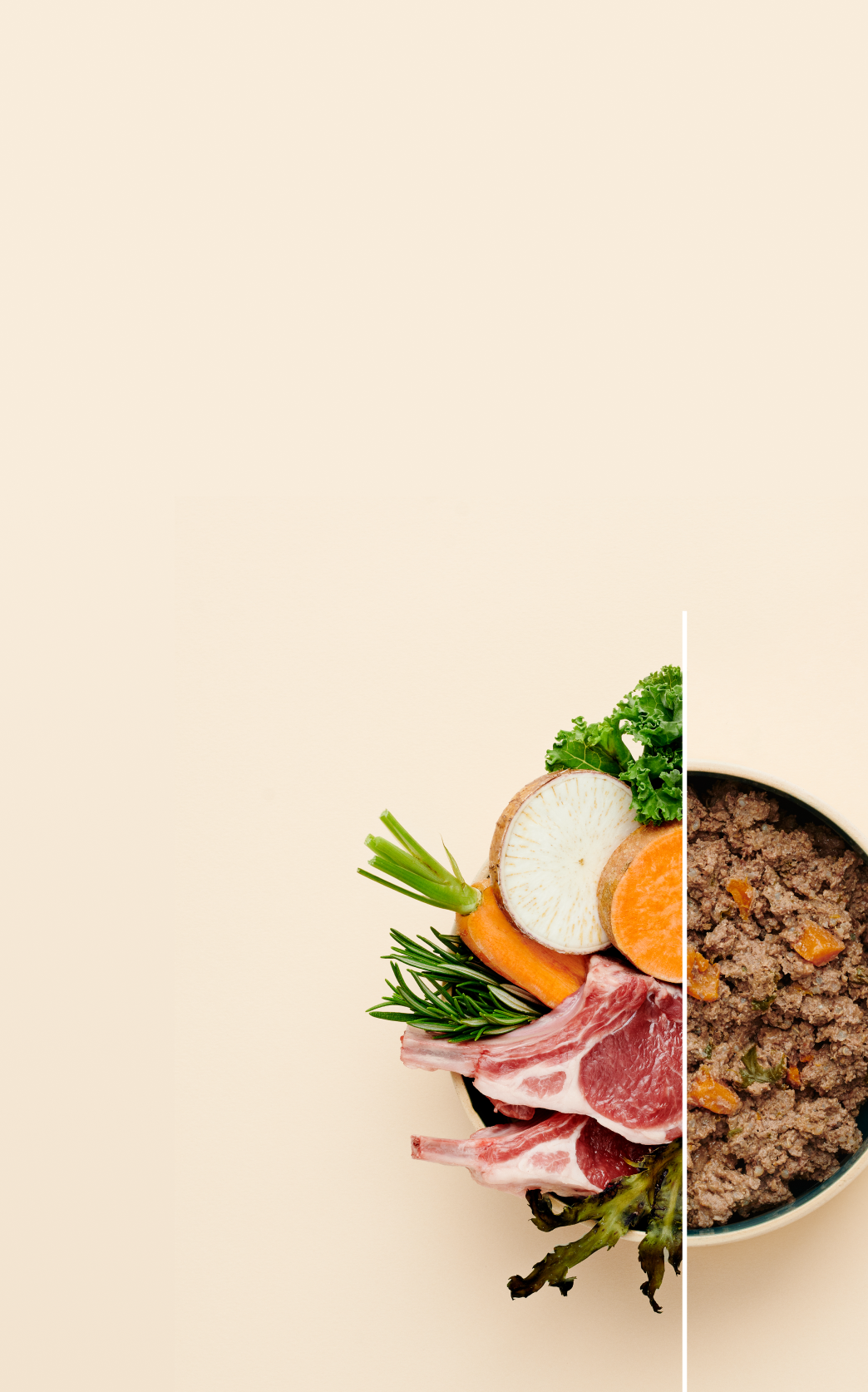
The practical checklist for a good Bracco food is: a named animal protein you can read on the label, omega-3 fatty acids for joint and skin support, controlled portions to protect the waistline, and meal structure that accounts for the breed's bloat risk. Marleybones Pantry Fresh meals are vet-developed from whole ingredients with no fillers or artificial additives, and suit a breed where ingredient quality and digestive ease matter as much as the calorie count.
Does the Bracco Italiano's deep chest affect how they should be fed?
Yes, directly. The Bracco's deep, narrow chest is a significant bloat risk factor - gastric dilatation-volvulus (GDV) is a life-threatening emergency that large, deep-chested breeds are disproportionately prone to, and feeding management is one of the most practical tools for reducing that risk. Two smaller meals a day rather than one large one, no exercise for at least an hour either side of feeding, and a raised bowl if your vet recommends one all reduce the conditions that allow bloat to develop.
Food choice matters too. High-starch diets with large quantities of fermentable ingredients - common in cheaper dry kibbles - produce more gas during digestion, which increases risk. Fresh food with whole, digestible ingredients and no cheap grain fillers produces less fermentation in the gut and is a more appropriate choice for this breed on those grounds alone. If your Bracco shows any signs of a distended abdomen, restlessness, or unproductive retching after eating, treat it as an emergency and get to a vet immediately.
What protein is best for a Bracco Italiano?
Lamb and salmon are the strongest starting points for most Braccos, particularly for dogs with any history of digestive sensitivity or recurring skin and ear issues, or those currently eating chicken or beef. A protein the dog has not eaten regularly is less likely to provoke a sensitivity response, and rotating proteins periodically reduces the chance of one developing over time.
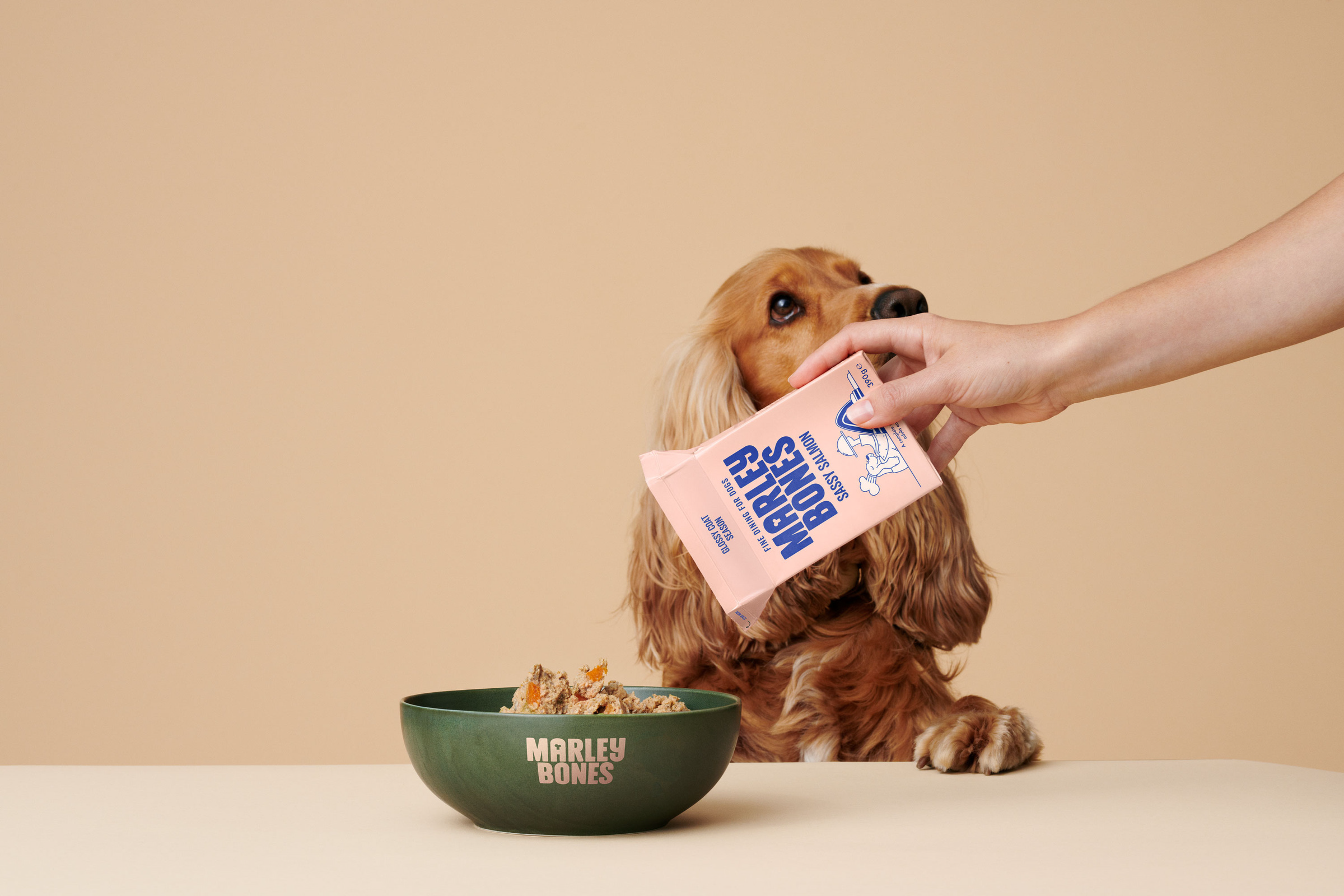
Salmon is an especially practical choice for this breed specifically - it provides clean, highly digestible protein alongside EPA and DHA omega-3 fatty acids that support both the joints and the skin. For a breed that accumulates significant joint wear over an active working or exercising life, a natural dietary source of omega-3s is a more consistent support than adding a synthetic supplement to an otherwise poor-quality food. Sassy Salmon is a single-protein fresh meal that delivers both in one recipe, alongside chicory root as a natural prebiotic for gut stability.
Lamb is a strong red meat alternative for Braccos needing a change from poultry, with lower allergenicity than beef and a digestibility that suits the breed's gut well. Single-protein meals make it straightforward to identify what the dog tolerates without the guesswork that comes with multi-protein recipes.
How much should I feed a Bracco Italiano?
An adult Bracco typically weighs between 25 and 40kg, with males generally at the heavier end of that range. Body condition is the most reliable guide - ribs should be easily felt without pressing hard, and a visible waist should be apparent when looking down from above. A Bracco carrying extra weight around the ribcage or losing that waist definition needs a reduced daily portion regardless of what the feeding guide says.
Fresh food is more satiating than the equivalent calorie count in dry kibble because the higher moisture content occupies more volume in the stomach. Most owners switching from kibble to fresh food find they can reduce the nominal calorie count modestly without their dog appearing hungry. Split the daily allowance into two meals and do not feed immediately before or after strenuous exercise. Adjust portions based on body condition over six to eight weeks, and account for treats - they add up quickly in a breed this food-motivated.
Do Braccos get joint problems that diet can support?
Joint health is one of the most diet-relevant considerations for this breed. Braccos are large, active dogs that cover significant ground over their working or exercising lives, and hip and elbow dysplasia are conditions breeders screen for. Weight management is the single most impactful dietary lever - every additional kilogram of body weight increases the load on joints with every step, and even modest excess weight accelerates wear meaningfully in a large-breed dog.
Beyond weight, omega-3 fatty acids - particularly EPA and DHA from oily fish - are the most well-evidenced dietary support for joint inflammation. They work by reducing systemic inflammatory signalling rather than masking pain, which makes them a useful long-term nutritional strategy rather than just a short-term fix. A diet that includes oily fish as a genuine whole ingredient delivers these more reliably than a synthetic supplement added to a poor-quality base diet. For Braccos showing early stiffness or reduced mobility, a vet assessment is the right first step before adjusting diet alone - but for healthy dogs, nutritional support started early makes a genuine long-term difference.
Every dog is different - build your personalised Marleybones feeding and health plan tailored to your dog's age, size, and health requirements.
How do different dog food formats compare for Bracco Italianos?
| Format | Moisture content | Processing level | Verdict for Braccos |
|---|---|---|---|
| Fresh (Pantry Fresh) | 65-75% | Minimal - slow low-temperature cooking | Best option - whole ingredients, supports digestion, joint health, and weight management |
| Raw | 65-75% | None | Works for some - bacterial load a consideration; preparation and hygiene requirements are significant for a large breed |
| Wet / canned | 75-85% | Moderate | Better than kibble - ingredient quality varies widely; check protein source and filler content carefully |
| Cold pressed | Around 12% | Low - below extrusion temperatures | Decent middle ground - lower fermentable starch than extruded kibble, more digestible for a bloat-risk breed |
| Dry kibble | Around 10% | High - high-temperature extrusion | Poorest option for Braccos - high starch, low moisture, hardest to digest, worst choice for a deep-chested breed |
FAQs
How often should I feed a Bracco Italiano?
Twice daily is the standard for adult Braccos, splitting the daily allowance into a morning and evening meal of roughly equal size. One large daily meal increases bloat risk in a deep-chested breed and is not appropriate. Puppies under six months need three to four smaller meals spread through the day to support their growth rate and developing digestive system.
Are Bracco Italianos prone to ear problems, and does diet help?
Braccos have long, pendulous ears that trap moisture and restrict airflow, making them structurally prone to ear infections. Diet does not change the anatomy, but it influences the inflammatory environment that makes infections more likely to take hold and harder to clear. A diet built around whole ingredients without artificial additives and with a natural source of omega-3 fatty acids reduces systemic inflammation, which supports the skin and ear canal lining. Recurring ear infections that do not resolve with standard treatment warrant a vet assessment - food sensitivity is a known contributing factor and worth investigating if infections keep returning.
Is grain-free food better for Bracco Italianos?
Not automatically. The issue for most Braccos is not grain itself but the quantity of high-starch, fermentable ingredients used as cheap filler in heavily processed foods, which increases gas production and raises bloat risk. A Bracco tolerating whole oats or brown rice in a minimally processed fresh meal is not the same situation as a dog eating a high-volume wheat-based kibble. Grain-free foods that replace grain with large quantities of peas or lentils carry their own considerations and do not automatically reduce starch load or digestive burden.
Does diet affect kidney health in Bracco Italianos?
Renal vasculopathy is a condition that appears with some frequency in the breed, and dogs with confirmed kidney disease require veterinary dietary management - typically lower phosphorus and adjusted protein levels - that goes beyond standard feeding advice. For healthy Braccos with no clinical signs, a diet built around high-quality, digestible protein from whole ingredients places less strain on the kidneys than a diet relying on lower-quality protein sources. Any dog showing increased thirst, changes in urination, or unexplained weight loss should be assessed by a vet promptly rather than managed through dietary adjustment alone.
My Bracco is less active in winter - should I adjust their food?
Yes. A Bracco's calorie requirement tracks their activity level, and a dog doing less exercise burns fewer calories. Keeping the portion fixed while activity drops is one of the most common reasons working or sporting dogs gain weight through quieter months. Reduce the daily amount modestly and reassess body condition every three to four weeks. The adjustment does not need to be dramatic - a 10-15% reduction in daily calories is usually sufficient for a seasonal dip in activity.
Is Marleybones Pantry Fresh good for Bracco Italianos?
Yes. Marleybones Pantry Fresh meals are vet-developed, contain no artificial preservatives or fillers, and are built around whole, identifiable ingredients that suit a breed where digestive ease, weight management, and joint support are genuine priorities. Sassy Salmon is the strongest choice for most Braccos, providing a natural source of EPA and DHA omega-3 fatty acids alongside clean, digestible protein - directly relevant for a large, active breed with meaningful joint demands. With over 2,000,000 meals delivered and a 4.9/5 Trustpilot rating, it is a practical, well-evidenced choice for an owner who wants ingredient quality to show up in how their dog looks, moves, and feels.
How do I transition my Bracco Italiano to a new food?
Gradually, over seven to ten days, increasing the proportion of new food while reducing the old. Large breeds with deep chests are not well-suited to abrupt dietary changes - a sudden switch increases the risk of digestive upset, loose stools, and excess gas production, all of which are particularly undesirable in a bloat-risk breed. Start with roughly 25% new food and 75% old on days one and two, moving to 50/50 by day four, and completing the transition by day ten. If loose stools develop and persist beyond a few days, slow the transition further rather than reverting entirely.


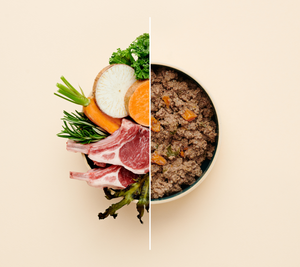 Give your dog the quality nutrition they deserve
Real meat, wholesome veggies and functional superfoods.
Get 30% off: Take the quiz