




 Vet reviewed
What is the best dog food for a Bloodhound?

At a glance
- Bloodhounds do best on fresh, whole-ingredient food built around a quality protein - the breed's deep chest and tendency toward bloat makes digestible, low-fermentation meals a genuine priority rather than an afterthought.
- Joint and bone support is a nutritional priority for Bloodhounds - the breed's substantial frame puts significant load on the skeletal system from puppyhood onward, making anti-inflammatory nutrients relevant throughout life.
- Bloodhounds are prone to weight gain, which directly worsens joint stress and increases bloat risk - portion accuracy matters more here than with lighter, more active breeds.
- Omega-3 fatty acids from oily fish are the most practical dietary support for the Bloodhound's ears and skin, both of which are prone to infection and irritation that has a nutritional component.
- Slow feeding and meal timing are as important as ingredient quality for this breed - large meals fed once daily or immediately before or after exercise significantly increase bloat risk.
What is the best diet for a Bloodhound?
Fresh dog food built around a high-quality, digestible protein with minimal processing and no artificial additives is the most appropriate diet for most Bloodhounds. The breed's combination of a deep chest, heavy frame, and tendency toward digestive sensitivity means that both what they eat and how easily they can digest it carries real consequences. Highly processed food with poor-quality ingredients places an unnecessary load on a digestive system that already has structural vulnerabilities.
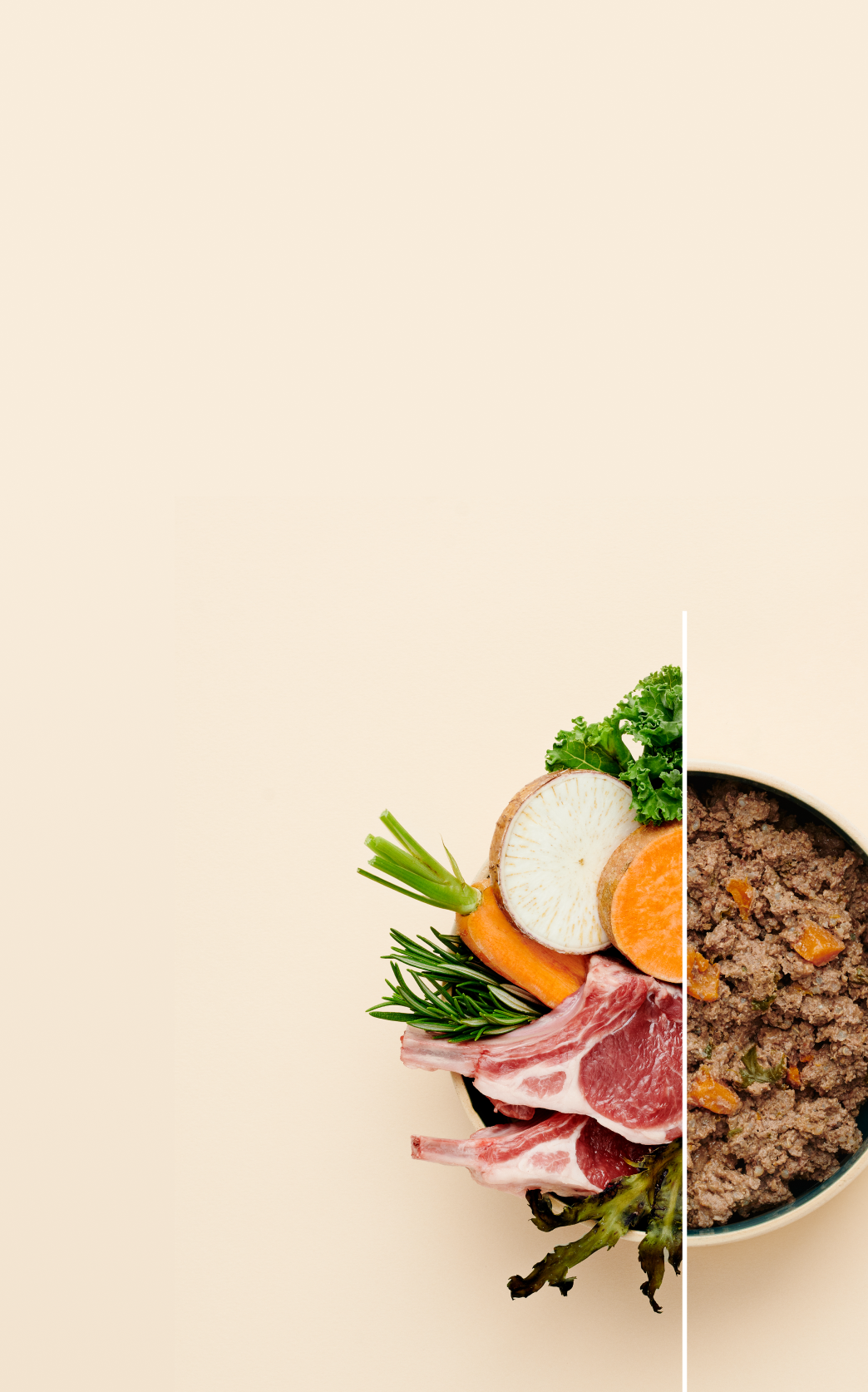
Dry kibble typically contains around 10% moisture and is produced through high-temperature extrusion, which degrades natural protein structures and strips out nutrients that then have to be added back synthetically. Fresh food cooked at lower temperatures retains its natural nutritional integrity and sits at 65-75% moisture, reducing the digestive load and supporting better gut function. For a breed where digestive efficiency and bloat risk are genuine concerns, that difference is meaningful.
The practical checklist for a good Bloodhound food is: a named protein source in readable quantities on the label, anti-inflammatory omega-3 fatty acids, no artificial preservatives or fermentable fillers, controlled portions to protect joint health and weight, and a feeding routine that avoids large single meals. Marleybones Pantry Fresh meals are vet-developed, built from whole ingredients slow-cooked in-pack, and contain no artificial additives - a format that addresses the Bloodhound's digestive priorities directly.
Are Bloodhounds at risk of bloat, and does diet make a difference?
Yes, and yes. Gastric dilatation-volvulus (GDV), commonly called bloat, is one of the most serious health risks for deep-chested breeds, and Bloodhounds sit near the top of the at-risk list. Diet does not cause GDV on its own, but it is one of the most practical variables an owner can control. Large single meals, food eaten quickly, feeding immediately before or after vigorous exercise, and highly fermentable ingredients all increase risk.
Feeding two smaller meals per day rather than one large meal is the single most impactful dietary change for reducing bloat risk in Bloodhounds. Using a slow feeder bowl to extend eating time helps further. On the ingredient side, foods high in fermentable fillers - including many dry kibbles built around maize, soy, or beet pulp - generate more gas in the digestive tract, which increases the conditions associated with GDV. Whole-ingredient foods with recognisable, low-fermentation components are a more sensible choice for this breed.
If a Bloodhound shows signs of a distended abdomen, unproductive retching, or apparent abdominal pain, this is a veterinary emergency - it requires immediate clinical assessment, not a dietary adjustment.
How does diet support a Bloodhound's joints and frame?
Carrying significant weight over a long life means the Bloodhound's joints are under sustained load, and the nutritional support provided by diet makes a measurable difference. Two priorities stand out: maintaining a healthy body weight, and providing anti-inflammatory nutrients that support the connective tissue and cartilage under pressure.
Omega-3 fatty acids - specifically EPA and DHA from oily fish - are the most well-evidenced dietary anti-inflammatory for joint health in dogs. They reduce systemic inflammation and support the integrity of joint tissue in a way that synthetic supplements added to poor-quality food cannot replicate reliably. A diet that includes oily fish as a genuine whole ingredient, rather than as a trace additive, delivers these consistently. For Bloodhounds already showing stiffness or reduced mobility, a dedicated joint health supplement alongside a nutrient-rich base diet is worth considering alongside veterinary advice.
Weight management is equally important. An overweight Bloodhound places significantly greater load on hips, elbows, and spine than one kept lean. The relationship between excess weight and the progression of joint deterioration is direct - portion discipline is not just about appearance.
What protein is best for a Bloodhound?
Salmon and lamb are the strongest starting points for most Bloodhounds, particularly those with any history of digestive sensitivity or skin and ear issues. Both are lower allergenicity proteins than chicken or beef, which are the most commonly fed proteins and therefore the most likely to have triggered a developing sensitivity over time.
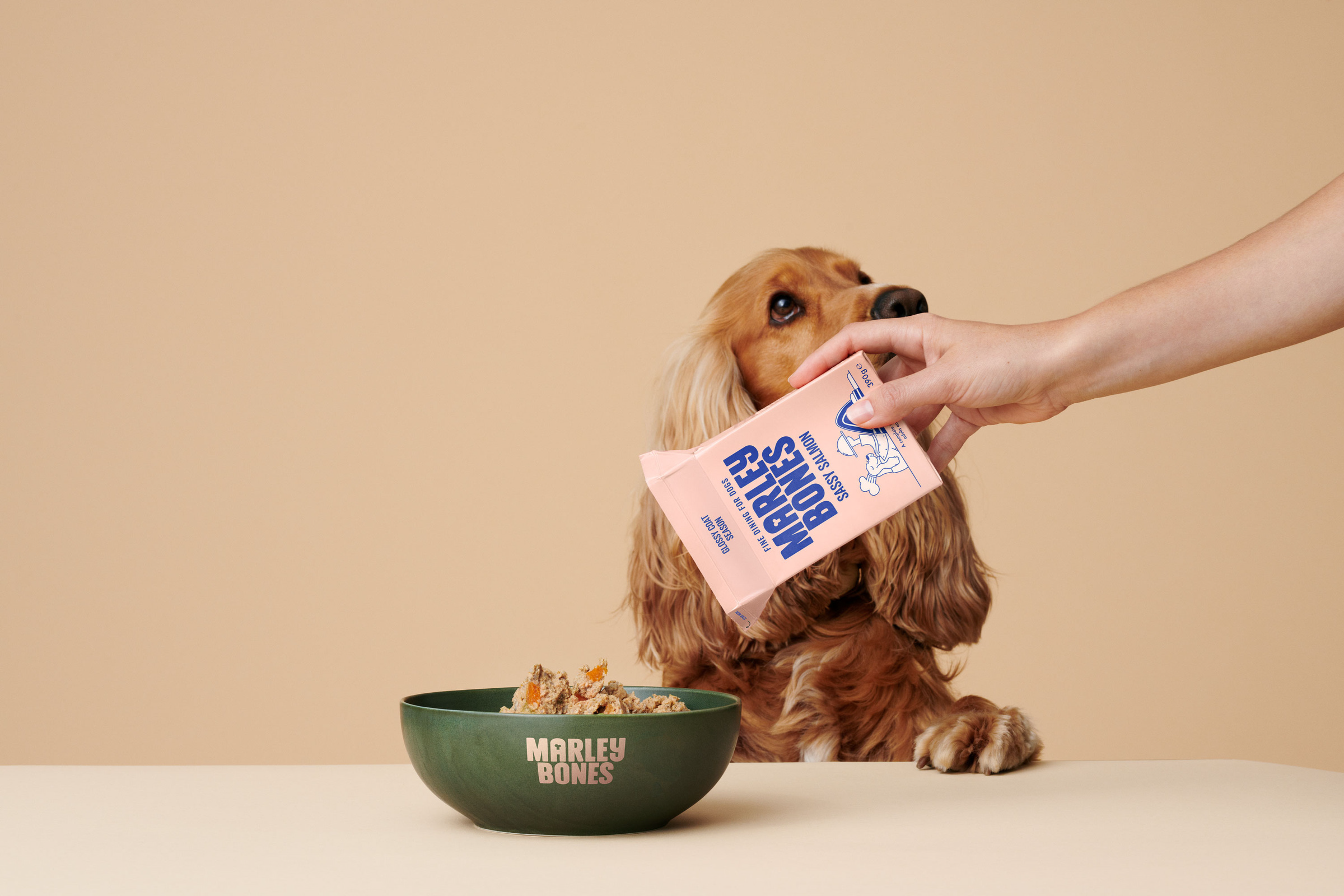
Salmon is nutritionally well-matched to the Bloodhound's specific needs - clean protein combined with a natural source of EPA and DHA omega-3s that supports both joint health and skin condition. Lamb is a reliable alternative for dogs needing a red meat option, sitting well with reactive guts and providing iron and zinc that support skin barrier function. Meals built around these proteins - like Marleybones Sassy Salmon or Lush Lamb - use single-protein recipes that make it straightforward to identify what the dog tolerates without the confusion of a multi-protein blend.
For Bloodhounds without a history of sensitivity currently eating chicken or beef, there is no urgent need to switch protein, but it is worth rotating proteins periodically to avoid a sensitivity developing through repeated exposure to the same source.
Why do Bloodhounds get skin and ear problems, and can diet help?
Better nutrition reduces the frequency and severity of ear and skin issues in Bloodhounds significantly. The breed's long, low-set ears restrict airflow and create a warm, moist environment prone to yeast and bacterial overgrowth. The loose, wrinkled skin around the face and neck creates similar conditions in the skin folds. While these are structural predispositions, diet influences how well the skin barrier functions and how readily inflammation takes hold.
Omega-3 fatty acids are the most practical dietary support here - they reinforce the skin barrier, reduce the inflammatory response that makes infections more likely to escalate, and contribute to overall skin condition. A diet rich in whole-ingredient omega-3 sources supports skin health more consistently than one relying on synthetic additives. Artificial preservatives and low-quality rendered fats, found commonly in standard dry kibble, are among the dietary contributors most associated with chronic skin inflammation in dogs.
If ear infections are recurring despite a clean diet and good ear hygiene, a vet assessment is needed to rule out underlying allergy or structural causes. Diet is a meaningful support, but it is not a substitute for clinical management of established infections.
How much should I feed a Bloodhound?
An adult Bloodhound typically weighs between 36 and 50kg, with males toward the top of that range and females toward the lower end. Body condition is a more reliable guide than the scales - you should be able to feel the ribs without pressing hard, and there should be a visible waist when looking down from above. Bloodhounds carry their weight well and look lean even when they are not, so owners tend to underestimate excess weight on this breed.
Feeding guides on packaging are a starting point. Fresh food is more satiating than the equivalent calorie count in dry kibble because of the higher moisture content, so owners switching from kibble to fresh food typically find they can reduce the nominal calorie count without their dog appearing hungry. Adjust over six to eight weeks based on body condition rather than treating the initial amount as fixed. Divide the daily portion across two meals, morning and evening, both to support satiety and to reduce bloat risk.
Every dog is different - build your personalised Marleybones feeding and health plan tailored to your dog's age, size, and health requirements.How do different dog food formats compare for Bloodhounds?
| Format | Moisture content | Processing level | Verdict for Bloodhounds |
|---|---|---|---|
| Fresh (Pantry Fresh) | 65-75% | Minimal - slow low-temperature cooking | Best option - whole ingredients, low fermentation load, supports joints, skin and bloat risk management |
| Raw | 65-75% | None | Works for some - bacterial load a consideration in households with children; preparation and food safety require attention |
| Wet / canned | 75-85% | Moderate | Better than kibble - ingredient quality varies widely; check for fermentable fillers and unnamed meat derivatives |
| Cold pressed | Around 12% | Low - below extrusion temperatures | Reasonable middle ground - lower fermentation than extruded kibble, better protein retention |
| Dry kibble | Around 10% | High - high-temperature extrusion | Weakest option for Bloodhounds - low moisture, fermentable fillers common, hardest on digestion |
FAQs
How often should I feed my Bloodhound?
Twice daily, morning and evening in equal portions. A single large daily meal increases bloat risk in deep-chested breeds and is not appropriate for Bloodhounds regardless of what food format is used. Puppies under six months need three to four smaller meals a day to support growth and maintain stable blood sugar.
Should I use a slow feeder bowl for my Bloodhound?
Yes, for most Bloodhounds. The breed is an enthusiastic eater that inhales food quickly, and fast eating is an independent risk factor for bloat. A slow feeder bowl extends eating time without requiring any change to the food itself, and is one of the simplest practical steps an owner can take. Raised feeding bowls were historically recommended for large breeds but the evidence for their benefit in bloat prevention is not clear-cut - a slow feeder at floor level is the more straightforward choice.
Is grain-free food better for Bloodhounds?
Not automatically. The concern for Bloodhounds is fermentable ingredients that generate gas in the digestive tract - certain grains used as cheap fillers in low-quality kibble fit that description, but so do large quantities of peas and lentils commonly used as grain substitutes in grain-free products. The ingredient quality and processing level matters more than whether grains are present. Whole oats or brown rice in a fresh, minimally processed food are well-tolerated by most Bloodhounds without the fermentation concerns associated with heavily processed kibble.
Is Marleybones Pantry Fresh good for Bloodhounds?
Yes. Marleybones Pantry Fresh meals are vet-developed, contain no artificial preservatives or fillers, and are built from whole ingredients slow-cooked in-pack - a format that suits the Bloodhound's need for digestible, low-fermentation food. Sassy Salmon provides a natural source of EPA and DHA omega-3s directly relevant to this breed's joint, skin, and ear health. With a 4.9/5 Trustpilot rating and over two million meals delivered, it is a practical, well-evidenced choice for owners who want ingredient quality to match the Bloodhound's specific needs.
My Bloodhound is stiff after rest - can changing their food help?
Diet is one meaningful variable. Omega-3 fatty acids from oily fish reduce systemic inflammation, which contributes to the joint stiffness common in large, heavy breeds. Maintaining an appropriate body weight through accurate portioning is equally important - excess weight directly worsens joint load and accelerates deterioration. That said, persistent stiffness in a Bloodhound warrants a veterinary assessment to establish whether there is an underlying orthopaedic condition that needs clinical management alongside any dietary change.
How long does it take to see results after switching a Bloodhound to fresh food?
Digestion and stool quality are usually the first things to improve, within two to four weeks. Skin and coat condition, and any reduction in ear irritation, typically becomes noticeable over six to eight weeks. Joint-related changes - reduced stiffness, better mobility - take longer to assess, often ten to twelve weeks on a consistent diet with stable portioning. If there is no meaningful improvement after four weeks on a consistent food, a vet assessment is the appropriate next step.
Can Bloodhound puppies eat the same fresh food as adults?
Yes, provided the food is nutritionally complete for all life stages. Bloodhound puppies have significant growth demands - the breed puts on weight and bone mass quickly, and a nutritionally complete fresh food supports that without the risk of overfeeding that comes with calorie-dense kibble. Avoid high-calcium supplementation on top of a complete diet during puppyhood, as excessive calcium in large breed puppies is associated with skeletal development problems. Marleybones Pantry Fresh meals are complete for all life stages including puppies, which removes the need to manage separate formulas.


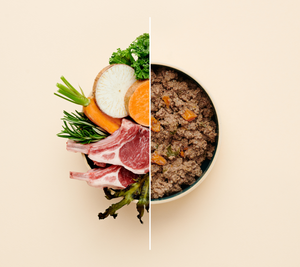 Give your dog the quality nutrition they deserve
Real meat, wholesome veggies and functional superfoods.
Get 30% off: Take the quiz