




 Vet reviewed
What is the best dog food for a Black and Tan Coonhound?

At a glance
- Black and Tan Coonhounds do best on fresh, whole-ingredient food built around a high-quality protein - the breed's working ancestry and muscular build demand consistent protein quality to maintain lean body mass through all life stages.
- Ear health in Black and Tan Coonhounds is closely linked to diet - diets rich in omega-3 fatty acids reduce the systemic inflammation that contributes to recurring ear problems in the breed.
- Joint health is a genuine concern for this large, deep-chested breed - food that provides anti-inflammatory support through whole ingredients rather than synthetic additives is the more effective long-term approach.
- Black and Tan Coonhounds are highly food-motivated and prone to weight gain when exercise drops off - portion discipline is as important as food quality for this breed.
- The breed's deep chest puts it at risk of bloat - feeding smaller meals twice daily rather than one large meal is a straightforward management step every owner should take.
What is the best diet for a Black and Tan Coonhound?
Fresh dog food built around a high-quality, named protein source is the most appropriate diet for most Black and Tan Coonhounds. The breed is a working scent hound with a lean, muscular frame that needs consistent protein quality to stay in good condition, alongside anti-inflammatory support for the joints and ears that are most likely to cause problems as the dog ages.
Heavily processed dry kibble delivers protein in a denatured form that the body uses less efficiently, and the high-starch content typical of extruded food adds calories with minimal nutritional value. For a breed where body composition matters and where inflammation drives two of the most common health concerns, fresh food retains more of its natural nutritional structure and puts less strain on the digestive system than high-temperature processed alternatives.
The practical checklist for a good Black and Tan Coonhound food is: a named protein source at the top of the ingredient list, a natural source of omega-3 fatty acids, no artificial preservatives or cheap starch fillers, and controlled portions to prevent the weight creep this breed is susceptible to. Marleybones Pantry Fresh meals deliver all of that in a single switch - vet-developed recipes slow-cooked from whole ingredients, with no artificial additives, and well-suited to a breed where protein quality and anti-inflammatory nutrition both matter.
Do Black and Tan Coonhounds need more protein than other dogs?
Not categorically more, but the quality of protein matters considerably for this breed. Black and Tan Coonhounds were developed for long days of scent tracking, and the breed retains a lean, muscular build that requires well-absorbed protein to maintain. The difference is not in the quantity on the label but in how well the protein is actually used - whole-ingredient protein from named meat sources is absorbed and put to work more efficiently than the denatured proteins in high-temperature extruded kibble.
Active adult Coonhounds, or those still used for working or hunting purposes, have higher protein requirements than the same dog kept as a companion with moderate daily exercise. Any dietary change for a working dog should account for that shift in energy demand. For the typical family Coonhound with daily walks rather than field work, a fresh food diet built around a quality protein source provides the right foundation without overloading calorie intake.
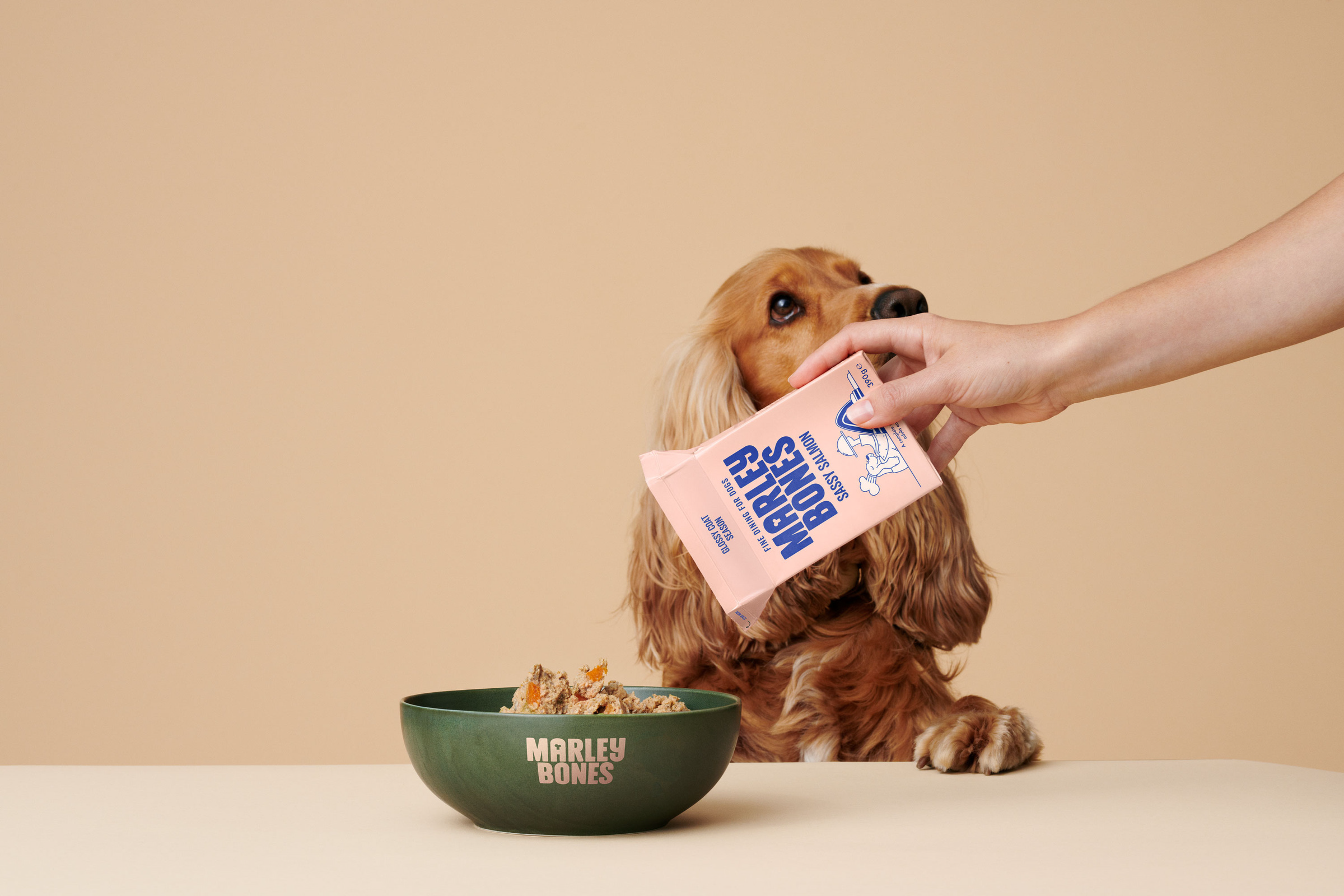
Salmon is a particularly strong protein choice for this breed - it provides clean, highly digestible protein alongside EPA and DHA omega-3 fatty acids that directly address the ear and joint inflammation the breed is prone to. Marleybones Sassy Salmon is a single-protein meal built around whole salmon with no artificial additives, which suits a breed where both protein quality and anti-inflammatory nutrition are relevant daily concerns.
Why do Black and Tan Coonhounds get so many ear infections?
Dietary inflammation is one of the most significant and most overlooked contributors to recurring ear infections in this breed. The Black and Tan Coonhound's long, pendulous ears restrict airflow to the ear canal, creating conditions where yeast and bacteria thrive - but the frequency and severity of infections is strongly influenced by how inflamed the dog's system already is, and that is where diet has a direct role.
Omega-3 fatty acids from oily fish are the most practical dietary support for reducing systemic inflammation. They work at the cellular level to calm the inflammatory response that makes the ear environment more hospitable to infection. A diet that includes oily fish as a genuine whole ingredient delivers EPA and DHA more reliably than a synthetic fish oil capsule added to a low-quality base food. Artificial additives, cheap rendered fats, and high-starch fillers promote inflammation and are worth removing from the diet of any Coonhound with a recurring ear problem.
Diet alone will not prevent ear infections in a breed with this anatomy, and any dog with a suspected ear infection needs veterinary assessment rather than a food switch alone. But owners who switch to a fresh, low-inflammation diet consistently report a reduction in the frequency and severity of ear flare-ups, even when the anatomy cannot be changed.
What about joints - does diet actually help a Coonhound's long-term mobility?
It does, through two mechanisms that are straightforward to address with food choices. The first is weight: Black and Tan Coonhounds are large dogs, typically 23–34kg, and every kilogram of excess weight adds compressive load to the joints. Keeping the dog lean is the single most effective dietary intervention for long-term joint health. The second mechanism is inflammation - the same omega-3 fatty acids that reduce ear inflammation also reduce the low-grade joint inflammation that precedes and accelerates osteoarthritis.
Whole ingredients naturally rich in antioxidants - vegetables like sweet potato, spinach, and carrots - support the body's management of oxidative stress in joint tissue. These nutrients are significantly better preserved in food cooked at lower temperatures than in high-temperature extruded kibble, where the processing degrades them considerably. For Coonhounds already showing stiffness or slowing on walks, a dedicated joint health supplement alongside a fresh diet gives more targeted support than diet alone.
How much should I feed a Black and Tan Coonhound?
Adult Black and Tan Coonhounds typically weigh between 23 and 34kg, but body condition is a more reliable guide than weight alone. You should be able to feel the ribs without pressing hard, and see a defined waist from above. If the dog looks broad and barrel-shaped from above, or the ribs require firm pressure to locate, the daily portion needs reducing.
This is a breed that will eat past the point of satiety given the chance - food motivation is one of the Coonhound's most consistent traits. Feeding guides on packaging are starting points, not fixed prescriptions, and treats must be factored into the daily calorie total. Fresh food's higher moisture content makes it more satiating than the equivalent calorie count in dry kibble, so most owners switching from kibble find the dog is satisfied on a nominally lower calorie intake. Split the daily portion across two meals to reduce the risk of bloat - a single large meal in a deep-chested breed is a straightforward risk to avoid.
Every dog is different - build your personalised Marleybones feeding and health plan tailored to your dog's age, size, and health requirements.How do different dog food formats compare for Black and Tan Coonhounds?
| Format | Moisture content | Processing level | Verdict for Black and Tan Coonhounds |
|---|---|---|---|
| Fresh (Pantry Fresh) | 65–75% | Minimal - slow low-temperature cooking | Best option - whole-ingredient protein, anti-inflammatory nutrition, supports joints and ear health |
| Raw | 65–75% | None | Works for some - bacterial load a consideration, requires careful handling and balanced formulation |
| Wet / canned | 75–85% | Moderate | Better than kibble - ingredient quality varies widely, check for named proteins and no cheap fillers |
| Cold pressed | Around 12% | Low - below extrusion temperatures | Reasonable middle ground if fresh is not accessible - better protein preservation than kibble |
| Dry kibble | Around 10% | High - high-temperature extrusion | Least suitable - denatured protein, high starch, low moisture; poor match for this breed's nutritional priorities |
FAQs
How often should I feed my Black and Tan Coonhound?
Twice daily, morning and evening in equal portions. The breed's deep chest makes it susceptible to gastric dilatation-volvulus (bloat), and splitting the daily ration into two meals rather than one large feed is a sensible precaution. Avoid vigorous exercise for at least an hour either side of feeding.
My Coonhound is always hungry - is that normal?
Yes. Black and Tan Coonhounds are strongly food-motivated, and this is a fixed trait of the breed rather than a sign of underfeeding. The solution is not more food but more satiating food - fresh food with high moisture content occupies more volume in the stomach than dry kibble at the same calorie count, which helps take the edge off the constant food-seeking behaviour without adding calories.
Is grain-free food better for Black and Tan Coonhounds?
Not automatically. The issue with most standard kibble is not the presence of grain but the volume of low-quality starch used as a cheap filler. A Coonhound tolerating wheat in a heavily processed kibble may handle whole oats or brown rice in a fresh, minimally processed meal without any issue. Grain-free foods that replace grain with high quantities of peas or lentils are not automatically a better choice, and the evidence around their long-term use continues to be reviewed.
Does diet affect a Black and Tan Coonhound's nose and scenting ability?
There is no direct evidence that specific foods sharpen scenting ability, but overall health status - which diet strongly influences - affects performance in working dogs. A dog dealing with low-grade systemic inflammation, poor gut health, or suboptimal body condition is not performing at its best in any capacity. Fresh food that supports overall health gives a working Coonhound the best nutritional foundation, even if no single ingredient can be credited with improving nose work directly.
Is Marleybones Pantry Fresh good for Black and Tan Coonhounds?
Yes. Marleybones Pantry Fresh meals are vet-developed, built from whole ingredients, and contain no artificial preservatives or fillers - which makes them a strong match for a breed where protein quality and anti-inflammatory nutrition are both daily priorities. Sassy Salmon is the strongest choice for Black and Tan Coonhounds, delivering whole-ingredient protein alongside EPA and DHA omega-3 fatty acids that support the ear and joint health the breed is most prone to. With over 2,000,000 meals delivered and a 4.9/5 Trustpilot rating, it is a practical and well-evidenced switch for a breed where what goes in the bowl makes a visible difference.
When should I see a vet rather than changing my Coonhound's food?
If ear infections are recurring more than two or three times a year despite dietary changes, a veterinary assessment is needed - anatomy and underlying yeast or bacterial strains require clinical management. For joint issues, sudden onset lameness, significant swelling, or a dog that is reluctant to weight-bear all need a vet before any dietary adjustment. Dietary changes support health; they do not replace clinical investigation where symptoms are persistent or severe.


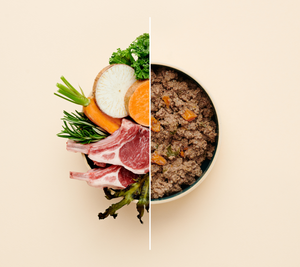 Give your dog the quality nutrition they deserve
Real meat, wholesome veggies and functional superfoods.
Get 30% off: Take the quiz