




 Vet reviewed
What is the best dog food for a Beauceron?

At a glance
- Beaucerons thrive on a high-protein diet built around quality animal protein - this is a large, muscular working breed with significant lean muscle mass to maintain and high daily energy expenditure.
- Joint and bone health are genuine long-term dietary priorities for Beaucerons - omega-3 fatty acids and glucosamine-supporting nutrients become increasingly important as this deep-chested, heavy-framed breed ages.
- Bloat (gastric dilatation-volvulus) is a serious risk in Beaucerons - feeding two smaller meals daily rather than one large meal, and avoiding exercise immediately after eating, are straightforward practices every owner should follow.
- Portion discipline matters throughout adulthood - Beaucerons carry weight less visibly than lighter breeds, making regular body condition checks more important than relying on appearance alone.
- Fresh food with controlled moisture and whole ingredients reduces the digestive load on a deep-chested breed where gut transit rate and fermentation are worth managing carefully.
What is the best diet for a Beauceron?
A high-protein, minimally processed diet built around quality animal protein is the right foundation for a Beauceron. This is one of the most physically substantial herding breeds - heavily muscled, built for endurance, and historically bred for full days of demanding work. The diet needs to reflect that physiology: sufficient protein to maintain lean muscle, appropriate fat for sustained energy, and whole ingredients the digestive system can process efficiently without excess fermentation.
Heavily processed dry kibble creates a higher digestive load than fresh food, and for a breed where gut health is worth managing carefully, the difference between fresh and ultra-processed food is meaningful. The high starch content in most kibble ferments in the gut, contributing to gas - a concern in a breed with known bloat susceptibility. Fresh food with whole, identifiable ingredients and 65-75% moisture content is processed far more efficiently, with less residual fermentation in the lower digestive tract.
The practical checklist for a good Beauceron food is: a named animal protein source in a meaningful quantity, natural sources of omega-3 fatty acids for joint and coat support, no artificial preservatives or high-starch fillers, and a feeding schedule that splits the daily allowance across two meals. Marleybones Pantry Fresh meals are vet-developed from whole ingredients, slow-cooked without preservatives or fillers, and well-suited to a working breed where protein quality and digestive efficiency both matter.
Does a Beauceron's size affect what they should eat?
Directly. Beaucerons are a large, heavy-framed breed - males typically weigh between 30 and 45kg - and their nutritional requirements scale with that size in ways that go beyond simply feeding more of the same food. Large-breed dogs have slower metabolisms relative to their body weight than small breeds, which means calorie density needs more careful management to avoid gradual weight gain that places long-term stress on joints.
Protein quality becomes a more significant variable at this size because the breed carries substantial lean muscle mass that needs maintaining, particularly in working or highly active dogs. A food that delivers protein from whole, named animal sources is utilised more effectively than one where the protein figure is partially made up of plant-derived protein from pea or soy. Beaucerons also have a longer gut transit time than smaller breeds, which makes low-starch, whole-ingredient food genuinely easier to digest - less undigested carbohydrate reaches the large intestine to ferment.
During puppyhood, growth rate management is important - large-breed puppies that grow too rapidly are at higher risk of developmental bone and joint issues. Marleybones Pantry Fresh meals are complete for all life stages, meaning they meet the nutritional requirements of Beauceron puppies as well as adults, without the excess calcium levels sometimes found in foods not formulated with large breeds in mind.
How does diet affect joint health in Beaucerons?
Supporting joint health through diet is one of the most practical things a Beauceron owner can do. The breed's size and muscle mass place consistent load on the joints, and hip and elbow dysplasia appear in the breed with enough regularity that proactive nutritional support is worth starting early rather than waiting for symptoms.
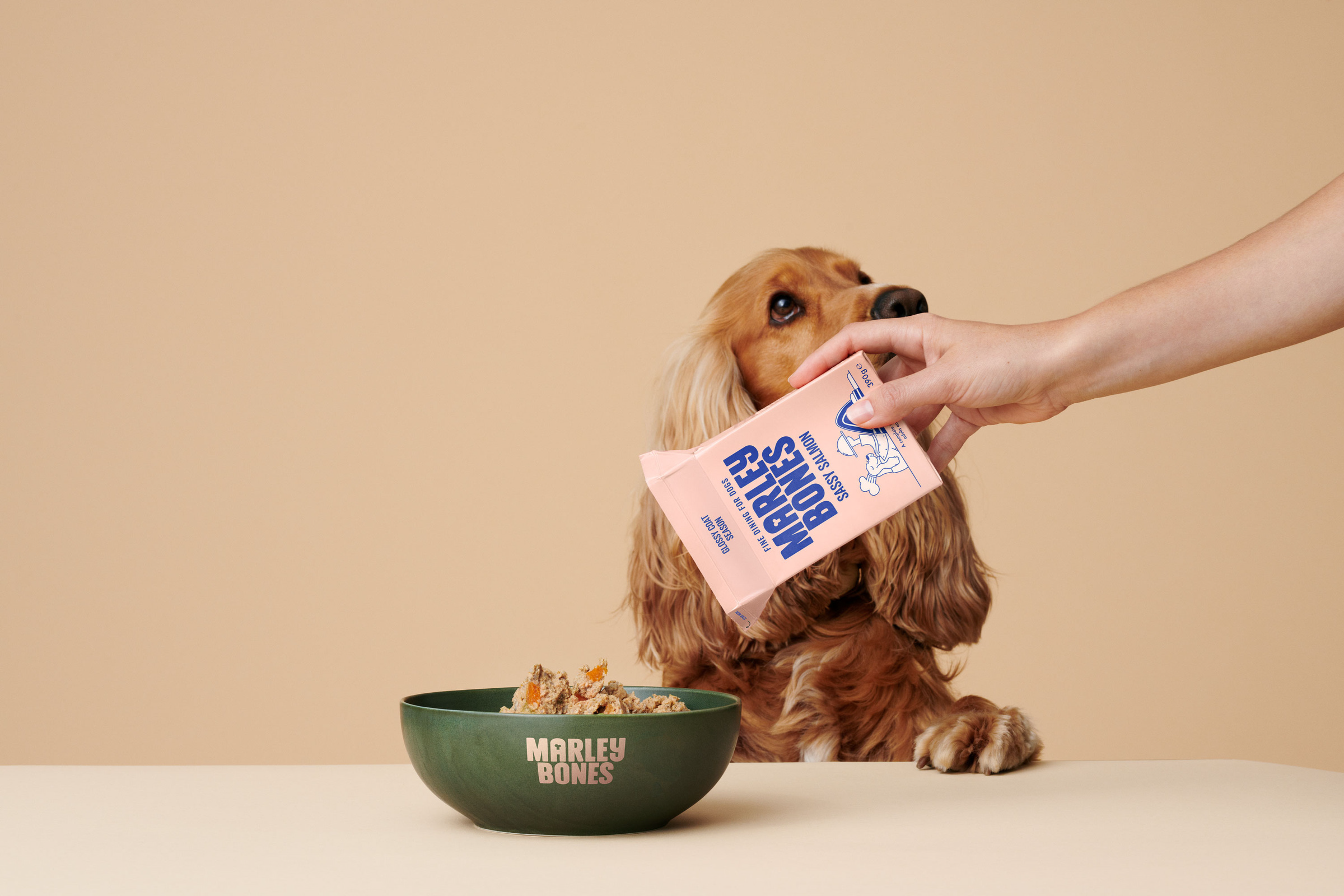
Omega-3 fatty acids - specifically EPA and DHA from oily fish - are the most evidence-backed dietary support for joint health. They reduce systemic inflammation, which is the mechanism behind much of the discomfort in dysplasia and early-stage arthritis. A diet that includes a natural source of omega-3s as a whole ingredient, rather than a synthetic additive in an otherwise poor-quality food, delivers more consistent benefit. Sassy Salmon provides EPA and DHA from whole salmon alongside clean, whole ingredients - a straightforward way to build joint-supporting nutrition into the daily diet rather than relying solely on supplements.
Weight management is the other half of the joint health equation. Every kilogram of excess weight adds disproportionate load to a large-breed dog's joints. Keeping a Beauceron in lean body condition throughout adulthood is one of the most direct ways to slow the progression of joint wear, and it is determined almost entirely by what and how much the dog is fed. If joint stiffness is already present, a dedicated joint health supplement alongside a quality diet gives more targeted support than diet alone.

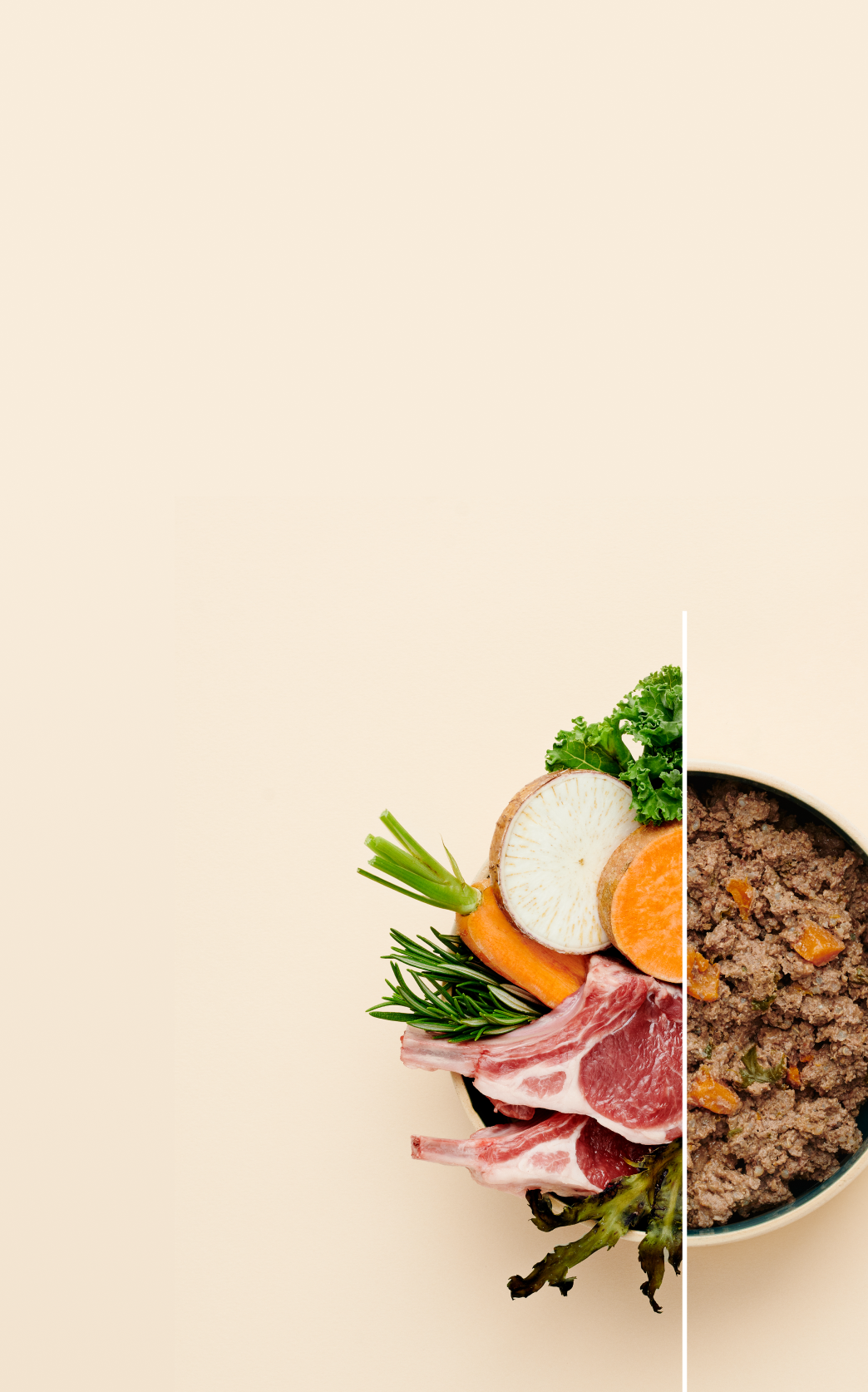
Freshly prepared British beef, veggies & superfoods
What protein is best for a Beauceron?
Beef and lamb are the strongest protein choices for most Beaucerons - both are red meats that suit a large, muscular breed well, providing the amino acid profile needed for muscle maintenance alongside a flavour profile this type of working dog tends to find highly palatable. Salmon is the best choice where joint and coat support are a priority, or where a novel protein is needed for a dog with a history of sensitivity to common proteins.
Beaucerons are not typically a breed with high rates of food sensitivity, but dogs that have eaten the same chicken-based food for several years can develop a reaction to it over time. Where digestive symptoms or skin issues appear, switching to a protein the dog has not eaten regularly is the first practical step - and a single-protein meal makes it straightforward to assess what the dog tolerates. Marleybones Lush Lamb and Sassy Salmon are both single-protein meals built around whole, recognisable ingredients, with chicory root as a natural prebiotic to support gut health during and after any dietary transition.
For highly active Beaucerons in regular work or sport, protein percentage should be on the higher end and from predominantly animal sources. Plant proteins from peas or lentils count toward the total protein figure on a label but are not as biologically available as animal protein - worth checking the ingredient list rather than the headline protein percentage alone.
How much should I feed a Beauceron?
An adult Beauceron in moderate activity typically needs between 1,400 and 1,900 kcal per day depending on size, sex, and activity level - working dogs at the active end of that range, sedentary or neutered adults at the lower end. The most reliable guide is body condition rather than the scales: ribs should be easily felt without pressing hard, and there should be a visible waist when viewed from above. A Beauceron carrying excess weight often looks broadly similar to a fit one until you run your hands along the ribcage.
Split the daily allowance across two meals, morning and evening. This is standard practice for any large, deep-chested breed where bloat is a risk - one large daily meal increases gastric volume and gas accumulation in ways that two smaller meals do not. Avoid vigorous exercise for at least an hour before and after feeding. Feeding guides on packaging are a starting point; adjust to body condition over six to eight weeks and account for any treats in the daily calorie total. Fresh food is more satiating than equivalent calories in dry kibble, so owners switching from kibble typically find the dog is satisfied on a lower nominal calorie count.
Every dog is different - build your personalised Marleybones feeding and health plan tailored to your dog's age, size, and health requirements.How do different dog food formats compare for Beaucerons?
| Format | Moisture content | Processing level | Verdict for Beaucerons |
|---|---|---|---|
| Fresh (Pantry Fresh) | 65-75% | Minimal - slow low-temperature cooking | Best option - whole animal protein, low starch, supports joint health and digestion |
| Raw | 65-75% | None | Works well for this breed - high protein, low starch, but preparation and bacterial handling required |
| Wet / canned | 75-85% | Moderate | Better than kibble - ingredient quality varies widely, check meat content carefully for a breed this size |
| Cold pressed | Around 12% | Low - below extrusion temperatures | Reasonable middle ground - lower starch than kibble, though moisture remains limited |
| Dry kibble | Around 10% | High - high-temperature extrusion | Weakest option - high starch contributes to fermentation and gas, a concern in a bloat-susceptible breed |
FAQs
How often should I feed my Beauceron?
Twice daily, morning and evening in roughly equal portions. For a large, deep-chested breed with bloat susceptibility, splitting the daily ration across two meals is a practical risk reduction measure, not just a preference. Avoid exercise for at least an hour either side of feeding. Beauceron puppies under six months need three to four smaller meals per day to support their rapid growth rate.
Are Beaucerons prone to bloat, and does diet help?
Beaucerons have the deep chest and large body size associated with elevated bloat risk, and diet plays a direct role in management. Feeding two smaller meals rather than one large one, avoiding rapid eating, and not exercising immediately before or after meals are the most evidence-backed dietary practices for reducing risk. Elevated food bowls have mixed evidence and are not universally recommended - discuss the specifics with your vet. If a Beauceron shows signs of a distended, hard abdomen, unproductive retching, or sudden distress after eating, this is a veterinary emergency.
Does a Beauceron need a large-breed specific food?
Not necessarily - what matters is whether the food meets the nutritional requirements of a large, active breed, not whether it carries a large-breed label. The key variables are protein quality and quantity, appropriate fat levels, and controlled calcium during puppyhood. A complete fresh food formulated for all life stages and built around whole animal protein addresses those requirements without the need for a breed-specific label.
Is Marleybones Pantry Fresh good for Beaucerons?
Yes. Marleybones Pantry Fresh meals are vet-developed, contain no artificial preservatives or fillers, and are built around whole animal protein - exactly what a large, muscular working breed needs. With a 4.9/5 Trustpilot rating and over 2,000,000 meals delivered, Sassy Salmon is a strong choice for Beaucerons where joint support is a priority, providing natural EPA and DHA omega-3 fatty acids from whole salmon. Lush Lamb and Boss Beef are both high-protein single-protein options suited to the breed's muscle mass and energy demands.
Can diet help with hip dysplasia in Beaucerons?
Diet cannot prevent hip dysplasia, which has a strong genetic component, but it influences the severity and progression of symptoms significantly. Maintaining lean body condition reduces joint load, and omega-3 fatty acids from oily fish reduce the inflammation that drives discomfort in dysplastic joints. These are practical, consistent supports that make a meaningful difference over the long term, particularly when started early rather than after symptoms appear.
My Beauceron is very active - do they need more protein?
Active and working Beaucerons have higher protein requirements than sedentary adults, both to fuel performance and to support muscle repair and maintenance. The protein should come primarily from animal sources - whole meat, fish, or named meat meals - rather than plant-derived protein that inflates the headline percentage without equivalent biological availability. Adjust total daily calories upward for genuinely high-activity periods, and monitor body condition to ensure the dog is maintaining lean muscle rather than losing it.
How long before I see results after switching my Beauceron's food?
Digestive changes - improved stool quality, less gas - are typically noticeable within two to four weeks. Coat and skin condition improves over six to eight weeks. Joint mobility improvements from dietary omega-3 fatty acids take longer to accumulate, with meaningful changes more apparent over three to four months of consistent feeding. If there is no improvement in digestive symptoms after four weeks on a consistent diet, a vet assessment is the right step before continuing to adjust the food.

Gloss up your pup’s life with an omega-3 booster


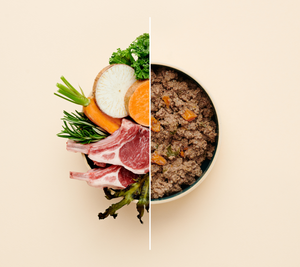 Give your dog the quality nutrition they deserve
Real meat, wholesome veggies and functional superfoods.
Get 30% off: Take the quiz