


 Vet reviewed
What’s the best dog food for a Bavarian Mountain Hound?

At a glance
- Bavarian Mountain Hounds do best on fresh, whole-ingredient food built around a high-quality animal protein - the breed's high activity level and muscular build mean protein quality and digestibility directly affect recovery, stamina, and condition.
- Joint and connective tissue health is a genuine consideration for this breed - a diet with natural sources of omega-3 fatty acids and glucosamine-supporting ingredients gives practical nutritional backing for an active working dog.
- Bavarian Mountain Hounds have a well-developed digestive system suited to a meat-forward diet - whole, minimally processed food with a named protein source is more appropriate than grain-heavy, highly processed kibble.
- Weight management requires attention in less active periods - this breed's appetite does not self-regulate reliably when exercise drops, so portion discipline during off-season or recovery matters.
- Coat condition in this breed is closely linked to dietary fat quality - named animal fats and omega-3 fatty acids from oily fish keep the breed's dense, close-lying coat in the condition it needs for outdoor work.
What is the best diet for a Bavarian Mountain Hound?
Fresh, minimally processed food built around a single high-quality animal protein is the most appropriate diet for a Bavarian Mountain Hound. This is a working breed developed for stamina and scenting in demanding terrain - its nutritional requirements reflect that heritage. Lean muscle mass, joint integrity, coat condition, and sustained energy all depend on the quality of what goes in the bowl.
Dry kibble delivers around 10% moisture and relies on high-temperature extrusion that denatures proteins and destroys heat-sensitive nutrients. For an athletic breed that asks a lot of its body, the gap between what kibble provides and what the body actually needs shows up in recovery time, coat quality, and long-term joint health. Fresh food cooked at lower temperatures retains more of its natural nutrient profile and delivers the moisture content the digestive system handles most efficiently.
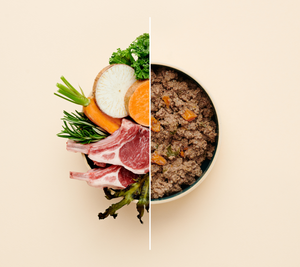
The practical checklist for a good Bavarian Mountain Hound food is: a named protein source in the first ingredient, natural omega-3 fatty acids for joint and coat support, no artificial preservatives or low-grade fillers, and portions calibrated to activity level rather than a fixed daily amount. Marleybones Pantry Fresh meals are vet-developed, built around whole ingredients slow-cooked in-pack, and free from artificial additives - well-suited to a breed where nutritional quality translates directly into physical performance and condition.
Do Bavarian Mountain Hounds need more protein than other dogs?
Active working dogs need more protein than the average pet, and Bavarian Mountain Hounds are built for sustained physical effort. Protein supports muscle repair after exertion, maintains lean body condition, and underpins the immune function that keeps a working dog healthy across seasons. The quality of that protein matters as much as the quantity - digestible whole-meat protein from an identifiable source is used far more efficiently by the body than rendered meat meal of unspecified origin.
A diet where the first ingredient is a named animal protein - beef, lamb, salmon, chicken - and where that protein comes from whole ingredients rather than by-products, gives a Bavarian Mountain Hound the building blocks its body genuinely needs. Dogs in regular work or structured exercise need the higher end of that protein provision. Dogs in lighter activity phases need portion adjustment, not a lower-quality food.
If digestive changes, weight loss, or coat deterioration appear alongside a high activity level, review protein quality and total intake before assuming a health problem. Poor-quality protein from heavily processed food is a common and overlooked cause of condition decline in working breeds.
What about joint health in Bavarian Mountain Hounds?
Supporting the joints through diet is one of the most practical things an owner can do for this breed. Bavarian Mountain Hounds work on challenging terrain and carry a muscular build - over time, the cumulative load on joints makes nutritional support genuinely useful rather than optional. The most relevant dietary contributors are omega-3 fatty acids from oily fish, which reduce systemic inflammation and protect joint tissue, and whole food ingredients that provide natural glycosaminoglycan precursors.
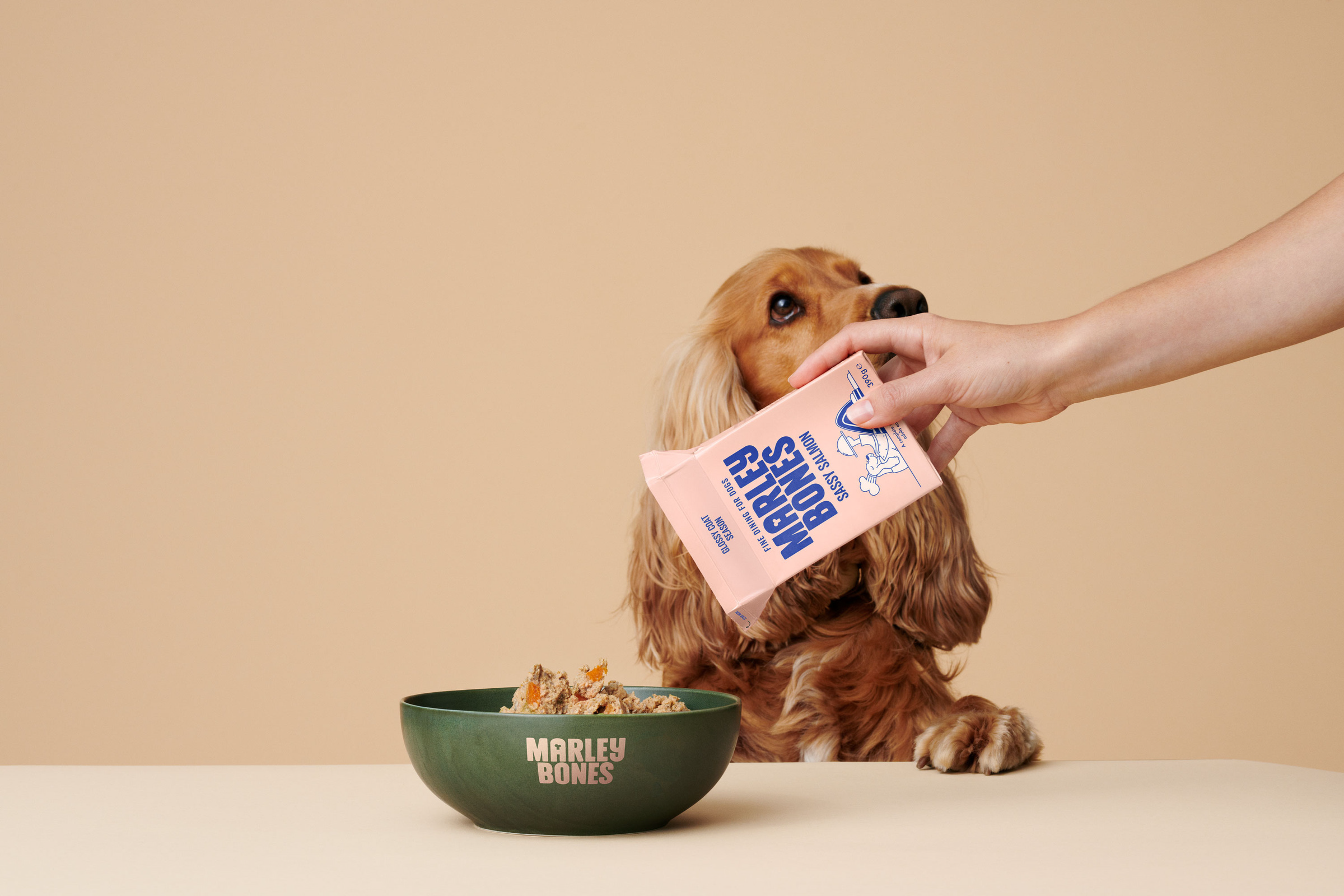
Salmon-based food is the strongest single dietary choice for joint support in this breed - it delivers clean protein alongside EPA and DHA omega-3 fatty acids from a natural source. Marleybones Sassy Salmon provides both in a whole-ingredient recipe with no artificial additives, which makes it a practical everyday choice for owners who want dietary joint support built into the bowl rather than added separately.
For dogs already showing stiffness or reduced mobility, a dedicated joint health supplement alongside a fresh, omega-3-rich diet gives more targeted support. If symptoms are significant or worsening, a vet assessment is the appropriate first step - diet supports joint health but does not replace clinical management where it is needed.

Freshly prepared British beef, veggies & superfoods
What protein is best for a Bavarian Mountain Hound?
Beef and lamb are strong natural starting points for this breed - both are red meat proteins that suit the Bavarian Mountain Hound's physiology and tend to sit well with a digestive system accustomed to a meat-forward diet. Salmon is the most nutritionally complete option for dogs where joint and coat support are priorities, delivering omega-3 fatty acids alongside clean, highly digestible protein. Chicken is widely tolerated but is also the most commonly overfed protein, making sensitivity more likely in dogs that have eaten it exclusively for extended periods.
Single-protein meals give the clearest picture of what a dog tolerates and perform best for owners trying to identify the source of any digestive or skin issues. Rotating proteins across meals or between feeding periods is a practical approach for a healthy working dog - it reduces the chance of developing a sensitivity to any one protein and provides broader nutritional variety.
For Bavarian Mountain Hounds doing regular fieldwork or structured exercise, the priority is digestibility alongside protein density. Whole meat from an identifiable source, slow-cooked rather than extruded, is absorbed more completely than the equivalent protein content in standard dry kibble, meaning more of what is eaten is actually used.
How much should I feed a Bavarian Mountain Hound?
Adult Bavarian Mountain Hounds typically weigh between 20 and 25kg, but the right daily portion depends on activity level as much as body weight. A dog in regular fieldwork burns significantly more energy than the same dog resting between seasons - feeding a fixed amount regardless of activity leads to either under-fuelling during work or weight gain during rest periods.
Use body condition as your guide: ribs should be easily felt without pressing, and a waist visible from above. Fresh food is more satiating than kibble at the equivalent calorie count because the higher moisture content occupies more volume in the stomach - most owners find they can reduce the nominal calorie intake modestly without any sign of hunger. Adjust portions over four to six weeks based on condition rather than treating the starting amount as fixed, and account for training treats, which add up quickly in a breed this food-motivated when working.
Puppies and young dogs under twelve months need feeding to support growth as well as activity - three to four smaller meals a day up to six months, moving to twice daily after that. Every dog is different - build your personalised Marleybones feeding and health plan tailored to your dog's age, size, and health requirements.
How do different dog food formats compare for Bavarian Mountain Hounds?
| Format | Moisture content | Processing level | Verdict for Bavarian Mountain Hounds |
|---|---|---|---|
| Fresh (Pantry Fresh) | 65-75% | Minimal - slow low-temperature cooking | Best option - whole ingredients, supports joint health, coat condition, and recovery in an active working breed |
| Raw | 65-75% | None | Works for some - bacterial load a consideration for dogs in close contact with people or game; preparation and safe handling required |
| Wet / canned | 75-85% | Moderate | Better than kibble - ingredient quality varies widely; check for named protein sources and minimal fillers |
| Cold pressed | Around 12% | Low - below extrusion temperatures | Reasonable middle ground - lower processing than kibble but limited moisture for an active breed |
| Dry kibble | Around 10% | High - high-temperature extrusion | Hardest to digest - low moisture, denatured proteins, weakest option for a breed dependent on nutritional quality for physical performance |
FAQs
How often should I feed a Bavarian Mountain Hound?
Twice daily is appropriate for adult Bavarian Mountain Hounds - morning and evening in roughly equal portions. Avoid feeding a large single meal immediately before or after intense exercise, as deep-chested working dogs carry a modest risk of digestive discomfort from feeding and exertion in close sequence. A gap of at least an hour either side of significant activity is a sensible habit.
Is Marleybones Pantry Fresh good for Bavarian Mountain Hounds?
Yes. Marleybones Pantry Fresh meals are vet-developed, built from whole ingredients with no artificial preservatives or fillers, and available in single-protein recipes well-suited to an active working breed. Sassy Salmon is the strongest choice for Bavarian Mountain Hounds - it provides natural EPA and DHA omega-3 fatty acids for joint and coat support alongside highly digestible whole-meat protein. With a 4.9/5 Trustpilot rating and over two million meals delivered, it is a practical everyday option for owners who want nutritional quality matched to the demands of a working dog.
Can diet help with the Bavarian Mountain Hound's coat condition?
Directly, yes. The breed's dense, close-lying coat needs dietary fat from quality sources to stay healthy, weather-resistant, and in good condition for outdoor work. Named animal fats and omega-3 fatty acids from oily fish are the most useful dietary contributors - a dull, dry, or rough coat in an otherwise healthy dog is frequently a sign that the current food is not delivering fat in a form the body can use. Coat improvement is typically visible within six to eight weeks of switching to a diet with better fat quality.
Do Bavarian Mountain Hounds have sensitive stomachs?
Not as a rule - this is a hardy working breed without the pronounced digestive sensitivity seen in some companion breeds. That said, a highly processed, grain-heavy diet with low-quality protein is not well-matched to a breed built for a meat-forward diet, and digestive changes in response to poor food quality are common. Loose stools, wind, or inconsistent digestion that appears on a heavily processed food often resolves on a switch to fresh, whole-ingredient feeding with a named protein source.
Should I feed my Bavarian Mountain Hound differently during hunting season?
Yes, activity-based portion adjustment is the most practical approach. Dogs in regular fieldwork need more calories and more protein than the same dog in a rest period - fresh food makes this easier to calibrate because portion increases do not mean a proportional increase in low-quality filler. Increase portions gradually before the season begins rather than making abrupt changes, and scale back equally gradually once activity drops to avoid weight gain.
Is grain-free food better for Bavarian Mountain Hounds?
Not automatically. The Bavarian Mountain Hound's digestive system handles whole grains reasonably well, and grain itself is not the issue - it is the quantity and quality of grain used as cheap filler in heavily processed food that causes problems. Whole oats or brown rice in a fresh, minimally processed recipe are a different proposition to refined grain starch making up the majority of a dry kibble's composition. Grain-free foods that replace grain with large quantities of legumes are not automatically a better choice and carry their own nutritional considerations.

Freshly prepared British chicken, veggies & superfoods


 Give your dog the quality nutrition they deserve
Real meat, wholesome veggies and functional superfoods.
Get 30% off: Take the quiz