



 Vet reviewed
What is the best dog food for Basenjis?

At a glance
- Basenjis do best on a high-protein, minimally processed diet built around a single quality protein source - the breed's lean muscle mass and active metabolism make protein quality a genuine priority rather than a background consideration.
- Novel proteins like lamb and salmon are the strongest starting points for Basenjis with digestive sensitivity or recurring skin irritation - the breed's digestive tract is notably compact, and ingredient quality shows up quickly in stool consistency and gut comfort.
- Fresh food with 65-75% moisture supports a Basenji's lean physique and short, fine coat more effectively than dry kibble - and makes a visible difference to coat sheen within six to eight weeks.
- Basenjis are prone to Fanconi syndrome, a kidney condition that affects how the body processes nutrients - a diet low in artificial additives and with clean, whole-ingredient protein sources reduces the burden on the kidneys.
- Weight creep is a risk as Basenjis age or become less active - portion discipline tied to body condition rather than the scales is the most reliable way to keep this naturally lean breed in good shape.
What is the best diet for a Basenji?
A high-protein, minimally processed fresh diet built around a single named protein source is the most appropriate food for most Basenjis. The breed is lean, athletic, and has a compact digestive system that is less tolerant of heavily processed ingredients, synthetic additives, and cheap grain fillers than many other breeds.
Dry kibble contains around 10% moisture and is produced through high-temperature extrusion, a process that degrades proteins and strips out natural nutrients. For a breed where digestion is already on the sensitive side, the difference between a minimally processed fresh diet and standard kibble shows up clearly - in stool quality, coat condition, and how comfortably the dog handles mealtimes. Fresh food at 65-75% moisture is simply easier for a Basenji's gut to process.
The practical checklist for a good Basenji food: a named protein you can read on the label, no artificial preservatives or fillers, controlled portions to preserve the breed's lean build, and clean ingredients that do not add unnecessary load to the kidneys. Marleybones Pantry Fresh meals are vet-developed, single-protein recipes slow-cooked from whole ingredients with no artificial additives - well matched to a breed where ingredient quality matters from the gut outward.
Do Basenjis have sensitive stomachs?
Many do, and the breed's unusually compact gastrointestinal tract makes it less forgiving of poor-quality ingredients than a larger, more robust breed. Loose stools, intermittent digestive upset, and sensitivity to rapid dietary changes are all common in Basenjis, and the root cause is almost always what is going into the bowl rather than an underlying clinical condition.
Heavily processed food places a disproportionate load on a small, sensitive gut. High-temperature extrusion denatures proteins, which means the digestive system works harder to break them down - and the surplus starch used as a binding agent in most dry kibbles ferments in the gut, producing wind and loose stools. Switching from kibble to a fresh, minimally processed diet resolves this in most Basenjis within two to four weeks, without any other intervention.
If digestive symptoms persist beyond four weeks of a dietary change, or include blood in stools, significant weight loss, or repeated vomiting, consult a vet before continuing to adjust the food. Some presentations need clinical assessment rather than a food switch alone.
What protein is best for a Basenji?
Lamb and salmon are the strongest starting points for most Basenjis, particularly dogs with any history of digestive sensitivity or those currently eating chicken or beef. A protein a dog has not eaten regularly is less likely to cause a reaction, because no sensitivity has had time to build.
Salmon is the most complete choice nutritionally for Basenjis specifically - it provides clean, bioavailable protein alongside EPA and DHA omega-3 fatty acids that support the breed's skin barrier and fine coat. Lamb is the better option for dogs that already eat fish regularly or need a red meat protein without the higher allergenicity of beef. Both are lower-reactivity proteins than chicken, which is so widely used in commercial dog food that sensitivity to it is increasingly common in dogs fed the same food for extended periods.
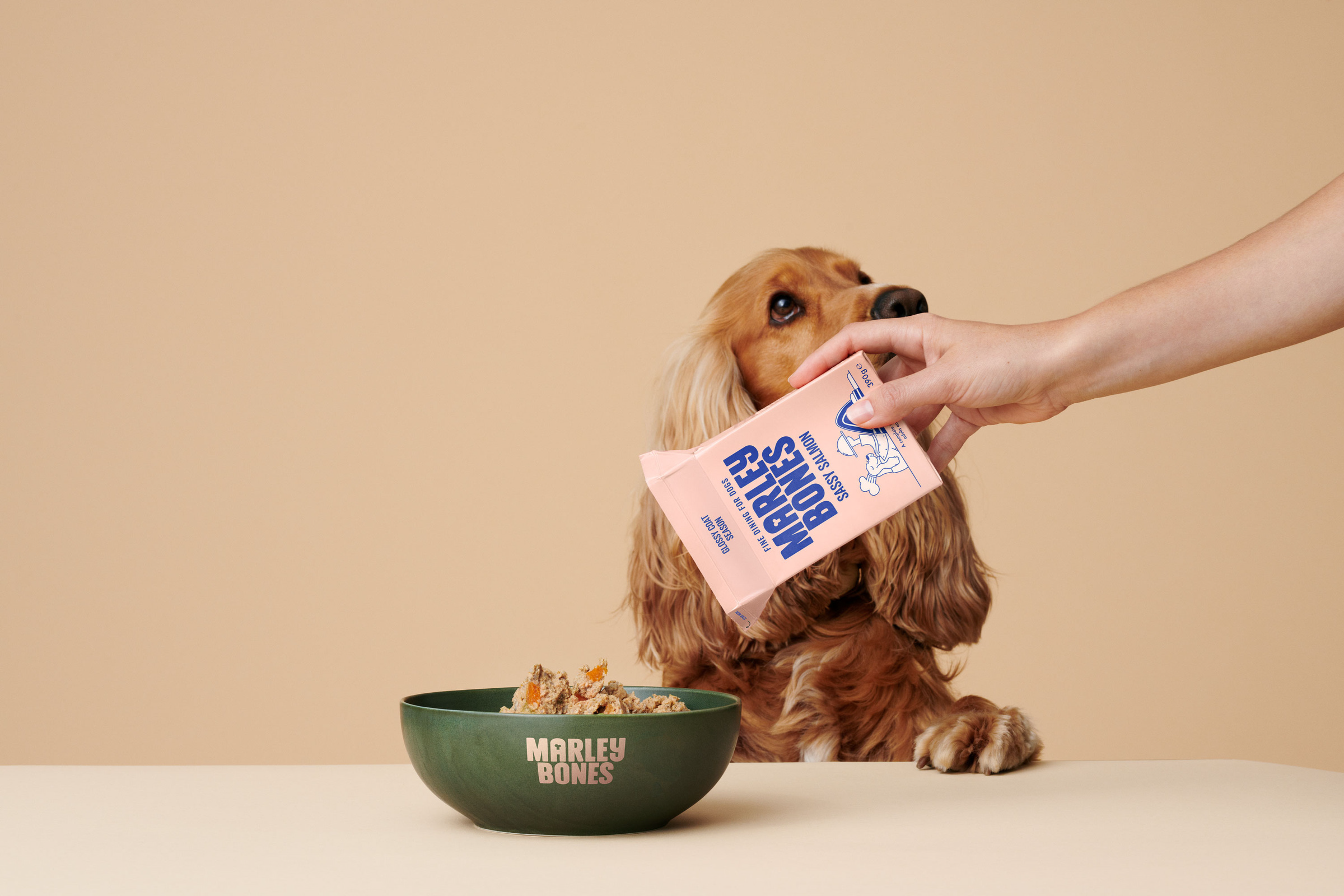
Single-protein meals are the most reliable choice for any Basenji with a reactive gut - they make it straightforward to identify what the dog tolerates without the guesswork of multi-protein recipes. Marleybones Sassy Salmon and Lush Lamb are both built on whole, recognisable ingredients with chicory root as a natural prebiotic - which gives the digestive system additional support during and after the transition.
How much should I feed a Basenji?
An adult Basenji typically weighs between 9.5 and 11kg, though the breed's lean, muscular build means body condition is a more reliable guide than the scales. You should be able to feel the ribs easily without pressing hard, and the waist should be visible both from above and from the side. A Basenji carrying excess weight loses that characteristic athletic tuck - if it disappears, the daily portion needs reducing.
Fresh food is more satiating than the equivalent calorie count in dry kibble because the higher moisture content occupies more volume in the stomach. Most owners transitioning a Basenji from kibble to fresh food find they can reduce the nominal calorie count without the dog appearing hungry. Adjust portions based on body condition over six to eight weeks, and account for treats - they add up more quickly than most owners expect.
How does Fanconi syndrome affect a Basenji's diet?
Dietary management cannot prevent or treat Fanconi syndrome, which is a genetic condition that impairs the kidneys' ability to reabsorb nutrients including glucose, amino acids, and electrolytes. What diet can do is reduce the overall burden on the kidneys by keeping ingredient quality high, avoiding synthetic additives and preservatives, and ensuring protein comes from clean, identifiable sources rather than rendered by-products of unknown origin.
Basenjis confirmed with Fanconi syndrome require veterinary management, and any dietary changes for an affected dog should be made in consultation with a vet rather than on a general breed feeding guide. For unaffected Basenjis, and for carriers identified through DNA testing, a clean diet built on whole ingredients is a reasonable and practical baseline - not as a treatment, but as one less unnecessary stressor on a system the breed is already predisposed to finding challenging.
Every dog is different - build your personalised Marleybones feeding and health plan tailored to your dog's age, size, and health requirements.
How do different dog food formats compare for Basenjis?
| Format | Moisture content | Processing level | Verdict for Basenjis |
|---|---|---|---|
| Fresh (Pantry Fresh) | 65-75% | Minimal - slow low-temperature cooking | Best option - whole ingredients, easy on a compact gut, supports lean muscle and coat |
| Raw | 65-75% | None | Works for some - bacterial load a consideration, preparation required, protein sourcing matters |
| Wet / canned | 75-85% | Moderate | Better than kibble - moisture content is helpful, but ingredient quality varies widely |
| Cold pressed | Around 12% | Low - below extrusion temperatures | Reasonable middle ground if fresh is not accessible - lower processing than standard kibble |
| Dry kibble | Around 10% | High - high-temperature extrusion | Hardest to digest - worst option for Basenjis with a sensitive gut or lean kidney function |
FAQs
How often should I feed my Basenji?
Twice daily is the right pattern for adult Basenjis - morning and evening in roughly equal portions. One large meal a day is harder on the digestive system and does not suit a compact gut well. Basenji puppies under five months need three to four smaller meals daily to support growth without overloading digestion.
Why does my Basenji have loose stools?
Loose stools in Basenjis are almost always dietary in origin - either a protein the gut is reacting to, surplus starch fermenting in the digestive tract, or artificial additives irritating the gut lining. Switching to a single-protein fresh food with no fillers or synthetic additives resolves it in the majority of cases within two to four weeks. If loose stools are accompanied by blood, significant weight loss, or vomiting, see a vet before making any further dietary adjustments.
Is grain-free food better for Basenjis?
Not automatically. The problem in most grain-containing dog foods is not grains per se but the volume of cheap starch used as a filler in heavily processed kibble. A Basenji reacting to wheat in low-quality kibble may tolerate whole oats or brown rice in a minimally processed fresh meal without any issue. Grain-free recipes that replace grain with large quantities of peas or lentils have their own nutritional considerations and are not automatically easier on a Basenji's digestive system.
Does diet affect a Basenji's coat?
Directly, yes. The Basenji's short, fine coat reflects nutritional status clearly - a diet low in quality fat and omega-3 fatty acids produces a dull, dry coat, while a clean diet with identified fat sources and natural EPA and DHA keeps the coat tight, shiny, and healthy. Coat improvement is one of the first changes owners notice after switching to fresh food, typically within six to eight weeks. If the coat looks dull despite regular care, the ingredient list on the current food is the first place to investigate.
My Basenji is very lean - should I be feeding more?
A lean build is correct for the breed - Basenjis are sighthound-adjacent in their physique, and visible musculature with minimal fat cover is normal and healthy. The question to ask is whether ribs are easily felt (correct) or whether the dog looks underweight with prominent hip bones and spine (not correct). If body condition looks genuinely thin rather than lean, increase portions in small increments over two to three weeks and reassess - do not jump straight to doubling portions.
Is Marleybones Pantry Fresh good for Basenjis?
Yes. Marleybones Pantry Fresh meals are vet-developed, single-protein recipes built from whole ingredients with no artificial preservatives or fillers - a strong match for a breed with a compact, sensitive gut and an active metabolism that benefits from clean, bioavailable protein. Sassy Salmon is the strongest choice for most Basenjis, delivering natural EPA and DHA omega-3s alongside a novel protein that the gut is unlikely to have developed a sensitivity to. Rated 4.9/5 on Trustpilot, with over two million meals delivered, it is one of the most straightforward switches an owner can make for a breed where ingredient quality shows up directly in digestion and coat condition.
Can diet help with a Basenji's energy levels?
A well-fed Basenji on a quality protein-led diet maintains steady energy throughout the day without the spikes and crashes associated with high-starch dry food. Heavily processed kibble relies on rapidly digested carbohydrate for a significant portion of its caloric content, which produces short bursts of energy followed by a drop. Fresh food with a protein-led caloric profile provides more consistent energy release - which suits an active, alert breed like the Basenji well.


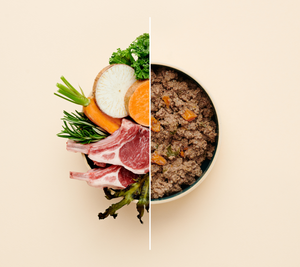 Give your dog the quality nutrition they deserve
Real meat, wholesome veggies and functional superfoods.
Get 30% off: Take the quiz