

Best Dog Food for an Overweight Dachshund

At a glance
- The best food for an overweight Dachshund is a lower-calorie, high-protein diet that preserves muscle while reducing fat, fed in controlled portions rather than left down all day.
- Dachshunds carrying excess weight face significantly higher pressure on their spine, raising the risk of intervertebral disc disease (IVDD), a condition this breed is already prone to.
- A healthy adult Dachshund typically weighs between 9 and 12kg, and even 1kg over is proportionally more serious than it sounds on a small frame.
- Fresh, high-protein meals with no fillers help dogs feel satisfied on fewer calories, which matters when portions are being cut.
- Weight loss in dogs should happen gradually, aiming for around 1 to 2% of body weight lost per week.
What is the best dog food for an overweight Dachshund?
The best dog food for an overweight Dachshund is a complete, high-protein recipe that's lower in fat and calorie-dense fillers, fed in measured portions to create a gentle calorie deficit. Protein needs to stay high even as calories come down, because this is what protects lean muscle while body fat is lost. Dachshunds are particularly prone to weight gain because they're low-energy, food-motivated, and small enough that a few extra treats a day tip the scales fast.
This isn't just about looks. Extra weight on a Dachshund's uniquely long spine increases pressure on the discs between each vertebra, and vets consistently link obesity to a higher risk of IVDD in this breed. Getting the diet right for a Dachshund is one of the most practical things an owner can do to protect their dog's back long term. It's a topic worth understanding properly as part of feeding your dog correctly through every life stage, since portion needs change constantly with age and activity.
How many calories does an overweight Dachshund need?
A Dachshund at a healthy weight needs roughly 300 to 450 calories a day, depending on activity level, but a dog that needs to lose weight should be fed for their target weight, not their current one. This is the single most common mistake owners make: feeding portions based on how the dog looks now, rather than how it should look.
A vet or vet nurse can calculate a precise calorie target based on ideal body condition, and this is worth doing properly rather than guessing. As a general guide:
- Lean, active adult Dachshund: around 400-450 calories a day
- Overweight or less active Dachshund: 250-350 calories a day during weight loss
- Treats: should never exceed 10% of total daily calories
Weighing food on digital kitchen scales, rather than using a scoop, removes a huge margin of error. Scoops can vary by 20% or more between fills.
What should you actually feed an overweight Dachshund?
An overweight Dachshund does best on a diet with high-quality animal protein, moderate fat, and no unnecessary fillers that add calories without adding nutritional value. Cheap bulking ingredients like excess grain or starch push up calorie density without keeping a dog full, which works against weight loss rather than for it.
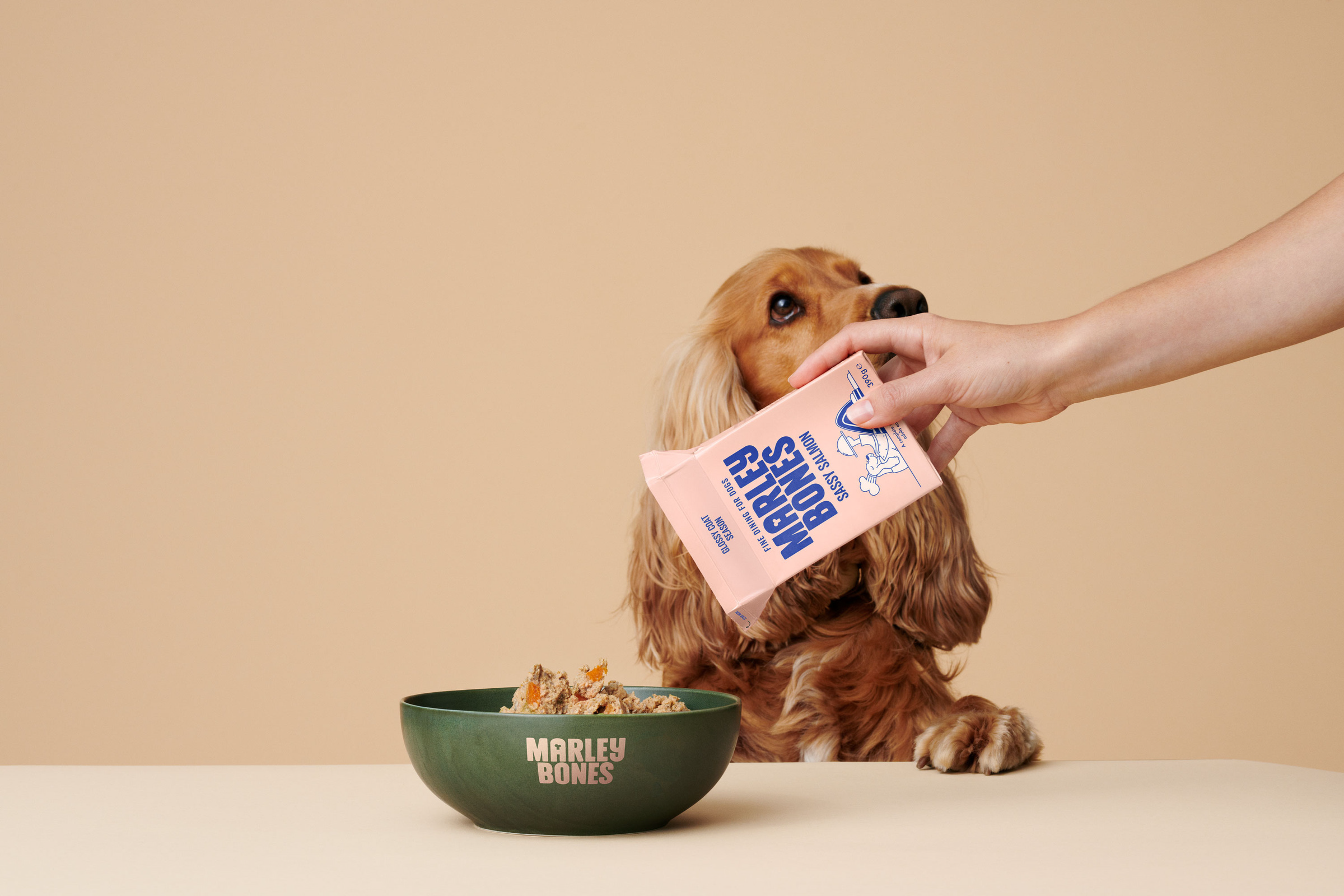
Marleybones recipes are formulated with this balance in mind. The Chic Chicken and Sassy Salmon meals are leaner options within the range, and all four recipes, Boss Beef, Chic Chicken, Lush Lamb and Sassy Salmon, are FEDIAF compliant and made with no fillers, which means every calorie is doing a job. Chicory root, one of the superfood ingredients used across the range, supports gut health as digestion adjusts to a new calorie level.
| Factor | Why it matters for weight loss |
|---|---|
| High protein | Preserves muscle mass while fat is lost |
| Low filler content | Reduces calories without reducing nutrients |
| Consistent recipe | Makes portion and calorie tracking accurate |
| Fresh preparation | Higher nutrient density per gram than heavily processed kibble |
Fresh food tends to have a stronger aroma and texture than dry kibble, which helps satisfy a food-motivated breed on a reduced portion. This matters practically, because a hungry Dachshund on a diet is a Dachshund that will beg, scavenge, and raid bins.
How quickly should a Dachshund lose weight?
A Dachshund should lose weight at a rate of roughly 1 to 2% of body weight per week, no faster. For a 10kg dog, that's around 100 to 200 grams a week, which sounds slow but protects against muscle loss and metabolic slowdown that comes with crash dieting.
Progress should be tracked with a body condition score, not just the number on the scale, since muscle and fat aren't the same weight-for-weight. Ribs should be easily felt but not visible, and there should be a visible waist when viewed from above. If weight isn't shifting after four to six weeks of consistent feeding, or if a Dachshund shows any signs of back pain, weakness in the hind legs, or reluctance to jump, a vet needs to see them straight away. These can be early signs of IVDD and shouldn't wait for a routine check-up.
Does the type of food matter as much as the recipe?
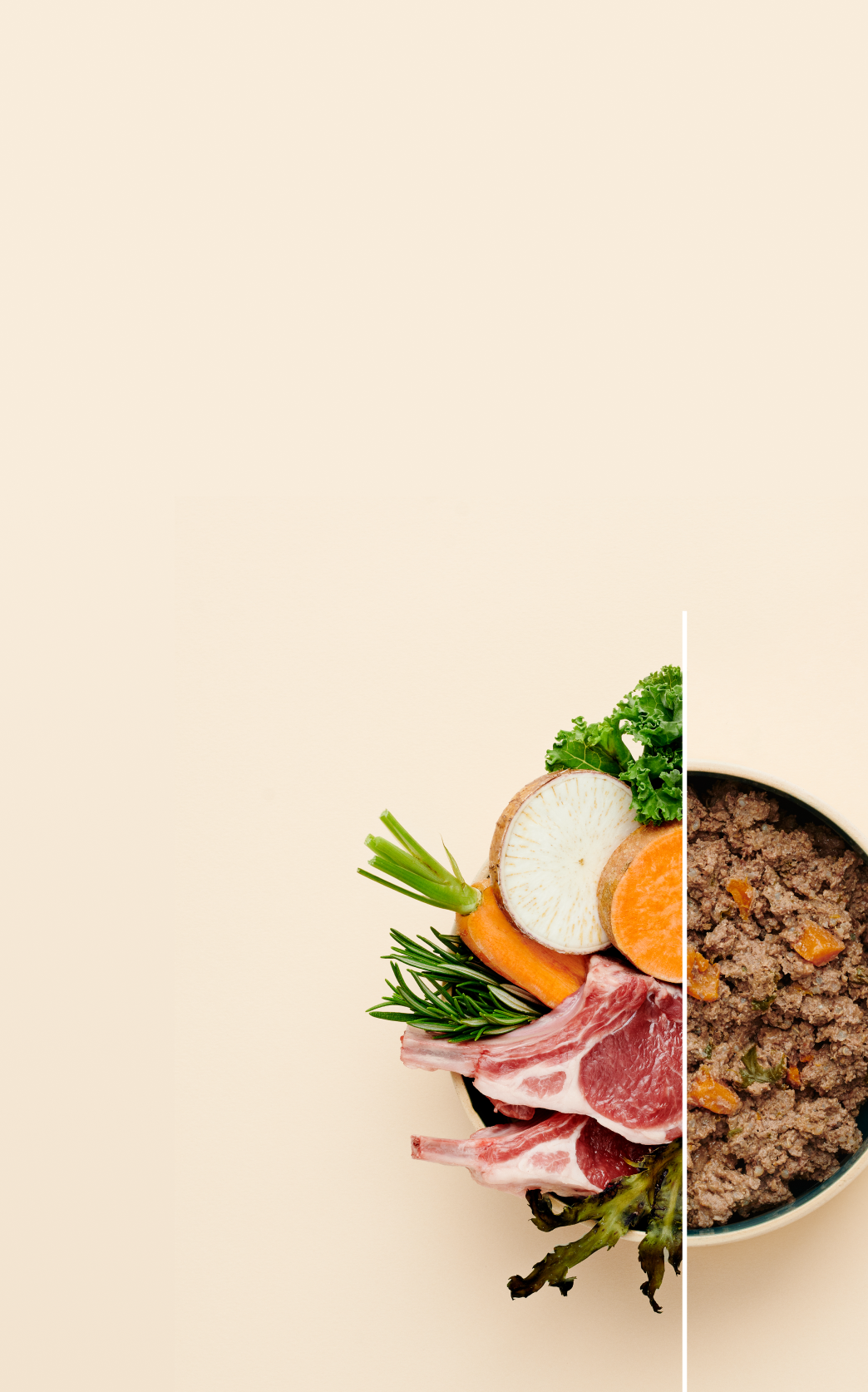
Yes, format matters because it affects how much of the nutrition in the bowl actually gets absorbed. Marleybones meals are Pantry Fresh: ingredients are sealed raw and slow-cooked in the pack, so they stay shelf-stable without preservatives and without needing a freezer. This preparation method keeps more of the natural nutrients intact compared with some heavily processed formats, which matters when every calorie fed needs to count during a weight-loss plan.
Every dog is different, build your personalised Marleybones feeding and health plan tailored to your dog's age, size, and health requirements, which takes the guesswork out of exactly how many grams a day an individual Dachshund needs. For a broader look at how weight management works across breeds, this guide to feeding overweight dogs covers the general principles that apply alongside Dachshund-specific back health concerns.

“Such a relief to see her enjoying her food”
FAQs
How much should I feed my overweight Dachshund?
Feed based on the target weight, not the current weight, starting at around 250-350 calories a day for weight loss and adjusting after two weeks based on progress. A vet can confirm the exact figure using body condition scoring.
Are Dachshunds prone to obesity?
Yes, Dachshunds are one of the breeds most commonly affected by obesity in the UK, largely due to low exercise needs combined with a strong appetite. Studies have found nearly half of Dachshunds are overweight or obese at some point in their life.
Can weight loss actually help a Dachshund's back?
Yes, reducing excess weight lowers the mechanical load on the spine and is one of the most effective ways to reduce the risk of IVDD flare-ups. Vets frequently recommend weight management as a first step for Dachshunds already showing early back sensitivity.
Is fresh food better than kibble for weight loss?
Fresh food isn't automatically lower in calories, but recipes like Marleybones with no fillers make it easier to feed a satisfying portion without excess calorie density. The key factor is always the calorie content per gram, so checking the specific recipe matters more than the format alone.
What treats are okay for a dieting Dachshund?
Single-ingredient treats in small pieces work best, kept to no more than 10% of daily calories. Vegetables like cucumber or green beans make a low-calorie alternative for topping up a Dachshund's treat allowance without derailing progress.
“A complete game changer!!”


 Give your dog the quality nutrition they deserve
Real meat, wholesome veggies and functional superfoods.
Get 30% off: Take the quiz