
What to Feed a Dog Recovering from Surgery

At a glance
- Most dogs can eat a small, bland meal within 12 to 24 hours of routine surgery, once nausea from anaesthesia has settled.
- Boiled chicken breast and plain white rice, in a 1:2 ratio, is the standard vet-recommended bland diet for the first 2 to 3 days.
- Protein needs rise after surgery because the body uses it to rebuild tissue and support wound healing.
- Dogs should transition back to their normal complete diet over 3 to 5 days, not immediately.
- Refusing food for more than 24 hours after surgery is a reason to contact the vet, not wait it out.
What should I feed my dog immediately after surgery?
Feed a small amount of bland, low-fat food once your dog is fully awake and no longer nauseous, usually 12 to 24 hours after the procedure. Anaesthesia commonly causes nausea and a sluggish gut, so a rich or fatty meal straight after surgery can trigger vomiting or diarrhoea. Plain boiled chicken breast with plain white rice, cooled to room temperature, is the standard first meal vets recommend.
Start with a portion roughly a quarter of their usual mealtime amount. If that stays down for a few hours, offer another small portion rather than a full meal. Some dogs won't want to eat at all on the first day, and that's usually normal within the first 24 hours. Understanding what's happening in the gut during this window is easier if you're already familiar with how diet interacts with common health conditions, since post-surgical recovery follows similar digestive logic to other sensitive periods.
How much protein does a dog need to heal after surgery?
A dog recovering from surgery needs more protein than usual, because protein supplies the amino acids the body uses to repair tissue and rebuild the immune system. Surgical wounds, whether from a spay, a fracture repair, or a dental extraction, all require the body to synthesise new collagen and skin cells. Undernourished or protein-deficient dogs heal measurably slower and are at higher risk of wound complications.
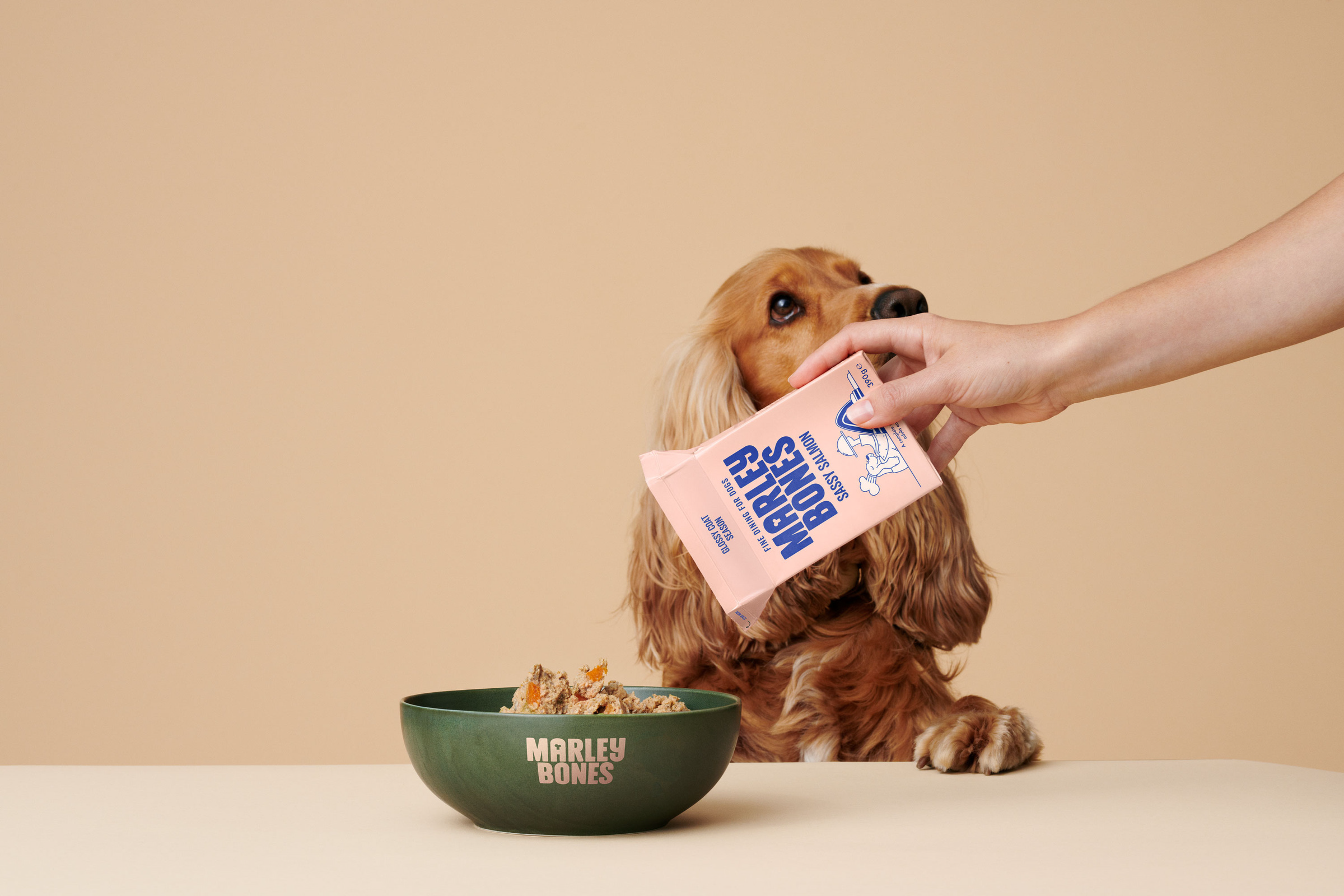
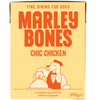
Once the bland-diet phase has passed and your dog is holding food down, move toward a complete, high-quality protein source. Fresh, minimally processed meat is easier to digest than heavily processed alternatives, which matters when the gut is already under strain from anaesthesia and pain medication. Marleybones' Pantry Fresh meals are slow-cooked in-pack rather than extruded at high heat, which keeps more of the natural protein structure intact, and the Chic Chicken recipe is a gentle, single-protein option many owners reach for during recovery weeks.
| Recovery stage | Timeframe | What to feed |
|---|---|---|
| Immediate post-op | 0 to 24 hours | Nothing until fully alert, then small bland meal if advised by vet |
| Bland diet phase | Day 1 to 3 | Boiled chicken and rice, small frequent portions |
| Transition phase | Day 3 to 5 | Gradual mix of bland diet and regular food |
| Normal diet resumed | Day 5 onwards | Full portion of usual complete diet, higher protein if advised |
Why is my dog not eating after surgery, and when should I worry?
A dog not eating in the first 24 hours after surgery is usually just recovering from anaesthesia and mild nausea. This is common and not typically a concern on its own. What matters is the trend: appetite should improve, not stay flat or worsen, over the following day or two.
Pain is one of the biggest reasons dogs stop eating post-surgery, so if your dog seems uncomfortable, that's worth flagging to your vet rather than assuming it's just the anaesthetic wearing off. Speak to your vet if your dog refuses all food for more than 24 hours, vomits repeatedly, shows swelling or discharge at the surgical site, or seems increasingly lethargic rather than gradually more alert. These can be signs of infection, an adverse reaction to medication, or a complication that needs prompt attention.
How do I transition my dog back to normal food after surgery?
Transition your dog back to their usual diet gradually over 3 to 5 days, mixing increasing amounts of the normal food into the bland diet. A sudden switch back to rich or high-fat food can undo the calm you've established in the gut and trigger loose stools or vomiting again. The same principle applies whether you're recovering from surgery or making any dietary change: a slow transition reduces the risk of digestive upset far more reliably than an abrupt swap.
Day one might be 75% bland diet, 25% normal food. By day three or four, that ratio should be reversed. If your dog is on a fresh food diet already, this transition tends to be smoother, since fresh meals are naturally lower in the fillers and heavily processed fats that can be harder on a recovering gut. Hydration matters just as much during this window: keep fresh water available at all times, and if your dog is reluctant to drink, adding a small amount of low-sodium bone broth to food can help.
Every dog is different, and recovery timelines vary by age, breed, and the type of surgery performed. Every dog is different, build your personalised Marleybones feeding and health plan tailored to your dog's age, size, and health requirements, particularly useful if your dog has ongoing joint or digestive issues that surgery has complicated.

“Such a relief to see her enjoying her food”
FAQs
Can I give my dog scrambled egg after surgery?
Yes, plain scrambled egg with no oil, butter, or seasoning is a good bland, high-protein option once your dog is eating normally again after the first 24 hours.
How long does it take a dog's appetite to return to normal after surgery?
Most dogs return to their normal appetite within 2 to 3 days after routine surgery like a spay or neuter, though pain medication can suppress appetite for slightly longer.
Should I avoid giving treats during recovery?
Avoid rich or fatty treats for the first few days, but plain, easily digestible treats are fine once your dog is eating normal meals again and keeping them down.
Can dogs eat their normal kibble straight after surgery?
It's better to wait until the bland diet phase has passed, since normal kibble can be harder to digest while the gut is still settling from anaesthesia.
Does the type of surgery change what I should feed my dog?
Yes, dogs recovering from abdominal or gut surgery need a stricter bland diet for longer, while dogs recovering from orthopaedic or dental surgery can often return to normal food sooner, so always follow your vet's specific discharge instructions.
“A complete game changer!!”


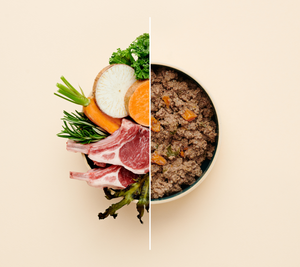 Give your dog the quality nutrition they deserve
Real meat, wholesome veggies and functional superfoods.
Get 40% OFF today