
What Not to Feed Your Dog at Christmas

At a glance
- Chocolate, grapes, raisins, onions, garlic, and xylitol are all toxic to dogs — none of these should ever be given, even in small amounts
- Cooked bones splinter and can cause internal injuries or blockages
- Fatty foods like turkey skin and pigs in blankets can trigger pancreatitis
- Alcohol affects dogs far more quickly than it affects humans — even a small amount is dangerous
- If your dog eats something toxic, contact your vet immediately — do not wait for symptoms to appear
Which Christmas foods are toxic to dogs?
Several foods that appear on the average Christmas table are genuinely toxic to dogs, not just unsuitable. Chocolate, grapes, raisins, onions, garlic, and xylitol (an artificial sweetener found in many sugar-free products) can all cause serious illness or death. This is not a case of too much being bad — even small quantities of these foods can cause harm, and some can be fatal.
The most dangerous offenders are well worth committing to memory. Grapes and raisins — found in Christmas cake, mince pies, and Christmas pudding — can cause acute kidney failure in dogs. The toxic dose is not fully established, which means no amount is considered safe. Chocolate contains theobromine, a compound dogs cannot metabolise efficiently. Dark chocolate and cocoa powder carry the highest concentration of theobromine: as little as 1.3g of dark chocolate per kilogram of body weight can be fatal. Onions and garlic, whether raw, cooked, or powdered, damage red blood cells and cause a form of anaemia called haemolytic anaemia. The toxic dose for onions is around 5g per kilogram of body weight — but repeated small exposures also accumulate over time.
Xylitol deserves special attention. It is used in some sugar-free sweets, chewing gums, and baked goods, and causes a rapid and dangerous drop in blood sugar in dogs. It can also lead to liver failure. Always check the ingredients of any human food before allowing your dog near it.
What about foods that are not toxic but still harmful?
Some Christmas foods do not appear on the toxic list but still pose a real risk. Cooked bones — including turkey, chicken, and goose — are one of the most common causes of festive emergency vet visits. Cooking makes bones brittle. They splinter easily and those sharp fragments can puncture the oesophagus, stomach, or intestines. Raw bones behave differently, but cooked bones should always go straight in the bin.
Fatty foods are another significant problem. Turkey skin, stuffing, pigs in blankets, and buttery roast potatoes are all high in fat. Dogs that consume large amounts of fat in one sitting are at real risk of pancreatitis — inflammation of the pancreas. Pancreatitis can range from uncomfortable to life-threatening and requires veterinary treatment. Dogs with a history of pancreatitis or digestive sensitivity are at higher risk, but it can affect any dog.
Alcohol is worth mentioning because it turns up in unexpected places at Christmas — in gravy made with wine, in rich sauces, in Christmas cake, and in liqueur chocolates. Dogs metabolise alcohol far less efficiently than humans. Even a small amount can cause vomiting, disorientation, and dangerous drops in blood sugar or body temperature. Keep drinks covered and out of reach.
Macadamia nuts, found in some festive chocolates and biscuits, are also toxic to dogs and cause weakness, vomiting, tremors, and hyperthermia. Nutmeg, used in some Christmas baking and mulled drinks, is toxic in large quantities and causes central nervous system problems.
What can dogs safely eat at Christmas?
The good news is that plenty of Christmas foods are perfectly safe for dogs in sensible portions. Plain cooked turkey (no skin, no seasoning, no bones) is a good source of lean protein. Plain cooked carrots, peas, and green beans are fine as occasional treats. Plain boiled or baked potato — no butter, no salt — is also safe in moderation.
The key word throughout is plain. Most of the risk at Christmas comes from the extras: the seasoning, the butter, the garlic, the onion powder in stuffing, the sugar in sauces. A plain piece of turkey breast is a treat. The same piece coated in gravy made with onions and wine is a vet visit waiting to happen.
If you want to give your dog something festive without any of this worry, keeping their regular meals consistent is the simplest approach. Dogs do not need a Christmas dinner. What they need is their usual, balanced food — and if you want to mark the occasion, a dog-appropriate treat works far better than a plate of leftovers. Understanding what balanced daily feeding looks like across your dog's life stage matters more than any seasonal treat.
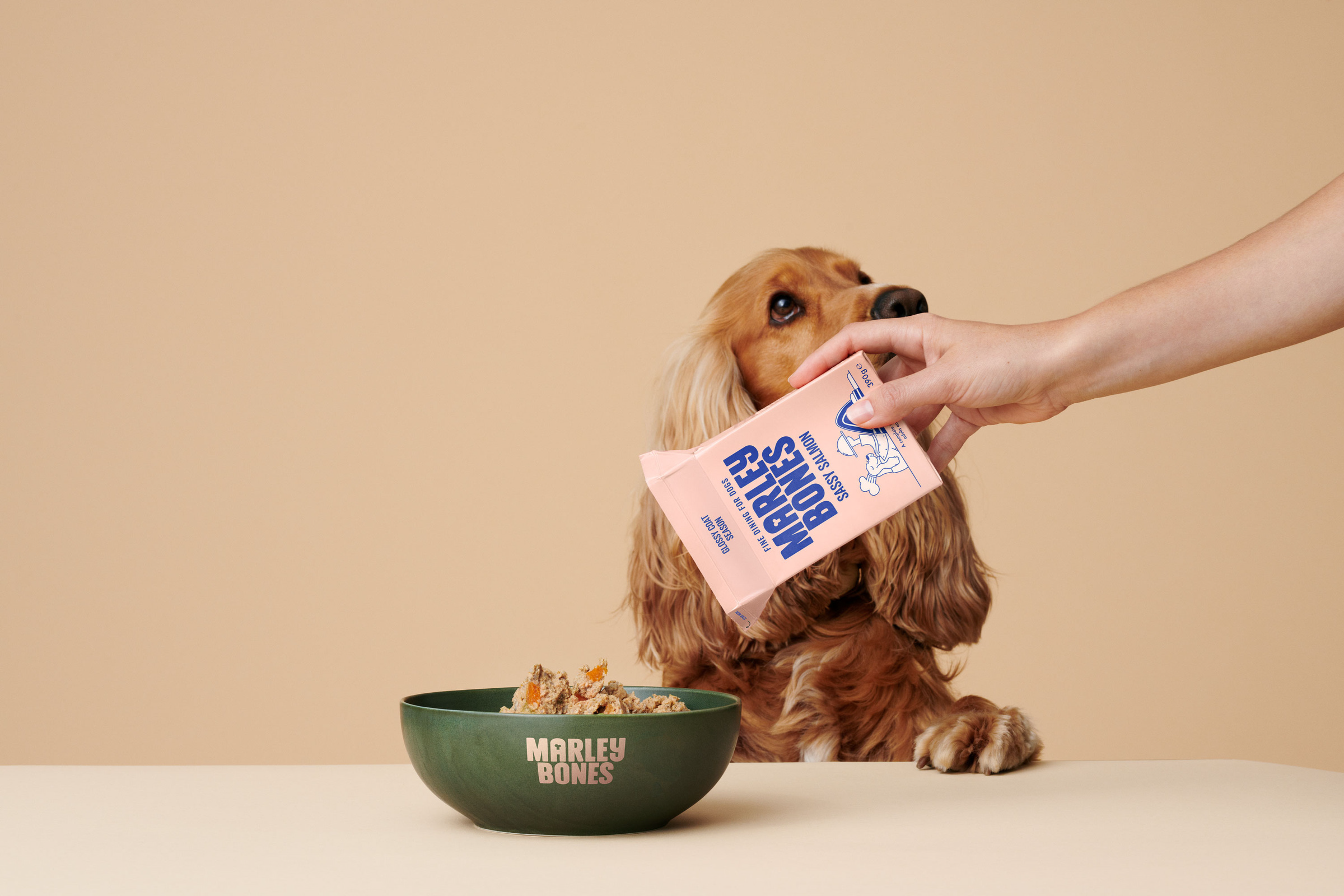
If you are introducing any new food or changing your dog's diet around Christmas, do it gradually. Sudden changes to diet are a common cause of loose stools and digestive upset in dogs, and the last thing you want is an unwell dog over the holidays. Marleybones meals use freshly prepared ingredients with no fillers or artificial preservatives, which makes them a straightforward, vet-developed option for keeping nutrition consistent through the festive season.
Every dog is different — build your personalised Marleybones feeding and health plan tailored to your dog's age, size, and health requirements.
What should I do if my dog eats something toxic at Christmas?
Contact your vet or the Animal Poison Line (01202 509000) immediately — do not wait for symptoms to appear. Some toxins, particularly grapes, raisins, and xylitol, cause damage before any outward signs are visible. Speed matters. Tell your vet exactly what was eaten, how much, and when. If you can bring the packaging, do. If your vet is closed, use an emergency out-of-hours service. Never try to make your dog vomit at home unless a vet explicitly instructs you to.
If your dog has eaten fatty food and is showing signs of vomiting, lethargy, or abdominal pain, that warrants a vet call too. Pancreatitis in particular can deteriorate quickly without treatment. When in doubt, always call — vets would rather reassure you than treat a serious case that could have been caught earlier. For any persistent, severe, or worsening symptoms after potential exposure to a toxic food, get your dog seen by a vet without delay. Marleybones fresh, complete meals are formulated to keep everyday nutrition simple and safe, but no food brand replaces emergency veterinary care.

“Such a relief to see her enjoying her food”
FAQs
Can dogs eat Christmas pudding?
No. Christmas pudding contains raisins and often alcohol — both of which are toxic to dogs. Even a small amount can cause kidney failure or dangerous drops in blood sugar. Keep Christmas pudding completely away from dogs.
Is turkey safe for dogs at Christmas?
Plain cooked turkey breast — no skin, no seasoning, no bones — is safe for dogs in small amounts. The risks come from how the turkey is prepared. Skin is high in fat and can trigger pancreatitis. Cooked bones splinter and cause internal injuries. Seasoning and stuffing often contain onion or garlic, both of which are toxic.
Can dogs eat mince pies?
No. Mince pies contain raisins or currants, which are toxic to dogs and can cause acute kidney failure. The pastry is also high in fat and sugar. Mince pies should be stored well out of reach and never given as a treat.
What Christmas foods can dogs eat safely?
Plain cooked turkey, plain cooked carrots, plain peas, plain green beans, and plain boiled potato are all safe for dogs in modest portions. Everything must be served without butter, salt, seasoning, garlic, onion, or sauces. If you are not certain an ingredient is safe, do not offer it.
How much chocolate is dangerous for a dog?
As little as 1.3g of dark chocolate per kilogram of body weight can be fatal. Milk chocolate is less concentrated but still toxic in sufficient quantities. The theobromine in chocolate causes vomiting, tremors, seizures, and heart problems. Any suspected chocolate ingestion warrants an immediate call to your vet.


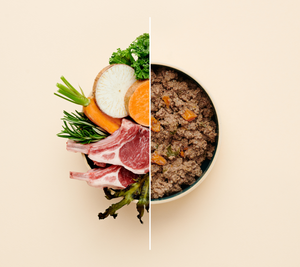 Give your dog the quality nutrition they deserve
Real meat, wholesome veggies and functional superfoods.
Get 40% OFF today