


Should You Change Your Dog's Food Seasonally?

At a glance
- Most dogs do not need a full food change with the seasons — targeted adjustments are more effective than switching products entirely.
- Activity levels drop for many dogs in winter, which means calorie needs drop too — often by 10–15%.
- Summer heat reduces appetite and increases water needs, particularly in brachycephalic breeds.
- Autumn shedding and winter coat growth increase demand for omega-3 fatty acids and zinc.
- Seasonal allergies can flare in spring and summer, sometimes pointing to a need for a protein change or anti-inflammatory ingredients.
Do dogs actually need different food in different seasons?
Most dogs do not need a completely different food each season. What they do need is a feeding approach that responds to real, measurable changes in their daily life. Season is a useful proxy for those changes — activity, temperature, daylight, coat cycle — but it is not a reason to switch food on autopilot.
The core principle is simple. A dog burning fewer calories in January than in August needs fewer calories in January. A dog growing a thick winter coat needs more of the nutrients that support skin and hair. These shifts are real, but they rarely require a new food from scratch. They usually require a portion adjustment, a targeted nutritional boost, or, in some cases, a protein rotation.
Dogs experiencing persistent digestive changes, skin flares, or dramatic weight shifts across seasons should see a vet before any dietary change is made. Seasonal symptoms can sometimes mask underlying conditions.
The broader picture of how to feed your dog across different life stages and circumstances matters here too — season is just one variable among many.
How does winter affect what a dog needs to eat?
In winter, most dogs move less. Shorter days, colder temperatures, and wetter ground mean walks get cut short and garden time shrinks. Less movement means fewer calories burned. For an average adult dog, a 10–15% reduction in daily calories across the quieter winter months is a reasonable starting point to prevent gradual weight gain.
Working dogs, sporting dogs, and dogs that exercise heavily regardless of weather are the exception. Their calorie needs stay high or even increase in cold conditions, because maintaining body temperature in the cold burns energy. For these dogs, a slight calorie increase in winter is appropriate.
Beyond calories, winter is when coat-supporting nutrients matter most. Dogs growing a thicker winter coat put greater demand on the nutrients that build and maintain fur. Omega-3 fatty acids — particularly EPA and DHA, found in oily fish — support skin barrier function and coat quality. Zinc plays a role in keratin production, the protein that makes up hair. A food with a meaningful fish inclusion, or a quality omega supplement, supports this process directly.
What changes in summer, and should you feed less?
Summer brings the opposite problem. Heat suppresses appetite in many dogs, particularly flat-faced breeds like French Bulldogs and Pugs, who regulate temperature less efficiently. At the same time, longer days and more active weekends often mean higher activity levels — so calorie needs do not always fall, even when a dog seems less interested in food.
Watch the dog, not the calendar. If your dog is maintaining a healthy weight and eating well, no change is needed. If appetite drops noticeably, try smaller, more frequent meals served at cooler times of day rather than cutting the total amount. Always make sure fresh water is freely available, particularly for dogs that eat dry food.
Hydration is the most underestimated summer feeding factor. Fresh or wet food contributes meaningfully to daily water intake in a way that dry kibble does not. Marleybones Pantry Fresh meals, for example, are made with whole ingredients including moisture-rich proteins, which naturally supports hydration as part of a daily meal.
Do seasonal allergies mean you need to change protein?
Seasonal allergies in dogs are common in spring and summer, and they are mostly environmental — pollen, grass, dust mites. Diet alone does not cause or cure environmental allergies. However, diet can reduce the overall inflammatory load on the body, which makes flare-ups less severe.
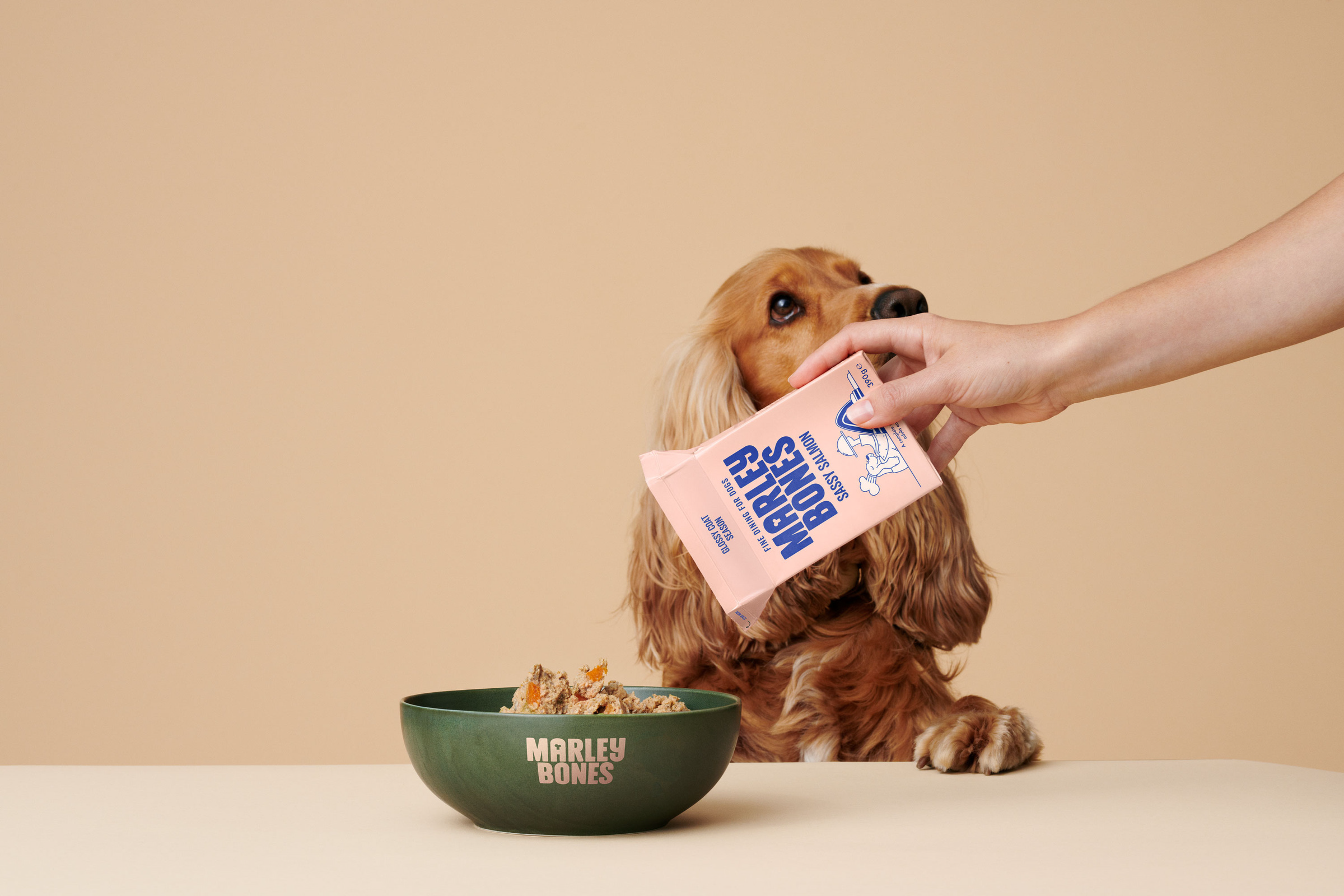
Omega-3 fatty acids — particularly from marine sources — have a direct anti-inflammatory effect. Increasing oily fish in the diet during allergy season, either through food choice or supplementation, is a practical and evidence-backed step. Sassy Salmon includes salmon as the primary protein alongside omega-rich ingredients, making it a useful choice during higher-allergy months.
If your dog shows genuine food allergy symptoms — itching that persists regardless of season, recurring ear infections, chronic loose stools — a protein rotation or elimination trial is worth discussing with a vet. Seasonal timing is a clue, not a diagnosis.
Every dog is different — build your personalised Marleybones feeding and health plan tailored to your dog's age, size, and health requirements.
What is the right way to make a seasonal feeding change?
Small, gradual adjustments are almost always the right approach. Abrupt food changes upset the gut microbiome and can cause loose stools within 24–48 hours. Even a portion adjustment made too quickly can unsettle digestion in sensitive dogs.
For a protein or food switch, transition over 7–10 days. Start with 25% new food and 75% existing food, and shift the ratio gradually. For a calorie adjustment, reduce or increase by no more than 10% at a time, then reassess body condition after 2–3 weeks.
Body condition scoring is more reliable than seasonal assumptions. Run your hands along your dog's ribs. You should feel them easily without pressing hard, but not see them clearly. If ribs are hard to feel under fat, reduce portions. If they are prominent, increase. Do this monthly, regardless of season, and you will catch creeping weight changes before they become a problem. The same body condition principles apply whether you are feeding a senior or a younger adult — the check-in habit is what matters.

“Such a relief to see her enjoying her food”
FAQs
Should I feed my dog more in winter?
It depends on activity level. Most household dogs move less in winter and need 10–15% fewer calories. Working or highly active dogs that exercise in all weathers may need slightly more, because keeping warm in cold conditions burns extra energy. Assess body condition monthly and adjust portions accordingly.
Is it normal for dogs to eat less in summer?
Yes. Heat suppresses appetite in many dogs, especially flat-faced breeds. If your dog is otherwise healthy and maintaining a good body condition, a modest dip in appetite during hot weather is normal. Serve meals at cooler times of day and ensure constant access to fresh water.
Can I switch my dog's food with the seasons?
You can rotate proteins seasonally if your dog tolerates food changes well, but it is not necessary for most dogs. A complete food switch every season risks digestive upset. Targeted adjustments — portion size, omega-3 supplementation, protein choice during allergy season — are more effective and less disruptive.
Do dogs need more omega-3 in winter?
Dogs growing a thicker winter coat benefit from higher omega-3 intake, particularly EPA and DHA from marine sources. These fatty acids support skin barrier function and coat quality. Adding an oily fish meal or a quality omega supplement during the autumn and winter months is a practical way to meet this increased demand.
How do I know if a seasonal diet change is working?
Check body condition every 2–4 weeks. Ribs should be easy to feel but not visible. Coat quality, energy levels, and stool consistency are also reliable indicators. If any of these worsen significantly after a dietary change, consult your vet before making further adjustments.
“A complete game changer!!”


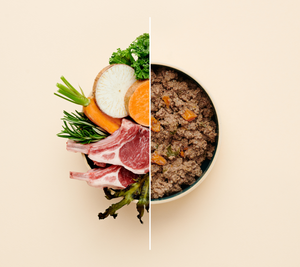 Give your dog the quality nutrition they deserve
Real meat, wholesome veggies and functional superfoods.
Get 40% OFF today