



Pancreatitis in Dogs: What It Is, What Causes It, and what to feed

At a glance
- Pancreatitis means the pancreas is inflamed — it can be acute (sudden) or chronic (recurring)
- High dietary fat is the leading trigger, including fatty table scraps and high-fat commercial foods
- Symptoms include vomiting, lethargy, abdominal pain, and loss of appetite
- A low-fat, highly digestible diet is essential for recovery and ongoing management
- Certain breeds — including Miniature Schnauzers, Cocker Spaniels, and Yorkshire Terriers — are at higher risk
What is pancreatitis in dogs and why does it happen?
Pancreatitis is inflammation of the pancreas, the gland that produces digestive enzymes and regulates blood sugar. In a healthy dog, those enzymes only activate once they reach the small intestine. In pancreatitis, they activate too early — inside the pancreas itself — and begin digesting the surrounding tissue. That is what causes the pain and damage.
The condition is one of the more common reasons dogs are admitted to veterinary care in the UK. It can appear as a single acute episode or as a chronic pattern of repeated flare-ups. Acute cases can be serious very quickly. Chronic pancreatitis tends to be milder but cumulative, causing lasting damage to pancreatic tissue over time.
The pancreas sits close to the stomach and liver, which is why pancreatitis often affects digestion broadly — not just in one spot. Dogs with underlying conditions such as hypothyroidism, hyperlipidaemia (high blood fat), or Cushing's disease face a higher baseline risk. Understanding what drives pancreatitis, covered in detail across diet and your dog's health: common conditions explained, helps owners make smarter long-term food choices.
What are the symptoms of pancreatitis in dogs?
The classic signs of pancreatitis are vomiting, lethargy, and abdominal pain. Dogs often adopt a distinctive hunched posture, with their hindquarters raised and front end lowered — this relieves pressure on the abdomen. Other signs include loss of appetite, diarrhoea, fever, and in severe cases, dehydration.
Symptoms can appear within hours of eating a high-fat meal, particularly after a fatty treat or table scrap. Some cases are mild enough to resolve with rest and dietary change. Others deteriorate rapidly and require hospitalisation, IV fluids, and pain management.
If your dog shows repeated vomiting, appears to be in pain, or is becoming lethargic alongside digestive symptoms, see a vet promptly. Pancreatitis is diagnosed through blood tests measuring pancreatic lipase (PLI), alongside clinical signs and sometimes ultrasound.
What causes pancreatitis in dogs?
Dietary fat is the primary trigger. The pancreas produces lipase, the enzyme that breaks down fat. When fat intake spikes — especially suddenly — the pancreas is forced to ramp up enzyme production rapidly. That overload is what tips healthy function into inflammation.
Common triggers include:
- Fatty table scraps — particularly meat fat, skin, or gravy
- High-fat commercial dog food fed consistently over time
- A single large portion of rich or unfamiliar food
- Obesity, which puts sustained stress on metabolic systems
- Certain medications, including some steroids
Genetics plays a role too. Miniature Schnauzers have a well-documented predisposition linked to hyperlipidaemia. Cocker Spaniels and Yorkshire Terriers also appear more frequently in pancreatitis cases than their population share would suggest.
It is worth noting that even dogs who have never had a single high-fat meal can develop pancreatitis. In some cases, no obvious trigger is identified. But diet is the one factor owners can reliably control.
What diet helps dogs recover from pancreatitis?
The dietary goal during and after pancreatitis is the same: reduce the workload on the pancreas. That means low fat, high digestibility, and consistent portion control.
Vets recommend feeding small, frequent meals rather than one or two large ones. Smaller portions mean the pancreas releases fewer enzymes at once, lowering the risk of another flare. Most dogs recovering from pancreatitis do better on three to four small meals per day.
Fat should be kept below 10% on a dry matter basis — some vets recommend below 8% for dogs with recurrent pancreatitis. Protein quality matters as much as fat levels. High-quality, lean protein — from sources like chicken or white fish — is easier to process and puts less metabolic strain on a recovering pancreas than fatty or processed meat.
Fibre is a useful ally during recovery. Soluble fibre slows digestion gently, helps stabilise blood sugar, and supports a healthy gut environment. Avoid high-fat treats entirely during recovery. Even small amounts of added fat can restart inflammation in a pancreas that has not fully healed. Plain cooked chicken or carrot pieces make safe, low-fat alternatives during this period.
Always consult a vet before making any dietary changes for a dog with pancreatitis. Unfortunately many foods, including Marleybones meals, are not suitable.
How long does recovery from pancreatitis take?
A mild acute episode, managed quickly with dietary change and rest, resolves in 3 to 5 days in most cases. More severe episodes requiring veterinary hospitalisation may need 5 to 7 days of clinical care, followed by 2 to 4 weeks of strict dietary management at home.
Chronic pancreatitis does not fully resolve. It is managed long-term through consistent low-fat feeding, weight control, and regular vet check-ups. Dogs with chronic pancreatitis stay on a low-fat diet permanently and need their blood lipid levels monitored periodically.
If your dog has had more than one episode, or symptoms are not improving within 48 hours of dietary change, return to your vet. Pancreatitis that is not managed correctly can progress to exocrine pancreatic insufficiency (EPI) — a condition where the pancreas can no longer produce enough digestive enzymes, requiring lifelong enzyme supplementation.
Always engage
Frequently asked questions about pancreatitis in dogs
Can dogs fully recover from pancreatitis?
Yes, with proper management. A single acute episode, caught early and treated with dietary change and veterinary support, often resolves completely. Dogs that develop chronic pancreatitis require ongoing low-fat feeding and monitoring, but they can live well with consistent management.
Is chicken good for dogs with pancreatitis?
Lean cooked chicken — without skin or added fat — is one of the most recommended proteins for dogs recovering from pancreatitis. It is low in fat, easy to digest, and provides quality protein without overloading the pancreas. Always use plain, unseasoned chicken.
Can I give treats to a dog with pancreatitis?
During a flare or recovery period, avoid all high-fat treats. Plain cooked chicken, carrot, or cucumber are safe, low-fat options. Once your dog has been stable for several weeks and your vet confirms it is appropriate, low-fat treats may be reintroduced cautiously in small amounts.
What foods should dogs with pancreatitis avoid?
Avoid fatty meats, skin, gravy, dairy products, processed sausages, and any high-fat commercial treats or table scraps. Foods high in fat are the primary trigger for both acute episodes and chronic flare-ups, so the restriction is long-term, not just during recovery.
Is pancreatitis in dogs hereditary?
There is a genetic component in certain breeds. Miniature Schnauzers carry a particularly high risk due to a predisposition to hyperlipidaemia. Cocker Spaniels and Yorkshire Terriers also show elevated rates. If your dog is a high-risk breed, routine low-fat feeding and weight management are sensible preventive measures even before any diagnosis.


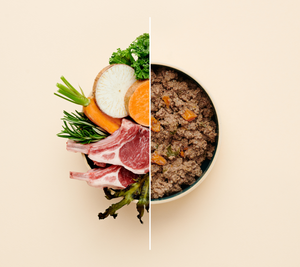 Give your dog the quality nutrition they deserve
Real meat, wholesome veggies and functional superfoods.
Get 40% OFF today