


Nutritional needs of a working dog vs a pet dog

At a glance
- Working dogs can need 2–3 times more calories per day than a sedentary pet dog of the same size
- Protein requirements rise with workload — working dogs need more to repair and build muscle after sustained effort
- Fat is the primary fuel source for endurance work; carbohydrates matter more for short, intense bursts
- Pet dogs are at high risk of overfeeding — most domestic dogs are lightly active at best
- Feeding amounts should always reflect actual daily energy output, not just breed or body weight
Do working dogs really need a different diet to pet dogs?
Yes — and the difference is substantial. A working dog's nutritional needs are driven by sustained physical output, and that changes almost everything: calories, protein, fat, feeding frequency, and recovery nutrition all shift significantly once a dog is genuinely working for a living.
The term "working dog" covers a wide range — sheepdogs covering 40–50 miles a day during a trial, gun dogs running for hours across rough terrain, sled dogs pulling in extreme cold. A pet Labrador going for two walks a day sits at the opposite end of that spectrum. These are not the same animal in any nutritional sense, even if they share a breed.
Working dogs in hard training or active service typically require 1,500–2,500 kcal per day depending on size and intensity. A comparable pet dog might need 700–900 kcal. That gap is not marginal. Getting it wrong in either direction — underfeeding a working dog or overfeeding a pet — causes real health problems. Understanding how to match food to life stage and lifestyle is one of the most practical things an owner can do.
How do protein and fat needs change for working dogs?
Protein is the most important macronutrient for working dogs. Sustained activity causes micro-tears in muscle tissue. High-quality protein — from real meat sources — is what repairs that damage and prevents muscle breakdown during long working periods.
Current evidence suggests working dogs benefit from diets providing around 25–35% protein on a dry matter basis, compared to 18–25% for typical adult pet dogs. The source of that protein matters as much as the amount. Protein from whole meat is more bioavailable than protein from plant meals or meat derivatives, meaning more of it actually reaches muscle tissue rather than being excreted.
Fat is the preferred energy source for endurance work. Dogs are highly efficient fat metabolisers, and high-fat diets (up to 50–65% of calories from fat in sled dogs) support sustained aerobic output far better than carbohydrate-heavy feeds. For sprint or agility dogs doing short bursts of intense activity, glycogen stores from carbohydrates become more relevant — so the type of work shapes the optimal macronutrient split.
| Nutritional factor | Pet dog (lightly active) | Working dog (active service) |
|---|---|---|
| Daily calories (20kg dog) | 700–900 kcal | 1,500–2,500 kcal |
| Protein (dry matter %) | 18–25% | 25–35% |
| Primary fuel source | Mixed | Fat (endurance) / Carbs (sprint) |
| Feeding frequency | 1–2 times daily | 2–3 times daily |
| Recovery nutrition focus | Maintenance | Muscle repair, replenishing glycogen |
What are the biggest feeding mistakes owners make with each type of dog?
With pet dogs, overfeeding is the dominant problem. Around 51% of dogs in the UK are estimated to be overweight, and most owners underestimate their dog's body condition. A dog that gets two 30-minute walks per day is not burning the same calories as a working dog, and feeding them as if they are leads directly to obesity, joint stress, and metabolic disease.
Portion guidance on food packaging is a starting point, not a prescription. Body condition scoring — where you assess fat coverage over the ribs and spine — is a far more reliable guide than weight alone. If you can feel the ribs easily without pressing hard, and see a visible waist from above, body condition is broadly correct.
With working dogs, the common mistake runs the other way. Underfeeding during heavy work periods leads to muscle wastage, poor recovery, and reduced performance. Working dogs should be fed at least twice daily, with a smaller meal before work and the main meal after. Feeding a large meal immediately before intense exercise increases the risk of gastric dilatation, so timing matters.
If a working dog is losing condition despite eating well, or a pet dog is gaining weight on a controlled portion, speak to a vet. Persistent weight changes despite appropriate feeding warrant proper assessment rather than simply adjusting food volume.
What should you look for in food for a working dog vs a pet dog?
For working dogs, the priority is named meat as the first ingredient, a protein content that matches workload, and sufficient fat for sustained energy. Avoid foods that pad calorie content with cereal fillers — a working dog needs dense, usable nutrition, not bulk.
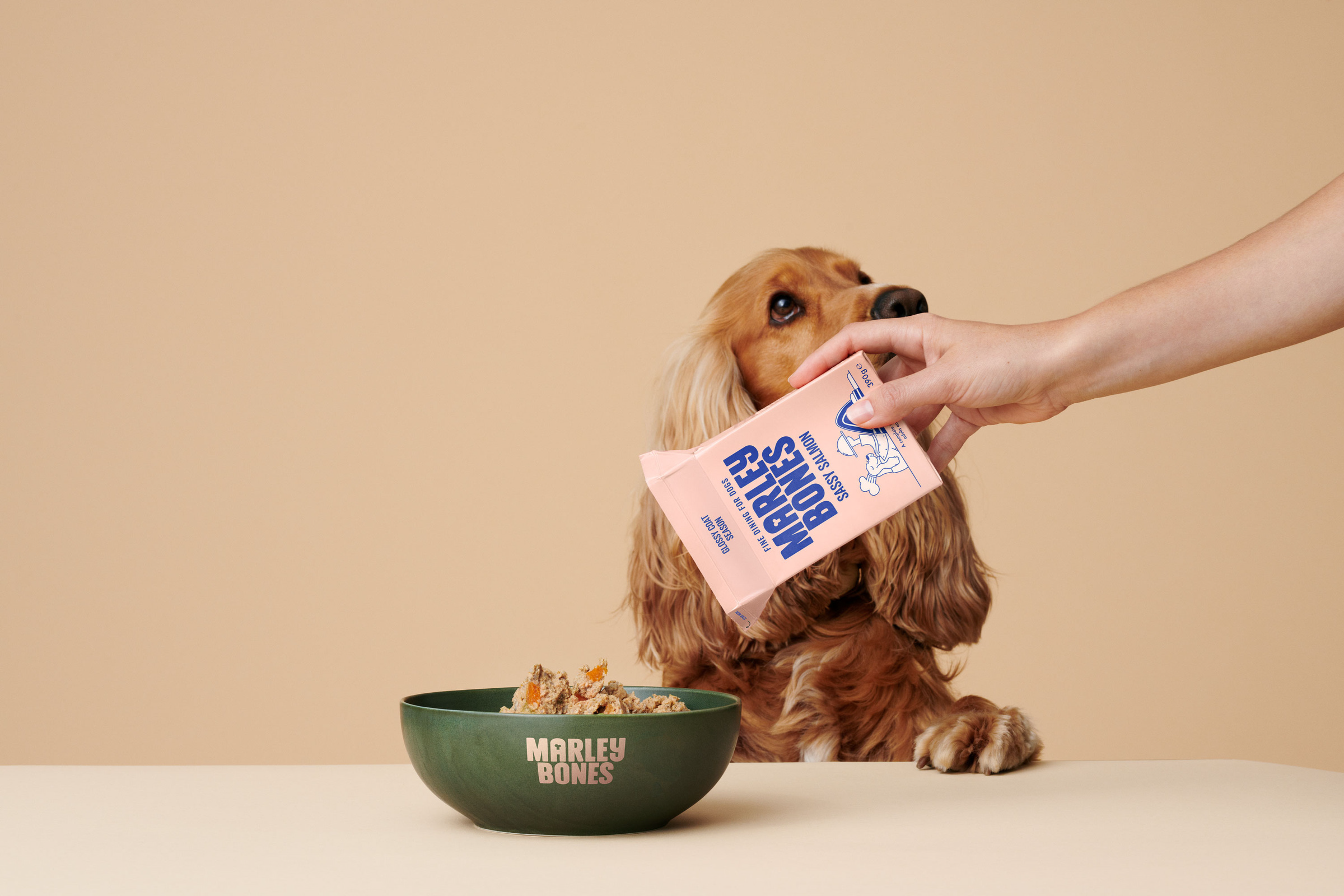
For pet dogs, the same quality principles apply but portion control becomes the critical variable. Fresh food made from identifiable whole ingredients — where you can actually see what went into the recipe — makes accurate portioning easier because the calorie density is consistent and predictable. Marleybones meals are vet-developed and FEDIAF compliant, formulated as complete nutrition for all life stages, which means the macronutrient balance is set correctly whether you have a couch-dwelling spaniel or a dog with a more active routine.
Every dog is different — build your personalised Marleybones feeding and health plan tailored to your dog's age, size, and health requirements.
For pet dogs who are already carrying extra weight, understanding the role of food composition in managing weight is a practical first step before changing portions. And if you want to explore what fresh food actually delivers nutritionally, Boss Beef is a straightforward example of a recipe built around high-quality named protein without fillers or artificial preservatives.

“Such a relief to see her enjoying her food”
FAQs
Can I feed a working dog the same food as a pet dog, just more of it?
You can increase portions of the same food, but it is not ideal. Working dogs benefit from higher protein and fat ratios — not just more of a standard maintenance formula. A food designed for lightly active dogs may not deliver enough protein per calorie to meet muscle repair demands, even at higher volumes.
How do I know if my working dog is getting enough calories?
The most reliable indicator is body condition. You should be able to feel the ribs without pressing hard, and the dog should maintain a visible waist. A working dog losing topline muscle or looking lean over the hindquarters is likely underfed. Weigh regularly and adjust portions based on condition, not just weight.
Do working dogs need supplements?
Most working dogs on a nutritionally complete diet do not need blanket supplementation. Joint support becomes relevant for dogs doing sustained high-impact work over many years. Omega-3 fatty acids from fish oil support both joint health and coat condition, and are worth considering for dogs in year-round active work.
How many times a day should a working dog be fed?
Two to three times daily is standard for working dogs in active service. A smaller meal before work provides available energy without overloading the gut. The main meal comes after work, when the body is primed for recovery and nutrient uptake.
What happens if a pet dog is fed like a working dog?
They gain weight. Excess calories are stored as fat, which then creates downstream problems — joint stress, insulin resistance, reduced lifespan. The average pet dog requires 700–900 kcal per day. Feeding significantly above that without matching physical output leads to obesity, often within a few months on a high-calorie working diet.
“A complete game changer!!”


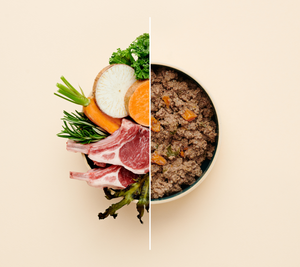 Give your dog the quality nutrition they deserve
Real meat, wholesome veggies and functional superfoods.
Get 40% OFF today