



How to Feed a Dog With a Food Allergy

At a glance
- True food allergies in dogs are an immune response — most involve a protein source, not grain.
- The most common culprits are beef, dairy, wheat, chicken, and lamb.
- An elimination diet lasting 8 to 12 weeks is the only reliable way to identify the trigger.
- During the elimination diet, every ingredient your dog eats must be controlled — including treats and chews.
- Once the allergen is found, a clean, limited-ingredient diet manages the condition long-term.
What actually happens when a dog has a food allergy?
A food allergy is an immune system response to a specific ingredient, almost always a protein. The immune system misidentifies that protein as a threat and mounts a reaction every time the dog eats it. Symptoms include itchy skin, recurring ear infections, paw chewing, gut upset, and sometimes a combination of all four.
It is worth separating allergies from food intolerance. An intolerance causes digestive discomfort — loose stools, gas, vomiting — without involving the immune system. An allergy triggers a broader inflammatory response that typically shows up on the skin and ears as well as the gut. Both are managed through diet, but an allergy tends to be more persistent and harder to resolve without proper investigation.
Food allergies account for around 10 to 15 percent of all allergic skin disease in dogs. The condition can develop at any age, even to proteins a dog has eaten for years. That is because the immune system builds sensitivity over repeated exposures before it tips into full reaction. Diet is one of the most significant levers for managing chronic health conditions in dogs, and food allergy is no exception.
How do you find out which ingredient is causing the problem?
The elimination diet is the only proven diagnostic tool. A blood test or saliva test cannot reliably identify food allergens in dogs. Intradermal skin testing does not work for food either. The elimination diet is what vets use, and it takes patience.
The process works like this. You feed your dog a diet containing only proteins and carbohydrates they have never eaten before. Novel proteins commonly used include venison, duck, rabbit, kangaroo, or fish. The diet must be completely clean — no additives, no flavourings, no shared-manufacturing cross-contamination. After 8 to 12 weeks on the elimination diet, most dogs with a food allergy will show clear improvement. You then reintroduce previous ingredients one at a time, every two weeks, watching for symptoms to return. When they do, you have found your allergen.
The hardest part is discipline. One prawn cracker, one flavoured chew, one lick of a family member's plate restarts the clock. Every adult in the household needs to understand the rules before you begin.
If symptoms are severe, persistent, or getting worse, consult your vet before starting an elimination diet. A vet can rule out environmental allergies, parasites, and other skin conditions that look identical to food allergy.
What should you feed a dog with a confirmed food allergy?
Once you know the trigger, the goal is a complete, balanced diet built around ingredients your dog tolerates. There are three practical approaches.
- Novel protein diet — a food built around a protein source your dog has not previously eaten and confirmed not to react to.
- Hydrolysed protein diet — proteins are broken into fragments too small for the immune system to recognise. Typically prescription-only and recommended for dogs with multiple sensitivities.
- Limited ingredient diet — a short, transparent ingredient list with one protein and one carbohydrate source, making it easy to monitor and control what your dog eats.
In all three cases, ingredient quality and transparency matter more than the format of the food. A limited ingredient diet built from fresh, named ingredients is easier to evaluate than a long list of derivatives and additives. Choosing the right food for a dog with itchy skin and allergies means reading labels carefully and understanding exactly what each ingredient is.
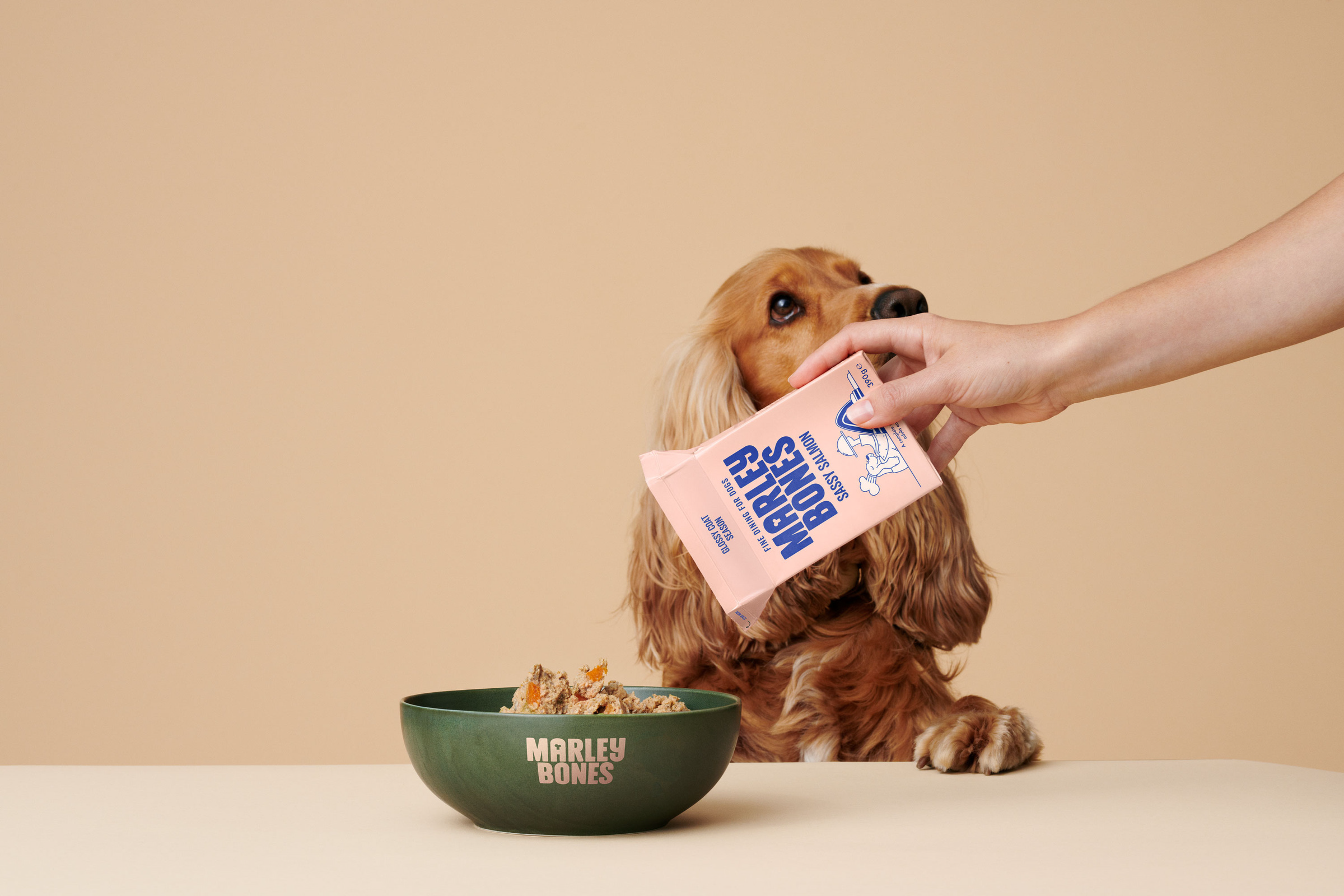
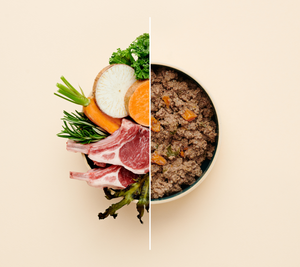
Marleybones Lush Lamb and Sassy Salmon are examples of single-protein fresh meals built from clearly named ingredients, with no fillers or artificial preservatives. The vet-developed recipes are FEDIAF compliant and complete for all life stages, which matters for allergy management because nutritional gaps compound inflammation over time.
Whatever food you choose, the ingredient list must be readable and honest. Avoid foods that list vague terms like


 Give your dog the quality nutrition they deserve
Real meat, wholesome veggies and functional superfoods.
Get 40% OFF today