


How Much Water Should a Dog Drink Each Day?

At a glance
- The general guideline is 50–60ml of water per kilogram of body weight per day
- A 10kg dog needs roughly 500–600ml; a 30kg dog needs around 1.5–1.8 litres
- Fresh and wet food contains up to 80% moisture — dogs eating it will drink less from their bowl, and that is normal
- Drinking significantly more or less than usual is one of the clearest early signs of an underlying health issue
- Puppies, lactating females, and dogs in hot weather or heavy exercise need considerably more
How much water does a dog actually need each day?
Dogs need approximately 50–60ml of water per kilogram of body weight every day. A 10kg Cocker Spaniel needs roughly half a litre. A 30kg Labrador needs closer to 1.5–1.8 litres. These figures cover total water intake, meaning water from both drinking and food combined.
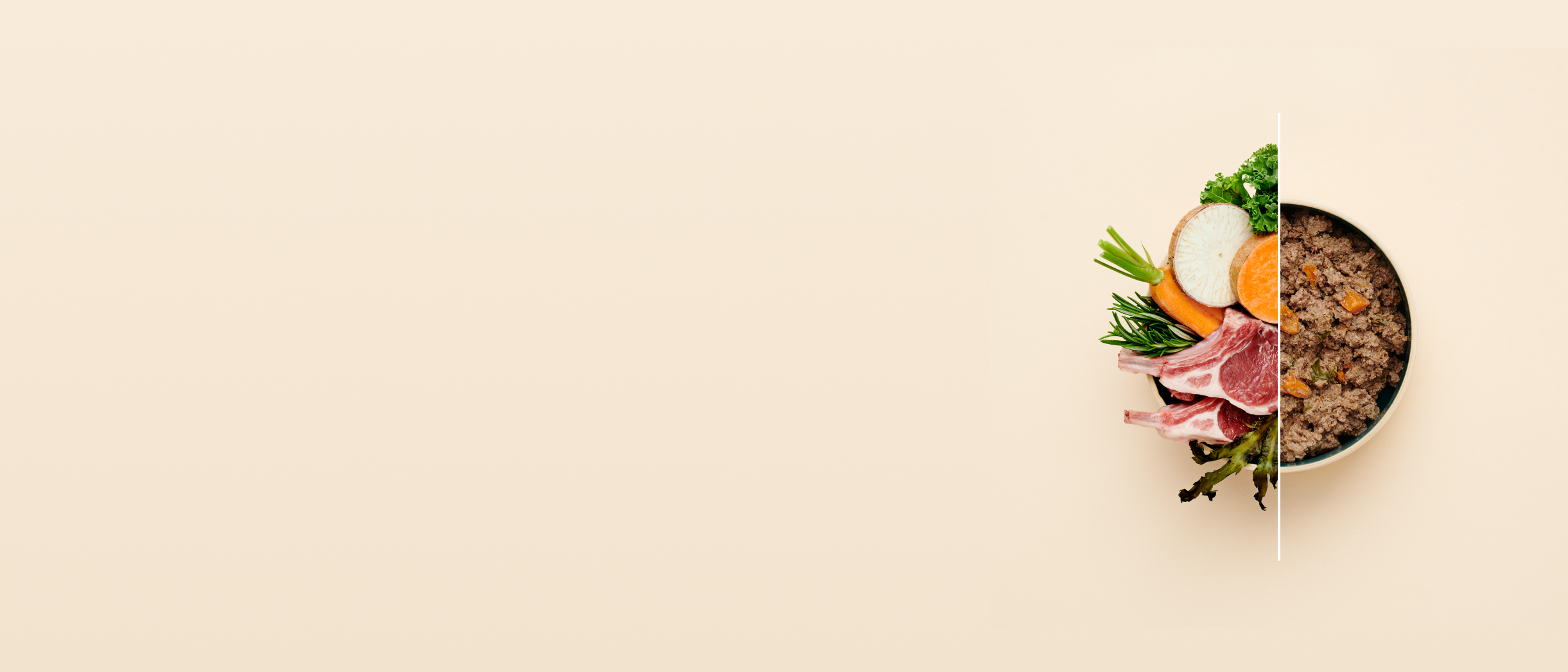
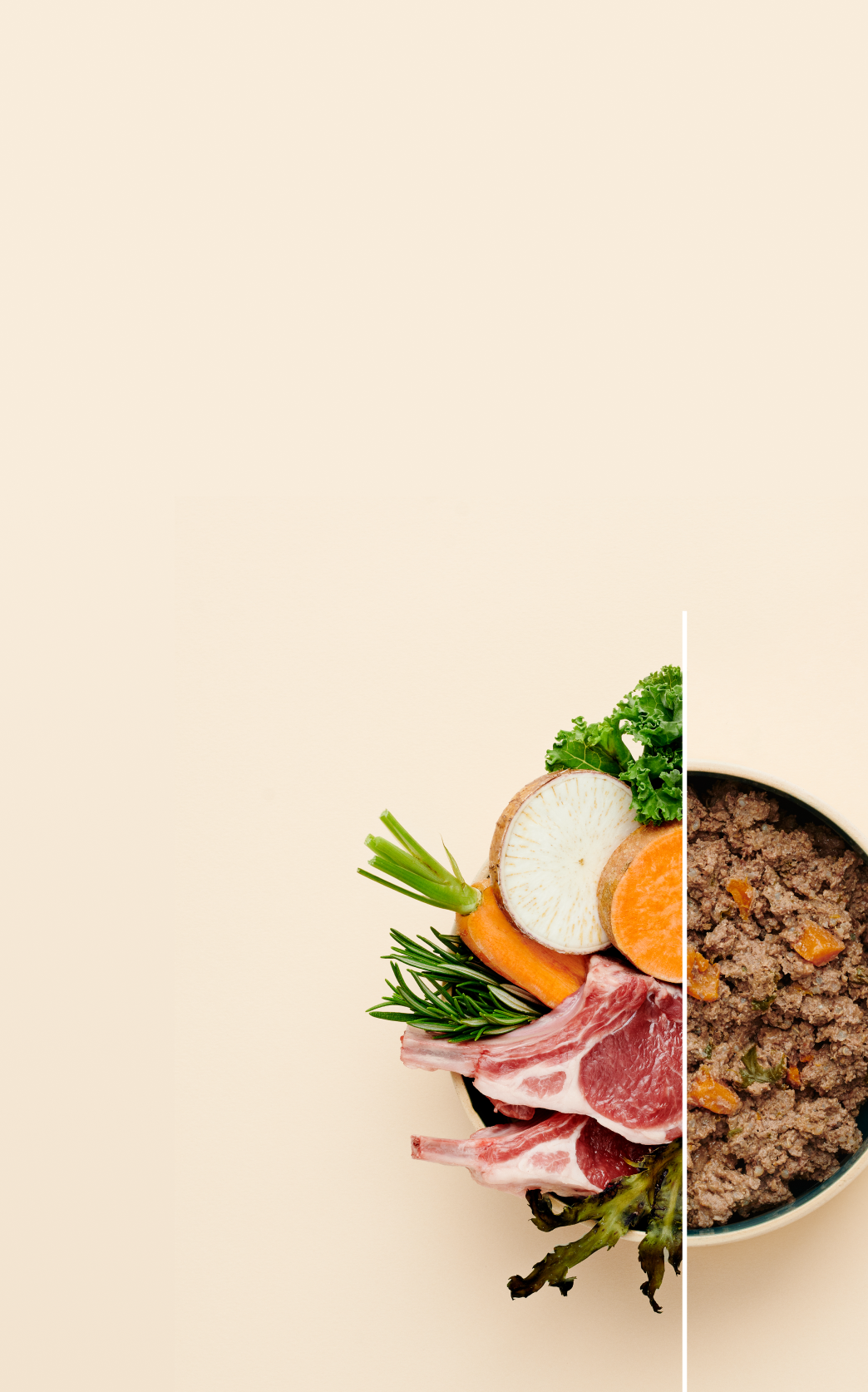
That last part matters. A dog eating dry kibble gets almost no moisture from their meals — kibble typically contains just 8–10% water. So they rely almost entirely on their bowl to hit their daily intake. A dog eating fresh or wet food is getting 70–80% moisture per meal, which adds up significantly across the day.
This is why a dog that switches from kibble to fresh food often seems to drink far less. They have not stopped being thirsty — they are simply getting more of their water through their food. The contrast in moisture content between fresh food and dry kibble is one of the most practical differences between the two formats.
What affects how much a dog drinks?
Several factors push water requirements up or down, and understanding them stops you from worrying unnecessarily — or missing a genuine warning sign.
Diet. As above, fresh and wet food contributes substantially to daily hydration. Dogs on dry food need to drink more to compensate.
Activity and exercise. A working dog, a dog on a long walk, or one playing intensively in the garden will lose more water through panting and will need to replenish it. On high-exercise days, expect them to drink noticeably more.
Weather and temperature. Hot weather increases panting, which increases water loss. On warm days, a dog may need 20–30% more water than their usual baseline.
Life stage. Puppies need more water relative to their size than adult dogs because their bodies are growing rapidly and their kidneys are still maturing. Lactating females have significantly higher needs too — their water intake supports both their own body and milk production.
Health status. Vomiting, diarrhoea, and fever all cause fluid loss and increase the need for water. Certain medications, including steroids and diuretics, also increase thirst.
When should you be concerned about how much your dog is drinking?
Changes in drinking habits are worth paying attention to. A single day of drinking more or less is rarely cause for concern, especially if the weather has changed or they have had an unusual amount of exercise. A pattern that persists over several days is a different matter.
Drinking excessively and consistently — known as polydipsia — is one of the key early indicators of conditions including diabetes, Cushing's disease, kidney disease, and urinary tract infections. It is usually accompanied by increased urination. If your dog is drinking noticeably more than usual for more than two or three days with no obvious explanation, speak to your vet.
Drinking too little is a concern for different reasons. Dehydration in dogs can develop quickly, particularly in summer. A simple check: gently pinch the skin at the back of their neck and release it. In a well-hydrated dog, the skin springs back immediately. If it returns slowly or stays tented, your dog may be dehydrated and needs water and veterinary attention promptly.
How can you encourage a dog to drink enough?
Most dogs regulate their own intake fairly well, but there are practical things that help.
- Keep the bowl clean — dogs are sensitive to smell and will avoid a bowl that tastes stale or of detergent
- Offer multiple water points, especially in a larger home or garden
- Some dogs strongly prefer moving water — a pet drinking fountain often increases intake significantly
- Avoid placing the water bowl directly next to the food bowl, as some dogs find this off-putting
- In hot weather, add ice cubes to keep water cool and appealing
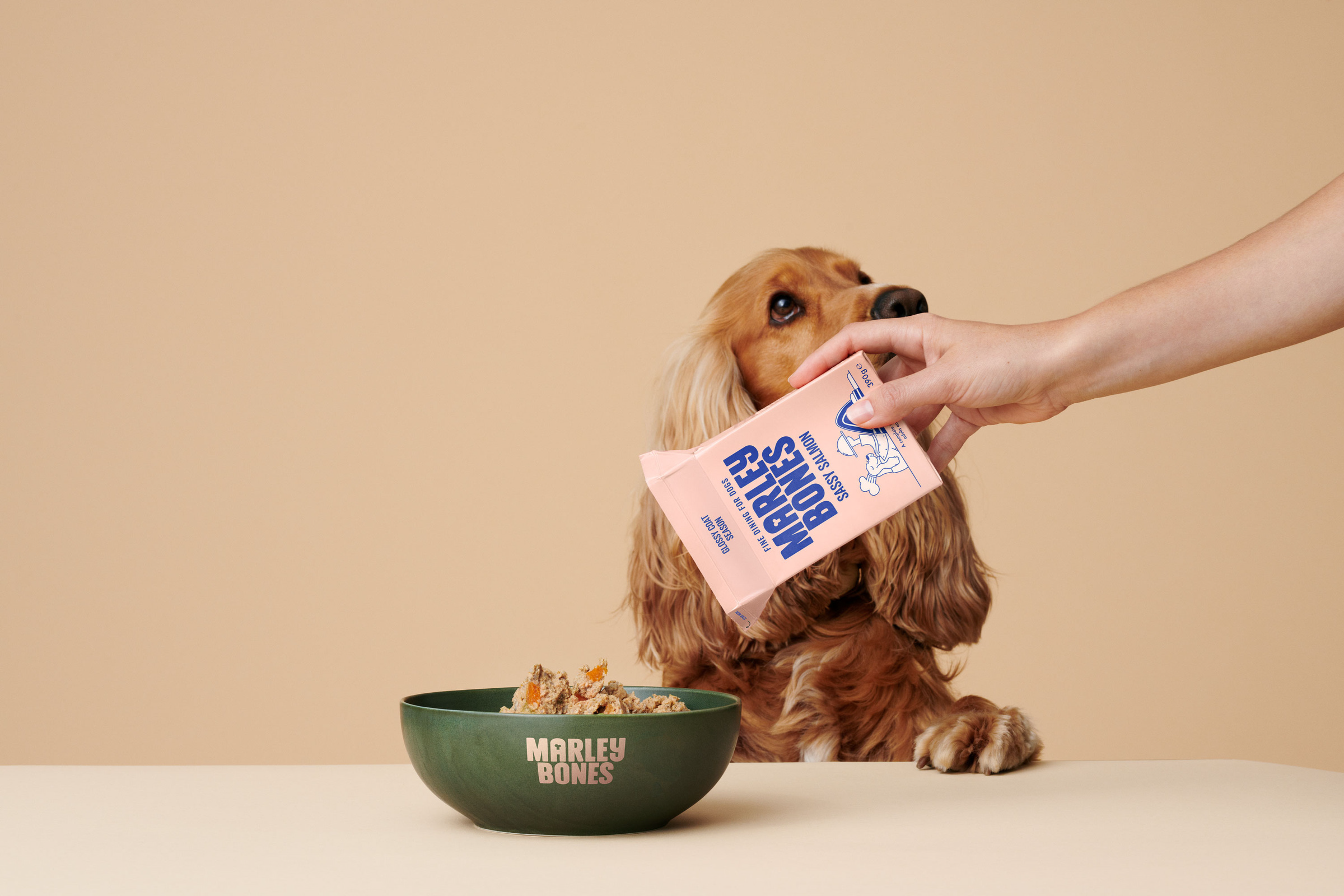
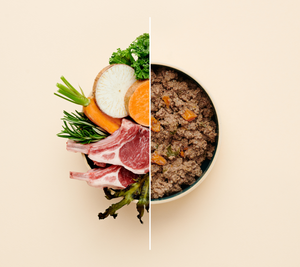
Diet plays a role here too. Marleybones Pantry Fresh meals are freshly prepared with real ingredients and contain naturally high moisture content — dogs eating them are getting meaningful hydration through every meal, not just from their bowl. That steady moisture intake supports kidney function and digestive health in a way that dry food simply cannot replicate.
If your dog eats a fresh complete meal twice a day, you are already taking care of a substantial portion of their hydration without having to think about it.
Every dog is different — build your personalised Marleybones feeding and health plan tailored to your dog's age, size, and health requirements.

“Such a relief to see her enjoying her food”
FAQs
How do I know if my dog is drinking enough water?
The skin pinch test is the quickest check — pinch the scruff of the neck, release it, and watch how quickly it returns to normal. Immediate snap-back means good hydration. Slow return suggests dehydration. Bright eyes, moist gums, and steady energy levels are also reliable signs that a dog is well hydrated.
My dog drinks very little since switching to fresh food — is that normal?
Yes. Fresh food contains 70–80% moisture, so dogs eating it get a large proportion of their daily water through their meals rather than their bowl. As long as they seem well, have normal energy levels, and are urinating regularly, reduced bowl drinking on a fresh diet is completely normal.
Can a dog drink too much water?
Yes, though it is uncommon. Excessive water intake can lead to a condition called hyponatraemia — low sodium levels in the blood — which is most often seen in dogs that gulp large amounts during or after vigorous exercise. More importantly, consistently high water consumption is a symptom of several medical conditions and should be investigated by a vet if it persists.
Do puppies need more water than adult dogs?
Puppies need more water relative to their body weight than adult dogs. A rough guide is around 60ml per kilogram per day, but active puppies in warm weather will need more. Puppy feeding and hydration needs shift considerably as they grow, so check guidance specific to their age and size.
Should I add water to my dog's dry food?
Adding warm water to dry kibble can increase overall moisture intake and make the food more appealing, particularly for dogs that drink little on their own. It is a reasonable approach, though it does not fully replicate the natural moisture content of fresh or wet food. If hydration is a consistent concern, switching to a higher-moisture diet is a more effective long-term solution.
“A complete game changer!!”


 Give your dog the quality nutrition they deserve
Real meat, wholesome veggies and functional superfoods.
Get 40% OFF today