

My dog is losing weight but the vet says nothing is wrong

At a glance
- If a vet has ruled out illness, unexplained weight loss in dogs almost always comes down to one of three things: not enough food, food that is not being absorbed efficiently, or increased energy expenditure
- Poor nutrient absorption is a more common cause of weight loss than underfeeding — a dog can eat adequate calories and still lose weight if its food is difficult to digest
- The type of food matters: highly processed diets with low digestibility deliver less usable nutrition per serving than fresh or minimally processed alternatives
- Older dogs, dogs with high activity levels, and dogs that have recently been unwell are all more likely to lose weight without an obvious cause
- If weight loss continues after dietary changes, a second vet opinion or referral to a veterinary nutritionist is the right next step — not all conditions show up on a standard blood panel
My dog is losing weight but seems healthy — what's going on?
A dog losing weight without an obvious cause, and with a clean bill of health from a vet, is one of the more frustrating situations an owner can face. The good news is that when illness has been ruled out, the answer is almost always dietary — either the dog is not eating enough to meet its needs, or it is eating enough but not absorbing sufficient nutrition from its food.
These are different problems with different solutions, and diet plays a more central role in your dog's health than many owners initially expect. A dog that is genuinely underfed needs more food. A dog with a digestive absorption issue may need a different food entirely — one that puts less strain on the gut and delivers more usable nutrition per serving. Identifying which is happening is the starting point for fixing it.
Why would a dog lose weight if it is eating normally?
Eating normally and absorbing nutrition effectively are not the same thing. A dog can consume an adequate calorie intake and still lose weight if its digestive system is not extracting sufficient nutrition from the food. This is more common than most owners realise, and it is often invisible — the dog appears to be eating well, the stools look broadly normal, and nothing seems obviously wrong.
The most likely dietary cause is low food digestibility. Highly processed dry kibble is manufactured at temperatures above 120°C, which degrades proteins and breaks down fibre in ways that reduce how efficiently the gut can extract nutrition. A dog on a low-digestibility diet may be meeting its calorie count on paper but getting significantly less usable protein, fat, and micronutrients than the label suggests. Switching to a more digestible food — one that delivers more nutrition per gram — often produces visible weight stabilisation within a few weeks without increasing the volume fed.
Gut health plays a role too. Dogs with a less diverse gut microbiome, common in those on long-term dry food diets, absorb nutrients less efficiently. The beneficial bacteria in the gut depend on the right types of fibre to thrive — without them in sufficient numbers and variety, even a good diet underperforms.

“Such a relief to see her enjoying her food”
What else could cause weight loss in a healthy dog?
Increased energy expenditure is the other main category. A dog that has become more active — more walks, more off-lead time, colder weather requiring more energy to maintain body temperature — needs more calories to maintain weight. This is easy to miss if feeding quantities have not been adjusted alongside activity levels.
Age is a factor that compounds everything else. Older dogs produce fewer digestive enzymes, which reduces their ability to break down and absorb food. Senior dogs often need either more food, higher-quality food, or both — not because their appetite has changed but because their digestive efficiency has declined. A food that maintained a dog's weight at five may no longer be sufficient at nine or ten.
Stress and anxiety are less commonly considered but real contributors. Chronic stress elevates cortisol, which increases the body's energy demands and can suppress appetite. A dog going through a significant routine change — a house move, a new pet, a change in the owner's schedule — may lose weight without any dietary explanation. If stress-related weight loss is suspected and does not resolve once the trigger has passed, a vet or clinical behaviourist is the right next step — behavioural anxiety sometimes requires more than environmental adjustment to manage effectively.
Competition at mealtimes in multi-dog households is worth checking too. A dog that appears to be eating may be getting less than its allocated portion if a more dominant dog has learned to access its bowl.
How do I know if my dog's food is the problem?
The clearest signal is whether weight loss correlates with anything that changed around the time it started — a new food, a change in feeding routine, an increase in activity, or a stressful event. If the weight loss began after a food change, digestibility is the most likely culprit. If nothing changed externally, the food the dog has been eating for a long time may simply no longer be meeting its needs.
Stool quality is a useful indicator of digestive efficiency. Loose, bulky, or very frequent stools suggest the gut is not absorbing nutrition effectively — much of what goes in is coming straight out. Well-formed, consistent stools in a smaller volume indicate better absorption. A dog on kibble that produces notably large stool volumes relative to the amount eaten is likely getting less from its food than it should be.
Switching to a more digestible food and monitoring weight weekly for four weeks is a straightforward test for gradual, unexplained weight loss. If the dog stabilises or begins to regain weight on the same calorie intake, digestibility was the issue. If weight continues to drop, the cause is elsewhere and warrants further investigation. Rapid weight loss — more than a few percent of body weight over a week or two — should go straight back to the vet rather than waiting on a dietary trial.
What type of food is best for a dog that keeps losing weight?
Fresh food with a high named meat content and minimal processing delivers more bioavailable nutrition per serving than heavily processed alternatives, which makes it the most effective dietary starting point for a dog losing weight on a standard diet. The lower cooking temperatures used in fresh food preserve the natural protein structure that high-temperature extrusion degrades, meaning the dog's gut extracts more usable nutrition from each meal.
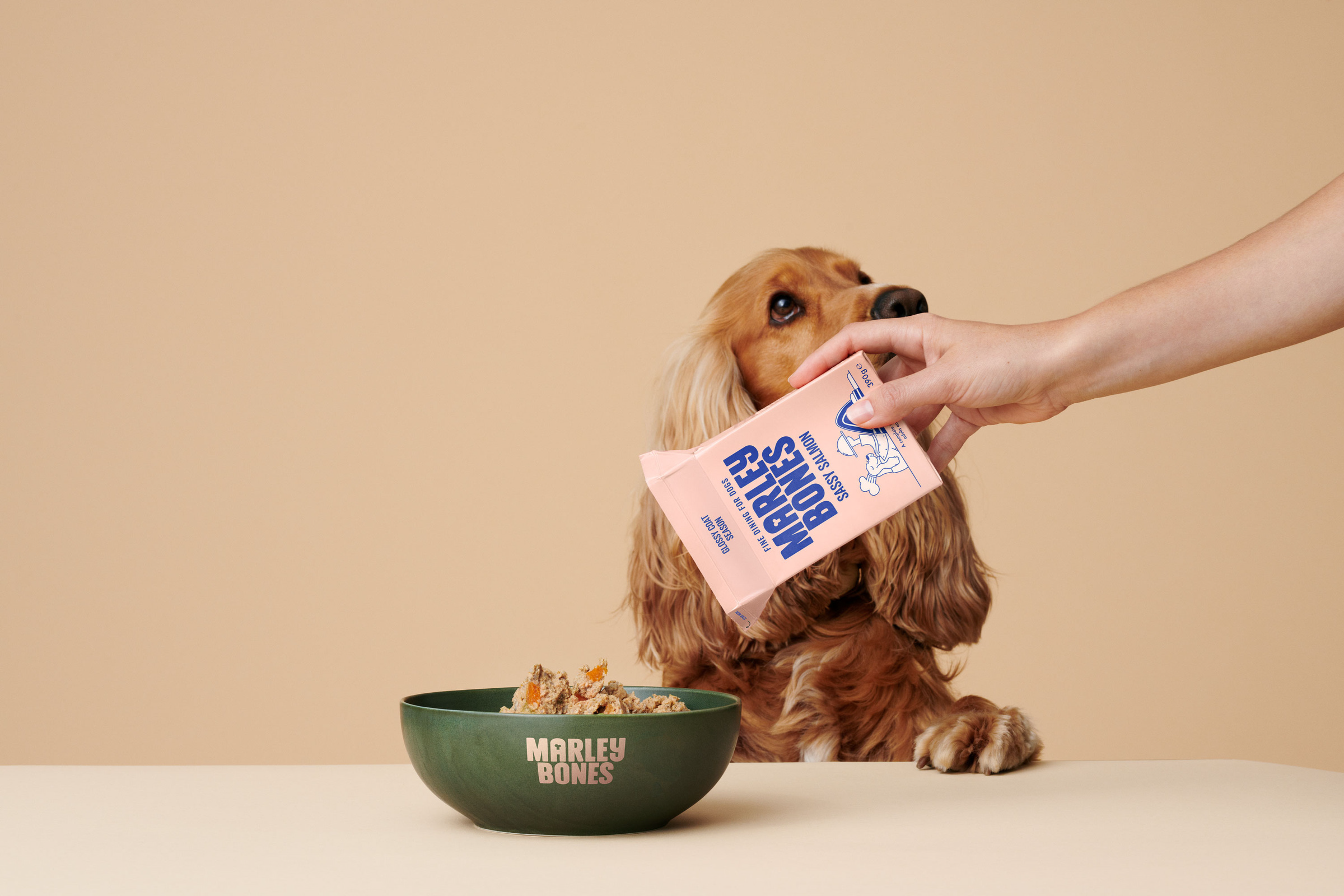
Marleybones Pantry Fresh® meals are built on 60%+ real meat per recipe, vet-developed, and complete for all life stages. Every recipe includes chicory root as a prebiotic to support the gut microbiome — directly addressing the absorption efficiency issue that underlies many cases of unexplained weight loss. In a survey of 1,056 Marleybones subscribers, 76% reported that their dog maintained or improved a healthy weight after switching, which is consistent with what better digestibility and gut support produce in practice.
For dogs that need a higher calorie intake alongside better digestibility, the Omega Boosting Oil add-on provides a concentrated, bioavailable fat source that increases calorie density without significantly increasing meal volume — useful for dogs that are already eating as much as they comfortably can.
When should I go back to the vet?
If weight loss continues for more than four weeks after making dietary changes, return to the vet. Standard blood panels screen for the most common causes of weight loss but do not catch everything — conditions including exocrine pancreatic insufficiency (EPI), inflammatory bowel disease, and early-stage renal disease can present with weight loss before they are detectable on routine screening. A second opinion, or a referral to a veterinary internist, is appropriate if initial tests were clear but weight loss continues.
EPI in particular is worth knowing about. It is a condition in which the pancreas does not produce sufficient digestive enzymes, meaning a dog can eat significant quantities of food and absorb almost nothing from it. Weight loss despite a normal or increased appetite is the hallmark symptom, and it is diagnosed with a specific blood test (cTLI) that is not included in a standard panel. If a dog is eating well but losing weight consistently, it is worth discussing this test specifically with your vet.

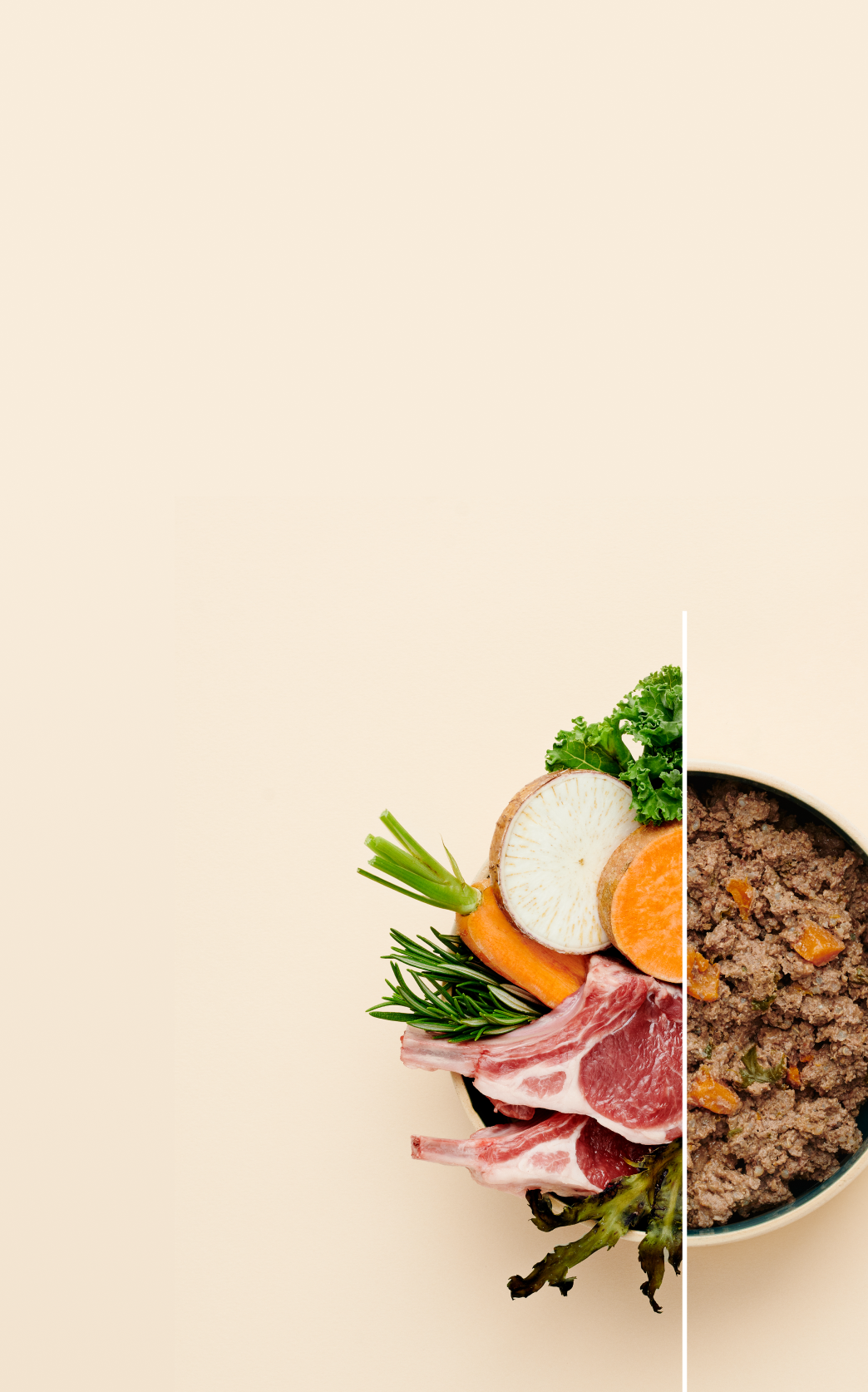
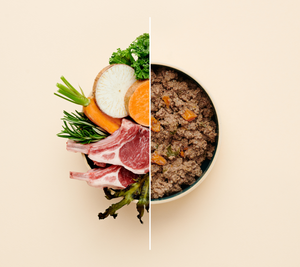
Freshly prepared British lamb, veggies & superfoods
FAQs
How much weight loss in a dog is a cause for concern?
Weight loss of more than 5% of body weight — 250g in a 5kg dog, 1.5kg in a 30kg dog — without an intentional dietary change warrants investigation. Rapid weight loss over a short period is more concerning than gradual loss over months, but both deserve attention. A dog that is visibly ribby, has lost muscle mass around the hindquarters, or has a prominent spine is losing weight at a level that needs addressing.
Could my dog be losing weight because of stress?
Yes. Chronic stress increases energy demands and can suppress appetite, both of which contribute to weight loss. Dogs experiencing anxiety — separation anxiety, environmental change, or conflict in a multi-pet household — often lose weight without any dietary explanation. If stress is suspected, addressing the behavioural cause is as important as adjusting the diet.
Should I increase my dog's food portions if it is losing weight?
It depends on the cause. If the dog is genuinely underfed relative to its energy expenditure, increasing portions is the right response. If the issue is poor absorption, increasing portions of a low-digestibility food may produce more waste without meaningfully improving the dog's nutritional status. Switching to a more digestible food first, then assessing whether portions also need to increase, is the more targeted approach. If you are unsure which food suits your dog's needs, answering a few questions about your dog's age, size, and health is a useful starting point.
Can worms cause weight loss in dogs?
Yes. Intestinal parasites compete for the nutrition in the gut and can cause weight loss, particularly in younger dogs or those with high worm burdens. A dog that is losing weight and has not been recently wormed should be treated as a basic first step. Regular worming — typically every three months for adult dogs — is standard preventive care and rules out parasites as a contributing factor.
What is exocrine pancreatic insufficiency and how is it diagnosed?
Exocrine pancreatic insufficiency (EPI) is a condition in which the pancreas produces insufficient digestive enzymes, leaving the dog unable to absorb nutrition from food effectively. It causes weight loss despite a normal or increased appetite, often alongside loose, greasy, high-volume stools. It is diagnosed with a blood test measuring canine trypsin-like immunoreactivity (cTLI), which is not part of a standard wellness panel — it needs to be specifically requested. EPI is manageable with enzyme supplementation and dietary adjustment but requires veterinary diagnosis and ongoing management.


 Give your dog the quality nutrition they deserve
Real meat, wholesome veggies and functional superfoods.
Get 40% OFF today