

Dog Food Safety Standards Explained: What Certification and Traceability Actually Mean

At a glance
- Pet food sold in the UK is covered by feed law, which sets requirements for safety, labelling and traceability
- FEDIAF nutritional guidelines are what a "complete" food is formulated against, and they set minimum nutrient levels by life stage
- BRCGS certification is an independent food safety audit of a manufacturing site, repeated annually, covering hygiene, traceability, allergen control and recall procedures
- Traceability means every batch can be followed back to the suppliers of its ingredients, which is what makes a targeted recall possible
- Marleybones meals are made in a BRCGS-certified facility in the UK and are formulated to FEDIAF guidelines
Most dog food packaging tells you what is in the food. Very little of it tells you how anyone knows the food is safe. Those are separate questions, and the second one has clearer answers than most brands bother to explain.
How is dog food regulated in the UK?
Pet food is regulated as animal feed, under the same body of law that covers feed for farm animals. It sets requirements for what can go into food, how it must be labelled, and the records a manufacturer has to keep.
In practice that means a few things are legally required rather than optional. Ingredients must be listed in descending order by weight. Certain analytical constituents must be declared. Additives must be approved for use. And manufacturers must be registered with, and are inspected by, the relevant authorities.
What the law does not do is grade quality. A food can be entirely compliant and still be built from cheap ingredients behind vague category names that disclose very little. Compliance is a floor, not a standard of excellence, which is why the additional checks below matter.
What does FEDIAF compliance mean?
FEDIAF is the European pet food industry body, and it publishes the nutritional guidelines that complete pet foods are formulated against. Those guidelines set minimum and in some cases maximum levels for protein, fats, vitamins and minerals, broken down by life stage.
When a food describes itself as complete, FEDIAF guidelines are the benchmark it is claiming to meet. A complete food can be fed as a dog's only diet without anything added. A complementary food cannot, and the distinction is a legal one rather than a marketing choice, which is why toppers and mixers are labelled differently.
All four Marleybones recipes are formulated to FEDIAF guidelines and are complete for all life stages, so the same food suits a puppy, an adult and a senior dog.

What is BRCGS certification?
BRCGS stands for Brand Reputation Compliance Global Standards, formerly the British Retail Consortium Global Standards. It is an independent food safety certification scheme, and it audits manufacturing sites rather than brands.
It was developed in the late 1990s by UK retailers who wanted a single common standard rather than each auditing their suppliers separately. It has since become one of the schemes recognised internationally by the Global Food Safety Initiative, and it is widely required by UK supermarkets of the suppliers they stock.
Certification works by audit. An independent certification body visits the site, assesses it against a published standard, and issues a certificate with a grade. Audits are repeated annually, and some are unannounced. A site that fails to maintain the standard loses certification.
Marleybones meals are made in a BRCGS-certified facility in the UK.
What does a BRCGS audit actually check?
The audit covers the systems that keep food safe rather than the recipe itself. The main areas are:
- Hazard analysis, meaning the site has identified where contamination could occur and has controls at each point
- Site standards, covering the building, equipment, cleaning and pest control
- Process control, meaning cooking, sealing and packing are monitored and recorded rather than assumed
- Allergen management, covering how ingredients are separated and how cross-contact is prevented
- Supplier approval, meaning ingredient suppliers are themselves assessed rather than taken on trust
- Traceability, meaning any batch can be traced both back to its ingredients and forward to where it was sent
- Incident and recall procedures, including whether the site has tested that a recall would actually work
The last two are the ones that matter most when something goes wrong, and they are the reason certification is worth more than a general assurance about quality.

What is ingredient traceability and why does it matter?
Traceability means every batch of food can be followed in both directions: back to the specific deliveries of each ingredient that went into it, and forward to the customers and retailers it was sent to.
This sounds administrative until something goes wrong. Without traceability, a problem with a single ingredient delivery means withdrawing everything, because nobody can identify which batches were affected. With it, a manufacturer can isolate the specific batches, contact the specific customers, and leave everything else on the shelf.
It also works preventatively. If an ingredient supplier reports a problem, a traceable manufacturer can check immediately whether any of that material entered production, rather than guessing.
The shorter the supply chain, the easier this is. Marleybones food is made in the UK with British ingredients, including meat from UK farms and quinoa grown in Essex, which means fewer intermediaries between the farm and the pack.
How can I check a brand's safety claims?
Certification claims are verifiable, which is what separates them from marketing language.
BRCGS maintains a public directory of certificated sites. Anyone can register for free access and look up a site to see the standard it is certificated against, its grade, its scope and the expiry date. Because certification applies to sites, the entry will be in the name of the company that operates the facility, which for many brands is a contract manufacturer rather than the brand itself.
Two other things worth asking any brand directly. Where is the food made, and who makes it? And is the food complete or complementary, and for which life stage? Both should get a straight answer, and a brand that cannot answer either is telling you something. Once you are satisfied a food is made properly, the question that remains is which recipe and portion suit your own dog.

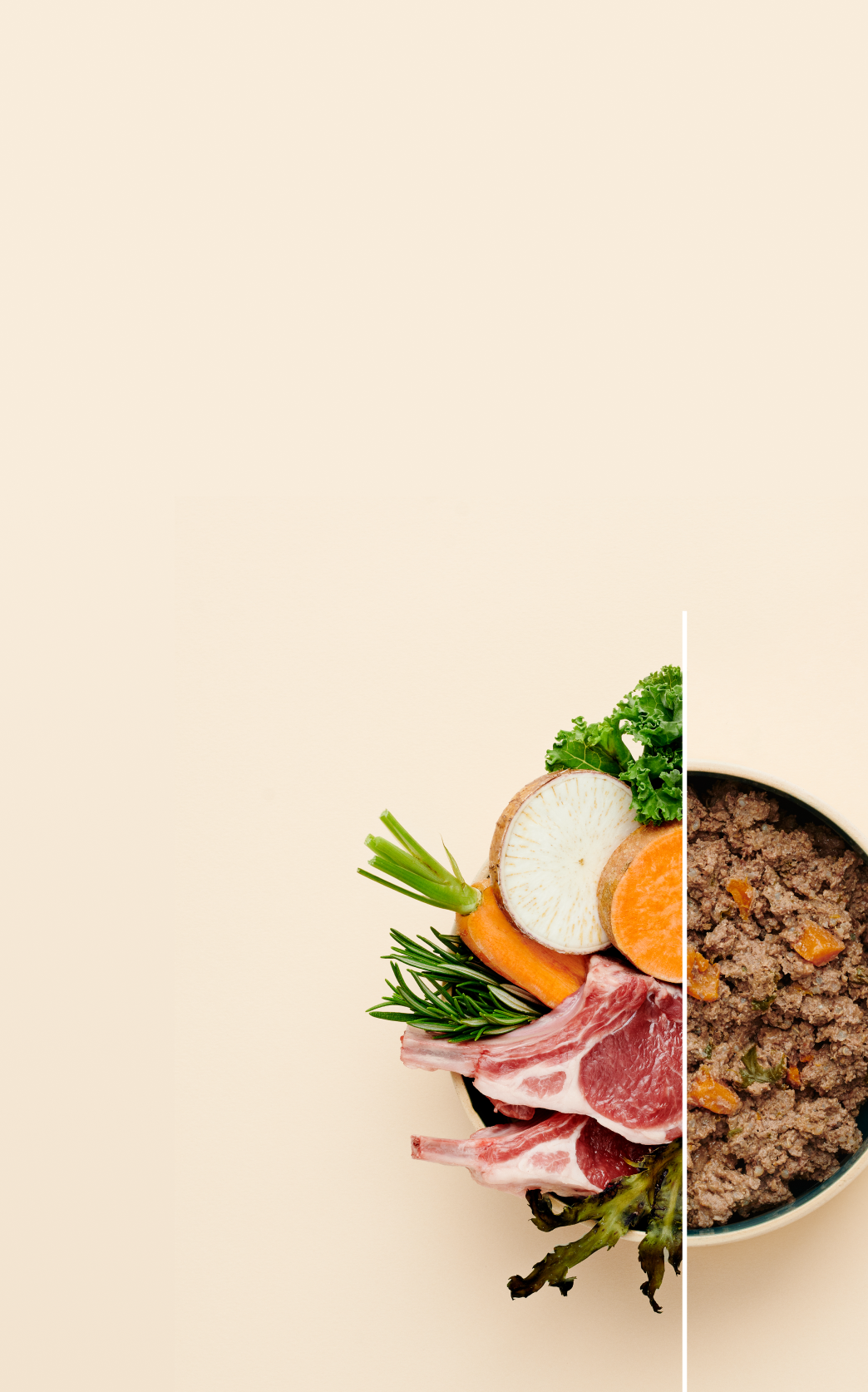
Freshly prepared British beef, veggies & superfoods
FAQs
What does BRCGS certification mean?
BRCGS certification means a manufacturing site has passed an independent food safety audit against a published global standard, covering hygiene, process control, traceability, allergen management and recall procedures. Audits are repeated annually and certification is lost if the standard is not maintained.
Is BRCGS certification a legal requirement?
No. It is a voluntary certification that goes beyond the legal minimum. UK supermarkets commonly require it of their suppliers, which is why it is widespread among manufacturers producing for retail.
Is Marleybones food made in a certified facility?
Yes. Marleybones meals are made in a BRCGS-certified facility in the UK, and all four recipes are formulated to FEDIAF nutritional guidelines as complete foods for all life stages.
What is the difference between FEDIAF compliance and BRCGS certification?
They cover different things. FEDIAF guidelines govern nutrition, meaning whether a food contains what a dog needs. BRCGS certification governs manufacturing safety, meaning whether the site making it operates to an audited standard. A food needs both.
How do I know if my dog's food is safe?
Check three things: whether the food states it is complete for your dog's life stage, whether the brand will tell you where and by whom it is made, and whether that manufacturing site holds an independent food safety certification. All three are answerable, and a brand unwilling to answer them is worth questioning.
What happens if there is a problem with a batch of dog food?
A traceable manufacturer can identify which batches contained the affected ingredient and where those batches were sent, then withdraw only those. Testing that this process works is part of a BRCGS audit, which is why traceability matters more than it sounds.


 Give your dog the quality nutrition they deserve
Real meat, wholesome veggies and functional superfoods.
Get 40% OFF today