


Best Dog Food for a Chow Chow with Itchy Skin

At a glance
- Chow Chows have a genetic predisposition to skin conditions — food plays a significant role in managing them
- Chicken and wheat are the most common dietary triggers for itchy skin in Chow Chows
- Omega-3 fatty acids — found in salmon, linseeds, and hemp seeds — reduce skin inflammation directly
- Fresh, minimally processed food retains more of the nutrients that support skin and coat health
- A food elimination trial takes 8–12 weeks to produce reliable results — patience is essential
Why do Chow Chows get itchy skin?
Chow Chows scratch more than most breeds. That is not a coincidence — it is biology. The breed carries a higher-than-average risk of atopic dermatitis (a chronic skin condition triggered by environmental or dietary allergens) and sebaceous adenitis (a condition where the glands that lubricate the skin become inflamed). Their dense double coat traps heat and moisture, which makes irritation worse and masks early symptoms.
Food is not always the cause, but it is one of the most controllable variables. Protein sources like chicken and beef, and fillers like wheat and corn, are the most frequently implicated dietary triggers in sensitive dogs. If your Chow Chow has persistent skin issues, diet is the first practical place to start. Environmental allergens — pollen, dust mites, grass — are harder to control. Food is not.
The scratching cycle matters too. Broken skin invites secondary bacterial infections, which cause more inflammation, which causes more scratching. Getting ahead of it with the right food is genuinely useful, not just a nice-to-have.
| Food Format | Skin Health Suitability | Honest Verdict |
|---|---|---|
| Pantry Fresh | Excellent | Whole ingredients, minimal processing, natural omega-3 sources intact. No preservatives that can aggravate sensitive skin. Practical for everyday use. |
| Frozen Raw | Good | High nutrient retention and single-protein options available. Handling and hygiene requirements make it less practical for many households. Risk of bacterial contamination is real. |
| Cold Pressed | Moderate | Lower processing temperature than kibble preserves more nutrients. Ingredient quality varies widely between brands. Worth checking omega-3 content specifically. |
| Dry Kibble | Poor–Moderate | High-heat extrusion degrades omega-3 fatty acids. Many recipes include multiple protein sources and fillers, making allergen identification difficult. Not the best starting point for an itchy Chow Chow. |
| Wet Canned | Moderate | Higher moisture content supports skin hydration. Quality varies enormously. Thickeners and additives in cheaper options can irritate sensitive dogs. |
What should you actually feed a Chow Chow with itchy skin?
Start with a single-protein food your dog has not eaten before. This is called a novel protein — a meat source with no prior exposure, so the immune system has nothing to react to. Lamb and salmon are the most practical options for dogs that have previously eaten chicken or beef-based diets.
Omega-3 fatty acids are the other non-negotiable. They work by reducing the inflammatory response in skin cells — less inflammation means less itching, even before the root cause is fully identified. Look for salmon, linseeds, hemp seeds, or chia seeds listed in the ingredients. These are whole-food sources, not afterthoughts.
Avoid foods with long ingredients lists when you are trying to identify a trigger. Every additional ingredient is a potential variable. Keep it simple: one protein, whole vegetables, and identifiable omega-3 sources. If you want to understand what different ingredients actually bring to the recipe, knowing how to read a dog food label makes the process considerably less confusing.
Marleybones Lush Lamb is a single-protein recipe with no fillers — a practical starting point for a Chow Chow showing signs of a food-related reaction.
Which nutrients matter most for chow chow itchy skin?
Three nutrients do most of the work when it comes to skin health in dogs: omega-3 fatty acids, zinc, and quality protein.
Omega-3 fatty acids are the most researched. EPA and DHA — the active forms found in salmon and fish oil — directly reduce skin inflammation. Plant-based sources like linseeds and hemp seeds provide ALA, which the body converts to EPA and DHA at a lower rate, but still meaningfully. Linseeds are particularly well-suited to sensitive-skin dogs because they combine omega-3s with a gentle fibre content that supports gut health simultaneously.
Zinc supports the skin barrier — the outer layer of skin that keeps allergens out and moisture in. Chow Chows are known to have a higher requirement for zinc than many other breeds. Meat-based zinc is more bioavailable (easier for the body to absorb and use) than zinc from plant sources.
Protein quality matters because the skin and coat are made of protein. A food with poor-quality protein — one that is hard to digest and poorly absorbed — leaves less available for skin repair. Named meat sources like lamb, salmon, and chicken are more digestible than generic "meat meal" or "animal derivatives."
Hemp seeds deserve a specific mention here. Hemp seeds contain a natural ratio of omega-6 to omega-3 that supports skin health without tipping the balance towards inflammation — a problem with diets that are too heavy in omega-6 alone.
Should you add a supplement on top of food?
For many Chow Chows, a good diet alone produces a visible improvement within 8–12 weeks. But some dogs need an extra push — particularly older dogs, or those with a long history of skin problems.
An omega oil supplement is the most direct option. Added daily to food, it delivers a concentrated dose of EPA and DHA without changing the core diet. This is useful if you have already found a food that works well but want to accelerate the skin response. The Marleybones Omega Boosting Oil is designed for exactly this — salmon oil with no additives, used alongside any complete meal.
Gut health and skin health are more connected than most people realise. A disrupted gut microbiome (the community of bacteria that live in the digestive system) increases the likelihood of inflammatory responses, including skin reactions. If your Chow Chow also has loose stools, excessive wind, or irregular digestion alongside itchy skin, supporting the gut at the same time makes sense.
If symptoms are severe — raw or broken skin, hair loss in patches, or scratching that disturbs sleep — see a vet before making dietary changes alone. Skin conditions in Chow Chows sometimes require prescription treatment alongside dietary management, and a vet can rule out non-dietary causes like mange or thyroid imbalance.
How do you transition a Chow Chow to a new food?
Chow Chows are famously independent, and many are suspicious of new food. Do not swap cold turkey. A slow transition reduces the chance of digestive upset and gives a fussy dog time to accept the change.
A standard 10-day plan works well: 25% new food for the first three days, 50% for the next three, 75% for the following two, then 100% from day nine onwards. If your dog shows loose stools at any stage, slow down and hold that ratio for an extra two days before progressing. Switching to fresh food follows the same gradual approach — the principle is identical regardless of format.
Keep a simple diary during the transition. Note what was eaten, any scratching episodes, and stool quality. Eight to twelve weeks is the minimum window for a food trial to give you reliable information. Changes in skin condition before that point are promising signals, but not conclusions.

“Such a relief to see her enjoying her food”
FAQs
What is the most common food allergy in Chow Chows?
Chicken and beef are the most frequently reported dietary triggers in dogs with food-related skin conditions, and Chow Chows are no exception. Wheat and corn are also common culprits, particularly in lower-quality dry foods. If your dog has been eating a chicken-based diet and develops itchy skin, switching to a novel protein like lamb or salmon is the most logical first step.
How long before I see improvement after changing my Chow Chow's food?
Allow 8–12 weeks for a full dietary elimination trial. Some dogs show noticeable improvement in coat condition within four to six weeks, but skin takes longer to fully recover than most people expect. Do not abandon a new food after two or three weeks — you will not have enough information to draw conclusions.
Is salmon a good food choice for a Chow Chow with itchy skin?
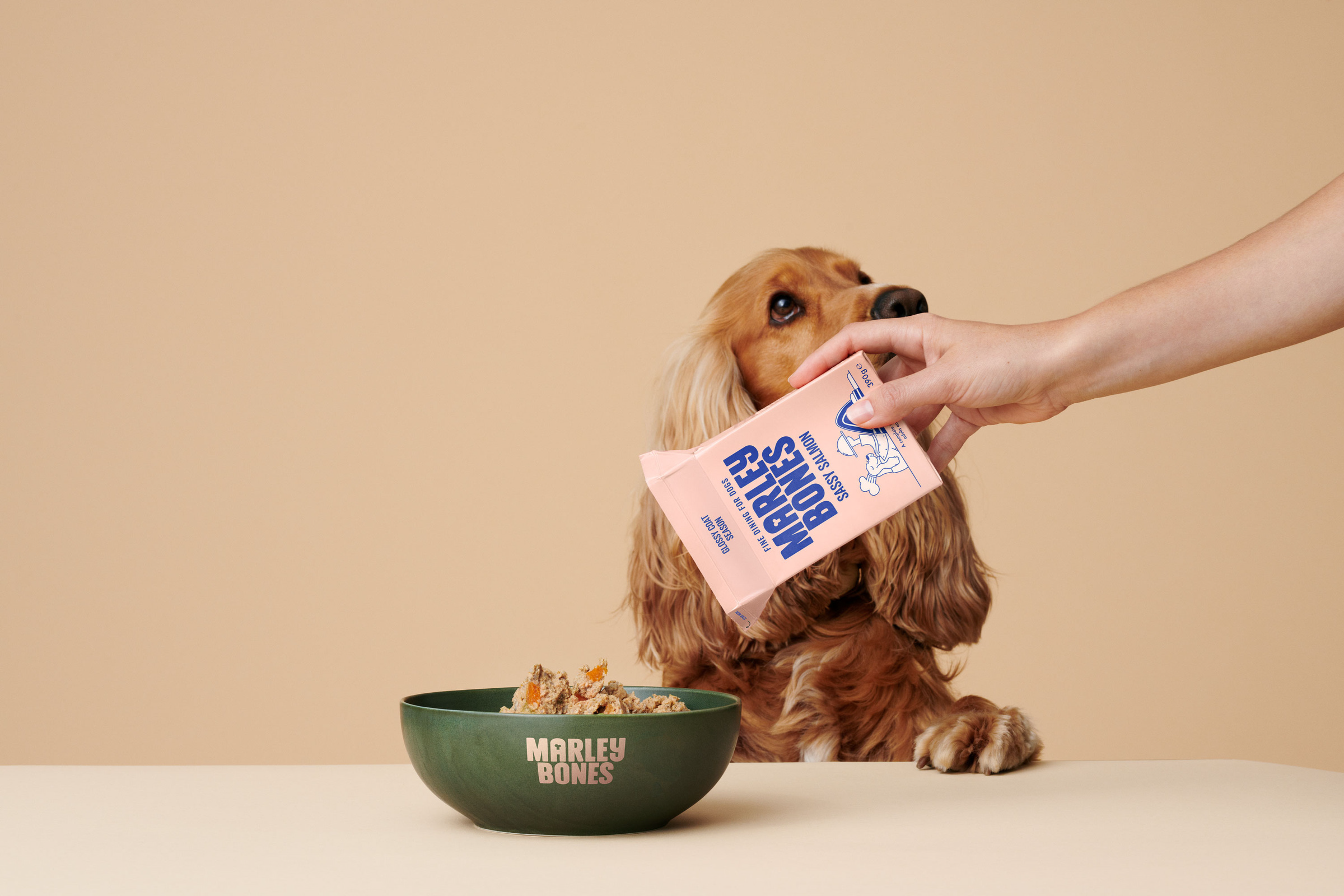
Yes. Salmon is both a novel protein for most dogs that have previously eaten chicken or beef, and a natural source of EPA and DHA omega-3 fatty acids — the type that most directly reduces skin inflammation. Marleybones Sassy Salmon uses salmon as the single protein source, with no fillers, making it a clean option for a sensitivity trial.
Can dry kibble make my Chow Chow's itchy skin worse?
It can. High-heat extrusion — the process used to make kibble — degrades omega-3 fatty acids, which are heat-sensitive. This means kibble often delivers less of the nutrients that actively support skin health. On top of that, many kibble recipes contain multiple protein sources and common fillers, making it harder to identify which ingredient is causing a reaction.
Do I need to see a vet before changing my Chow Chow's food?
Not always. If your dog has mild, intermittent itching with no broken skin or secondary infection, a dietary change is a reasonable first step. If symptoms are severe, worsening, or accompanied by hair loss, raw patches, or signs of infection, see a vet before making changes. Some Chow Chow skin conditions require prescription treatment and cannot be resolved through diet alone.
Are Chow Chow puppies also prone to itchy skin?
Yes. The genetic predispositions that make adult Chow Chows prone to skin conditions are present from birth. Puppies fed a diet with poor-quality protein or common allergens can develop skin issues early. Choose a complete food formulated for all life stages — one that includes natural omega-3 sources and avoids unnecessary fillers — from the start.
“A complete game changer!!”


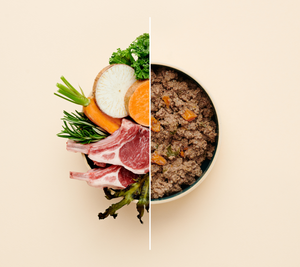 Give your dog the quality nutrition they deserve
Real meat, wholesome veggies and functional superfoods.
Get 30% off: Take the quiz