



Best dog food for a Chinese Shar Pei with a sensitive stomach

At a glance
- Chinese Shar Peis have a genetic predisposition to food sensitivities and digestive issues — gut problems in the breed are common, not coincidental
- The most common dietary triggers are wheat, soy, artificial additives, and low-quality rendered meat meals
- Single-protein diets make it far easier to identify and eliminate the ingredient causing the problem
- Prebiotic fibre — especially chicory root — feeds beneficial gut bacteria and supports more consistent digestion
- Persistent vomiting, bloody stools, or significant weight loss always need a vet assessment before any dietary change
Why do Chinese Shar Peis get sensitive stomachs?
Chinese Shar Peis are prone to sensitive stomachs because of their genetics, not just bad luck. The breed carries a higher-than-average risk of food intolerances, inflammatory conditions, and a condition called Familial Shar-Pei Fever, which involves systemic inflammation that can affect the digestive tract directly. Their immune systems tend to overreact to dietary triggers that other dogs tolerate without issue.
The result is a breed where gut symptoms — loose stools, gas, intermittent vomiting, gurgling — are common enough to be almost expected. But common does not mean inevitable. The right food makes a measurable difference, and most owners see improvement within two to four weeks of switching to a cleaner, more digestible diet.
Shar Peis are also a breed with a strong tendency toward skin and gut issues appearing together. If your dog has itchy, inflamed skin alongside digestive problems, the root cause is frequently the same: a food intolerance or an imbalanced gut microbiome. Addressing the diet addresses both.
For a broader look at the best dog food options for sensitive stomachs in the UK, including what to look for across different formats and life stages, that guide covers the full picture.
What ingredients should Chinese Shar Pei sensitive stomach food contain?
The single most important factor is protein quality. Named, whole meat sources — chicken, lamb, beef, salmon — are easier for dogs to digest than rendered by-products or vague meat meals. Higher-quality protein means more of it is actually absorbed and used. Less waste in the gut means less fermentation, less gas, and firmer stools.
Prebiotic fibre is the second priority. Chicory root is one of the most researched prebiotics in dog nutrition — it feeds the beneficial bacteria that keep digestion stable rather than passing straight through. A healthy gut microbiome buffers against flare-ups and supports immune function, which matters particularly for a breed with Shar Pei's inflammatory tendencies.
Here is what to look for and what to avoid:
| Look for | Avoid |
|---|---|
| Named whole meat as first ingredient | Generic meat meal or by-products |
| Chicory root or other prebiotic fibre | Wheat, corn, or soy as main carbohydrates |
| Omega-3 fatty acids (salmon oil, linseeds) | Artificial colours, flavours, or preservatives |
| Limited, identifiable ingredient list | Long lists of unrecognisable additives |
| Single protein source | Multiple protein sources when cause is unknown |
Omega-3s deserve a special mention for Shar Peis. The breed's tendency toward inflammation means that anti-inflammatory fatty acids — found in salmon oil, linseeds, and hemp seeds — do real work beyond basic nutrition. They help modulate the inflammatory response that underlies many of the breed's gut and skin problems.
Does food format matter for a Shar Pei with a digestive problem?
Yes. The way food is processed affects how digestible it is. Heavily processed dry kibble undergoes high-temperature extrusion, which degrades some of the natural proteins and destroys beneficial enzymes. Fresh or gently cooked food retains more of its nutritional integrity, which translates to better absorption and less gut irritation.
Fresh food also tends to have higher moisture content. Kibble is typically 8 to 10% moisture. Fresh meals sit closer to 70 to 75%. That moisture supports gut motility — the physical movement of food through the digestive system — and reduces the workload on the kidneys at the same time.
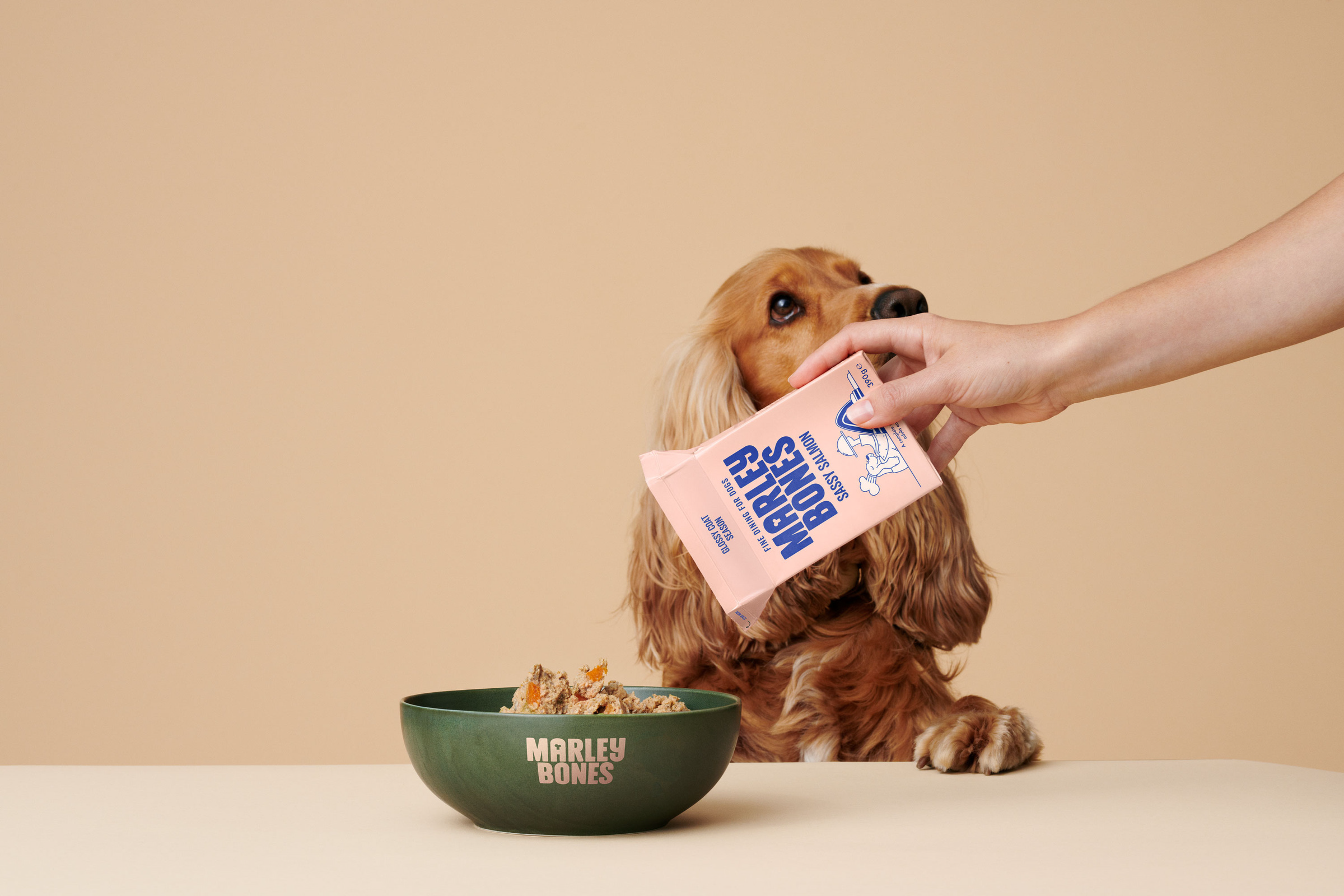
Marleybones Pantry Fresh meals are freshly prepared and slow-cooked inside the sealed pack, which locks in nutrients without the need for artificial preservatives or freezing. The vet-developed recipes include chicory root as a prebiotic and ingredients like linseeds and hemp seeds to support the kind of inflammatory balance that Shar Peis specifically benefit from.
If you are moving your Shar Pei from dry food to a fresh diet, a gradual transition over seven to ten days reduces the risk of temporary loose stools from the format change. Switching to fresh food works best when you introduce the new food incrementally, replacing about 25% of the old food every two days.
If symptoms are severe, persistent for more than a week, or include blood in the stools or significant weight loss, see your vet before making any dietary changes. A vet can rule out conditions like inflammatory bowel disease or Shar Pei Fever that require medical treatment alongside dietary management.
How do you find the right protein for a Shar Pei with food sensitivities?
Start with a single novel protein — one your dog has not eaten regularly before. For many Shar Peis, that means trying lamb or salmon rather than chicken, since chicken is so prevalent in standard dog foods that many sensitised dogs have already been exposed to it repeatedly.
Run the single-protein diet for a minimum of eight weeks without introducing any other protein sources, including treats. This is the only reliable way to assess whether a specific protein is contributing to the problem. If symptoms resolve, you have identified a safe protein. If they do not, you can eliminate that protein and trial another.
Marleybones Lush Lamb and Sassy Salmon are both single-protein options worth considering for a Shar Pei on an elimination-style approach, since they use named whole meat with no hidden secondary protein sources.
Every dog is different — build your personalised Marleybones feeding and health plan tailored to your dog's age, size, and health requirements.

“Such a relief to see her enjoying her food”
Frequently asked questions
Are Chinese Shar Peis more prone to sensitive stomachs than other breeds?
Yes. Shar Peis have a documented predisposition to immune-mediated and inflammatory conditions, including food intolerances. The breed also carries a genetic mutation linked to elevated levels of a protein called hyaluronan, which contributes to systemic inflammation. Gut sensitivity in the breed is genetic, not just environmental.
How long does it take to see improvement after changing a Shar Pei's food?
Most dogs show noticeable improvement in stool consistency and frequency within two to four weeks of switching to a cleaner, more digestible diet. Full stabilisation of the gut microbiome takes longer — typically six to eight weeks. Skin improvements linked to the same dietary change take eight to twelve weeks to become visible.
Can Marleybones meals work for a Shar Pei with a sensitive stomach?
Marleybones Pantry Fresh meals are made with named whole meat, no artificial preservatives, and gut-supporting ingredients including chicory root as a prebiotic. The recipes are vet-developed and FEDIAF compliant. For a Shar Pei with digestive sensitivity, the limited ingredient approach and fresh format make them a practical option to try as part of a structured dietary trial.
Should I feed my Shar Pei grain-free food if they have a sensitive stomach?
Not necessarily. Grains are not the enemy for most dogs. The issue is usually ingredient quality and processing, not grains specifically. Wheat and corn are common triggers in Shar Peis, but well-cooked wholegrains like oats or rice are tolerated by most. A grain-free diet is worth trialling if your dog reacts to grain-containing foods specifically, but do not remove grains as a default first step.
What is the connection between a Shar Pei's skin problems and their gut health?
The gut and skin are closely linked through the immune system. Around 70% of a dog's immune cells are located in the gut lining. When gut health is poor — whether from food intolerances, an imbalanced microbiome, or chronic inflammation — the immune response spills over and affects the skin. In Shar Peis, this connection is especially strong because both conditions share the same underlying inflammatory pathway. Improving gut health through diet reliably improves skin symptoms in the majority of cases.


 Give your dog the quality nutrition they deserve
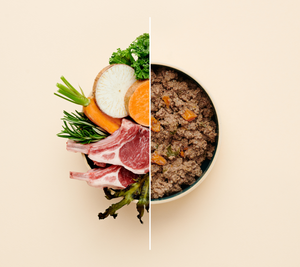
Real meat, wholesome veggies and functional superfoods.
Get 30% off: Take the quiz