


Do Cavalier King Charles Spaniels have sensitive stomachs?

At a glance
- Cavalier King Charles Spaniels are prone to digestive sensitivity — it is one of the breed's most commonly reported health complaints
- Common triggers include low-quality protein, artificial additives, high cereal content, and sudden food changes
- Loose stools, flatulence, and intermittent vomiting are the most frequent signs of a sensitive stomach in Cavaliers
- A diet built on single, highly digestible protein sources and prebiotic fibre supports long-term gut stability
- Persistent or worsening symptoms need a vet assessment — some Cavaliers have underlying conditions that mimic simple digestive sensitivity
Do Cavalier King Charles Spaniels have a cavalier sensitive stomach?
Yes, Cavaliers are genuinely prone to digestive sensitivity. It is one of the most frequently flagged health concerns in the breed, reported consistently by owners and vets alike. Their digestive systems tend to react strongly to ingredient changes, artificial additives, and low-quality fillers. That does not mean every Cavalier will struggle, but the predisposition is real and worth taking seriously from the moment you bring one home.
Cavalier King Charles Spaniels are also prone to several other health conditions — including mitral valve disease and syringomyelia — which means their overall wellbeing depends heavily on getting the basics right. Diet is one of the most controllable factors. A gut that is working well supports immunity, coat health, energy levels, and even mood. What to feed a Cavalier more broadly covers the full nutritional picture for the breed, but digestion is where most owners need to start.
Cavaliers with sensitive stomachs benefit most from consistent, simple meals with recognisable ingredients. The fewer unknowns in the bowl, the easier it is to identify what is causing a problem if one appears.
What are the signs that a Cavalier has a sensitive stomach?
The signs are usually obvious once you know what to look for. Loose or inconsistent stools are the most common indicator. Many Cavalier owners also report frequent flatulence, a visibly uncomfortable abdomen after meals, and occasional vomiting that does not seem linked to illness. Some dogs eat grass regularly as a self-soothing response to nausea.
The pattern matters as much as the individual symptom. A single episode of loose stools after a new treat is not a red flag. Regular digestive upset across different meals and days is. The complete guide to sensitive stomachs and gut health explains the full range of symptoms and what each one typically signals.
Key signs to watch for in Cavaliers:
- Loose, soft, or mucousy stools — more than two or three times a week
- Excessive flatulence, especially within an hour of eating
- Vomiting or regurgitation that is not linked to eating too fast
- Grass eating, lip-licking, or gulping, which can indicate nausea
- Reduced appetite or reluctance to eat despite being otherwise well
If symptoms are severe, include blood in the stool, or have persisted for more than a week, consult your vet. Some of these signs overlap with conditions like inflammatory bowel disease or food allergy, which need proper diagnosis rather than dietary trial and error.
What triggers digestive problems in Cavaliers?
The most common trigger is ingredient quality. Many standard dry kibbles contain high levels of cereal fillers — wheat, maize, soy — alongside rendered meat meals and synthetic preservatives. These are harder to digest, and Cavaliers with sensitive systems react to them quickly. Artificial colours and flavour enhancers are also linked to gut irritation in sensitive breeds.
Protein source matters too. Some Cavaliers tolerate chicken well; others do better on lamb or salmon. Food intolerance in dogs tends to develop after repeated exposure to the same protein, so rotating proteins periodically is a practical strategy for breeds with known digestive sensitivity.
Abrupt food changes are another consistent trigger. The gut microbiome — the community of bacteria that helps digest food — needs time to adjust to new ingredients. Switching foods too quickly disrupts that balance and causes temporary but significant digestive upset. A proper transition takes 7 to 10 days, gradually mixing the new food with the old.
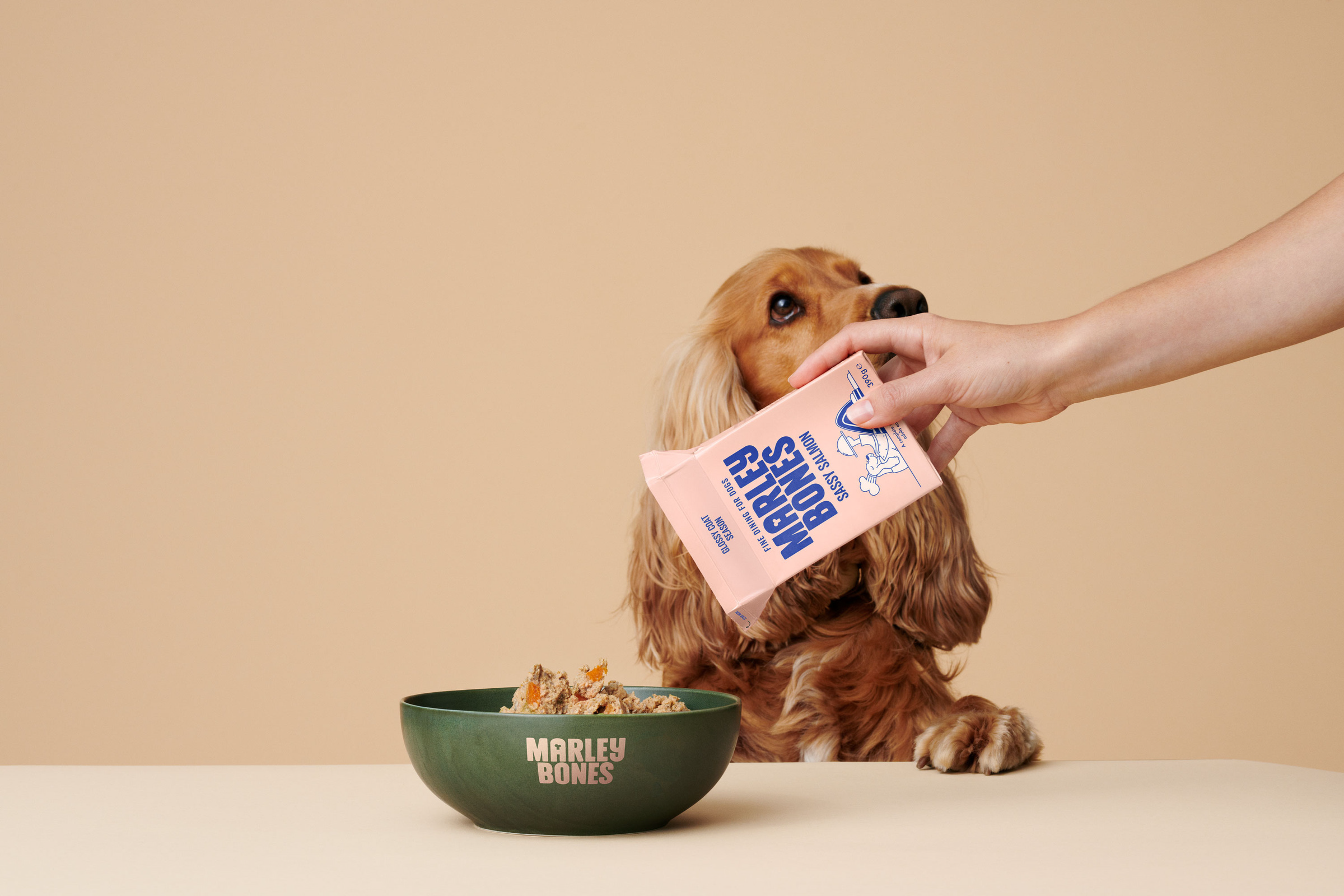
Marleybones recipes are built around single named protein sources with no fillers or artificial preservatives. Each meal includes chicory root, a prebiotic fibre that feeds the beneficial gut bacteria that keep digestion stable. The Pantry Fresh format means the ingredients are gently cooked without the high-heat processing used in standard kibble, which better preserves the natural digestibility of the protein.
What should you feed a Cavalier with a sensitive stomach?
Start with a single, high-quality protein source that your dog has not eaten before or has previously tolerated well. Lamb and salmon are good starting points for Cavaliers with a history of reactions to chicken-based foods. The protein should be clearly named on the label, not described as


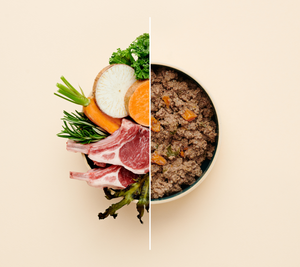 Give your dog the quality nutrition they deserve
Real meat, wholesome veggies and functional superfoods.
Get 30% off: Take the quiz