


Are Cavaliers fussy eaters?

At a glance
- Cavaliers are generally food-motivated dogs — persistent refusal usually signals a health or routine issue, not pickiness
- Common triggers include overfeeding treats, irregular mealtimes, underlying illness, and low-palatability food
- Heart disease affects a significant proportion of Cavaliers by age five, and appetite changes can be an early sign
- Switching to fresh, high-meat food resolves refusal in most cases within one to two weeks
- If a Cavalier stops eating for more than 48 hours, a vet visit is the right next step
Are Cavaliers fussy eaters, or is something else going on?
Cavalier King Charles Spaniels are not naturally fussy eaters. The breed is widely regarded as food-motivated and eager to please, which makes genuine pickiness relatively uncommon. When a Cavalier starts refusing meals, there is almost always a specific reason behind it.
The most frequent causes are practical ones: too many treats between meals, inconsistent feeding times, food that has been left down too long, or a recent change in routine. Fix the routine, and most Cavaliers go straight back to eating normally.
Food quality matters too. A bowl of low-grade kibble packed with fillers simply does not smell or taste like food to a dog with a good nose. Cavaliers are scent-driven, and a meal that smells of real meat will get eaten. One that smells of starch and additives will not.
For Cavaliers that have been genuinely reluctant eaters for a while, understanding the basics of feeding across life stages helps owners spot whether the issue is habit, diet, or health.
What health issues make a Cavalier King Charles Spaniel stop eating?
Appetite loss in a Cavalier deserves attention because the breed carries a real health burden. Mitral valve disease is the most significant: studies show that over 50% of Cavaliers have a heart murmur by age five, and close to 100% are affected by age ten. Reduced appetite is one of the early indicators that something may be changing.
Other health conditions that affect appetite in Cavaliers include dental pain, ear infections, syringomyelia (a neurological condition common in the breed), and digestive upset. None of these are fussiness. They are symptoms.
If your Cavalier stops eating for more than 48 hours, loses weight without explanation, or shows other changes in behaviour alongside reduced appetite, consult your vet. Do not assume it is pickiness and try to wait it out.
For Cavaliers with a confirmed health issue, diet becomes even more important. Cavalier-specific feeding guidance covers how nutrition maps to the breed's most common conditions, including cardiac and weight management considerations.
Why does food quality make such a difference for a cavalier fussy eater?
Dogs experience food primarily through smell. A Cavalier's nose contains roughly 300 million olfactory receptors — compared to around six million in a human. That means the aroma of a meal is, from their perspective, most of the meal.
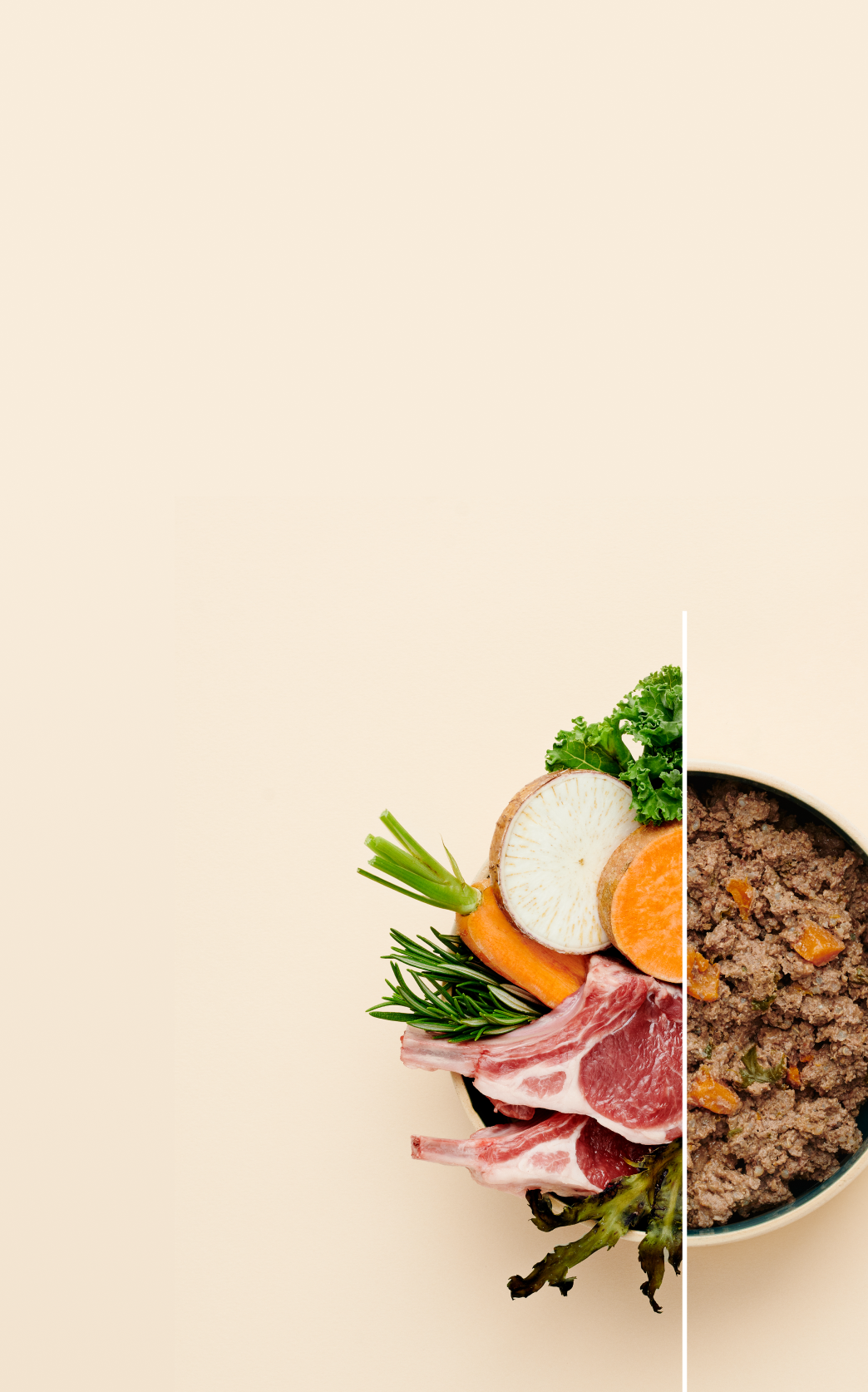
Heavily processed food goes through high-temperature manufacturing that breaks down volatile aroma compounds. The result is a product that smells bland. Fresh food retains those compounds because it is cooked at lower temperatures and not subjected to the same processing. The difference in palatability is real and measurable.
Fresh meals also tend to have higher moisture content, which makes them easier to eat for dogs with dental sensitivity — a common secondary issue in Cavaliers who have avoided eating due to mouth pain.
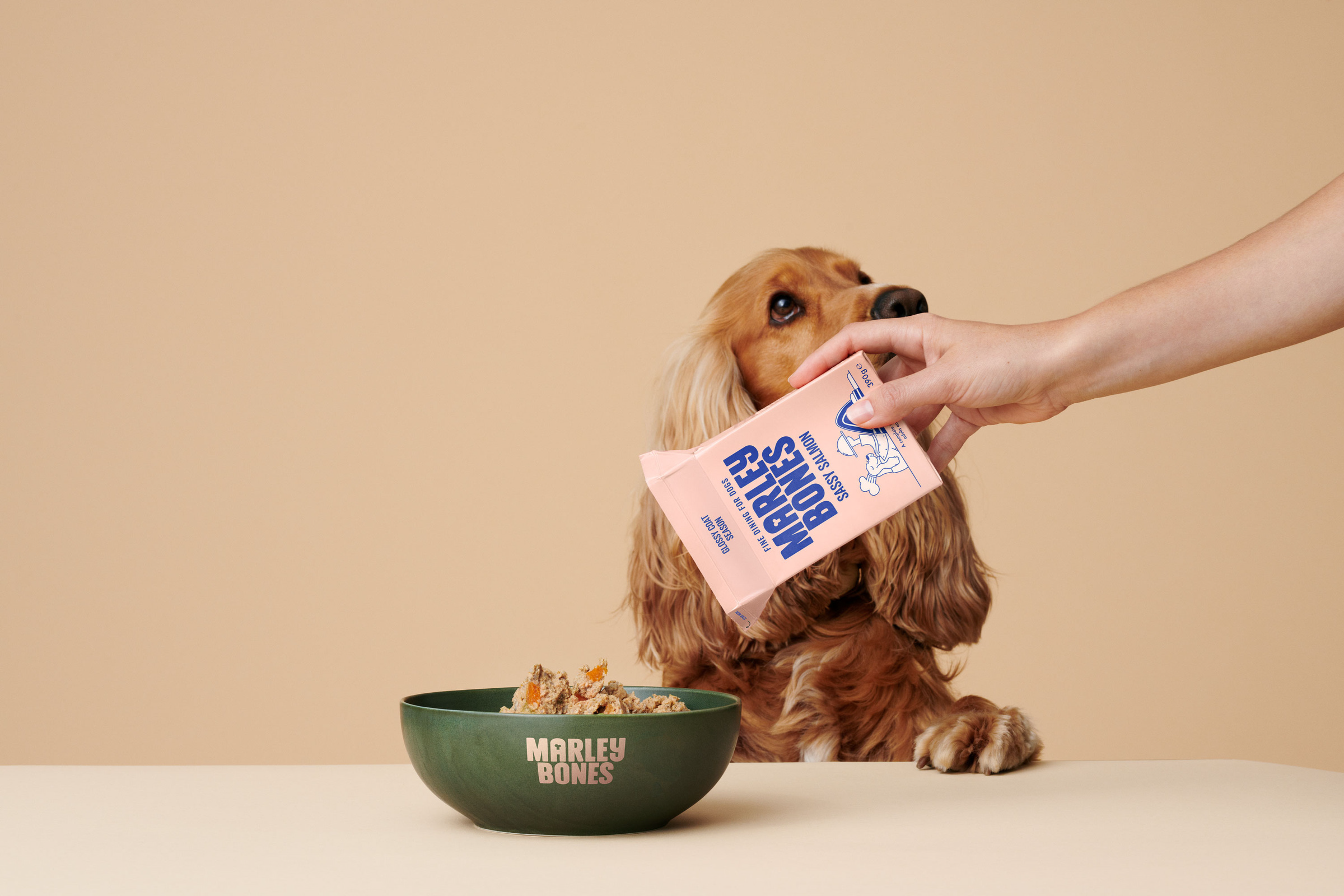
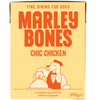
Marleybones Pantry Fresh meals are slow-cooked in-pack from freshly prepared ingredients, with no artificial preservatives and no fillers. The recipes are vet-developed and FEDIAF compliant, covering all life stages. In independent data, 9 in 10 dogs previously described as fussy eaters took to the food without issue. Chic Chicken is a good starting point for Cavaliers new to fresh food, as poultry tends to be highly palatable and easy on digestion.
How do you fix a Cavalier who has become a fussy eater through habit?
Habit-based fussiness builds up when dogs learn that refusing food leads to something better. You hold out the bowl, they turn away, you add a handful of treats or swap to something tastier. They have trained you, not the other way around.
Resetting the pattern is straightforward, but it requires consistency:
- Feed at fixed times — twice a day works well for adult Cavaliers
- Put the bowl down for 15 to 20 minutes, then remove it regardless of whether it has been eaten
- Reduce treats to no more than 10% of daily calorie intake
- Switch to a higher-quality food if the current diet is low in meat content
- Do not add toppers, gravies, or mix-ins to coax eating — it prolongs the pattern
Most Cavaliers reset within three to five days. If refusal continues beyond a week, rule out a health cause with your vet before continuing.
Transitioning to a new food should be gradual: mix roughly 25% new food with 75% existing food for the first two days, then 50/50, then 75% new for two more days, before moving fully across. Transitioning your dog to fresh food walks through exactly how to do this without triggering digestive upset.
Every dog is different — build your personalised Marleybones feeding and health plan tailored to your dog's age, size, and health requirements.

“Such a relief to see her enjoying her food”
FAQs
Are Cavalier King Charles Spaniels picky eaters?
No. Cavaliers are generally eager, food-motivated dogs. Persistent refusal is nearly always caused by a specific trigger: too many treats, low-quality food, an irregular feeding routine, or an underlying health issue. Genuine pickiness with no identifiable cause is uncommon in the breed.
What should I do if my Cavalier suddenly stops eating?
If the refusal lasts more than 48 hours, or is accompanied by lethargy, weight loss, vomiting, or behaviour changes, see your vet. Cavaliers are prone to cardiac and neurological conditions that can affect appetite. A sudden change in eating behaviour is worth investigating rather than assuming it will resolve on its own.
What is the best food for a fussy Cavalier?
Fresh, high-meat food with no fillers tends to produce the best results. High moisture content improves palatability and makes food easier to eat for dogs with any dental sensitivity. Marleybones Pantry Fresh meals — vet-developed, made from freshly prepared ingredients with no artificial preservatives — are reported as accepted by 9 in 10 dogs previously described as fussy eaters.
Can feeding too many treats cause a Cavalier to refuse meals?
Yes. If treats make up more than 10% of daily calories, they reduce appetite for main meals. Over time, dogs learn that holding out at mealtimes leads to tastier alternatives. Reducing treats and fixing meal times to twice daily resolves this pattern for most dogs within a few days.
How long does it take to fix a fussy eating habit in a Cavalier?
With a consistent routine and a food switch to something more palatable, most Cavaliers return to normal eating within three to five days. If refusal continues beyond seven days despite a routine reset and a food upgrade, a vet check is the right next step to rule out a health cause.
“A complete game changer!!”


 Give your dog the quality nutrition they deserve
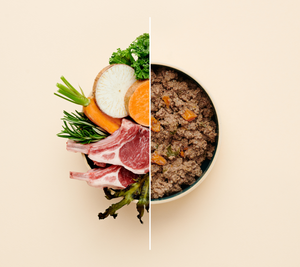
Real meat, wholesome veggies and functional superfoods.
Get 30% off: Take the quiz