

Cataracts in Dogs: Can Diet Help Slow Progression?

At a glance
- Diet cannot cure or reverse cataracts — but antioxidant-rich nutrition reduces oxidative stress in the lens and slows early progression
- Vitamins C and E, lutein, zeaxanthin, and DHA are the most evidence-backed nutrients for canine eye health
- Diabetic dogs are significantly more likely to develop cataracts — blood sugar management through diet is a key preventive factor
- Nuclear sclerosis (a bluish haze in older dogs) is often mistaken for cataracts — only a vet can tell the difference
- Severe or rapidly worsening cataracts require veterinary assessment, not dietary adjustment alone
Can diet actually make a difference to cataracts in dogs?
Diet cannot reverse cataracts that have already formed, but it genuinely influences whether they develop and how quickly they progress. The lens of the eye is unusually vulnerable to oxidative damage because it has no blood vessels and relies entirely on the fluids around it for nutrients. When antioxidant levels are low, free radicals accumulate in the lens and damage the proteins that keep it clear. That cloudiness is a cataract.
Feeding a nutritionally complete diet rich in natural antioxidants gives the lens better protection from this kind of damage. Studies in dogs have shown that diets supplemented with lutein and vitamin E reduce markers of oxidative stress in the eye. The effect is most meaningful before cataracts become dense — early-stage and preventive nutrition is where diet has the clearest role.
For owners looking at how diet connects to common health conditions, eye health is a good example of where food quality matters more than any single supplement.
Which nutrients support eye health in dogs?
Several specific nutrients have solid research behind them for canine eye health. Here is what the evidence actually shows:
| Nutrient | Role in eye health | Good dietary sources |
|---|---|---|
| Vitamin E | Neutralises free radicals in lens tissue | Sunflower seeds, salmon, eggs |
| Vitamin C | Reduces oxidative stress, supports vitamin E recycling | Fresh vegetables, sweet potato |
| Lutein & zeaxanthin | Filter harmful light, protect lens and retina | Leafy greens, eggs, marigold extract |
| DHA (omega-3) | Structural component of the retina, reduces inflammation | Oily fish, algae |
| Beta-carotene | Precursor to vitamin A, essential for retinal function | Carrots, pumpkin, sweet potato |
| Zinc | Supports vitamin A metabolism in the retina | Meat, fish, seeds |
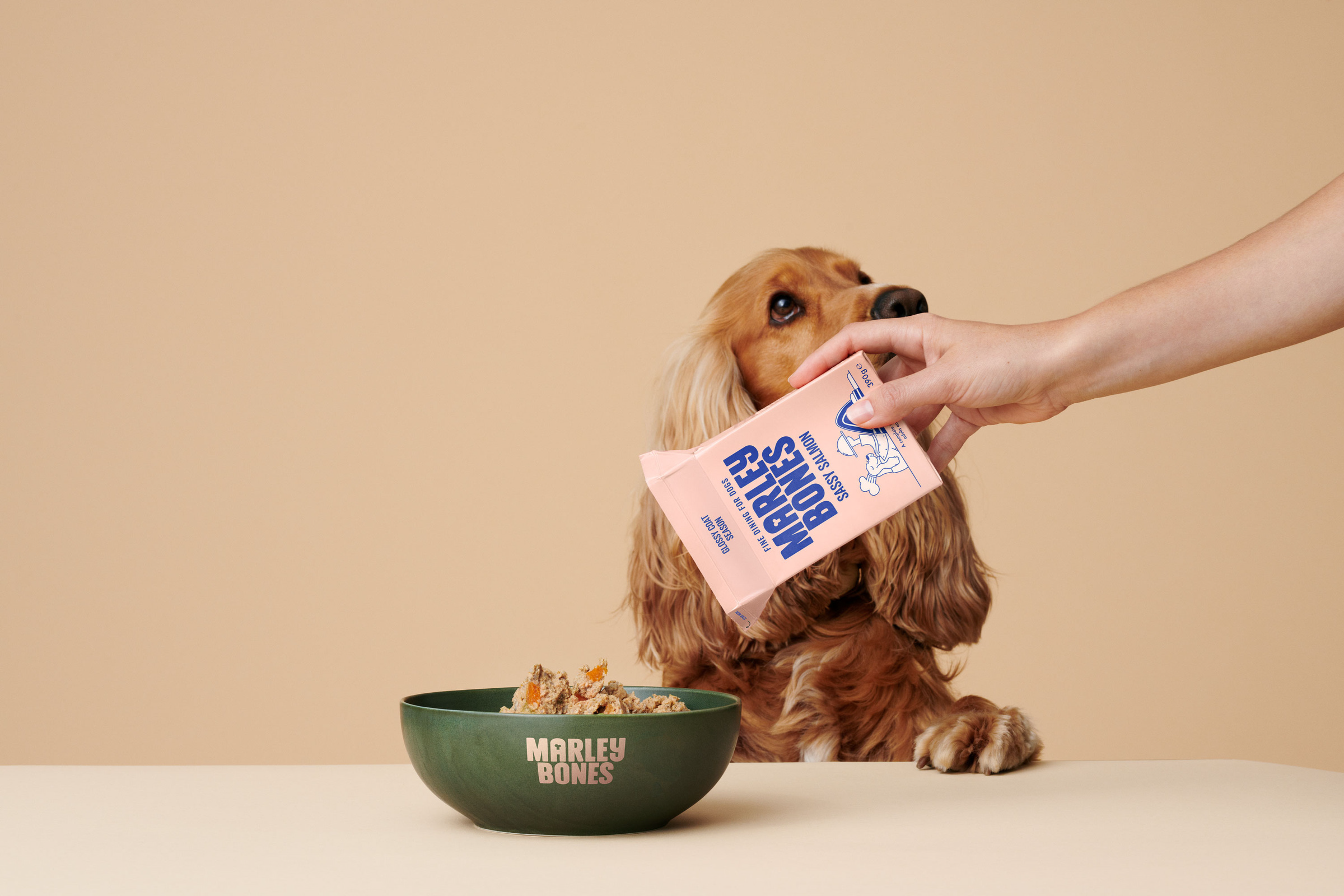
DHA deserves particular attention. The retina contains the highest concentration of DHA of any tissue in the body. Diets low in oily fish or omega-3 sources leave the eye without the building blocks it needs to maintain healthy photoreceptor cells. Marleybones' Sassy Salmon meal is built around salmon as its primary ingredient, making it a natural source of DHA without the need for synthetic top-ups.
Does blood sugar control matter for cataract prevention?
Yes, significantly. Diabetic dogs develop cataracts at a much higher rate than healthy dogs — studies suggest over 75% of diabetic dogs develop cataracts within a year of diagnosis. The mechanism is straightforward: excess glucose in the lens converts to sorbitol, a sugar alcohol that draws in water and disrupts the protein structure of the lens. The result is rapid clouding.
Managing blood sugar through diet is therefore one of the most impactful things you can do for a diabetic dog's eye health. Low-glycaemic diets — those based on whole protein sources and complex carbohydrates rather than refined starches — produce a slower, more stable glucose response. Ultra-processed foods with high starch content drive sharper glucose spikes. If your dog is diabetic or pre-diabetic, always discuss dietary changes with your vet before making them. This is one situation where professional guidance matters considerably.
Weight is closely linked here too. Overweight dogs carry a higher risk of insulin resistance, which raises cataract risk indirectly. Maintaining a healthy body condition score through appropriate portion sizes and a nutrient-dense diet is a meaningful preventive step.
What should you look for in a diet to support eye health?
The foundation is a complete, whole-food diet built on real ingredients. Whole protein sources retain more of the amino acids and micronutrients that are degraded during heavy processing. Ingredients like salmon, eggs, leafy greens, and seeds provide the antioxidants and fatty acids the eye depends on — in forms that are far more bioavailable than their synthetic equivalents added at the end of processing.
Minimally processed formats preserve more of these nutrients. Sassy Salmon uses salmon as its lead ingredient and is slow-cooked in-pack to preserve nutritional integrity without freezing or artificial preservatives — a meaningful distinction when fat-soluble vitamins and omega-3s are the nutrients in question.
Avoid foods with vague ingredient labels, excessive fillers, or long lists of synthetic additives. The more a food relies on synthetics to meet its nutritional profile, the less it's delivering from whole ingredients in the first place.
Every dog is different — build your personalised Marleybones feeding and health plan tailored to your dog's age, size, and health requirements.
For dogs already showing signs of cataracts, targeted antioxidant supplements containing lutein, vitamin E, or astaxanthin are increasingly used alongside dietary improvements. Ask your vet which supplements are appropriate for your dog's specific stage and breed.

“Such a relief to see her enjoying her food”
Frequently asked questions about cataracts and diet in dogs
Can cataracts in dogs be reversed with diet?
No. Once a cataract has formed, diet cannot break down or remove the damaged proteins in the lens. Dietary intervention works best as prevention or in very early stages where oxidative damage is limited. Advanced cataracts require surgical assessment with a veterinary ophthalmologist.
Which dog breeds are most at risk of cataracts?
Several breeds carry a strong genetic predisposition, including Miniature Schnauzers, Boston Terriers, Golden Retrievers, Labrador Retrievers, Cocker Spaniels, and Siberian Huskies. In these breeds, nutritional support for eye health is worth starting early rather than waiting for symptoms.
Is nuclear sclerosis the same as cataracts?
No. Nuclear sclerosis is a normal ageing change that creates a bluish-grey haze in the lens of older dogs. It looks similar to a cataract but does not significantly impair vision and requires no treatment. Only a vet can distinguish between the two on examination — do not assume a cloudy eye is nuclear sclerosis without a professional assessment.
Are there specific foods that damage the eyes in dogs?
High-sugar and high-glycaemic diets accelerate lens clouding in diabetic dogs. Chronic vitamin A deficiency impairs retinal function. Diets consistently low in omega-3s leave the retina undernourished over time. No single food causes cataracts, but a pattern of poor nutrition increases risk across multiple pathways.
How much omega-3 does a dog need for eye health?
There is no single agreed figure for dogs, but most veterinary nutritionists recommend that DHA and EPA together account for at least 0.5% of dry matter in a complete diet. Oily fish fed two to three times a week, or a complete diet with salmon as a primary ingredient, covers this for most dogs without supplementation.
“A complete game changer!!”


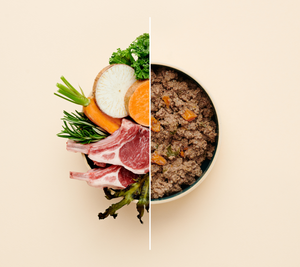 Give your dog the quality nutrition they deserve
Real meat, wholesome veggies and functional superfoods.
Get 40% OFF today