


Can Dogs Eat Onions?

At a glance
- Onions are toxic to dogs — no safe amount exists
- The toxic compounds are called thiosulphates, which damage red blood cells and cause haemolytic anaemia
- All forms are dangerous — raw, cooked, dried, powdered, and pickled
- Symptoms include lethargy, pale gums, reduced appetite, and breathlessness
- If your dog has eaten onion, contact your vet immediately — do not wait for symptoms to appear
Are onions really that dangerous for dogs?
Yes. Onions are one of a small group of foods that are genuinely toxic to dogs, not just mildly irritating. They belong to the Allium family, which also includes garlic, leeks, chives, and shallots. All of these pose the same risk.
The problem comes from a group of compounds called thiosulphates. Dogs lack the enzyme needed to process them properly. When thiosulphates build up in the bloodstream, they attach to red blood cells and cause oxidative damage. The body then destroys those damaged cells faster than it can replace them. The result is haemolytic anaemia — a condition where there are not enough healthy red blood cells to carry oxygen around the body.
Onions are toxic to dogs in all forms. Thiosulphates are not broken down by heat, so cooking makes no difference. Dried and powdered onion is actually more dangerous by weight than fresh onion, because the water content is removed and the compounds are more concentrated. This is worth knowing, because onion powder is a common ingredient in gravies, stocks, sauces, and processed human foods that dogs might encounter.
Understanding which ingredients are harmful — and which are safe — is part of reading dog food and human food labels with confidence.
How much onion is toxic to a dog?
The threshold for onion toxicity in dogs is approximately 5 grams of onion per kilogram of body weight. For a 10 kg dog, that is around 50 grams — roughly half a small onion. For a 30 kg dog, around 150 grams.
Those figures refer to a single exposure. Repeated smaller amounts can be just as dangerous. Thiosulphates accumulate, so a dog that regularly eats small quantities of onion — in table scraps, sauces, or flavoured foods — can develop toxicity over time even without a single large dose.
Small dogs and puppies are at higher risk simply because of their lower body weight. A teaspoon of onion powder could be enough to cause serious harm in a small breed.
| Dog weight | Approximate toxic threshold (fresh onion) |
|---|---|
| 5 kg (e.g. Chihuahua) | ~25 g |
| 10 kg (e.g. Cocker Spaniel) | ~50 g |
| 20 kg (e.g. Border Collie) | ~100 g |
| 30 kg (e.g. Labrador) | ~150 g |
| 40 kg (e.g. German Shepherd) | ~200 g |
These thresholds are a guide, not a safety limit. Any onion ingestion warrants a call to your vet.
What are the signs of onion poisoning in dogs?
Symptoms of onion toxicity do not always appear immediately. They can take one to five days to develop, which is why it is important to contact your vet as soon as you know your dog has eaten onion — not just if symptoms appear.
The signs to watch for include:
- Lethargy and weakness
- Pale, white, or yellowish gums
- Loss of appetite
- Breathlessness or rapid breathing at rest
- Vomiting or diarrhoea shortly after eating
- Dark or reddish-brown urine, which suggests red blood cell breakdown
- Fainting or collapse in severe cases
If your dog shows any of these signs — or you know they have eaten onion — call your vet straight away. Do not wait for symptoms to worsen. Early treatment, which can include inducing vomiting and supportive care, is significantly more effective than treating established anaemia.
Which everyday foods contain hidden onion?
Raw onion in a bowl is easy to spot. The problem is that onion appears in a surprising number of cooked and processed human foods, often unlabelled as a headline ingredient.
Foods commonly containing onion or onion powder include:
- Gravy, stock cubes, and packet sauces
- Soup, especially French onion, minestrone, and most tinned varieties
- Ready meals, pies, and sausages
- Crisps and savoury snacks
- Baby food — some varieties use onion powder as flavouring
- Leftover stir-fries, curries, and roast dinner trimmings
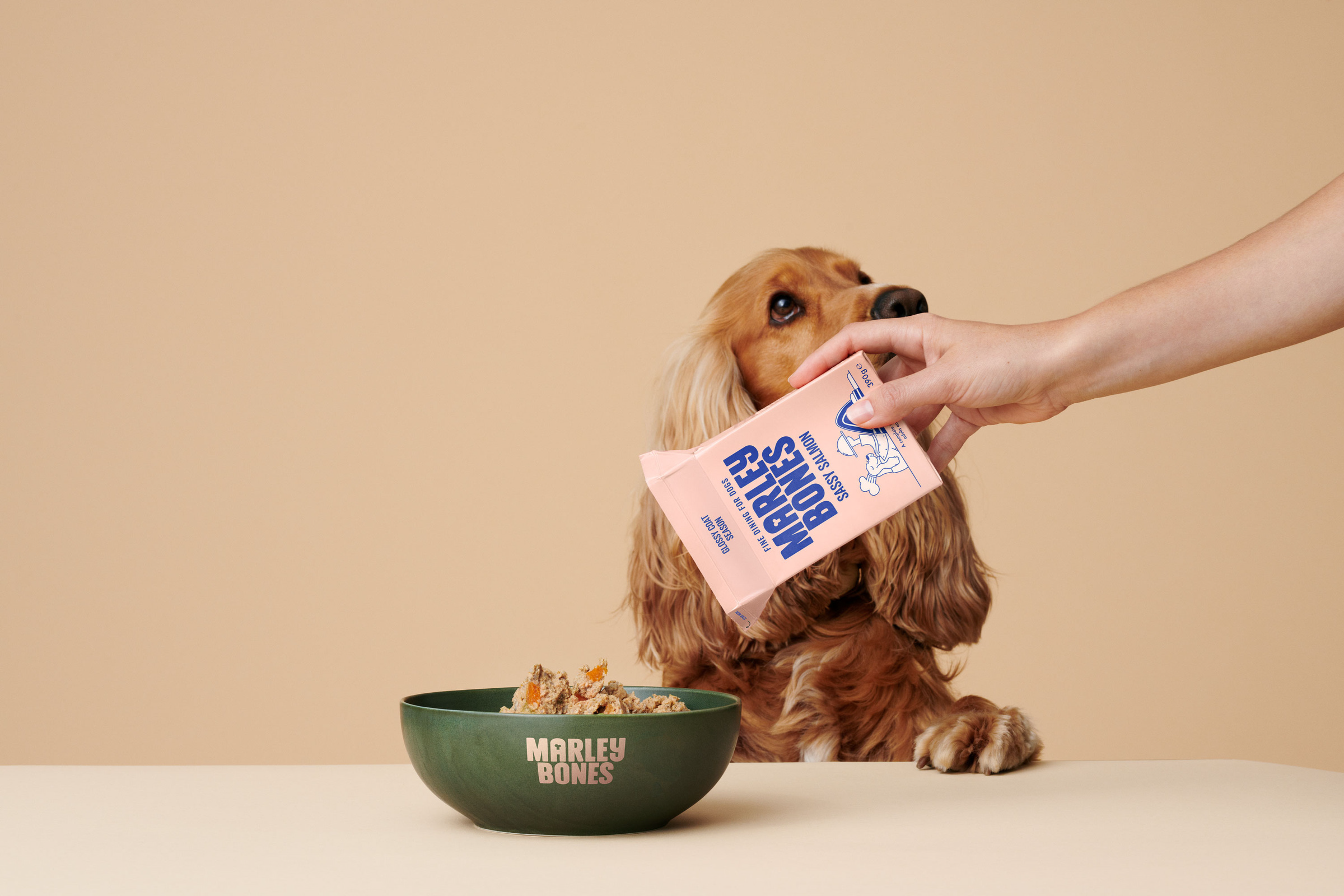
This is one reason why feeding dogs food prepared specifically for them — rather than human leftovers — matters. Dog food made to FEDIAF nutritional standards, like Marleybones meals, is formulated without any onion, garlic, or other Allium ingredients. Every recipe is vet-developed and tested to be complete and safe for dogs at all life stages.
Every dog is different — build your personalised Marleybones feeding and health plan tailored to your dog's age, size, and health requirements.
What should you do if your dog eats onion?
Act immediately. Even if your dog seems fine, contact your vet or the Animal Poison Line (01202 509000 in the UK). Give them as much information as you can: the type of onion, how much your dog ate, and your dog's weight.
Do not try to induce vomiting at home unless your vet specifically advises it. Some methods people attempt — including salt or hydrogen peroxide — can cause additional harm.
Your vet assess the situation and decide whether to induce vomiting, run blood tests to check red blood cell levels, or monitor your dog over the following days. In severe cases, a blood transfusion is needed to treat the anaemia.
Knowing what your dog has eaten — and what is in their regular diet — makes these conversations with your vet faster and more effective. Understanding how to read a dog food ingredients list is a practical first step for any owner who wants to be sure about what is going into their dog's bowl.

“Such a relief to see her enjoying her food”
Frequently asked questions
Can dogs eat cooked onions?
No. Cooking does not reduce onion toxicity. The thiosulphates that cause harm are not broken down by heat. Boiled, fried, roasted, or caramelised onions are just as dangerous as raw onions.
Is onion powder more dangerous than fresh onion?
Yes. Onion powder is more concentrated than fresh onion because the water content has been removed. Gram for gram, it contains more thiosulphates. A small amount of onion powder in a sauce or gravy can be enough to cause problems, especially for smaller dogs.
Can dogs eat spring onions or chives?
No. Spring onions, chives, leeks, shallots, and garlic all belong to the Allium family and contain the same toxic compounds as onions. None of them are safe for dogs in any amount.
My dog ate a tiny amount of onion — do I still need to call the vet?
Yes. Any amount is worth reporting to your vet, because thiosulphates accumulate with repeated exposure and because smaller dogs hit the toxic threshold more quickly than larger breeds. Your vet can advise whether any action is needed based on your dog's weight and how much was eaten.
What are signs that onion poisoning is serious?
Pale or white gums, breathlessness at rest, dark urine, and collapse are signs of significant haemolytic anaemia and require emergency veterinary care. Even if symptoms seem mild, seek veterinary advice promptly — do not wait for things to deteriorate before calling.
“A complete game changer!!”


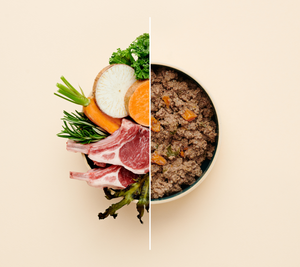 Give your dog the quality nutrition they deserve
Real meat, wholesome veggies and functional superfoods.
Get 40% OFF today