


Can Dogs Eat Garlic?

At a glance
- Garlic is toxic to dogs — all forms are dangerous, including raw, cooked, dried, and powdered
- It contains thiosulphates, which damage red blood cells and can cause haemolytic anaemia
- Garlic powder is more concentrated than fresh garlic and poses a higher risk per gram
- Symptoms of poisoning can take 1–5 days to appear after ingestion
- There is no safe dose — garlic should never be given to dogs intentionally
Is garlic really dangerous for dogs?
Yes. Garlic is toxic to dogs and there is no safe amount to feed. It belongs to the Allium family, alongside onions, leeks, and chives — all of which are harmful to dogs. The toxic compounds in garlic are called thiosulphates. Dogs cannot metabolise them the way humans can, so the compounds accumulate and begin attacking red blood cells. The result is haemolytic anaemia, a condition where red blood cells are destroyed faster than they can be replaced.
Garlic is significantly more potent than onion. Studies estimate garlic is approximately five times more toxic per gram than onion for dogs. This matters because garlic powder and garlic salt are highly concentrated forms. Even a small pinch of garlic powder in a shared meal can deliver a meaningful toxic load, particularly for smaller dogs.
The danger is well established in veterinary toxicology. Garlic poisoning in dogs is documented in clinical literature, and the ASPCA Animal Poison Control Center lists garlic as a serious hazard. Understanding which ingredients are in your dog's food — and why some are excluded — is covered in detail in our complete guide to dog food ingredients and nutrition labels.
What happens when a dog eats garlic?
Garlic triggers oxidative damage to a dog's red blood cells. The cells develop abnormalities called Heinz bodies, which cause the immune system to flag and destroy them. As red blood cells are lost, the dog becomes anaemic. Anaemia reduces the blood's ability to carry oxygen, which puts strain on the heart and organs.
The challenge with garlic poisoning is that symptoms are delayed. A dog can eat garlic on Monday and appear fine until Thursday or Friday. By the time signs appear, the damage to red blood cells is already under way.
Symptoms to watch for include:
- Pale, white, or yellowish gums
- Lethargy and weakness
- Rapid or laboured breathing
- Reduced appetite
- Dark, reddish-brown urine — a sign of red blood cells breaking down
- Vomiting or diarrhoea in the hours following ingestion
If your dog has eaten garlic and you notice any of these signs, contact your vet immediately. This is not a wait-and-see situation. Severe haemolytic anaemia can be fatal without treatment, and a vet may need to intervene with supportive care or, in serious cases, a blood transfusion.
Are some dogs more vulnerable than others?
All dogs are at risk from garlic, but some are more susceptible to toxicity. Japanese breeds — including Akitas and Shiba Inus — have a documented genetic sensitivity to thiosulphates and develop anaemia at lower doses than other breeds. Puppies are at higher risk because their red blood cells are less robust than those of adult dogs. Dogs with existing health conditions, particularly those involving the liver, kidneys, or blood, face compounded risk.
Body weight is also a direct factor. A 5 kg Chihuahua ingesting the same amount of garlic as a 30 kg Labrador faces a far higher toxic load relative to their size. There is no threshold below which garlic becomes safe for any dog. The risk scales with dose and body weight, but it never reaches zero.
What about garlic in commercial dog food?
Reputable commercial dog food producers do not include garlic in their recipes. If you see garlic listed on a dog food label, treat that as a red flag. Some older or lower-quality products included trace amounts under the mistaken belief that small quantities were safe or even beneficial. The evidence does not support this. Cumulative exposure from repeated small doses carries the same long-term risks as a single larger dose.
When reading a dog food ingredients list, knowing what to look for — and what should never appear — is one of the most practical ways to protect your dog. Marleybones meals contain no garlic. Every recipe is vet-developed and FEDIAF compliant, with ingredient choices made on the basis of safety and nutritional benefit, not flavour shortcuts.
Every dog is different — build your personalised Marleybones feeding and health plan tailored to your dog's age, size, and health requirements.
What should you do if your dog eats garlic?
Act quickly. If you know or suspect your dog has eaten garlic, call your vet or the Animal Poison Line (UK: 01202 509000) straight away. Do not wait for symptoms to appear. Early intervention gives the best outcomes. Your vet assess the quantity consumed, the dog's weight and health status, and decide whether to induce vomiting or monitor the dog closely over the following days.
Bring as much information as possible: the form of garlic (raw, powdered, cooked), the approximate amount, and when it was eaten. If garlic was an ingredient in something your dog ate — a sauce, leftover food, or a human snack — bring the packaging if you can.
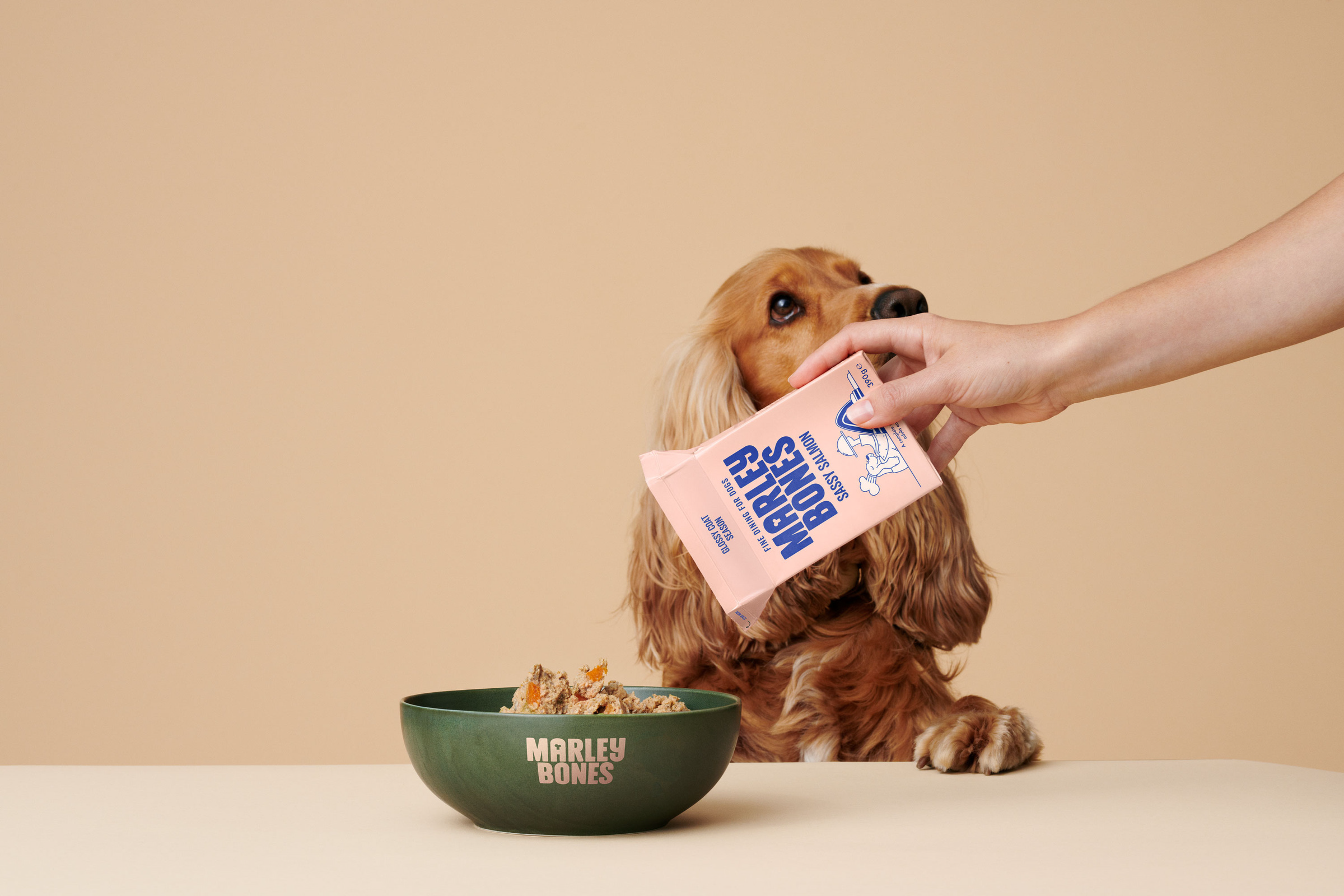
If you want to offer your dog varied, flavourful meals without the worry, Marleybones' Pantry Fresh meals are freshly prepared with real meat and whole ingredients, slow-cooked in-pack with no preservatives and no garlic — complete and balanced for dogs of all life stages.

“Such a relief to see her enjoying her food”
Frequently asked questions
Can a tiny amount of garlic hurt a dog?
Yes. There is no safe dose of garlic for dogs. Even small amounts cause oxidative damage to red blood cells, and repeated low-level exposure is cumulative. Body weight affects how quickly symptoms develop, but no quantity is harmless.
Is cooked garlic safer than raw garlic for dogs?
No. Cooking does not neutralise the thiosulphates in garlic. Roasted, sautéed, or boiled garlic is equally toxic to dogs as raw garlic. The same applies to garlic powder, garlic salt, and garlic-infused oils.
How much garlic is toxic to dogs?
Research suggests toxicity begins at around 15–30 grams of garlic per kilogram of body weight. For context, a single clove of garlic weighs approximately 3–7 grams. Garlic powder is roughly five times more concentrated, so far smaller quantities trigger the same level of harm. No amount should be considered safe.
My dog ate garlic bread — what should I do?
Call your vet immediately, even if your dog seems fine. Garlic bread typically contains butter, salt, and garlic, all of which cause additional problems. The garlic content varies by recipe, but the risk is real. Your vet will advise based on the size of your dog and how much was consumed.
Are there any health benefits to garlic for dogs?
No. Claims that garlic repels fleas or supports canine immune function are not supported by credible evidence. The established risk of toxicity far outweighs any speculative benefit. Safe, evidence-backed ingredients exist for every function garlic is claimed to serve — and none of them damage red blood cells.
“A complete game changer!!”


 Give your dog the quality nutrition they deserve
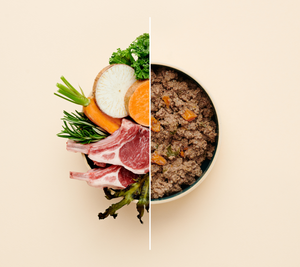
Real meat, wholesome veggies and functional superfoods.
Get 40% OFF today