


Best Natural Training Treats for Dogs (UK)

At a glance
- The best training treats are small, soft, and high in real meat protein — no fillers, no artificial flavours
- Treats should account for no more than 10% of your dog's daily calories
- Single-ingredient treats (like dried chicken or beef strips) are the cleanest option for dogs with sensitivities
- Soft treats work faster in training because dogs don't have to stop and chew — reward timing is everything
- Natural treats avoid artificial preservatives, colours, and flavour enhancers that add no nutritional value
What makes a training treat genuinely good for your dog?
The best natural training treats are small, soft, made from real meat, and low enough in calories that you can use them freely without guilt. That combination matters because training sessions involve a lot of repetition. You might give 20, 30, or even 50 rewards in a single session. If each treat is calorie-dense or packed with fillers, it adds up fast.
High-quality protein is the key ingredient to look for. Real meat — chicken, beef, lamb, salmon — gives your dog something genuinely desirable. That's what creates the motivation to keep working. Treats made mostly from cereals, starches, or derivatives tend to get a lukewarm response, especially from dogs who know what real food tastes like.
Natural treats skip the artificial preservatives, synthetic flavours, and colouring agents found in many commercial options. Those additives serve the manufacturer, not your dog. A treat made from dried meat with no extras is nutritionally straightforward and far less likely to cause digestive upset — which matters when you're training in a new environment and the last thing you need is a stomach issue. Understanding what's actually in your dog's food and treats makes it much easier to choose well.
What types of natural training treats are available in the UK?
The UK market has genuinely improved. There are solid options across different formats, and the right choice depends on your dog's size, any dietary sensitivities, and what they find most motivating.
| Treat type | Best for | Things to watch |
|---|---|---|
| Dried meat strips (chicken, beef, lamb) | High motivation, all sizes when broken small | Can be higher in calories — check the label |
| Freeze-dried single ingredient | Sensitive dogs, ingredient transparency | Can crumble — not ideal for outdoor use in wind |
| Soft meat bites | Fast-paced training, puppies, older dogs | Check for added sugars or syrups in cheaper versions |
| Air-dried liver | Very high value — useful for difficult environments | Rich — use sparingly, especially for small dogs |
| Fish skin treats | Dogs with chicken or beef sensitivities | Smell is strong — not always popular with owners |
Soft treats win for most training contexts. Dogs swallow them in under a second, which keeps their attention on you rather than on chewing. Harder treats slow the reward loop and can distract a dog from the next cue.
How do you use training treats without wrecking your dog's diet?
The 10% rule is the standard guideline: treats should make up no more than 10% of your dog's daily calorie intake. For a 10kg dog eating around 400kcal a day, that's 40kcal from treats — roughly 8 to 12 small soft meat treats depending on the brand.
The practical fix is to reduce your dog's main meal slightly on heavy training days. If you've used a lot of treats in the morning, scale back lunch or dinner by a proportionate amount. Most owners don't do this and then wonder why their dog's weight is creeping up.
Breaking treats into smaller pieces is the other easy win. A standard treat broken into thirds still delivers the reward signal — dogs respond to the act of receiving food, not the quantity. Smaller pieces also let you train for longer without hitting the calorie ceiling.
If your dog has a sensitive stomach, introduce new treats gradually rather than using a whole new bag in one session. Rapid dietary changes — even small ones — can cause loose stools in sensitive dogs. If digestive issues persist after switching treats, speak to your vet before continuing.
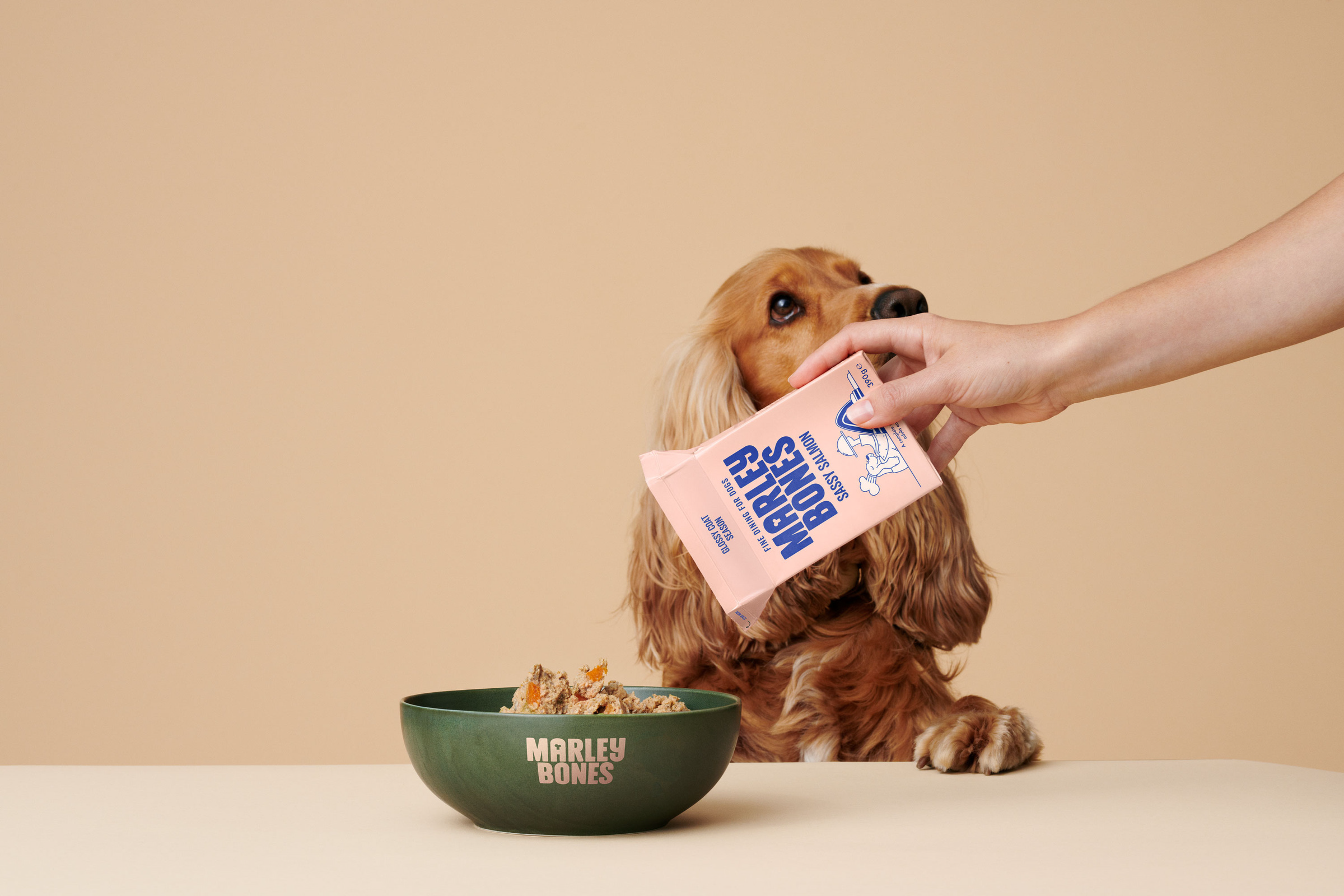
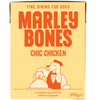
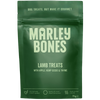
The ingredients in your dog's main meals and their treats should complement each other. Marleybones meals are made from freshly prepared ingredients with no fillers or artificial preservatives — the same standard worth applying when choosing treats. Marleybones Chicken Treats are made to the same single-ingredient standard, which makes them a clean fit alongside a natural diet.
Are there natural ingredients to avoid in dog training treats?
Yes. Some ingredients appear in otherwise natural-looking treats and are worth avoiding.
- Xylitol — a sweetener that is toxic to dogs. It appears in some low-sugar human-grade products repurposed as dog treats. Always check.
- Added sugar or glucose syrup — common in soft treats to improve texture and palatability. It serves no nutritional purpose.
- Propylene glycol — used to keep soft treats moist. Classified as safe at low levels but unnecessary when better alternatives exist.
- Meat derivatives or meat meal without a named species — vague ingredient labelling that tells you nothing about quality. Named meat (chicken, lamb, beef) is always preferable.
- Artificial colours — dogs don't see colour the way humans do. Coloured treats are for the owner's benefit, not the dog's.
Reading the ingredients list takes 30 seconds and tells you everything. Ingredients are listed by weight, heaviest first — so if meat isn't first or second on the list, it's not the primary ingredient, whatever the packaging claims.
Every dog is different — build your personalised Marleybones feeding and health plan tailored to your dog's age, size, and health requirements.

“Such a relief to see her enjoying her food”
How many training treats can I give my dog per day?
No more than 10% of your dog's daily calorie intake should come from treats. For most dogs, that works out to 8 to 15 small soft treats depending on their size and the calorie density of the treat. Reduce the main meal slightly on days with heavy training.
What is the best natural training treat for puppies?
Small, soft, single-ingredient meat treats work well for puppies. Keep them tiny — no bigger than a pea — because puppies have small stomachs and can easily fill up on treats before getting their complete nutrition from their main meal. Chicken and lamb are generally well tolerated.
Are dried meat treats better than commercial training treats?
For ingredient quality, yes. Dried or freeze-dried single-ingredient meat treats have shorter ingredient lists and no unnecessary additives. Commercial training treats often contain cereals, derivatives, and flavour enhancers to make up for lower meat content. The difference shows in how motivated most dogs are to work for them.
Can I use my dog's normal food as training treats?
Yes, and for dogs on a fresh or high-quality diet, their regular food can work well as a low-value reward for easy tasks. Reserve higher-value treats for new environments, challenging exercises, or recall training, where motivation needs to be at its peak.
Should training treats be grain-free?
Grain-free is not automatically better. What matters is the overall ingredient quality. Some grain-free treats replace cereals with legumes like peas and lentils, which are not inherently superior. Focus on named meat as the first ingredient and a short, recognisable ingredients list rather than fixating on grain-free as a marker of quality.
“A complete game changer!!”


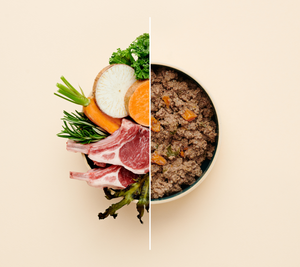 Give your dog the quality nutrition they deserve
Real meat, wholesome veggies and functional superfoods.
Get 40% OFF today