



Best Food for Working and Active Dogs (UK)

At a glance
- Working and highly active dogs need significantly more protein and fat than sedentary dogs — sometimes double the calories.
- Animal-based protein is the priority: it supports muscle repair, immune function, and sustained energy.
- Fat provides more than twice the energy per gram that carbohydrates do — it is the primary fuel source for endurance work.
- Fresh, minimally processed food delivers nutrients in a more bioavailable form than heavily cooked or extruded alternatives.
- Portion sizes should be adjusted to maintain a lean, healthy body condition — not just matched to breed or weight guidelines.
What makes a dog count as 'working' or 'active'?
Working and active dogs need more energy, more protein, and more fat than the average family pet. That applies to a wide range of dogs: gun dogs out on a shoot, herding dogs on a farm, canicross competitors, agility dogs in regular training, and even large breeds who run off-lead for more than an hour a day.
The key distinction is sustained physical output. A dog doing 20 minutes of gentle walking is not an active dog in nutritional terms. A Spaniel covering 10 miles of rough terrain on a shooting day absolutely is. The difference in calorie demand between those two scenarios can be substantial — 50 to 100% more energy depending on the intensity and duration of the work.
Getting the food right for a working dog is one of the most practical things an owner can do. The right nutrition directly affects stamina during work, how quickly the dog recovers afterwards, and whether muscle condition is maintained over a season. Feeding for life stage and activity level is not just about portion size — it is about the quality of what goes in the bowl.
What nutrients do working dogs actually need more of?
Protein comes first. Working dogs need more of it, and they need it from high-quality animal sources: meat, fish, and poultry rather than plant-based fillers. Protein does two jobs: it provides amino acids for building and repairing muscle tissue, and it supports the immune system, which takes a knock during heavy physical exertion. A diet that is low in protein, or relies on poor-quality protein sources, will leave a working dog struggling to recover between sessions.
Fat is the main fuel source for sustained, aerobic work — the kind of effort a gun dog or sheepdog does hour after hour. Fat provides around 8.5 kcal per gram, compared to roughly 3.5 kcal per gram from protein or carbohydrate. For dogs doing endurance-type work, a higher fat intake is genuinely useful, not a concern. Look for named fat sources: chicken fat, salmon oil, and similar. These also supply omega-3 and omega-6 fatty acids, which support joint health and reduce the inflammation that comes with repeated high-impact exercise.
Carbohydrates play a smaller but still useful role. They are the primary fuel for short bursts of intense effort, such as sprinting or jumping. For most working dogs, a moderate carbohydrate intake from digestible sources such as sweet potato or brown rice is appropriate — not excessive starch, and not zero carbs.
| Nutrient | Why it matters for active dogs | What to look for on the label |
|---|---|---|
| Protein | Muscle repair, immune support, sustained energy | Named meat as the first ingredient; minimum 25–30% dry matter |
| Fat | Primary endurance fuel, joint health, coat condition | Named fat source (e.g. chicken fat, salmon oil); 15–20% dry matter for high activity |
| Omega-3 fatty acids | Reduces exercise-induced inflammation, supports joints | Salmon, herring, flaxseed, or added fish oil |
| Digestible carbohydrates | Fuels short bursts of high-intensity effort | Sweet potato, brown rice, oats — not maize or wheat as first ingredient |
| Antioxidants | Supports immune function and reduces oxidative stress from exercise | Whole vegetables and fruit in ingredient list |
Does food quality affect performance and recovery?
Yes — and the mechanism is straightforward. Bioavailability is the relevant concept here. It means the proportion of a nutrient that actually gets absorbed and used by the body. A working dog eating a food where 90% of the protein is absorbed is in a very different position to one eating a food where that figure is 70%. The dog on the lower-bioavailability diet would need to eat significantly more food just to hit the same usable protein intake.
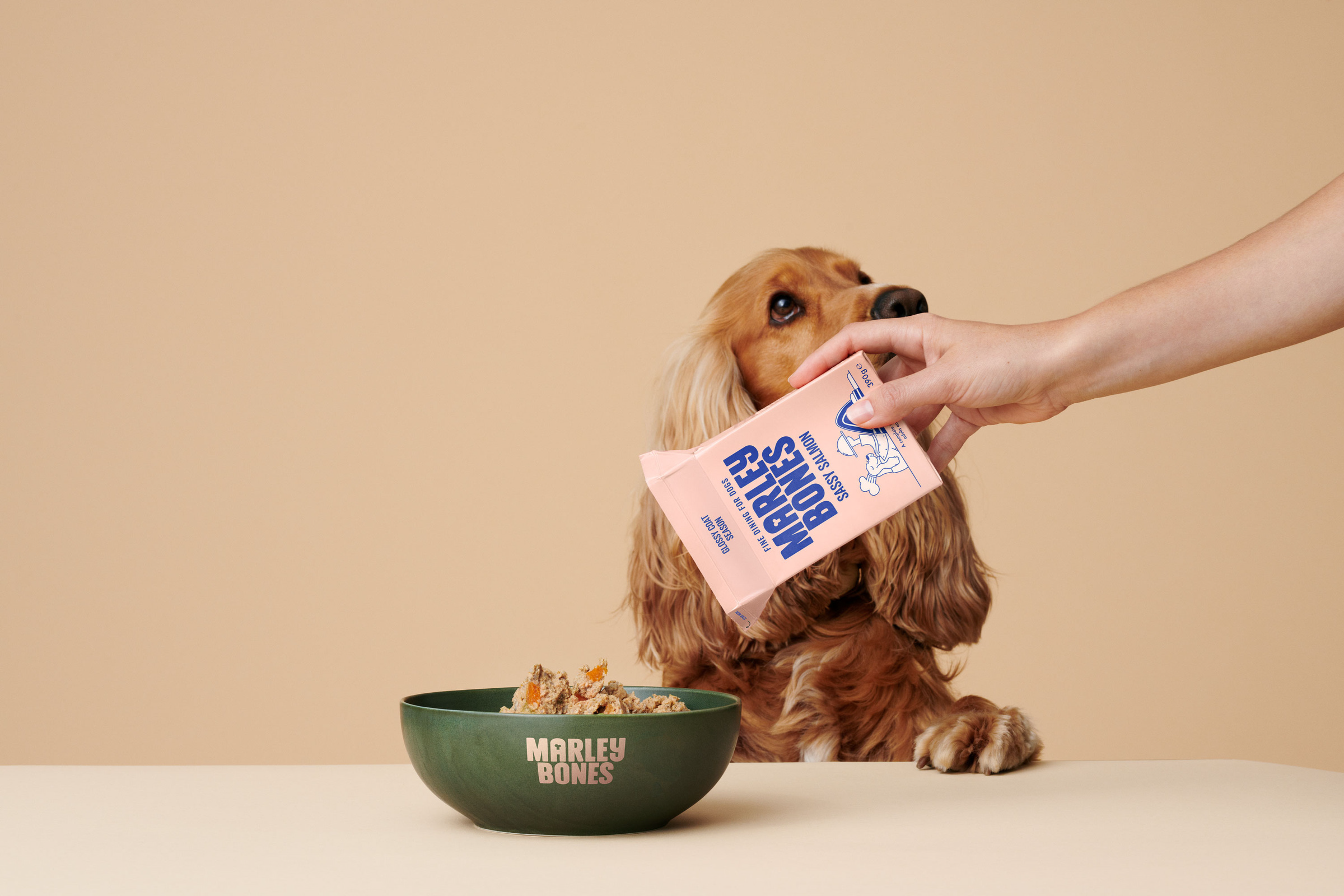
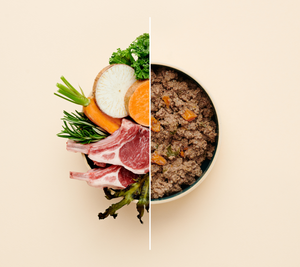
Fresh food, made from whole ingredients that have been gently cooked rather than extruded at high temperatures, tends to retain more of its nutritional integrity. That matters for protein quality and for heat-sensitive nutrients like certain B vitamins and antioxidants. Marleybones meals are freshly prepared and slow-cooked in-pack, which preserves the nutritional quality of the ingredients without relying on preservatives or freezing.
For a working dog who is covering serious ground, it is worth looking carefully at what the food is actually made from. Named meat as the first ingredient, recognisable whole food sources, and no heavy reliance on rendered meals or cereal fillers are the starting points. Learning to read a dog food label properly is a genuinely useful skill for any active dog owner.
How much should you feed a working or active dog?
Feed to body condition, not to a number on a bag. The right amount is whatever keeps your dog lean and muscular — not ribby, but with a visible waist and ribs that are easy to feel. Working dogs in peak season need more food than the same dog resting in the off-season. Adjusting portions with the workload is not optional: it is how you maintain condition and performance across the year.
As a rough guide, a highly active dog doing sustained physical work for several hours a day needs 50–100% more calories than a dog with moderate daily exercise. A moderately active dog — one to two hours of off-lead running per day — typically needs around 20–40% more than sedentary feeding guidelines suggest.
Split meals are often more practical for working dogs. Two smaller meals rather than one large one reduces the risk of bloat and supports steadier energy availability during the day. Do not feed a large meal immediately before intense work — allow at least 90 minutes.
If your working dog is losing muscle condition, coat quality is declining, or energy levels are dropping despite adequate calories, consult your vet. Those signs can indicate a nutritional shortfall or an underlying health issue that a food change alone will not fix.
Every dog is different — build your personalised Marleybones feeding and health plan tailored to your dog's age, size, and health requirements.
Marleybones Boss Beef and Chic Chicken are both built on high-quality named meat and vet-developed to be nutritionally complete — practical options for owners who want to feed a fresh, whole-food diet without the hassle of a freezer or complex rotation. Browse the full range of Marleybones meals to find the right fit for your dog's workload and preferences.

“Such a relief to see her enjoying her food”
FAQs
What is the best protein percentage for a working dog?
For highly active and working dogs, look for a food with at least 25–30% protein on a dry matter basis. Dogs doing sustained endurance work benefit most from high-quality animal protein sources — named meat, fish, or poultry — rather than plant-based protein, which typically delivers a lower proportion of usable amino acids.
Should working dogs eat more fat?
Yes. Fat is the most energy-dense macronutrient and the primary fuel source for sustained aerobic work. For dogs doing long days of physical work, a fat content of 15–20% dry matter is appropriate. Named fat sources such as salmon oil or chicken fat are preferable to generic animal fat, as they also supply beneficial omega-3 and omega-6 fatty acids.
Is fresh food better than kibble for active dogs?
Fresh food made from whole, minimally processed ingredients tends to have higher nutrient bioavailability than extruded kibble. For a working dog, that means more of the protein actually reaches the muscles. It also typically contains fewer fillers and more recognisable ingredients. That said, any complete and balanced food with high-quality named meat as the primary ingredient is a better choice than a low-quality fresh option.
How often should I feed my working dog?
Twice a day is the standard recommendation for working dogs. Two smaller meals provide steadier energy and reduce bloat risk compared to one large meal. Avoid feeding a substantial meal within 90 minutes of intense physical work. During peak season, adjust total daily portions upward to match increased energy expenditure.
Do working dogs need supplements?
Most working dogs eating a nutritionally complete diet do not need supplements. However, dogs doing heavy, repetitive work — particularly impact-heavy activities like agility or rough terrain fieldwork — may benefit from targeted omega-3 supplementation to support joint health and manage exercise-induced inflammation. Always consult a vet before adding supplements, particularly if your dog is already on medication.
“A complete game changer!!”


 Give your dog the quality nutrition they deserve
Real meat, wholesome veggies and functional superfoods.
Get 40% OFF today