







 Vet reviewed
What’s the best dog food for a West Highland White Terrier?

Key takeaways
- Pick gentle proteins such as chicken, salmon, or lamb to support sensitive stomachs.
- Include balanced omega fatty acids to keep the coat healthy and glossy.
- Steer clear of artificial additives and common triggers like wheat and soy.
- Consider moist, nutrient-rich meals to aid hydration and digestion.
- Watch your dog's reactions so you can spot and manage sensitivities early.

Freshly prepared British beef, veggies & superfoods
Why do Westies need a specially considered diet?
Westies are more likely than many breeds to experience food-related sensitivities, so their diet should be chosen with care.
The breed's skin and immune profile make them prone to allergies and intolerances, which can show as itching, red ears, or tear staining around the eyes. Reducing likely triggers in their meals helps keep a Westie comfortable and calm.
Westies are compact dogs with smaller stomachs, so their meals need to be nutrient-dense rather than bulky. High-quality protein and the right balance of fats and micronutrients support energy, muscle tone, and coat health without relying on fillers. Keeping omegas and protein levels balanced helps maintain the brightness and softness of that signature white coat.
- Greater likelihood of food-related allergies or intolerances
- Prone to skin irritation and itching
- Small size means meals should be concentrated and gentle
- Coat condition benefits from quality protein and balanced omegas
What ingredients should you look for (and avoid)?
Look for easily digested animal proteins, omega-rich ingredients, and whole foods, and avoid artificial additives and common allergens.
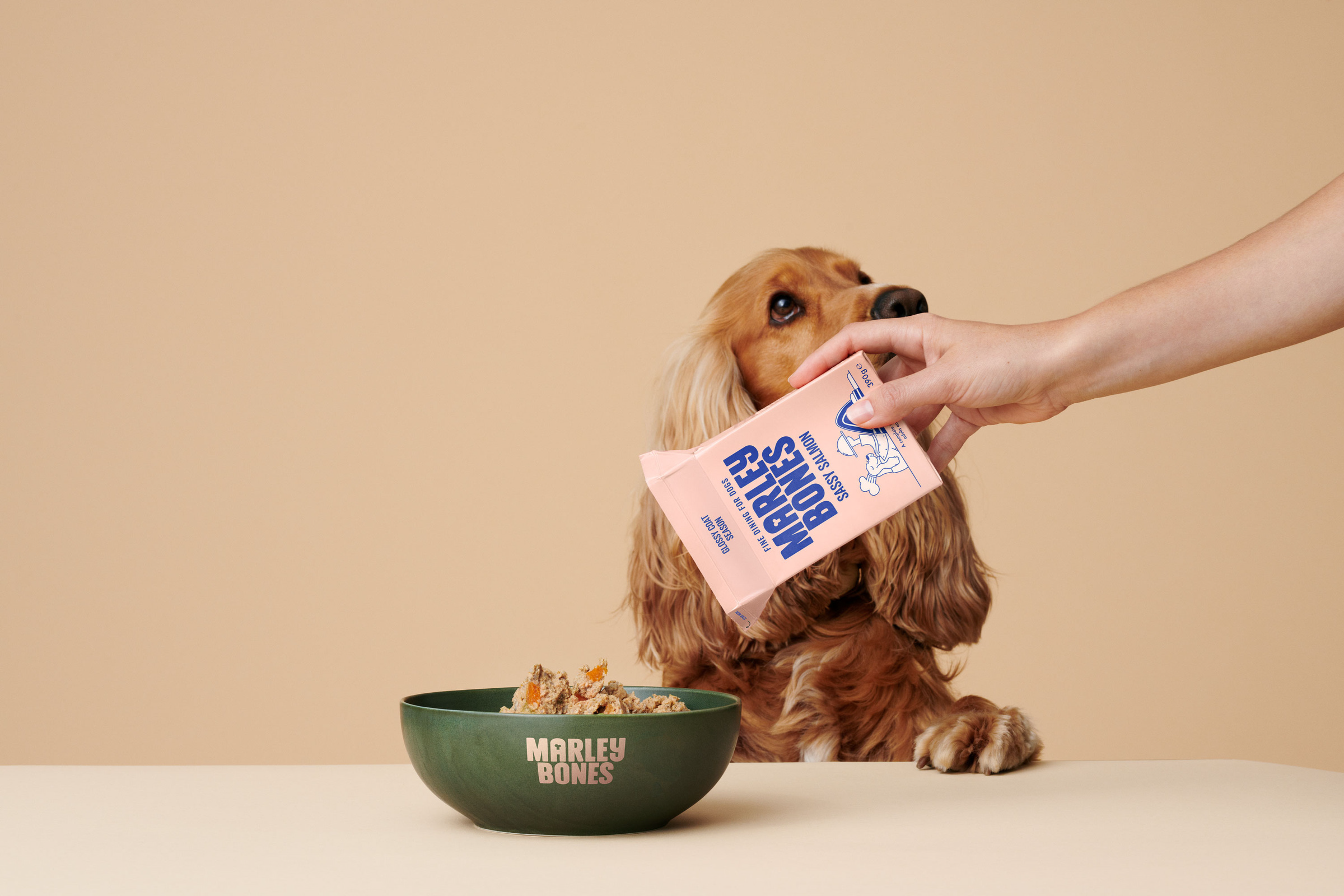
Easily digestible proteins such as chicken, lamb, or salmon tend to suit sensitive stomachs and help maintain lean muscle. Marleybones meals, including Chic Chicken, Lush Lamb, and Sassy Salmon, use these proteins and are prepared fresh to retain their natural nutrients.
Omega‑3 and omega‑6 fatty acids soothe skin inflammation and add shine to the coat. Gentle carbohydrates like sweet potato, peas, or brown rice provide fibre and slow-release energy. Avoid artificial colours, unnecessary fillers, and ingredients commonly linked to intolerance, such as wheat or soy. Simpler, limited-ingredient recipes make it easier to spot which foods might be causing a reaction.
- Easy-to-digest animal proteins: chicken, lamb, salmon
- Omega‑3 and omega‑6 fatty acids for skin and coat support
- Complex carbs and vegetables for gentle digestive support
- No artificial additives or common allergens (wheat, soy, low-quality by-products)
- Limited-ingredient recipes to simplify identifying triggers

Freshly prepared British chicken, veggies & superfoods
How Marleybones' Pantry Fresh® meals support sensitive Westies
Marleybones Pantry Fresh® meals are made to nourish Westies gently - slow-cooked, shelf-stable recipes carefully crafted for sensitive dogs.
Pantry Fresh® by Marleybones represents fresh, slow-cooked meals that stay pantry-fresh in their packs for months - no freezer needed. Each portion centres on high-quality proteins such as those used in Sassy Salmon or Lush Lamb, combined with supportive whole-food ingredients chosen for easy digestion and minimal irritation.
Slow-cooking in the pack helps preserve vitamins, minerals, and natural flavour, producing a digestible meal that supports coat health, immune resilience, and gut balance. The recipes contain no artificial colours or unnecessary fillers. Boxes are portioned to suit different needs, and every Pantry Fresh® recipe is complete and balanced across life stages, so puppies, adults, and seniors receive appropriate nutrition.
For Westies who need extra support, consider pairing meals with Marleybones Gut Health Supplement, which includes prebiotic chicory root and yucca, or a small drizzle of Omega Oil. These natural additions can help maintain healthy gut flora and strengthen the skin barrier. Take our dog's personalised meal plan quiz to see what might suit your pet best.

“No stinky poos and clean bowls every time”
How can you support a healthy digestive and skin routine for your Westie?
Keep feeding consistent, choose moisture-rich meals, and groom and monitor regularly to support digestion and skin health.
Regular mealtimes help regulate digestion. Moist, fresh meals like Pantry Fresh® also support hydration and are gentler on the gut. Introduce any changes slowly to prevent stomach upset. Occasionally topping meals with a measured amount of fish oil or Marleybones Omega Oil offers additional omega support.
Always provide plenty of fresh water and monitor for signs of discomfort such as excessive licking, scratching, or redness. Note how your Westie responds to new ingredients so you can identify potential triggers. Prebiotics such as chicory root and yucca, already included in Marleybones recipes and supplements, encourage a balanced gut microbiome and help digestion stay on track.
- Feed on a regular schedule
- Introduce new foods gradually
- Add omega-rich supplements occasionally for extra coat support
- Prefer moist, nutrient-dense meals to support hydration
- Watch for any adverse reactions to new ingredients
- Keep up with grooming and veterinary check-ups
The final woof
Choosing a thoughtful, balanced diet helps your Westie stay bright, comfortable, and active. Gentle proteins and balanced omegas support skin and coat health, while avoiding common allergens reduces the chance of irritation. Regular monitoring and natural supplements offer added support for digestion and overall wellbeing. With the right care, your Westie can enjoy a happier, healthier life and keep bringing joy to your home.

Freshly prepared British lamb, veggies & superfoods
FAQ
What protein is best for a Westie with itchy skin?
Highly digestible proteins such as salmon, lamb, or chicken are generally best. They're less likely to provoke sensitivities and naturally support healthy skin. Marleybones Sassy Salmon and Lush Lamb are examples of sensitive-friendly options.
How often should I feed my West Highland White Terrier?
Most adult Westies do well with two measured meals a day. Puppies often benefit from three smaller feeds to support growth and energy. Consistent portion control helps avoid digestive upset and unwanted weight gain.
Can a fresh, slow-cooked diet help with tear stains in white-coated dogs?
Yes. Many white-coated dogs show improvement when switched to a fresh, slow-cooked diet free from artificial additives and common allergens. Moist, natural recipes can reduce staining and help maintain coat brightness.
Are Marleybones Pantry Fresh® meals suitable for older Westies?
Yes. Marleybones Pantry Fresh® recipes are formulated to be complete and balanced for all life stages, so seniors as well as puppies and adults receive tailored nutrition.
How can I tell if my Westie's food is causing allergies?
Watch for persistent itching, excessive licking, ear irritation, or digestive upset that appears after eating. Keep a record of symptoms and consult your vet to help identify and manage possible food sensitivities.
 Give your dog the quality nutrition they deserve
Real meat, wholesome veggies and functional superfoods.
Get 30% off: Take the quiz