


Best Dog Food for Senior Small Breed Dogs

At a glance
- Small breeds are typically considered senior from 10 to 12 years old — later than large breeds
- Senior small dogs need more protein, not less — muscle loss is the primary nutritional risk in older dogs
- Joint support, digestive health, and calorie control are the three most important nutritional priorities
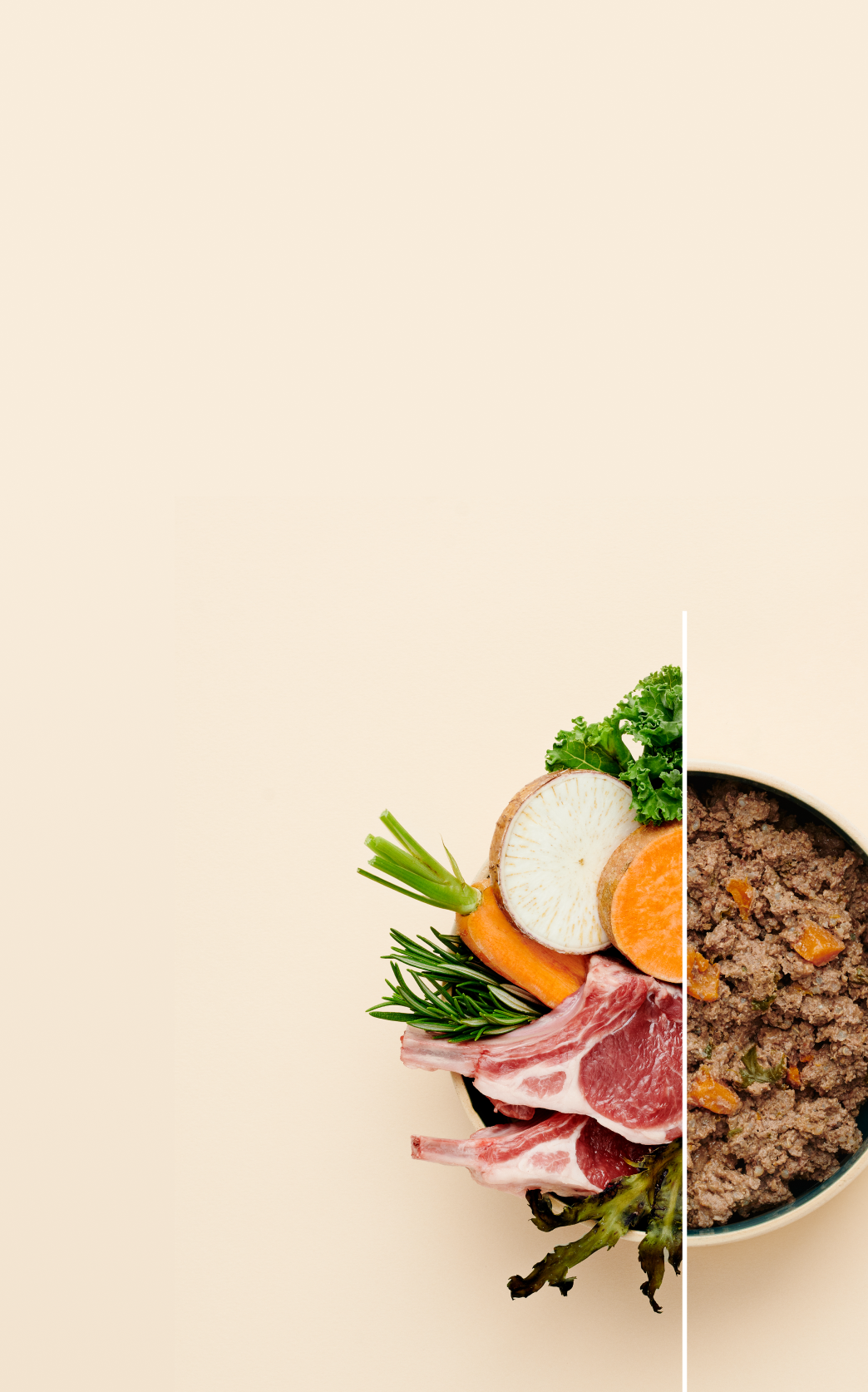
- Fresh food with real, named meat as the first ingredient is easier to digest than heavily processed alternatives
- Always consult your vet if your senior dog is losing weight, refusing food, or showing signs of pain
What makes food for senior small breeds different?
The best food for a senior small breed dog is one that delivers high-quality protein, supports joint health, and controls calories without cutting corners on nutrition. Small breeds age differently to large ones. A Chihuahua or Yorkshire Terrier is not considered senior until around 10 to 12 years old — two to three years later than a Labrador. But their nutritional needs start shifting from around seven or eight, so getting the diet right early matters.
The biggest risk as dogs age is muscle loss, known as sarcopenia. It happens when the body starts breaking down muscle faster than it rebuilds it. The fix is not a low-protein senior food — it is more high-quality protein. Research from the University of Illinois found that older dogs need up to 50% more dietary protein than younger adults to maintain muscle mass. The protein also needs to come from a source the body can actually use. Real meat, fish, or poultry is far more bioavailable than plant-based protein fillers.
Small breeds also have faster metabolisms than large dogs, which means calorie density matters. Too many calories from low-quality carbohydrates leads to weight gain, which puts pressure on already-ageing joints. The goal is a food that is protein-rich and nutrient-dense, but not calorie-heavy. Understanding how life stage affects feeding is a useful place to start if you are reviewing your dog's diet for the first time.
Which nutrients matter most for ageing small dogs?
Four nutrients do the most work in a senior small breed diet: protein, omega-3 fatty acids, fibre, and joint-specific compounds like glucosamine and chondroitin.
| Nutrient | Why it matters for senior small breeds | What to look for on the label |
|---|---|---|
| High-quality protein | Prevents muscle loss; supports immune function | Named meat or fish as first ingredient |
| Omega-3 fatty acids | Reduces inflammation; supports brain and joint health | Salmon, fish oil, or linseeds listed |
| Prebiotic fibre | Supports gut bacteria; aids digestion in older dogs | Chicory root, sweet potato, or pumpkin |
| Glucosamine and chondroitin | Supports cartilage and joint function | Joint supplement or naturally present in meat with bone |
| Controlled phosphorus | Supports kidney function, which can decline with age | Balanced meat-to-organ ratio; not excessive offal |
Omega-3s deserve particular attention. Older dogs experience more systemic inflammation, which affects everything from joint comfort to cognitive function. EPA and DHA — the active forms of omega-3 found in oily fish — are the most effective. Plant-based omega-3 sources like linseeds provide ALA, which dogs convert inefficiently, so fish-based omega-3 is the stronger choice for seniors.
Chicory root is one of the most well-researched prebiotics in dog nutrition — it feeds the beneficial bacteria that keep digestion stable, which matters more as dogs age and gut health becomes less reliable.
Should senior small dogs eat fresh food or dry kibble?
Fresh food is a better choice for most senior small breed dogs. The ingredients are cooked at lower temperatures, which preserves more of the natural nutrients. Kibble is produced through extrusion — a high-heat, high-pressure process that degrades heat-sensitive vitamins and amino acids. Fresh food also has significantly higher moisture content, which helps keep senior dogs hydrated. Dehydration is a common and under-recognised issue in older dogs, particularly those eating dry food exclusively.
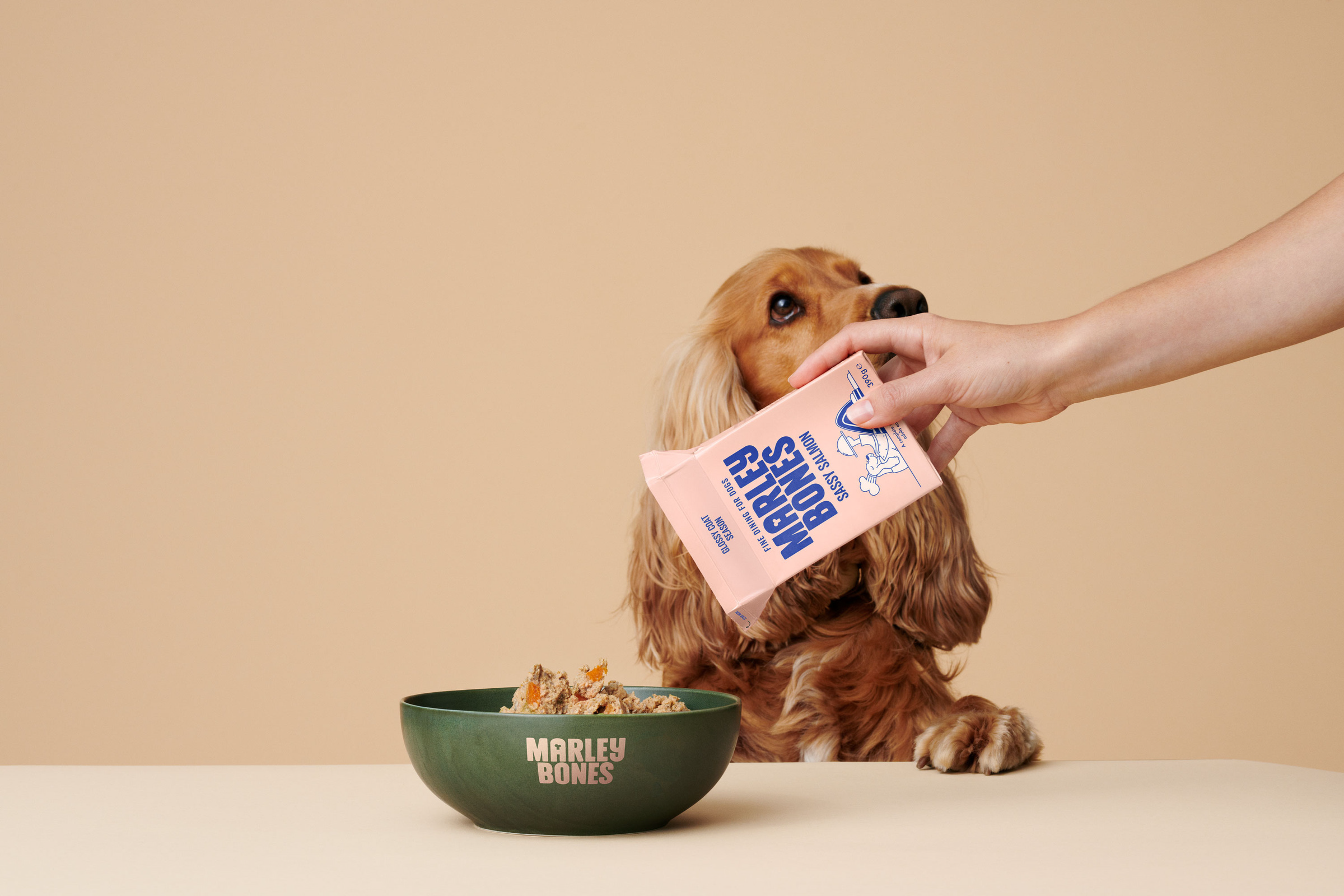
Marleybones Pantry Fresh meals are made with freshly prepared ingredients, slow-cooked in-pack without preservatives or freezing. The recipes are vet-developed and FEDIAF compliant — complete and balanced for all life stages, including senior dogs. The Sassy Salmon recipe, for example, provides a natural source of omega-3 from salmon, which directly supports joint and brain health in older dogs. Sassy Salmon is available on subscription from marleybones.com and in Waitrose, Pets at Home, Ocado, Whole Foods Market, and the Co-op.
If your dog has been on dry food for years, a gradual transition over seven to ten days helps avoid digestive upset. Swap roughly 25% of the meal for fresh food every two to three days until the changeover is complete.
How much should you feed a senior small breed dog?
Portion size depends on your dog's current weight, activity level, and whether they need to lose, maintain, or gain weight. As a general rule, senior small breeds need around 2 to 2.5% of their ideal body weight in food per day. A 5kg dog needs roughly 100 to 125g of food daily, split across two meals. Two meals a day — rather than one — reduces the risk of bloating and keeps energy levels more stable.
For a more detailed breakdown by age and weight, the guide to feeding senior dogs covers portion sizes, how to adjust for health conditions, and what signs suggest your dog's current portions are off.
Every dog is different — build your personalised Marleybones feeding and health plan tailored to your dog's age, size, and health requirements.
If your senior dog is losing weight despite eating well, consult your vet. Unexplained weight loss in older dogs can indicate thyroid issues, kidney disease, or dental pain that makes eating uncomfortable.

“Such a relief to see her enjoying her food”
FAQs
When is a small breed dog considered senior?
Small breeds — generally dogs under 10kg — are considered senior from around 10 to 12 years old. This is later than medium or large breeds, which typically reach senior status at seven to nine years. However, nutritional needs begin shifting from around seven to eight years, so it is worth reviewing the diet before the senior label officially applies.
Do senior dogs need special senior food?
Not necessarily. Many foods labelled as senior are lower in protein, which is the opposite of what most older dogs need. What matters is the quality and composition of the food — high-quality protein, joint-supporting nutrients, controlled calories, and good digestibility. A high-quality food labelled for all life stages can be a better choice than a dedicated senior formula with poor-quality ingredients.
Is fresh food better than kibble for senior small dogs?
Yes, for most senior small dogs. Fresh food is cooked at lower temperatures, retaining more nutrients. It also contains more moisture, which supports hydration and kidney function — both important in older dogs. Kibble is convenient, but the processing method strips some nutritional value and provides very little moisture.
Should senior small dogs take joint supplements?
Joint supplements with glucosamine and chondroitin are beneficial for most senior dogs, particularly small breeds prone to conditions like luxating patellas. If your dog's food does not contain these compounds naturally, a targeted supplement added to meals is a practical option. Always check with your vet before adding supplements if your dog is already on medication.
What ingredients should I avoid in senior small breed dog food?
Avoid foods where the first ingredient is a grain, vegetable protein, or vague term like meat meal or meat derivatives. These indicate low meat content and poor protein quality. Also avoid foods with artificial preservatives, high sugar content, or excessive salt. For senior dogs with early kidney concerns, your vet may advise limiting phosphorus — in that case, choose food with a balanced meat-to-organ ratio rather than high offal content.
“A complete game changer!!”


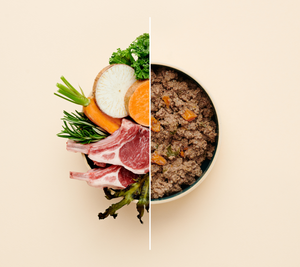 Give your dog the quality nutrition they deserve
Real meat, wholesome veggies and functional superfoods.
Get 40% OFF today