

 Vet reviewed
What is the best dog food for a Kangal dog?

Key takeaways
- Feed protein-rich meals from lean, high-quality meats to support strong muscles.
- Include joint-supporting nutrients such as glucosamine and omega-3s.
- Adjust portions and calories to match age and activity level.
- Prefer natural ingredients and prebiotics to aid digestion.
- Keep up with regular veterinary checks to monitor health and weight.

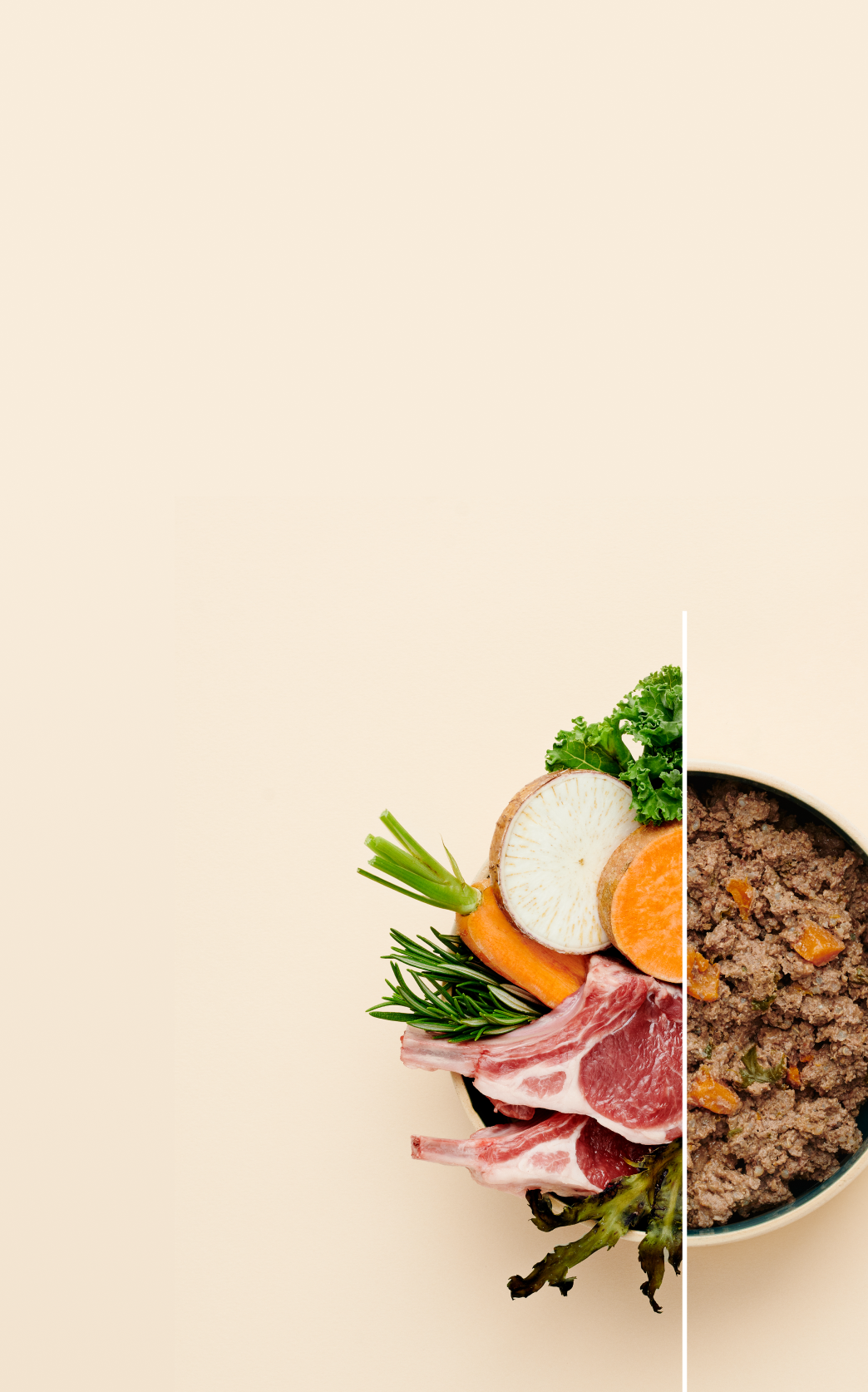
Freshly prepared British beef, veggies & superfoods
What are the nutritional needs of a Kangal dog?
Kangals need a diet rich in high-quality protein, healthy fats, joint-supporting nutrients, and complex carbohydrates to fuel their strength and stamina.Kangals are large, muscular dogs bred to guard livestock and spend long hours on the move. Their diet must reflect that: steady, high-quality protein for muscle repair and maintenance, plus enough calories to sustain activity. Lean meats such as chicken, beef or lamb are excellent foundations because they deliver usable amino acids for growth and recovery.
Large breeds are prone to joint strain, so including natural sources of glucosamine, chondroitin and omega‑3 fatty acids helps keep hips and joints supple. Complex carbohydrates - oats, brown rice and fibre-rich vegetables - provide slow-release energy and support digestion, helping to maintain stable blood sugar levels.
- High-quality lean proteins for muscle maintenance
- Glucosamine, chondroitin and omega-3s for joint health
- Whole grains and vegetables for steady energy and gut support
A complete, balanced diet also supports a healthy coat, strong immunity and a sensible weight - all important for a giant breed like the Kangal.
Which factors help determine the best food for a Kangal dog?
The ideal diet is tailored to a Kangal's age, activity level, digestive tolerance, and specific joint and bone needs.No two Kangals are identical. Puppies, adults and seniors all have different energy and nutrient needs. A working dog will require more calories than a companion who spends more time resting. Monitor your dog's body condition and activity to adapt food and portions as they change.
Many Kangals have sensitive stomachs. Gently cooked meals made from natural ingredients and without harsh additives tend to be easier to digest. Marleybones Pantry Fresh® recipes include prebiotic sources such as chicory root and yucca to help maintain a balanced gut environment. Getting the calcium-to-phosphorus ratio right is also vital while they're growing, and healthy fats from fish oil or flaxseed help maintain energy and a glossy coat.
- Match portions and calories to life stage and workload
- Choose natural ingredients with prebiotics for digestive balance
- Prioritise nutrients that protect bone and joint development
- Regular mealtimes support digestion and muscle condition

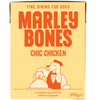
Freshly prepared British chicken, veggies & superfoods
How does Marleybones support the health of Kangals?
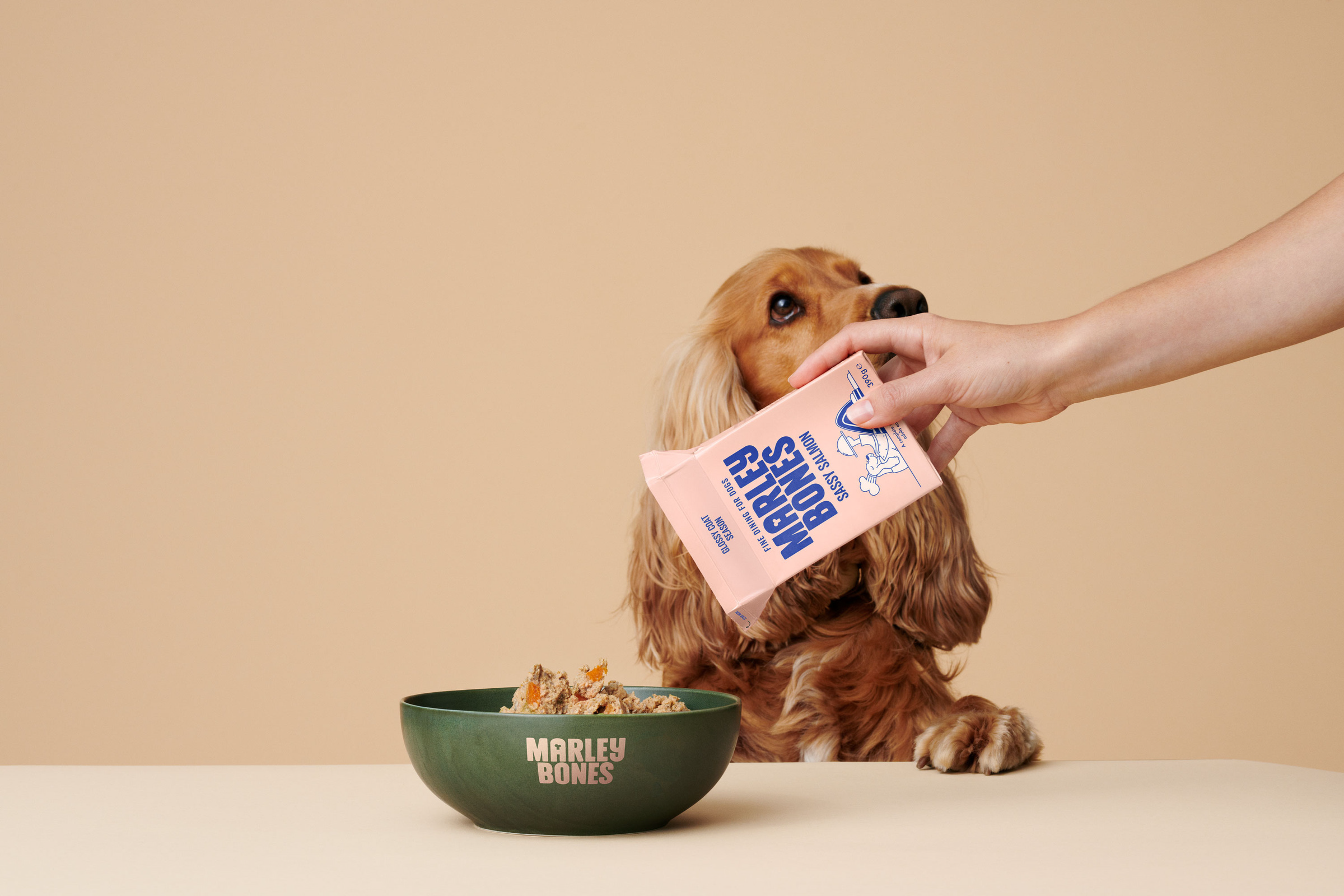
Marleybones supports Kangal health with Pantry Fresh® meals: freshly cooked, shelf-stable, and nutritionally complete - designed to power large, active dogs through every stage of life.Marleybones Pantry Fresh® recipes are slow-cooked in the pack using fresh ingredients so the meals retain essential nutrients that support muscle growth, recovery and joint function. They are formulated to be complete and balanced for all life stages without artificial preservatives or unnecessary additives. Options such as Chic Chicken, Boss Beef, Lush Lamb and Sassy Salmon are designed to suit puppies, adults and seniors alike.
The recipes emphasise quality animal proteins, vegetables and the right fats for sustained energy. For dogs needing extra support, Marleybones offers targeted supplements - for example, an Omega Oil to support skin and joint health, and a Gut Health Supplement that works with natural prebiotics to ease digestion in large breeds. Because these meals are shelf-stable and slow-cooked, you can keep fresh, ready-to-serve nutrition in your cupboard without freezer space.
Each Marleybones Pantry Fresh® meal box is portioned to match your dog's needs. You can take our quiz to discover your dog's personalised meal plan.

“No stinky poos and clean bowls every time”
How can owners keep a Kangal healthy through nutrition and routine?
Consistent nutrition, smart portioning and daily routines are essential for Kangal health and happiness.Keeping a regular feeding schedule supports digestion and sustained energy levels. It also makes it easier to notice any changes in appetite or body condition. For a large dog, preventing excess weight is crucial - too much weight places pressure on joints and can shorten an active life.
Portion control is simple but effective: check your dog's body condition regularly and adjust the amount if they start to gain or lose weight. Adding nutrient-dense vegetables or a measured dose of omega oil can be helpful, but consult your vet before starting any supplements so they fit into an overall plan.
- Offer regular, moderate exercise to keep joints flexible
- Always provide access to fresh water
- Arrange annual vet checks to track weight, mobility and general health
The final woof
Keeping a Kangal healthy starts with a balanced, age-appropriate diet and consistent routines. Prioritise good proteins, joint-supporting nutrients and sensible portioning to maintain energy and protect movement. With thoughtful nutrition and steady care - whether you choose Marleybones Pantry Fresh® meals or a vet-approved homemade plan - your Kangal can enjoy a long, active life full of loyalty and companionship.

Freshly prepared British lamb, veggies & superfoods
FAQ
How much should I feed a Kangal dog daily?
Feeding amounts depend on your dog's age, weight and activity level. Giant breeds like Kangals often require more calories, but meals should always be adjusted to maintain a healthy body condition.There's no single amount that fits every dog. Start with the feeding guidelines on your chosen meal, then monitor your dog's body condition and energy. If they gain weight or seem sluggish, reduce portions and check with your vet for tailored advice.
Are high-protein diets safe for large breeds like the Kangal?
Yes, as long as the protein is from high-quality lean meats and balanced with essential nutrients - supporting muscle mass without overloading the kidneys or bones.High-quality protein is vital for big, active dogs. The key is balance: correct calcium and phosphorus levels, sufficient calories and appropriate fat content. If you have concerns about a specific recipe, discuss it with your vet.
What ingredients support joint and hip health naturally?
Natural glucosamine, chondroitin and omega-3 fatty acids from ingredients like fish oil, flaxseed and select meats help protect joints and support mobility.Ingredients such as glucosamine and omega‑3s can help maintain joint health. Targeted supplements - for example, a measured omega oil - may benefit dogs prone to joint issues. Always consult your vet before adding supplements so you can choose the right dose and formulation.
Can Kangals eat the same food from puppy to senior age?
Yes, provided the food is complete and balanced for all life stages, such as Marleybones Pantry Fresh® meals.If a meal is truly formulated for all life stages, it can meet changing needs from growth through maturity and into senior years. Still, growth rates and activity vary, so keep an eye on weight and condition and adjust portions accordingly.
Why choose slow-cooked or fresh meals over industrially processed diets?
Slow-cooked, fresh meals retain more nutrients, use simple, human-grade ingredients, and prioritise digestibility - making them especially suitable for large, sensitive dogs.Slow cooking helps preserve nutrients and creates a texture many dogs find easier to digest. Choosing simple, responsibly sourced ingredients and meals designed to be complete and balanced supports health in large breeds, especially those with sensitive digestion or joint concerns.
 Give your dog the quality nutrition they deserve
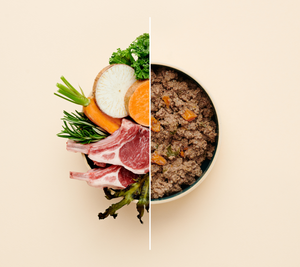
Real meat, wholesome veggies and functional superfoods.
Get 30% off: Take the quiz