


 Vet reviewed
What’s the best dog food for a Golden Retriever?

At a glance
- Fresh, whole-ingredient food built around a quality protein and a natural source of omega-3 fatty acids is the best foundation for Golden Retrievers — the breed's coat, joints, skin, and long-term health all respond visibly to what they eat.
- Salmon is the strongest protein choice for most Golden Retrievers, providing EPA and DHA omega-3 fatty acids that support joint health, skin condition, and coat quality simultaneously — three of the most common areas where Golden Retrievers benefit from nutritional support.
- Golden Retrievers are food-motivated and gain weight easily, and keeping weight in a healthy range matters more for this breed than for most — excess weight accelerates joint wear and increases systemic inflammation.
- Golden Retrievers have a higher predisposition to cancer than most breeds, which makes an anti-inflammatory diet built around whole ingredients and omega-3 fatty acids a more specific long-term nutritional choice than it would be for a hardier breed.
- The breed's characteristic coat is one of the clearest indicators of nutritional status — owners switching to fresh food typically notice improved gloss and texture within six to eight weeks.
What is the best diet for a Golden Retriever?
Fresh dog food built around a named whole protein, natural omega-3 fatty acids, and antioxidant-rich vegetables is the most appropriate diet for most Golden Retrievers. The breed responds to dietary quality more visibly than most, across coat condition, skin health, joint mobility, and general vitality, and the case for getting it right is stronger here than for many breeds.
The practical advantage of fresh dog food for Golden Retrievers comes down to what processing does and does not destroy. High-temperature kibble extrusion degrades omega-3 fatty acids and destroys much of the natural antioxidant content of ingredients before the food reaches the bowl. Fresh food cooked at lower temperatures retains more of both, and whole vegetables like carrots, spinach, and sweet potato deliver beta-carotene, vitamin E, and lutein in forms the body uses more effectively than synthetic equivalents added to a processed base.
The practical checklist for a good Golden Retriever food is: a named whole protein source, a genuine dietary source of EPA and DHA omega-3s, antioxidant-rich vegetables as real ingredients, no unnecessary high-starch fillers, and portion control that keeps weight in a healthy range. A minimally processed fresh food addresses all of these in a way that standard kibble or tinned food does not.
Why does diet matter more for Golden Retrievers than most breeds?
Golden Retrievers respond to what they eat across multiple body systems at once. The same dietary choices that support a healthy coat also reduce joint inflammation, support skin condition, and provide the antioxidant-rich nutritional environment that this breed benefits from more than most. That convergence makes dietary quality genuinely worth prioritising, rather than treating food as an afterthought and managing individual health concerns separately.
The breed has a higher predisposition to cancer than most dogs. Studies consistently show that around 60% of Golden Retrievers will develop cancer in their lifetime, and while no diet can change that genetic reality, the nutritional choices that support a less inflammatory internal environment are well-established and worth making from the start. Omega-3 fatty acids from oily fish reduce systemic inflammation. Antioxidants from whole vegetables neutralise oxidative stress over time. Maintaining a healthy body weight reduces the background inflammatory signalling that excess adipose tissue produces. These benefits overlap with every other reason to feed a Golden Retriever well, so the same food that supports joints and coat is also doing the most an owner can reasonably do from a nutritional standpoint. For anyone who wants to explore how diet relates to long-term health conditions in dogs, the evidence base for Golden Retrievers is one of the more compelling ones.

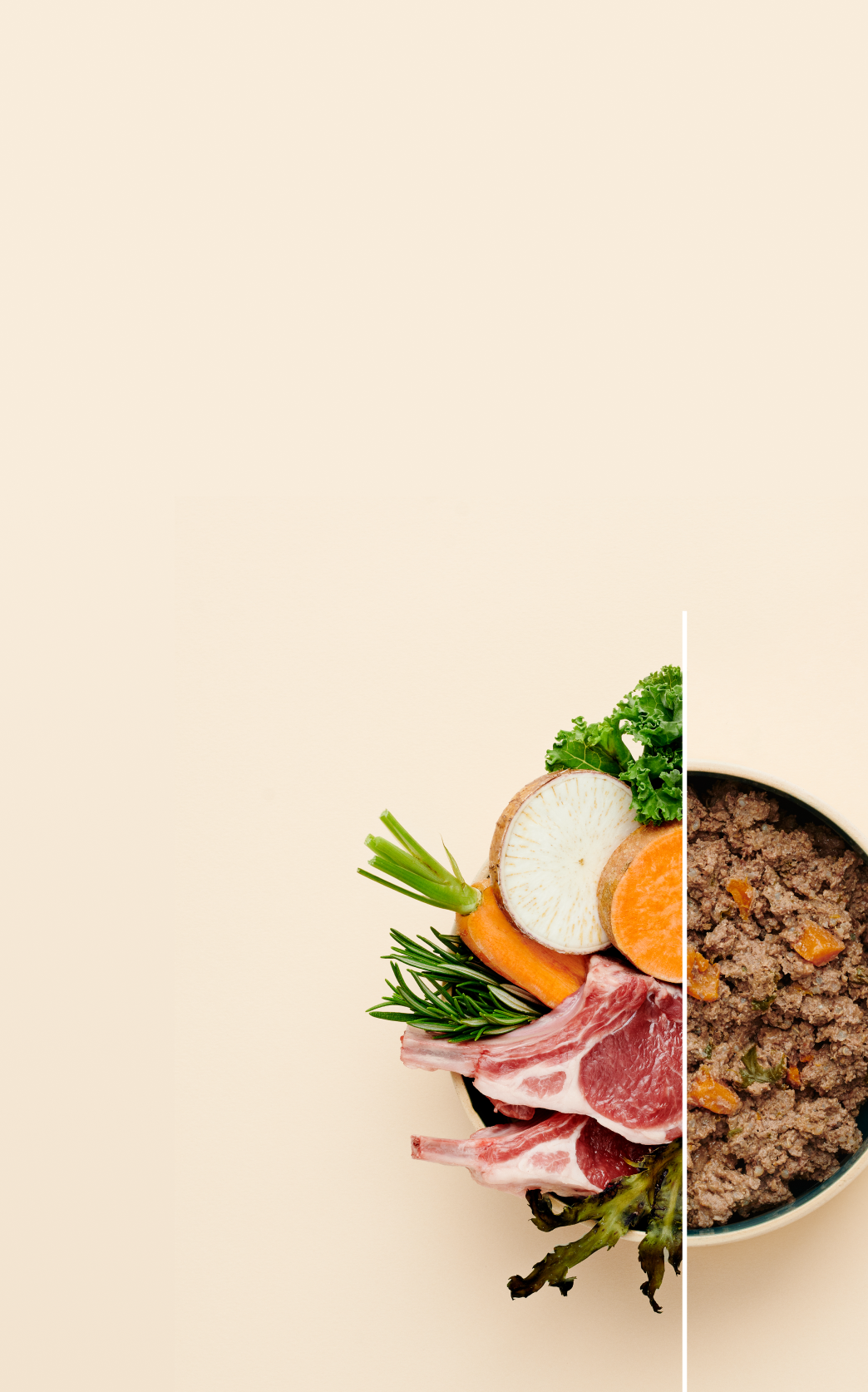
Freshly prepared British lamb, veggies & superfoods
High-starch, heavily processed foods sit at the wrong end of this spectrum for Golden Retrievers specifically. Rapidly metabolised carbohydrates contribute to blood sugar variability and a more inflammatory metabolic environment. Whole-ingredient foods with quality protein and natural fats provide a more stable foundation, and the difference shows up in energy levels and coat condition well before it shows up anywhere harder to see.
How does diet support joint health in Golden Retrievers?
Diet supports Golden Retriever joint health in two practical ways: by keeping weight in the range where joints aren't carrying more than they should, and by supplying omega-3 fatty acids that reduce the joint inflammation at the root of stiffness and discomfort. Golden Retrievers have higher rates of hip and elbow dysplasia than most large breeds, and a well-fed, lean dog handles that predisposition better than an over-conditioned one.
Omega-3 fatty acids from oily fish, specifically EPA and DHA, are the most evidence-backed nutritional support for joint health in dogs. They reduce the inflammatory processes that drive cartilage wear and cause pain, and they work as a genuine ingredient in the diet rather than as a supplement bolted onto a poor-quality base. For Golden Retrievers with existing joint conditions, targeted supplementation alongside a whole-ingredient fresh diet gives the most complete nutritional support.
Puppy feeding matters here too. Overfeeding a Golden Retriever puppy accelerates skeletal growth beyond the pace at which joints develop correctly, increasing the risk of dysplasia later. Feeding to a lean body condition during growth, using a complete food appropriate for all life stages, gives joints the best structural start. Slower and leaner produces better long-term outcomes in this breed than rapid early growth.
Why do so many Golden Retrievers have skin and coat problems?
The Golden Retriever's famous coat is one of the most nutritionally responsive coat types of any breed. That is good news, because it means dietary improvements show up quickly and clearly. When the coat is dull, dry, or prone to hot spots and matting, the food bowl is the first place to look. Omega-3 fatty acids from oily fish provide the dietary fats the coat needs to stay glossy and hydrated, and their anti-inflammatory effect supports the skin barrier that underlies good coat condition.
Food sensitivity is the other common driver of skin problems in this breed. Golden Retrievers fed the same chicken or beef-based food for years have a higher chance of developing a low-grade sensitivity to those proteins over time, and the symptoms, including intermittent scratching, recurring hot spots, and ear infections, are often attributed to environmental allergens rather than food. For Golden Retrievers with persistent skin issues, a switch to a single novel protein alongside clean, whole ingredients is the most reliable way to identify whether food is a factor. Visible improvement in six to eight weeks is common.
What protein is best for a Golden Retriever?
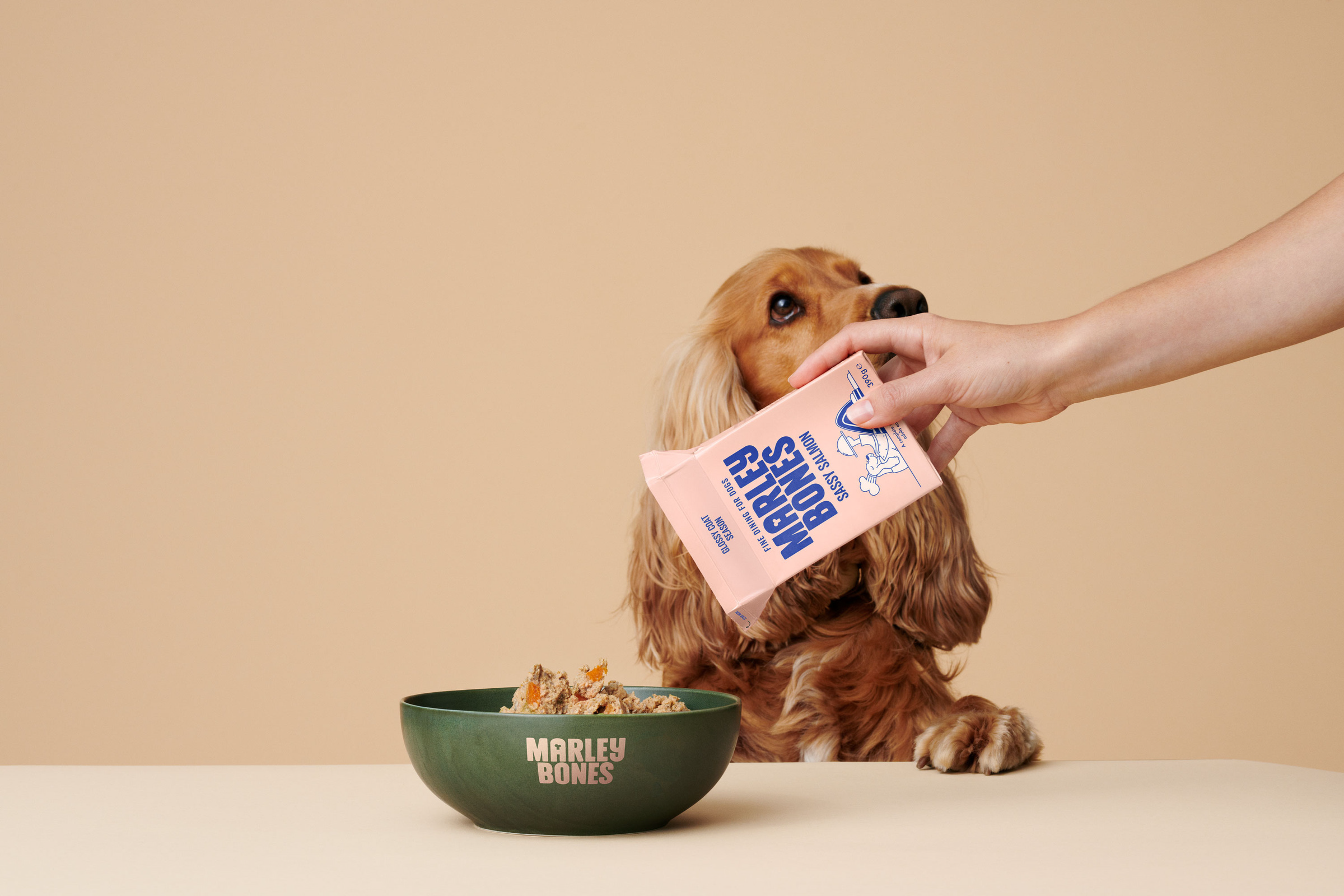
Salmon is the strongest single protein choice for most Golden Retrievers. It provides complete, high-quality protein alongside EPA and DHA omega-3 fatty acids that support joint health, skin condition, coat quality, and the anti-inflammatory nutritional environment the breed benefits from, all from one ingredient. For most Golden Retrievers it is also a novel protein, which reduces the chance of a sensitivity building through years of repeated exposure to the same food. Sassy Salmon from Marleybones delivers salmon as a whole, identifiable ingredient alongside antioxidant-rich vegetables and no fillers or artificial additives, matched directly to what this breed needs.
Lamb is the strongest alternative for Golden Retrievers that have eaten fish regularly or prefer a red meat option. It is lower in allergenicity than beef, tolerates well in dogs with a history of skin or digestive sensitivity, and provides a complete amino acid profile. Single-protein meals give the clearest baseline for any dog with a history of reactions, making it straightforward to confirm what the dog tolerates before introducing anything new.
Chicken and beef remain the proteins most Golden Retrievers are currently eating, and many do so without obvious problems. The case for switching is not that these proteins are harmful but that high levels of long-term exposure increase the chance of sensitivity developing over time, and that salmon and lamb bring additional nutritional benefits specific to this breed that chicken and beef do not.
How much should I feed a Golden Retriever?
An adult Golden Retriever typically weighs between 25 and 34kg, with females towards the lower end. Body condition is more reliable than weight alone: you should be able to feel the ribs under light pressure without them being visible, and see a waist when looking from above. Golden Retrievers carry weight evenly under a dense coat, which makes visual assessment unreliable. The hands-on rib check gives a more accurate reading than appearance alone.
Fresh food tends to require a lower nominal calorie target than the equivalent kibble portion because the higher moisture content is more filling and the whole-food ingredients are more nutritionally efficient. Most owners switching from kibble find their dog is satisfied on a smaller caloric portion without appearing hungry. Treats count towards the daily total and add up quickly with a food-motivated breed — factoring them in and reducing meals accordingly is more effective than trying to limit treats separately. Every dog is different — build your personalised Marleybones feeding and health plan tailored to your dog's age, size, and health requirements.

Freshly prepared fish, veggies & superfoods
Does a Golden Retriever's coat reflect their diet?
More clearly than almost any other breed. The Golden's dense double coat needs adequate dietary fat to stay soft, water-resistant, and well-conditioned through heavy seasonal shedding. Omega-3 fatty acids from oily fish and named animal fats from identifiable sources are what the body uses well; rendered fats of unspecified origin and diets low in quality fat leave the coat dry, dull, and prone to the matting that Golden Retriever owners dread.
Coat condition is usually one of the first things to improve when a Golden Retriever moves to fresh food, typically within six to eight weeks, and one of the clearest ongoing signals that the diet is meeting the dog's nutritional needs. For dogs where coat and skin improvement is a primary goal, Marleybones Omega Boosting Oil adds a concentrated source of EPA and DHA that can be added directly to meals alongside any of the Pantry Fresh recipes.
How do different dog food formats compare for Golden Retrievers?
Fresh dog food is the best format for most Golden Retrievers, delivering the intact antioxidants, natural omega-3 sources, and whole ingredients that this breed's health profile calls for. Here is how the main formats compare.
| Format | Moisture content | Processing level | Verdict for Golden Retrievers |
|---|---|---|---|
| Fresh (Pantry Fresh) | 65-75% | Minimal — slow low-temperature cooking | Best option — intact antioxidants, natural omega-3s, whole ingredients; supports coat, joints, skin, and weight |
| Raw | 65-75% | None | Works for some — whole ingredients without heat degradation; bacterial load and preparation discipline required |
| Wet / canned | 75-85% | Moderate | Better than kibble — ingredient quality and omega-3 content vary widely; check labels carefully |
| Cold pressed | Around 12% | Low — below extrusion temperatures | Better than standard kibble — lower processing preserves some nutrients; low moisture limits satiety |
| Dry kibble | Around 10% | High — high-temperature extrusion | Least well-matched to this breed — degrades omega-3s and antioxidants, high starch, low satiety |

“Such a relief to see her enjoying her food”
FAQs
How often should I feed my Golden Retriever?
Twice daily is the standard for adult Golden Retrievers, splitting the total daily portion into morning and evening meals. Two meals suit digestion better than a single large feed and keep a food-motivated breed more settled between mealtimes. For dogs with a particularly strong drive around food, consistent feeding times help manage anticipatory behaviour without any change to total intake.
My Golden Retriever always seems hungry — should I feed more?
Golden Retrievers are food-motivated and will display enthusiasm for food reliably, regardless of whether they have eaten enough. The right guide is body condition rather than the dog's behaviour: if the ribs are palpable under light pressure and a waist is visible from above, the portion is appropriate. Fresh food helps here because the higher moisture content is more filling per calorie than kibble, which means the same caloric portion satisfies more effectively. If treats are being given regularly, count them as part of the daily total and adjust meals accordingly.
Does diet make a difference to Golden Retriever health long-term?
For this breed, more than most. Golden Retrievers have a higher predisposition to cancer than almost any other breed, and while diet cannot change that genetic reality, an anti-inflammatory diet built around omega-3 fatty acids, antioxidant-rich whole vegetables, and weight management creates the best nutritional environment an owner can provide. The same dietary choices that support coat, joints, and skin are also doing the most that nutrition can reasonably do for long-term health. These are not treatments. They are the right food choices for this breed, and the reasons to make them go beyond coat condition alone.
Is grain-free food better for Golden Retrievers?
Not automatically. The issue for this breed is not grains per se but the heavy use of high-starch grain fillers that raise the overall carbohydrate load without meaningful nutritional benefit. A Golden Retriever doing well on a food containing whole oats or brown rice in a minimally processed meal is not being harmed by the grain content. Grain-free foods that substitute large quantities of peas or lentils are not automatically lower in starch or better matched to the breed, and some high-legume diets have attracted scrutiny in relation to cardiac health. Ingredient quality and processing level matter more than whether grains appear on the label.
Should I feed my Golden Retriever puppy differently?
The right qualities in the food are the same: whole protein, natural omega-3s, and antioxidant-rich vegetables. Portion discipline is more important during growth than it might seem. Overfeeding a Golden Retriever puppy accelerates skeletal development beyond the pace at which joints form correctly, increasing the risk of dysplasia in a breed already predisposed to hip and elbow problems. Feed to a lean body condition, use a complete food appropriate for all life stages rather than a high-calorie puppy formula, and resist the instinct to increase portions because the puppy seems hungry. A lean growing puppy develops better joint structure than a rapidly grown one.
How long before I see a difference after switching my Golden Retriever's food?
Coat condition and skin health are usually the first changes owners notice, typically within six to eight weeks. Digestion settles within two to four weeks. Weight and body condition take eight to twelve weeks on a consistent portion to assess accurately. The anti-inflammatory nutritional benefits of a diet rich in omega-3s and whole vegetables accumulate over months rather than weeks. For a breed where long-term nutritional environment genuinely matters, the investment compounds over time rather than delivering a single visible change.


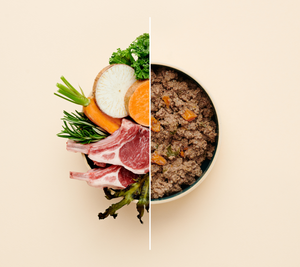 Give your dog the quality nutrition they deserve
Real meat, wholesome veggies and functional superfoods.
Get 40% OFF today