






Best dog food for a fussy Labradoodle

At a glance
- Labradoodles are one of the most commonly reported fussy breeds in the UK — sensitivity to texture, smell, and ingredient quality all play a role.
- Poodle genetics make Labradoodles more scent-sensitive than many other breeds, so aroma matters more than most owners expect.
- Fresh food with a high real-meat content is the most reliable way to reignite appetite in a reluctant eater.
- Rotational feeding across two or three proteins reduces the risk of boredom-driven fussiness long-term.
- Persistent refusal to eat warrants a vet check — fussiness and underlying health issues can look identical from the outside.
Why is my fussy Labradoodle refusing food?
A fussy Labradoodle is refusing food because the food on offer does not meet the sensory threshold their nose and palate expect. That sounds simple, but it explains a lot. Labradoodles carry strong Poodle genetics, and Poodles are scent-sensitive dogs. They evaluate food by smell first. If a meal has been heavily processed, the volatile compounds that make meat smell appetising are largely cooked off. What is left smells flat. The dog walks away.
This is not stubbornness. It is a legitimate response to low-stimulus food. Research into canine olfaction confirms that dogs detect odour compounds at concentrations up to 100,000 times lower than humans can. A Labradoodle nose is not fooled by flavour coatings sprayed onto the outside of a kibble. Fresh food, cooked at lower temperatures and sealed to lock in aroma, gives a very different signal.
The Labrador side of the cross adds its own complexity. Labradors are typically food-motivated, but Labradoodles often sit in a middle ground where appetite varies day to day depending on activity level, environment, and stress. Understanding which parent's traits are dominant in your dog shapes how you approach feeding. For a broader look at managing feeding across different life stages and temperaments, the guidance applies directly here.
What should I actually feed a fussy Labradoodle?
Feed a fussy Labradoodle a complete fresh meal built around a single, named animal protein with a high meat content and minimal processing. This is the format most likely to pass the sniff test and hold their interest across repeated meals.
There are a few things that genuinely shift the dial for reluctant Labradoodle eaters:
- High real-meat content — not meat derivatives, not meat meal, but named whole protein as the primary ingredient.
- Low-temperature cooking — preserves aroma and natural palatability better than extrusion at high heat.
- Rotation across proteins — serving the same meal every day is one of the fastest routes to boredom-driven refusal.
- No artificial flavour enhancers — these create a dependency and make plain, nutritious food taste worse by comparison.
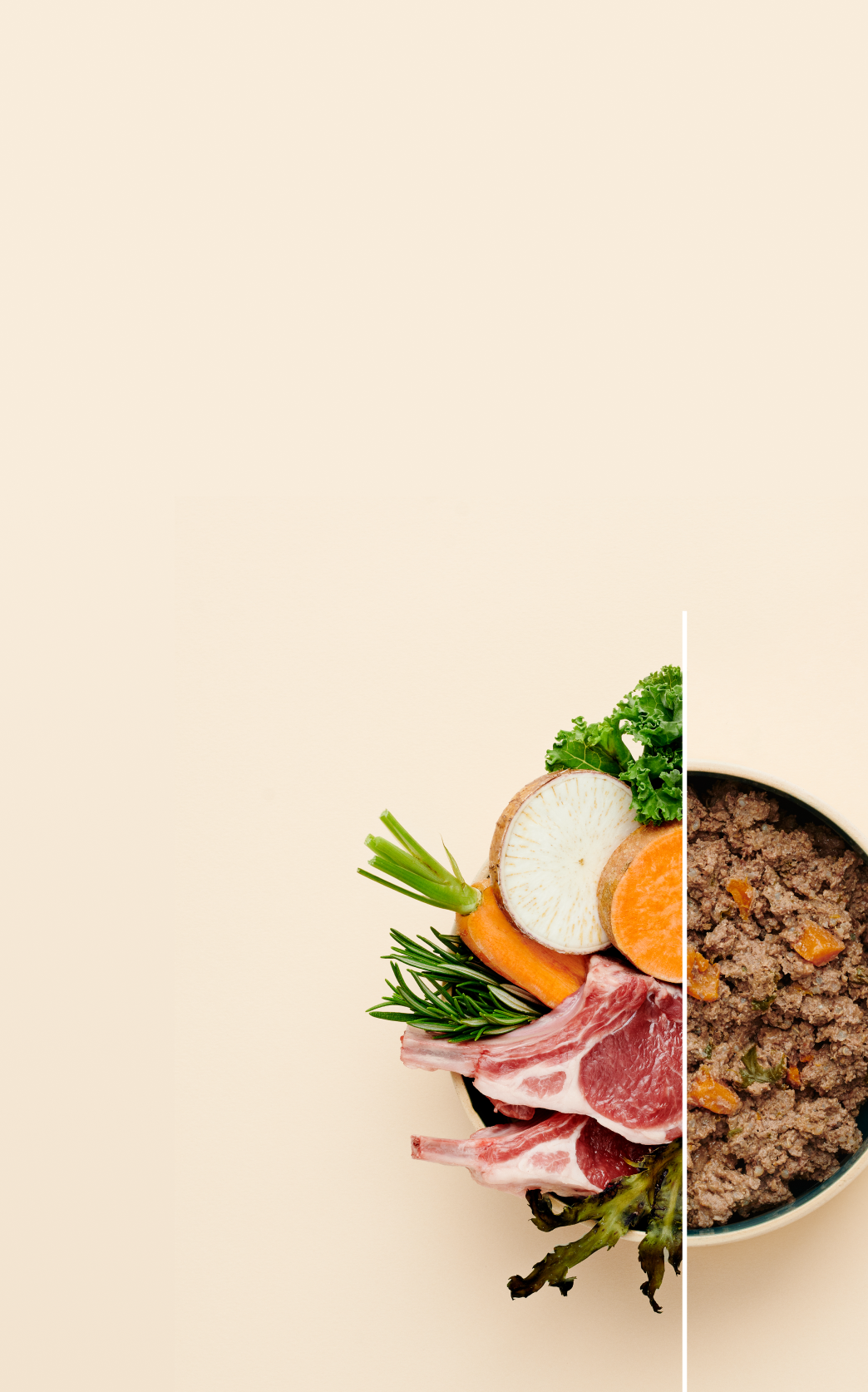
Marleybones Pantry Fresh meals are freshly prepared, sealed raw, and slow-cooked in-pack. The slow-cook process keeps natural meat aromas intact in a way that conventional kibble manufacturing cannot replicate. Nine in ten self-reported fussy dogs eat them without issue — a figure that holds up because the format removes the most common reasons dogs refuse food in the first place.
Rotating between proteins like chicken, beef, lamb, and salmon also helps. Each has a different amino acid profile and a different smell, which keeps mealtimes varied enough to hold attention. If you are not sure where to start, the full range of Marleybones meals covers all four proteins in a complete, FEDIAF-compliant format.
Could there be a health reason behind my Labradoodle's fussiness?
Yes. Fussiness in Labradoodles is not always behavioural. Labradoodles carry a known predisposition to food sensitivities, skin reactions, and digestive issues, all of which reduce appetite. A dog who is itchy, bloated, or uncomfortable after eating will associate mealtimes with feeling bad. Refusal follows.
Common health-related causes of fussiness in Labradoodles include food intolerances (particularly to chicken or wheat in lower-quality diets), dental discomfort, and gastrointestinal upset. If your Labradoodle has gone from eating well to refusing food, and the refusal has lasted more than two or three days, consult your vet before making dietary changes. A health issue ruled out is a vet visit well spent.
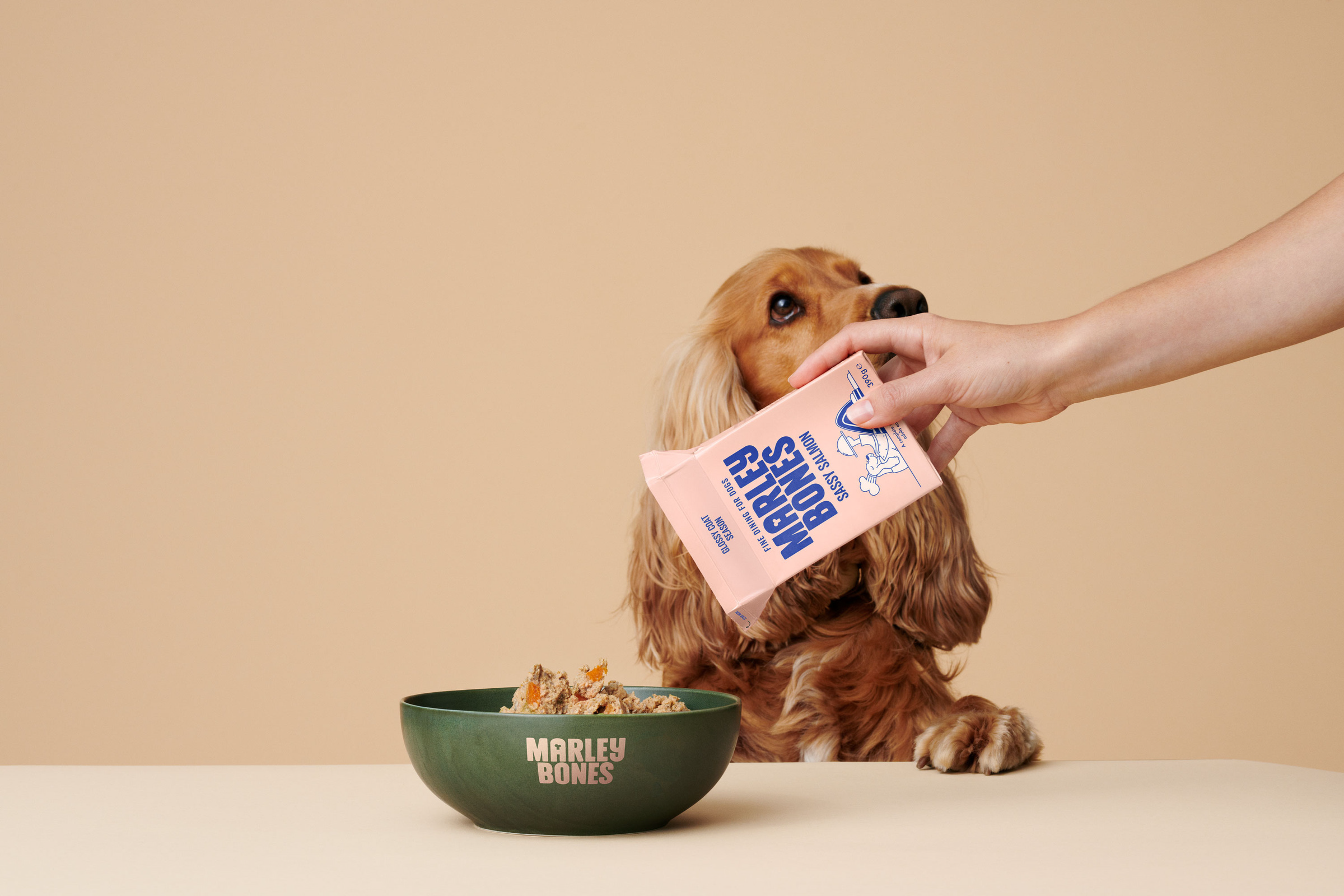
If sensitivity is the underlying issue, a single-protein fresh diet is a good starting point. Salmon is a useful option here — it is a novel protein for many dogs and naturally rich in omega-3 fatty acids, which support both skin and gut health. Sassy Salmon is one option worth trying for Labradoodles with suspected sensitivities alongside their fussiness.
What feeding habits make a fussy Labradoodle worse?
Several common owner responses to fussiness actively reinforce it. Understanding what not to do is as practical as knowing what to feed.
Leaving food down all day teaches a Labradoodle that food is always available. There is no urgency to eat at mealtimes. Set meals at fixed times, offer the food for twenty minutes, and remove it if untouched. Repeat at the next meal. Most healthy dogs begin eating within three days.
Topping food with treats or rotisserie chicken to encourage eating creates a different problem. The dog learns to hold out for something better. If you want to make a meal more appealing, transition to a higher-quality base food rather than adding supplemental extras.
Inconsistent portion sizes also contribute. Dogs who are overfed simply are not hungry enough at mealtimes to eat consistently. Portion to body weight and activity level, not to appetite.
Every dog is different — build your personalised Marleybones feeding and health plan tailored to your dog's age, size, and health requirements.

“Such a relief to see her enjoying her food”
FAQs about feeding a fussy Labradoodle
Why do Labradoodles become fussy eaters?
Labradoodles inherit scent-sensitivity from their Poodle genetics, which makes them more discerning about food aroma and texture than many other breeds. Add in a Labrador's fluctuating appetite depending on activity and environment, and you have a dog who evaluates food carefully before committing. Highly processed food with a flat smell is the most common trigger.
Is fresh food actually better for a fussy Labradoodle?
Yes. Fresh food cooked at lower temperatures retains the volatile aroma compounds that make protein smell like real meat. Extruded kibble loses most of these during manufacturing. Dogs assess food by smell first, so a meal that smells more like meat is more likely to be eaten. This is especially true for Poodle-cross breeds.
How long should I give a new food before deciding it is not working?
Give a transition at least two weeks. The first few days on any new food can involve some hesitancy, especially if you have transitioned too quickly. A gradual switch over seven to ten days, mixing the new food into the old in increasing proportions, gives the gut time to adjust and the dog time to accept the new aroma and texture.
Can Marleybones help a fussy Labradoodle?
Marleybones Pantry Fresh meals are specifically designed around palatability as well as nutrition. The vet-developed recipes use whole named proteins, real superfoods including quinoa and chia seeds, and no artificial flavour enhancers. The slow-cook in-pack process locks in natural meat aroma. Nine in ten fussy dogs eat Marleybones without issue, based on customer-reported data across more than two million meals delivered.
Should I see a vet if my Labradoodle won't eat?
If your Labradoodle has refused food for more than two to three days, or if refusal is accompanied by lethargy, vomiting, loose stools, or weight loss, see a vet. Fussiness and illness can look identical. A vet check rules out underlying health causes before you spend time and money adjusting diet unnecessarily.
“A complete game changer!!”


 Give your dog the quality nutrition they deserve
Real meat, wholesome veggies and functional superfoods.
Get 30% off: Take the quiz