




 Vet-Written
Best dog food for fussy eaters - why some dogs refuse their food

At a glance
- Most fussy eating in dogs has a specific cause: low palatability food, inconsistent feeding routines, too many treats, or an underlying health issue
- Dogs experience smell far more acutely than humans — aroma is the primary driver of food appeal, which is why freshly cooked food outperforms dry kibble on palatability for most dogs
- Switching protein can help fussy eaters, but the format and freshness of the food matters as much as the flavour
- Offering a new food for 10–14 days before concluding a dog won't eat it gives the dog enough time to adjust — most dogs come round within this window
- Persistent refusal to eat, particularly alongside weight loss or lethargy, warrants a vet check to rule out an underlying health issue
Why do some dogs refuse their food?
Fussy eating in dogs is one of the most common concerns owners bring to vets and pet nutritionists, and it is almost always more nuanced than the dog simply being difficult. Understanding the most likely cause in your dog's specific case is the most direct route to solving it.
The most common reasons dogs refuse food are low palatability (the food does not smell or taste appealing enough), feeding routine issues (free feeding, inconsistent mealtimes, or too many treats between meals suppressing appetite), medical causes (dental pain, nausea, gastrointestinal issues, or systemic illness), and learned behaviour (the dog has learned that refusing food results in something better being offered). Each of these has a different solution, and conflating them leads owners in circles. Our guide to feeding your dog at every life stage covers how routine and food choice intersect across different situations.
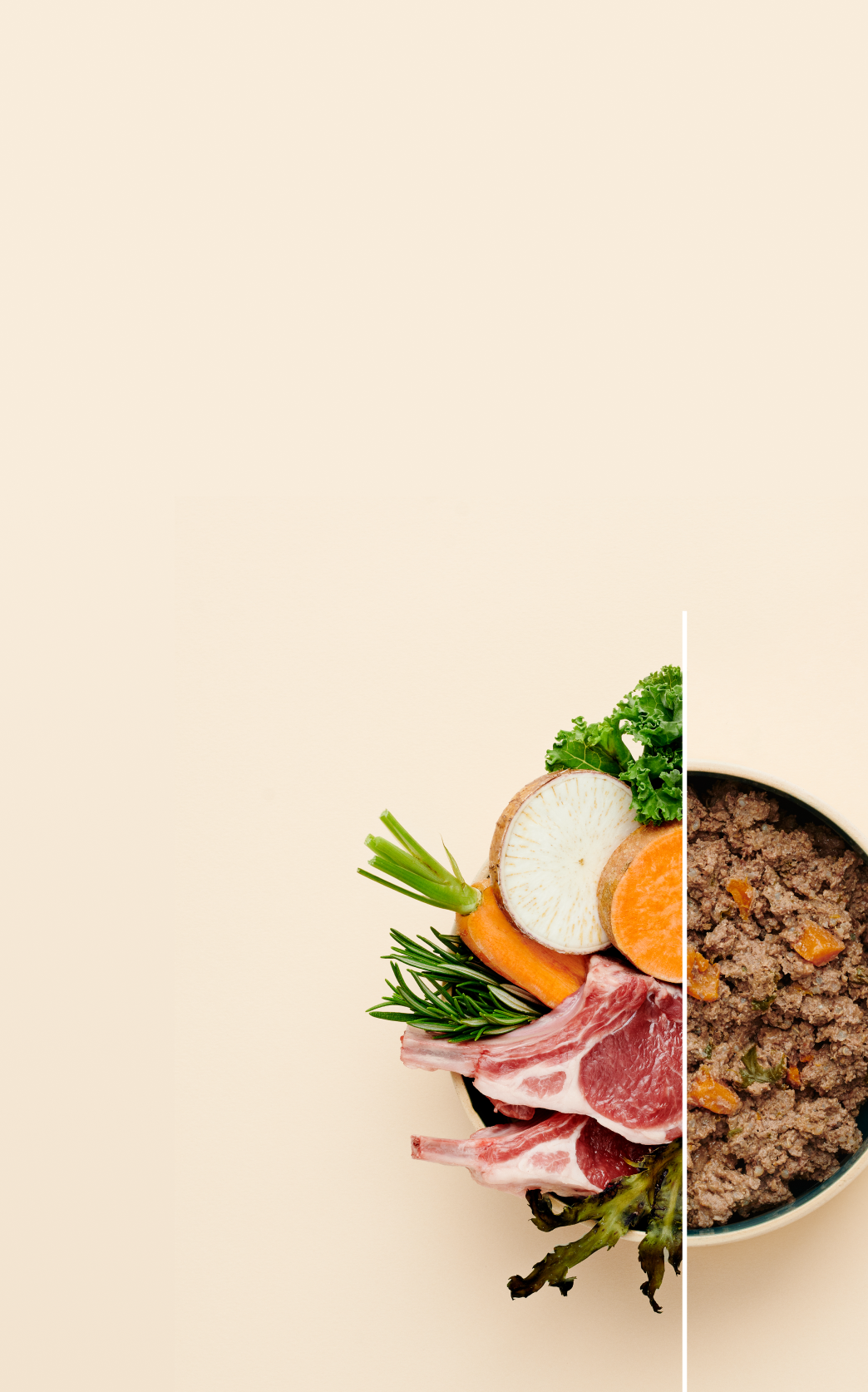
Marleybones Pantry Fresh® meals are built on 60%+ real meat cooked in its own juices inside the sealed pouch, which produces a strong natural aroma that dogs find significantly more appealing than dry or heavily processed food. In the Marleybones customer survey of 1,056 subscribers, 95% of fussy dogs were eating well within the first few weeks of switching.
How does food palatability affect fussy eaters?
Dogs experience the world primarily through smell. Their olfactory system is estimated to be 10,000 to 100,000 times more sensitive than a human's, and the aroma of food is the first and most powerful signal determining whether a dog will eat it. Fresh dog food cooked in its own juices produces a significantly stronger and more appealing aroma than kibble or heavily processed wet food.
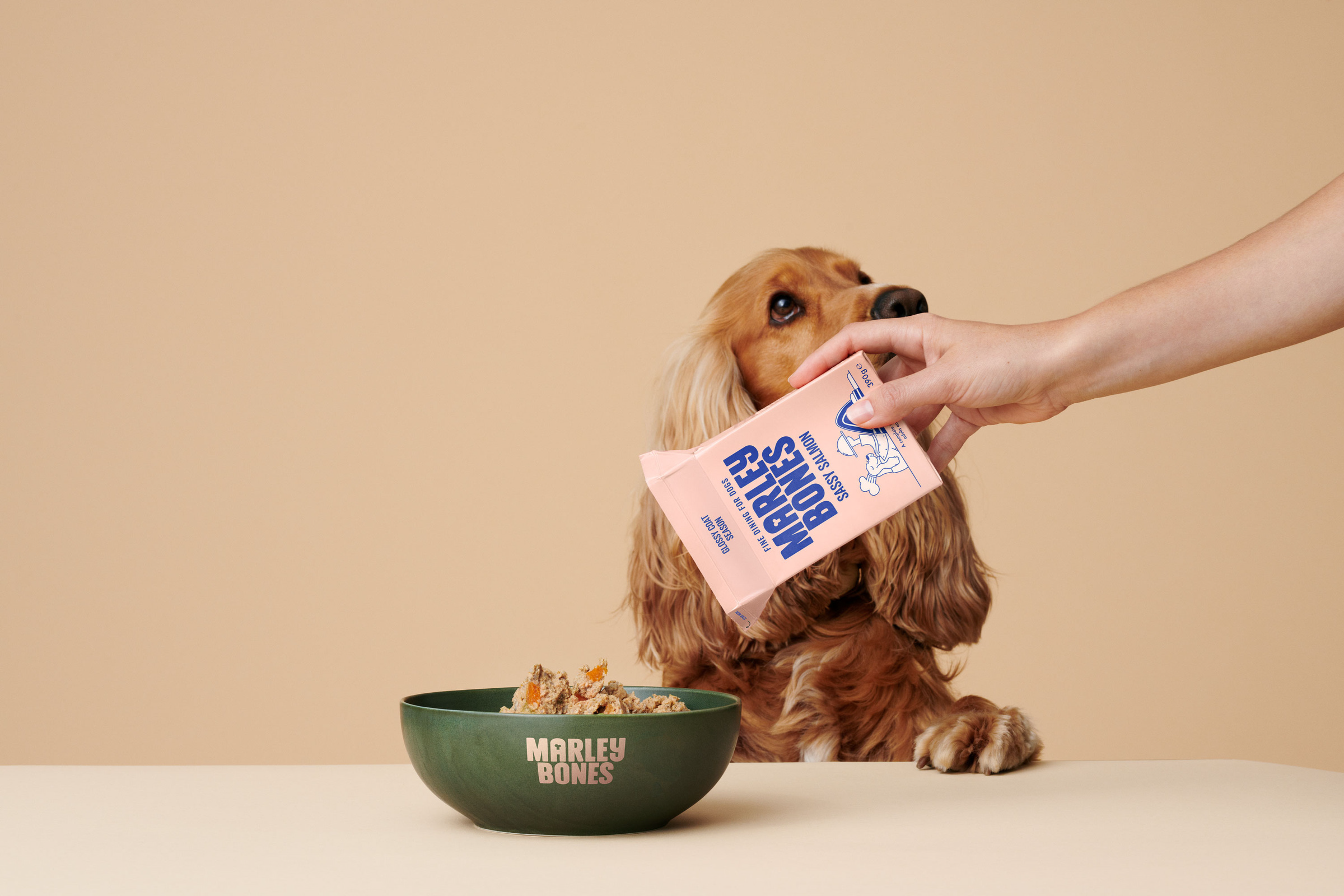
Texture matters too. Dogs with dental issues and seniors often struggle with hard pellets and may refuse kibble not because they dislike the flavour but because chewing it is uncomfortable. The soft texture of fresh food removes that barrier entirely. Single protein recipes also help dogs with fussy tendencies, because they simplify the flavour profile and make it easier to identify what the dog genuinely enjoys. Marleybones offers four single-protein recipes: Chic Chicken, Boss Beef, Lush Lamb, and Sassy Salmon.
"Palatability is not just about flavour; dogs evaluate food through smell, texture and previous feeding experience. That is why fussy eating should be assessed as a combination of sensory response, appetite and mealtime routine."
Dr. Davide Stefanutti DVM PhD
Does feeding routine affect how fussy a dog is?
Significantly. Free feeding, where food is left out all day for the dog to graze, is one of the most common drivers of fussy eating. When food is always available, dogs have no incentive to eat at mealtimes, and the food itself loses freshness and aroma over the course of the day, making it less appealing. Switching to fixed mealtimes, typically twice a day for adult dogs, and removing the bowl after 20 minutes whether the dog has eaten or not, creates a feeding structure that most fussy dogs respond to within a week or two.
Treats are the other major factor. A dog that receives a significant proportion of its daily calories through treats has less appetite for meals and may hold out for the more palatable option it knows is coming. Reducing treat volume to no more than 10% of daily calorie intake, and choosing treats that complement rather than compete with the main meal, is often enough to reset a fussy eater's relationship with mealtimes.
When should fussy eating prompt a vet visit?
Occasional pickiness is normal in many dogs and not a cause for concern. Persistent refusal to eat, particularly if accompanied by weight loss, lethargy, vomiting, or changes in drinking behaviour, warrants a vet check to rule out an underlying health issue. Dental pain is a frequently missed cause of food refusal in older dogs, since dogs instinctively hide discomfort and may appear to be fussy when they are actually finding eating painful.
Any dog that goes more than 48 hours without eating should be seen by a vet, regardless of whether there are other symptoms. For puppies, the threshold is lower: a puppy that refuses food for more than 24 hours should be assessed promptly, and our article on what to do if your puppy isn't eating covers the warning signs to watch for.
What is the best type of food for a fussy dog?
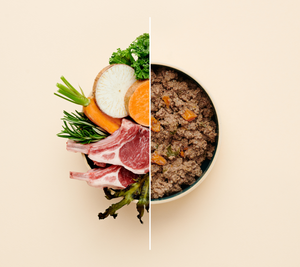
Fresh dog food usually outperforms dry and processed formats on palatability for fussy eaters. The natural aroma of meat cooked in its own juices, the soft texture, and the visible whole ingredients all make fresh food more appealing to dogs whose appetites need encouragement. The single-protein format also makes it easier to find what a specific dog responds to best. If you are unsure which recipe suits your dog, answering a few quick questions about your dog's preferences and needs can point you in the right direction.
The practical challenge with most fresh dog food is logistics: frozen fresh food requires defrosting and planning, which adds friction to every mealtime. Marleybones Pantry Fresh® removes that barrier. Meals store at room temperature for up to 18 months unopened and are ready to serve straight from the cupboard, making consistent fresh feeding achievable without the freezer faff that puts many owners off. For fussy eaters, consistency of format and mealtime routine matters as much as the food itself.
How do I transition a fussy eater to a new food?
Slowly and without drama. A gradual transition over 7–10 days, starting with 25% new food and 75% current food and shifting the ratio progressively, gives a fussy dog time to accept the new food without the digestive upset that can come from an abrupt switch. Digestive upset is itself a cause of food refusal, so a slow transition protects against a new problem layering on top of the existing one. The practical steps for transitioning a dog to fresh food are worth reviewing before you start, particularly for dogs that have been on the same diet for a long time.
Warming the food slightly, to just below body temperature, intensifies the aroma and can make a significant difference for reluctant eaters. Avoid adding strong toppers or mixing in treats to entice eating during the transition, as this creates an expectation that the food will always be embellished and can make the problem harder to resolve long-term.

“Such a relief to see her enjoying her food”
FAQs
Why has my dog suddenly become fussy?
A sudden change in eating behaviour, particularly in a dog that was previously a good eater, is worth investigating rather than assuming it is pickiness. Common causes include dental pain, nausea from a new medication, gastrointestinal upset, or a change in the food itself (manufacturers sometimes alter recipes without prominently flagging it). If the change is sudden and persistent, a vet check is the right first step.
Should I change my dog's food if they are fussy?
It depends on the cause. If the dog has always been a reluctant eater and the current food is low palatability dry kibble, switching to a fresh, moist format is likely to help. If the dog was previously eating well and has recently become fussy, changing food without investigating the cause first may mask a health issue. Addressing feeding routine issues (fixed mealtimes, reducing treats) before switching food is worth trying first.
Is it normal for dogs to get bored of their food?
It's possible, but if a dog that was happily eating the same food for months suddenly stops, it is almost always responding to something else: a health change, a routine change, a batch variation in the food, or a learned behaviour triggered by the owner offering alternatives. Rotating proteins can help in some cases, but it is rarely the root cause of fussy eating.
Can fresh dog food help a fussy eater?
Yes, for most fussy dogs. The stronger natural aroma, softer texture, and higher palatability of fresh food makes it significantly more appealing than dry kibble or standard wet food. Marleybones Pantry Fresh® meals are loved by 9 in 10 fussy dogs, based on the Marleybones customer survey of 1,056 subscribers. The single-protein recipe range also makes it straightforward to identify which protein a fussy dog responds to best.
How long should I give a new food before deciding my dog won't eat it?
At least 10–14 days of consistent offering at fixed mealtimes, in the context of a slow transition to the new food, with no treats offered between meals. Many dogs that initially show reluctance come round within this window once they understand the new food is what is available.
“A complete game changer!!”
Reviewed by Dr Davide Stefanutti DVM, PhD, Veterinarian Nutritionist
References
Watson, P. E., Thomas, D. G., Bermingham, E. N., Schreurs, N. M., & Parker, M. E. (2023). Drivers of palatability for cats and dogs—what it means for pet food development. Animals, 13(7), 1134.
Hall, N. J., Péron, F., Cambou, S., Callejon, L., & Wynne, C. D. (2017). Food and food-odor preferences in dogs: A pilot study. Chemical Senses, 42(4), 361-370.
Callon, M. C., Cargo-Froom, C., DeVries, T. J., & Shoveller, A. K. (2017). Canine food preference assessment of animal and vegetable ingredient-based diets using single-pan tests and behavioral observation. Frontiers in Veterinary Science, 4, 154.


 Give your dog the quality nutrition they deserve
Real meat, wholesome veggies and functional superfoods.
Get 40% OFF today