



Best dog food for a fussy Bichon Frise

At a glance
- Bichon Frises are naturally scent-led eaters — aroma matters more to them than it does to most breeds
- Kibble refusal is common in Bichons because the low moisture content reduces smell and palatability
- High-quality, meat-first meals convert the majority of fussy Bichon eaters without needing constant food-switching
- Skin sensitivities and digestive issues in Bichons can suppress appetite — addressing those often resolves the fussiness
- Persistent food refusal or weight loss warrants a vet check before trialling new foods
Why is my Bichon Frise such a fussy eater?
Bichon Frises are genuinely one of the fussiest breeds around, and it is not just a personality quirk. They rely heavily on scent when deciding whether to eat. If food does not smell appealing to them, they will walk away from a full bowl every time. Most dry kibble fails this test. The processing involved strips out much of the natural aroma that makes food interesting to a dog.
There is also a learned behaviour element. Bichons are clever, sociable dogs, and they quickly work out that holding out for something better pays off. If treats or table scraps have ever followed a refused meal, the lesson sticks.
Underlying health issues play a role too. Bichon Frises are prone to skin sensitivities and digestive upsets, both of which can make eating uncomfortable. A dog that associates mealtimes with discomfort becomes a reluctant eater fast. Ruling out a physical cause is always the right first step when fussiness appears suddenly or gets worse.
What type of food works best for a fussy Bichon Frise?
Fresh, high-moisture, meat-first food is the most effective solution for a fussy Bichon Frise. The higher water content amplifies the natural meat aroma, which is the single biggest driver of acceptance in scent-led eaters. Palatability improves dramatically compared to dry food, and most owners see a difference within the first few meals.
The format matters as much as the protein source. Fresh or gently cooked food retains the flavour compounds lost in high-heat processing. That is why fussy eaters across all breeds tend to respond better to minimally processed meals than to heavily extruded ones.
For Bichons specifically, a few principles are worth following:
- Meat as the first ingredient — not a meat meal or meat derivative
- No bulking fillers like corn, soy, or wheat, which add volume without nutritional value
- A prebiotic source such as chicory root to support the sensitive Bichon gut
- FEDIAF-compliant and complete for all life stages if you are feeding a puppy
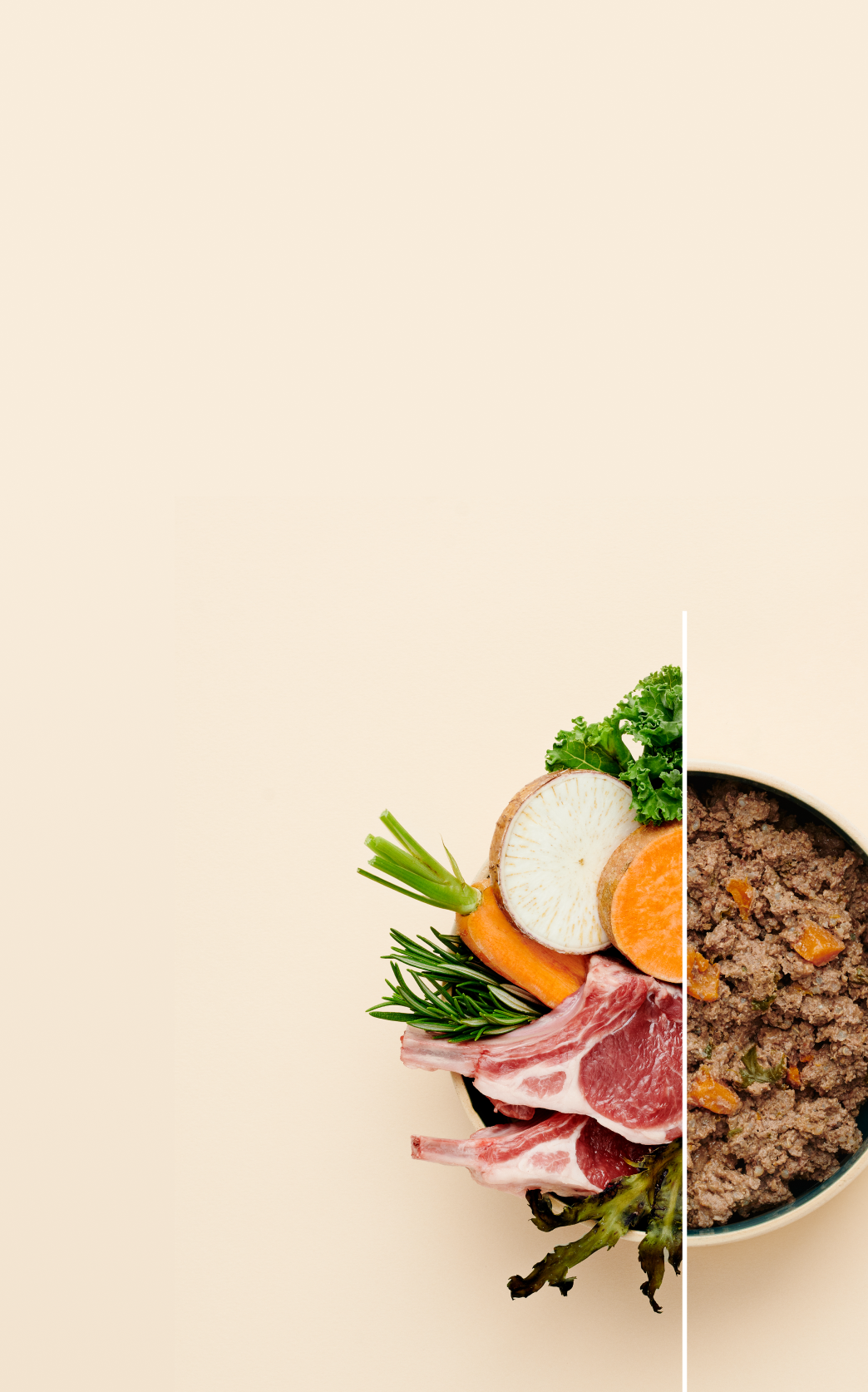
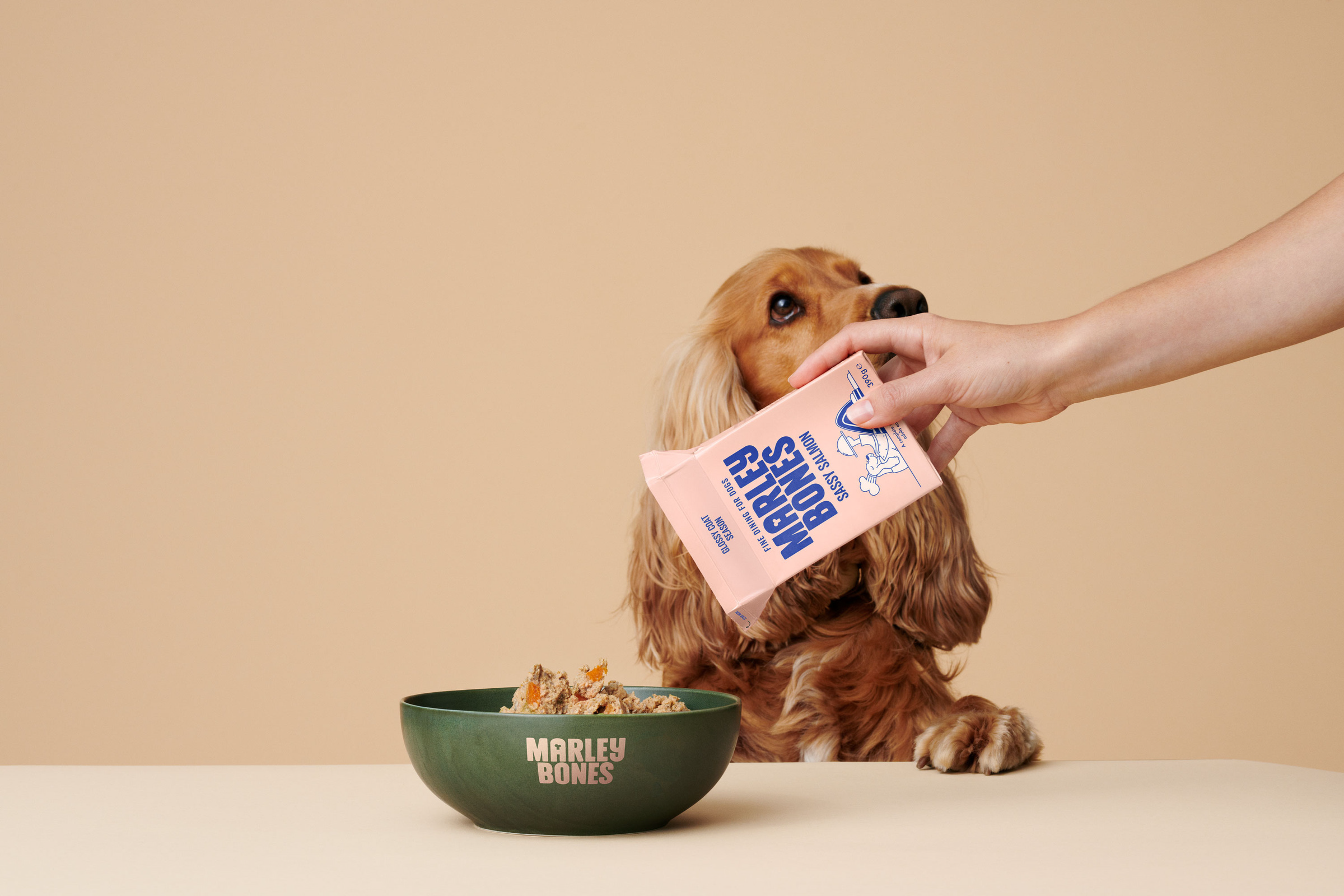
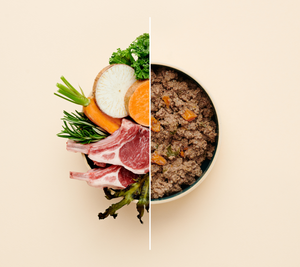
Marleybones Pantry Fresh meals are freshly prepared, sealed raw, and slow-cooked in-pack. The slow-cook process preserves the natural aroma and flavour rather than burning it off, which is part of why 9 in 10 fussy dogs take to them. No freezing required, and no artificial preservatives.
Does switching proteins help a fussy Bichon, or does it make things worse?
Constantly rotating proteins teaches a Bichon that refusing food produces a better option. It reinforces the behaviour rather than fixing it. The more effective approach is to find a high-quality meal the dog responds to and stick with it consistently for at least two weeks before drawing any conclusions.
That said, protein choice does matter for some Bichons. If a dog has a known food sensitivity, switching away from the trigger protein removes a genuine source of discomfort and can restore appetite quickly. Salmon is a useful option here — it is a novel protein for most Bichons, and the omega-3 content actively supports skin health, which reduces the itch-scratch cycle that can suppress appetite in this breed.
If your Bichon is losing weight or showing other symptoms alongside food refusal, speak to your vet before making dietary changes. Persistent fussiness with weight loss can signal something beyond preference.
What feeding habits make fussy Bichon eating worse?
The feeding routine around the bowl matters as much as what is in it. Several common habits actively worsen fussiness in Bichons.
Leaving food down all day is one of the biggest. It removes the incentive to eat at mealtimes and makes food feel available rather than valuable. Two set meals per day, picked up after 20 minutes whether finished or not, creates the right structure.
Topping kibble with toppers, gravy, or scraps to tempt a reluctant eater works short-term but creates a dog that holds out for additions. If the base food is genuinely appealing, toppers should not be necessary.
Bowl placement and feeding environment count too. Bichons are sensitive dogs. Feeding near a busy doorway, loud appliances, or other pets causes enough stress to suppress appetite. A quiet, consistent feeding spot makes a real difference.
Every dog is different — build your personalised Marleybones feeding and health plan tailored to your dog's age, size, and health requirements.
For owners switching from dry food, a gradual transition over seven to ten days prevents digestive upset that could set things back. The transition process is straightforward once you know the right pace, and most fussy dogs improve before the switch is even complete.

“Such a relief to see her enjoying her food”
FAQs: feeding a fussy Bichon Frise
Why does my Bichon eat treats but refuse meals?
Treats are high in fat and salt, which makes them intensely aromatic and palatable. When a dog has been rewarded with treats after refusing a meal, even unintentionally, the refusal behaviour becomes reinforced. The fix is to stop offering treats around mealtimes and switch to a meal with stronger natural aroma, such as a fresh or gently cooked food with real meat as the first ingredient.
How long does it take for a fussy Bichon to accept new food?
Most dogs settle into a new food within one to two weeks. Transition gradually over seven days, mixing increasing amounts of the new food with the old. Do not interpret slow initial acceptance as rejection. Keep the routine consistent and remove uneaten food after 20 minutes rather than replacing it with something else.
Is wet food always better than dry food for a fussy Bichon?
Higher moisture content improves aroma and palatability, so yes, wet and fresh formats generally outperform dry kibble for fussy eaters. However, quality matters more than format alone. A high-quality fresh food beats a low-quality wet food. Look for a high meat content, no fillers, and a complete nutritional profile regardless of the format you choose.
Can Marleybones food help a fussy Bichon Frise?
Marleybones Pantry Fresh meals are vet-developed and made with freshly prepared meat slow-cooked in-pack to preserve natural aroma and flavour. The brand reports that 9 in 10 fussy dogs take to their meals, with over 2,000,000 meals delivered to date. The meals are FEDIAF compliant and complete for all life stages, including puppies. They are available at Waitrose, Ocado, Pets at Home, and direct via subscription at marleybones.com.
Should I see a vet about my Bichon's fussy eating?
If your Bichon is losing weight, vomiting, has loose stools alongside food refusal, or if the fussiness appeared suddenly rather than being a long-standing trait, a vet appointment is the right first step. Fussiness with no physical symptoms and a stable weight is usually a behavioural and dietary issue that responds well to the feeding strategies above.
“A complete game changer!!”


 Give your dog the quality nutrition they deserve
Real meat, wholesome veggies and functional superfoods.
Get 30% off: Take the quiz