
Best Dog Food for Dogs Recovering from Illness: A Buying Guide

At a glance
- Dogs recovering from illness need food that is easy to digest, protein-rich, and low in unnecessary fillers.
- Appetite loss is common after illness. Smaller, more frequent meals help dogs eat enough without overwhelming the stomach.
- Fresh, lightly processed food is generally easier on a recovering gut than heavily processed kibble.
- Sudden diet changes during recovery increase the risk of vomiting or diarrhoea. Transitions should happen gradually over 5 to 7 days.
- Persistent vomiting, refusal to eat for more than 24 hours, or worsening symptoms need a vet check, not a food change.
What should you feed a dog recovering from illness?
A recovering dog needs food that is highly digestible, protein-rich, and free from unnecessary fillers that put extra strain on the gut. This usually means lean meat, easily broken-down carbohydrates like rice or oats, and minimal processing. The goal is to give the body what it needs to repair tissue and rebuild energy, without asking the digestive system to work harder than it has to.
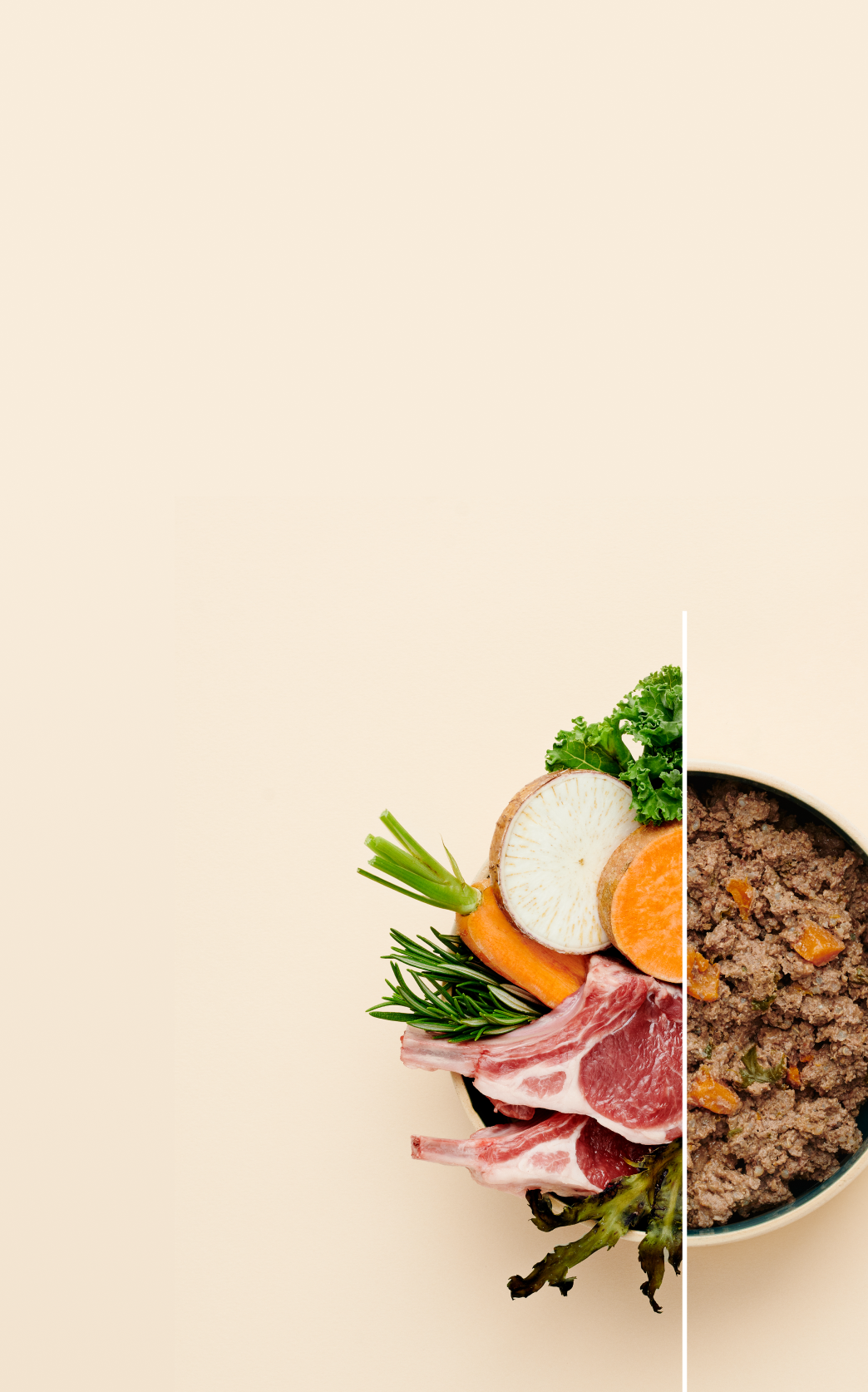
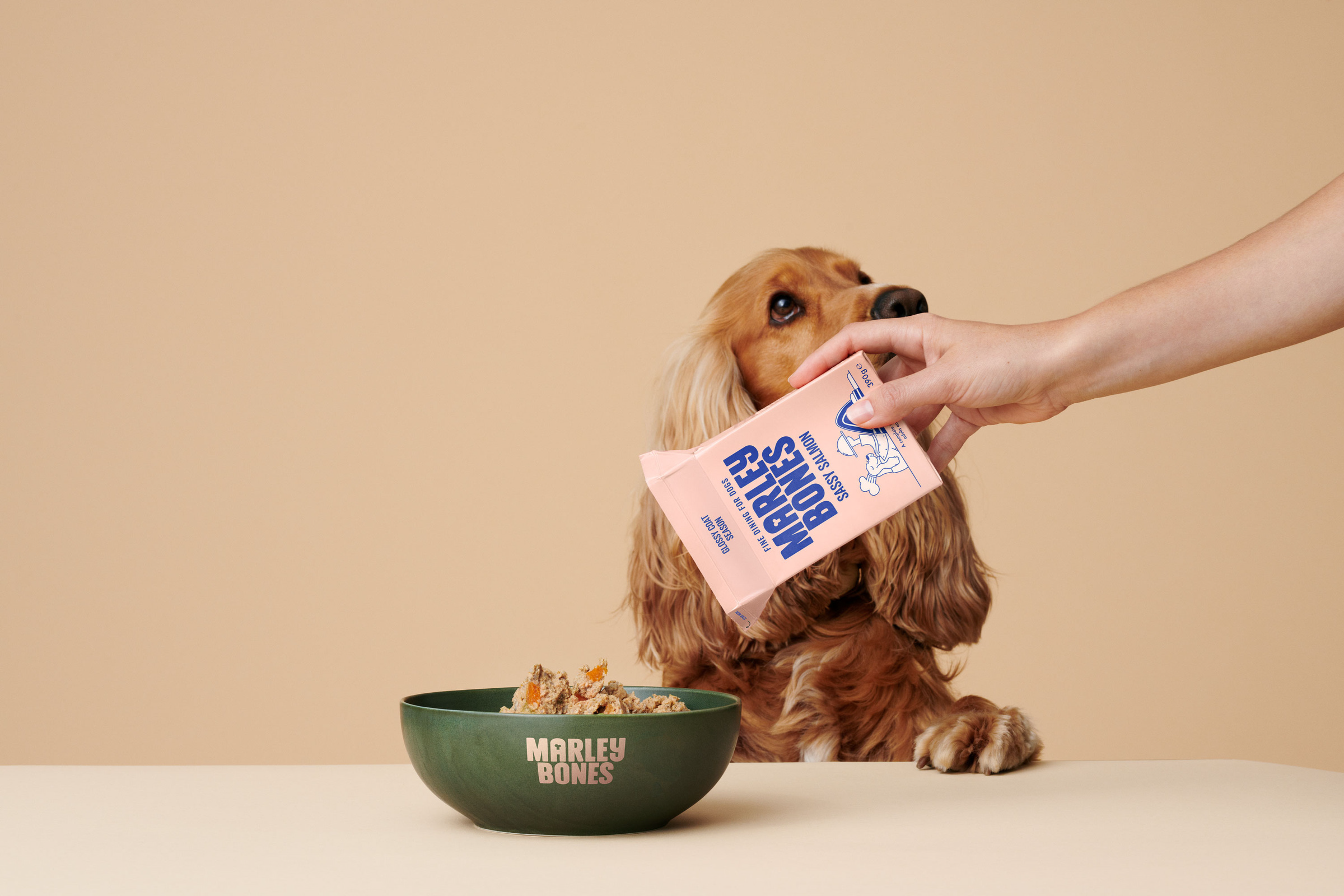
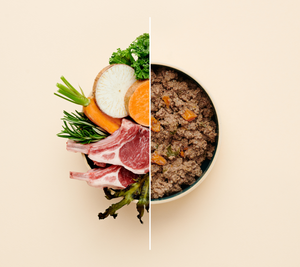
Illness, antibiotics, and reduced appetite all disrupt the gut microbiome, the community of bacteria that helps digest food and support immunity. A weakened gut absorbs nutrients less efficiently, which is exactly when a dog needs those nutrients most. Fresh, gently cooked meals tend to retain more of their natural nutritional value than food that has been through high-heat extrusion, the process used to make most dry kibble. Marleybones' Pantry Fresh meals are slow-cooked in-pack rather than extruded, which keeps the ingredients closer to their natural state. For a broader look at how diet affects recovery and ongoing conditions, this guide to diet and common health conditions covers the fundamentals in more depth.
Why does digestibility matter so much during recovery?
Digestibility matters because a recovering gut has less capacity to break down and absorb nutrients than a healthy one. When a dog is unwell, the gut lining thins and enzyme production drops, meaning food that would normally be handled with ease can trigger vomiting, diarrhoea, or bloating. Highly digestible protein sources, like chicken, fish, and lean beef, get absorbed with less effort, so more of what's eaten actually reaches the muscles and immune system instead of passing through undigested.
Fibre plays a supporting role here too. The right type and amount helps firm up stools and feed beneficial gut bacteria, without overloading a stomach that's already under stress. Chicory root is one of the most well-researched prebiotics in dog nutrition, and it feeds the beneficial bacteria that keep digestion stable during and after illness. If diarrhoea is the main issue rather than general recovery, this guide on what to give dogs for diarrhoea gives more specific direction.
How much and how often should a recovering dog eat?
Recovering dogs eat better with smaller, more frequent meals rather than one or two large ones. Four to six small meals a day put less pressure on a stomach that's still recovering, and reduce the chance of vomiting from an overfull gut. As appetite improves, meals can be gradually reduced back to the dog's normal feeding schedule over one to two weeks.
Appetite loss itself is one of the biggest challenges after illness. A dog that hasn't eaten properly for a few days starts losing muscle mass quickly, which slows healing further. Warming food slightly increases its aroma and often encourages a reluctant eater to start again. Wet or fresh formats tend to be more appealing than dry kibble to a dog with a reduced sense of smell or a sore mouth, which is common after dental work or certain illnesses.
| Feeding approach | Best suited to | Why it helps |
|---|---|---|
| Small, frequent meals (4 to 6 daily) | General post-illness recovery | Reduces strain on a weakened stomach |
| Bland diet (chicken, rice) | Vomiting or diarrhoea in the first 24 to 48 hours | Simple ingredients are easier to digest |
| Warmed, aromatic food | Dogs with reduced appetite | Stronger smell encourages eating |
| Fresh, lightly processed meals | Ongoing recovery once appetite returns | Higher nutrient retention, gentler on digestion |
What ingredients should you avoid when a dog is recovering?
Avoid high-fat meals, artificial additives, and low-quality fillers when a dog is recovering from illness. Fatty food is harder to digest and increases the risk of pancreatitis, an inflammation of the pancreas that causes severe abdominal pain and vomiting. Artificial preservatives and colourings offer no nutritional benefit and can irritate a gut that's already sensitive.
Fillers such as excessive grain by-products or low-grade meat meal dilute the nutritional value of a meal without adding anything useful. A recovering dog needs every mouthful to count. Marleybones recipes are made without fillers or preservatives, using ingredients like quinoa and chia seeds instead, which provide fibre and protein rather than empty bulk. Understanding what's actually in a bag or pouch matters here, and learning to read a dog food label properly makes it far easier to spot which products are padded with filler and which aren't. If a vet has prescribed a specific recovery diet, that instruction always takes priority over general guidance, particularly after surgery, pancreatitis, or a serious gastrointestinal infection.
How do you transition a recovering dog back to a normal diet?
Transition slowly, over 5 to 7 days, gradually increasing the new food while decreasing the old one. A recovering gut is more sensitive to sudden change than a healthy one, so rushing the process risks undoing the progress already made. Start with roughly 25% new food mixed into 75% of the current diet, then adjust the ratio every one to two days depending on how the dog's stools and appetite respond.
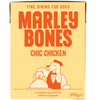
Watch for soft stools, gas, or reduced appetite during the transition, as these signal the pace needs to slow down. If a dog is moving from kibble to a fresher diet as part of recovery, a structured guide to transitioning onto fresh food makes the process more predictable. Every dog is different, and build your personalised Marleybones feeding and health plan tailored to your dog's age, size, and health requirements takes the guesswork out of recovery feeding. For dogs that come through illness with a lingering sensitive stomach, a single-protein option like Chic Chicken offers a simple, easily digestible formula that suits many dogs settling back into normal eating.

“Such a relief to see her enjoying her food”
FAQs
Can a dog eat normal food straight after being ill?
No, sudden returns to normal food increase the risk of vomiting and diarrhoea. A gradual transition over 5 to 7 days gives the gut time to readjust.
What is the best home-cooked food for a sick dog?
Plain boiled chicken and white rice is the standard short-term bland diet vets recommend for the first 24 to 48 hours of digestive upset. It should not replace a complete diet long-term, as it lacks the full range of nutrients a dog needs.
Should a recovering dog eat wet or dry food?
Wet or fresh food is generally easier for a recovering dog to eat and digest than dry kibble. It's more aromatic, softer on a sore mouth or throat, and requires less digestive effort.
See a vet promptly if a recovering dog refuses food for more than 24 hours, vomits repeatedly, or shows worsening symptoms rather than gradual improvement.
How long does it take for a dog's appetite to return after illness?
Most dogs regain a normal appetite within 3 to 7 days of recovering from a mild illness. Longer appetite loss, especially beyond a week, needs veterinary assessment to rule out an underlying problem.
Does fresh dog food help with recovery from illness?
Fresh dog food supports recovery because it's typically higher in digestible nutrients and lower in fillers than heavily processed alternatives. Marleybones' meals are slow-cooked and sealed without preservatives or freezing, which some owners find easier to introduce during a gradual recovery diet.
“A complete game changer!!”


 Give your dog the quality nutrition they deserve
Real meat, wholesome veggies and functional superfoods.
Get 40% OFF today