



Best Dog Food for a Chow Chow with a Sensitive Stomach

At a glance
KEY TAKEAWAYS
- Chow Chows have a genetically sensitive digestive system — heavy fillers and artificial additives are common triggers.
- Single-protein meals are the easiest way to identify and eliminate the ingredient causing the problem.
- Fresh food with minimal processing retains more of the nutrients that support gut lining health.
- A slow, structured transition — 10 to 14 days — is essential when switching any sensitive dog to a new food.
- Prebiotic fibre from ingredients like chicory root actively supports the gut bacteria that regulate digestion.
Are Chow Chows prone to sensitive stomachs?
Yes — and more so than many other breeds. Chow Chows have a digestive system that reacts quickly to poor-quality ingredients, sudden dietary changes, and common allergens like wheat, soy, and artificial additives. For a full breakdown of what this breed needs nutritionally, the complete guide to the best dog food for a Chow Chow covers their wider health profile in detail.
The breed is also predisposed to food intolerances — a reaction where the immune system or gut consistently struggles with a specific ingredient. This is different from a full food allergy, though the symptoms overlap: loose stools, vomiting, excessive wind, and a dull or flaky coat. For a broader look at managing sensitive stomach issues through diet, that guide covers what to look for across formats and life stages.
Their thick double coat can mask weight changes, so digestive issues sometimes go unnoticed longer than they would in a leaner breed. Knowing what to look for early makes a real difference. A Chow Chow with a settled gut is a noticeably different dog — calmer, more comfortable, with a coat that reflects it.
SUITABILITY TABLE
| Food Format | Suitability for Chow Chow with Sensitive Stomach | Verdict |
|---|---|---|
| Pantry Fresh (e.g. Marleybones) | Minimal processing, real ingredients, no fillers, single-protein options available | ✅ Strong choice |
| Frozen raw | Highly digestible, but bacterial contamination risk exists — requires careful handling | ⚠️ Good if managed carefully |
| Cold pressed | Lower heat processing than kibble, retains more nutrients, but protein density varies by brand | ✅ Decent option |
| Dry kibble | Often contains fillers, starches, and artificial preservatives that can irritate sensitive guts | ⚠️ Depends heavily on quality |
| Wet canned | Higher moisture content is useful, but ingredient quality and additive levels vary widely | ⚠️ Check the label closely |
What ingredients should you avoid if your Chow Chow has a sensitive stomach?
Start with the three biggest triggers: wheat, soy, and artificial preservatives. These appear in a large proportion of mainstream dry and wet foods. For a Chow Chow, any of them can be enough to keep the gut in a constant low-level state of irritation.
Beyond those, watch for:
- Unnamed meat derivatives — these are low-grade protein sources that change batch to batch. Inconsistency alone can upset a sensitive stomach.
- High starch fillers — ingredients like maize, corn syrup, and potato starch add bulk but minimal nutrition. They ferment in the gut and cause gas and loose stools.
- Artificial colours and flavour enhancers — no dog needs them. For a sensitive gut, they are an unnecessary risk.
- Multiple protein sources in a single food — if your Chow Chow has a reaction, you need to be able to identify which protein caused it. Mixed-protein foods make that almost impossible.
The cleaner the ingredient list, the fewer variables you are dealing with. That principle matters more for Chow Chows than for most other breeds.
What is the best food format for a Chow Chow with a sensitive stomach?
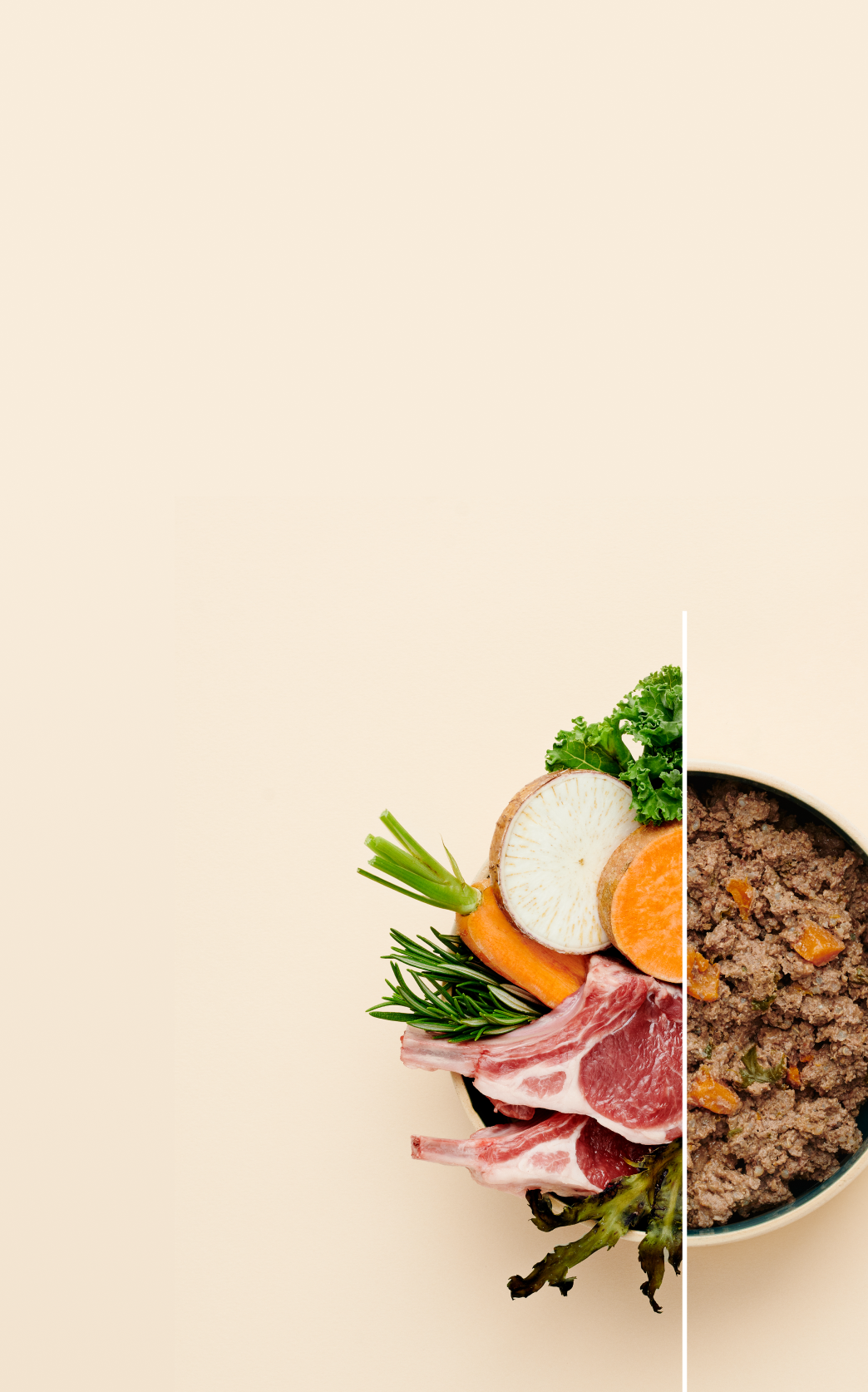
Fresh food with a short, recognisable ingredient list is the most practical format for managing a sensitive Chow Chow gut. The ingredients are cooked at lower temperatures than standard kibble, which preserves more of the natural proteins and nutrients — meaning the gut has less work to do to extract what it needs.
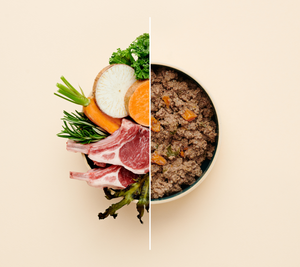
Single-protein fresh meals are particularly useful. Marleybones Lush Lamb is a single-protein recipe with no fillers — a practical starting point for a sensitive dog. Lamb is a novel protein for most dogs, which means the immune system is less likely to have built up a reaction to it.
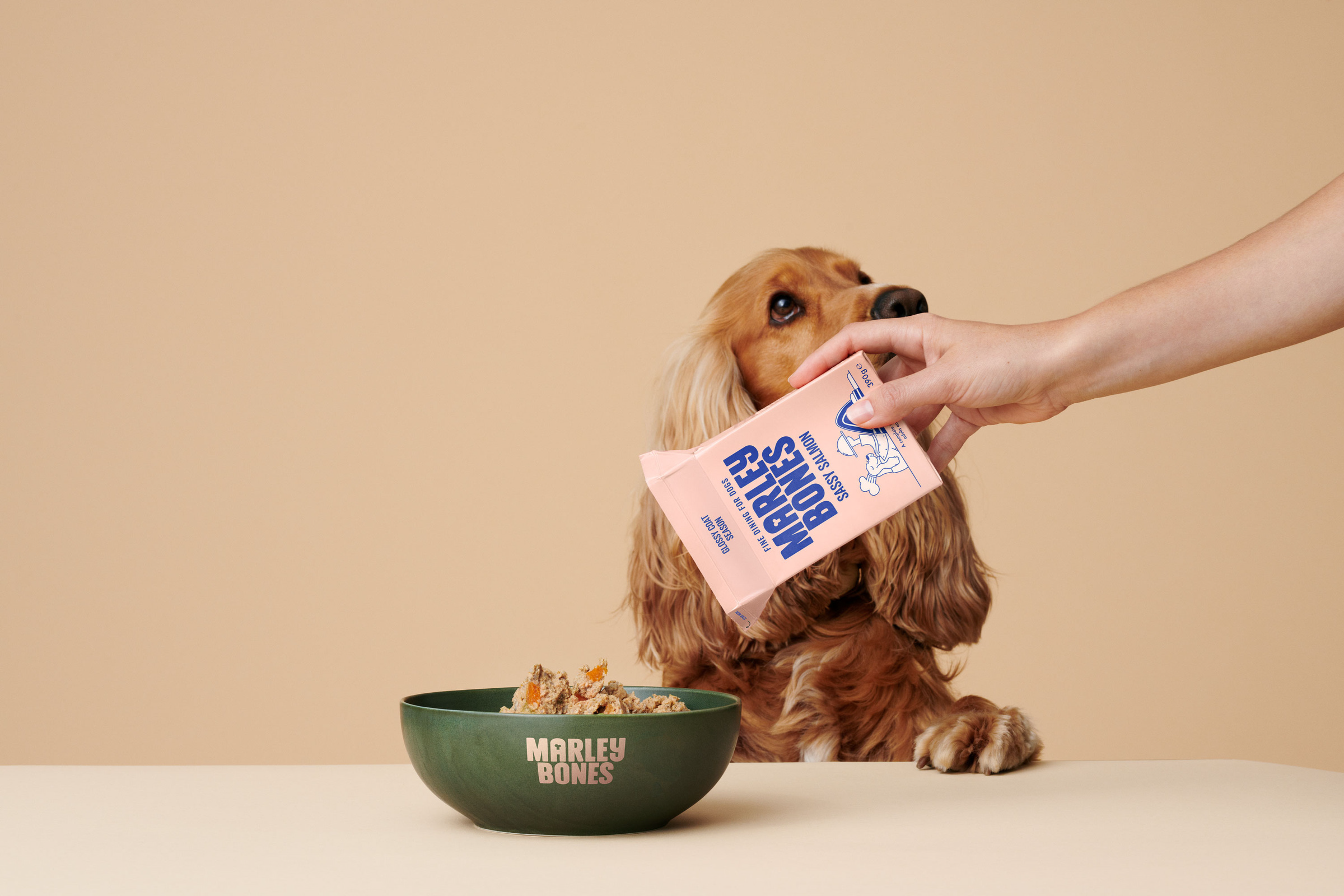
If you are also dealing with skin issues alongside digestive sensitivity — which is common in Chow Chows — a salmon-based meal provides omega-3 fatty acids that support both the gut lining and coat health simultaneously.
If you are switching from kibble, do not rush it. Transitioning to fresh food over 10 to 14 days gives the gut microbiome — the community of bacteria that regulate digestion — time to adjust without triggering an upset.
Does the chow chow sensitive stomach food you choose need added gut support?
For many Chow Chows, diet alone is enough once the right food is found. But if your dog has had prolonged gut issues, the microbiome may need active support to recover.
Prebiotic fibre is the most important place to start. Prebiotics are not live bacteria — they are the food that feeds the beneficial bacteria already living in the gut. Chicory root is one of the most well-researched prebiotics in dog nutrition — it feeds the beneficial bacteria that keep digestion stable. It features in Marleybones meals alongside chia seeds and linseeds, both of which add soluble fibre that helps regulate stool consistency.
For dogs with persistently loose stools, excessive wind, or a history of antibiotic use, a dedicated dog gut health supplement combining prebiotics and probiotics can help rebuild the gut environment more quickly than food alone.
If your Chow Chow’s digestive symptoms are severe, include blood in their stool, or have not improved after a 6-to-8-week dietary change, speak to your vet. Persistent symptoms can point to conditions like inflammatory bowel disease that require clinical diagnosis and treatment.

“Such a relief to see her enjoying her food”
FAQs
Why does my Chow Chow have such a sensitive stomach?
Chow Chows are genetically predisposed to digestive sensitivity. Their guts react more strongly than many other breeds to common irritants — including wheat, soy, artificial additives, and abrupt food changes. Food intolerance is also common in the breed, where the immune system or gut consistently struggles with a specific ingredient rather than tolerating it.
How do I know if my Chow Chow’s stomach issues are food-related?
The clearest signs are loose stools, vomiting, excessive wind, or a dull, flaky coat that appears after meals or when a new food is introduced. If symptoms are consistent rather than occasional, diet is the most likely cause. An elimination diet — removing one protein source at a time — is the most reliable way to identify the trigger.
Is fresh dog food better than kibble for a sensitive Chow Chow?
Fresh food is typically easier on a sensitive gut. It contains real, recognisable ingredients with no artificial preservatives or fillers. Kibble is heavily processed and often includes starchy binders and additives that ferment in the gut and cause irritation. The difference shows up in stool quality, energy levels, and coat condition within a few weeks of switching.
Is Marleybones suitable for a Chow Chow with a sensitive stomach?
Yes. Marleybones Pantry Fresh meals are vet-developed and contain no fillers or artificial preservatives. The single-protein options — Lush Lamb and Sassy Salmon — are well suited to sensitive dogs because they make it straightforward to rule out protein-triggered reactions. All recipes are complete for all life stages, including puppies.
How long does it take for a new food to settle a sensitive stomach?
Most dogs show meaningful improvement within 3 to 6 weeks of switching to a cleaner diet, provided the transition is done gradually. A 10-to-14-day transition — replacing around 10% of the old food with the new food every couple of days — reduces the risk of a gut upset caused by the switch itself.
Can I give my Chow Chow supplements alongside their food for gut health?
Yes, and for dogs with a history of ongoing digestive issues it is worth considering. A prebiotic and probiotic supplement supports the beneficial bacteria in the gut, which regulate digestion and immune response. This works alongside a good diet rather than instead of one — the food itself still needs to be appropriate for a sensitive stomach.
“A complete game changer!!”


 Give your dog the quality nutrition they deserve
Real meat, wholesome veggies and functional superfoods.
Get 30% off: Take the quiz