



Best Dog Food for a Belgian Malinois Puppy

At a glance
- Belgian Malinois puppies need at least 28 to 30% protein from quality animal sources to support their above-average muscle mass and high activity levels.
- Calcium-to-phosphorus ratio matters enormously in large-and-medium active breeds, and imbalanced levels during growth increase joint and skeletal risk.
- Fresh food diets deliver higher bioavailability of protein and micronutrients than heavily processed alternatives, meaning more of what's on the label is actually absorbed.
- Marleybones Pantry Fresh meals are FEDIAF compliant and complete for all life stages, including the puppy growth stage.
What makes the Belgian Malinois different from other puppies?
The Belgian Malinois is not a typical family dog in a puppy suit. It is a working breed built for sustained high-intensity physical and mental output, and its nutritional requirements reflect that. Where a Labrador puppy needs careful portion control to avoid obesity, a Malinois puppy is busy burning through energy, building serious muscle, and developing a neurological system that demands stimulation from early weeks.
Growth happens fast. Malinois puppies reach around 60 to 80% of their adult weight by six months, which means the skeletal and muscular foundation is largely set before their first birthday. Protein quality during this window is not negotiable, as it directly influences muscle fibre development and recovery from physical activity. Omega-3 fatty acids, particularly DHA, support the breed's famously sharp cognitive wiring. Our full guide to the best dog food for Belgian Malinois covers the breed's full nutritional picture across all life stages. For guidance on age-appropriate puppy portions, our feeding guide covers the calculations by weight and growth stage.
SUITABILITY TABLE
| Food Format | Protein Bioavailability | Nutritional Completeness | Practicality | Puppy Suitability | Honest Verdict |
|---|---|---|---|---|---|
| Pantry Fresh (e.g. Marleybones) | High, whole ingredients, minimal processing | Complete, FEDIAF compliant | Excellent, no freezer, long shelf life | Strong, complete for all life stages | Best balance of quality, convenience, and completeness for an active puppy |
| Frozen raw | Very high, unprocessed ingredients | Variable, depends on formulation, not always balanced | Low, freezer space, defrost planning needed | Risky if not properly balanced, bacterial risk also higher in puppies | High ceiling, high risk, only suitable with verified complete recipes |
| Cold pressed | Moderate, lower heat than kibble but still processed | Generally complete | Good, ambient storage, easy to measure | Suitable if formulated for puppies | Decent middle-ground option, better than standard kibble |
| Dry kibble | Lower, high heat damages amino acids and enzymes | Complete, but heavily fortified to compensate | Excellent, convenient, long shelf life | Many puppy-specific options available | Convenient but nutritionally the weakest format for a high-demand breed |
| Wet canned | Moderate to high | Complete in many products | Moderate, bulky, short once opened | Suitable when complete formulas are chosen | Good palatability and hydration, check protein percentages on dry matter basis |
What should the best dog food for a Belgian Malinois puppy actually contain?
The first ingredient must be a named animal protein, such as beef, chicken, lamb, or salmon, not a derivative, meal, or plant-based filler. For a Malinois puppy, aim for recipes where protein sits at 28 to 32% on a dry matter basis, with fat at 15 to 20% to fuel sustained energy without encouraging the kind of rapid weight gain that stresses developing joints.
DHA from marine sources supports neurological development and is particularly relevant for a breed whose intelligence and trainability are core traits. Look for it listed as an ingredient or from oily fish inclusion. Calcium and phosphorus need to sit in a ratio of roughly 1.2:1 to 1.4:1, as too much calcium during growth phases in medium-to-large active breeds contributes to skeletal abnormalities.
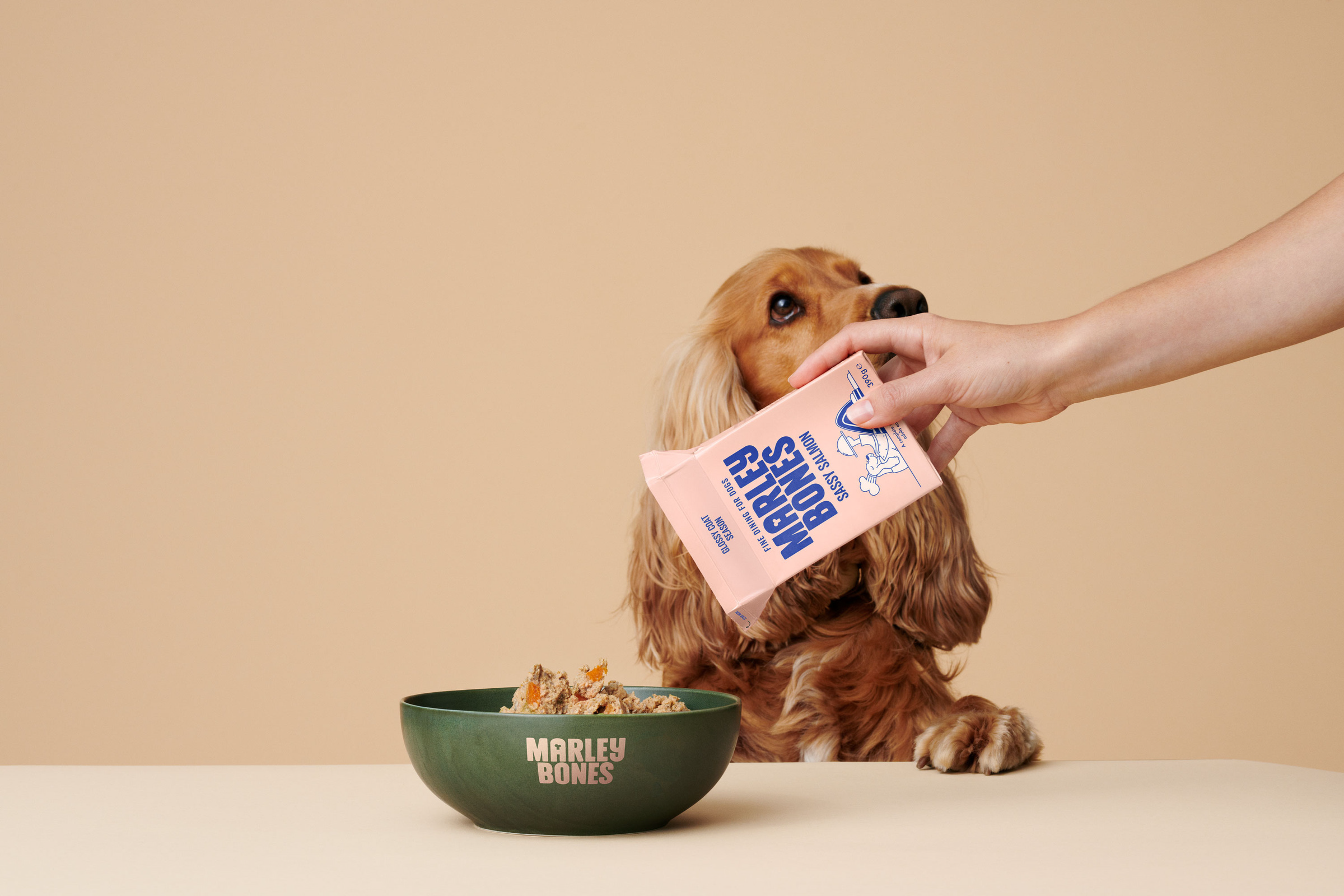
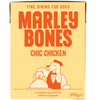
Marleybones Pantry Fresh meals are built on whole named proteins, Boss Beef, Chic Chicken, Lush Lamb, and Sassy Salmon, with superfoods including quinoa, chia seeds, hemp seeds, linseeds, and chicory root. These add fibre, omega fatty acids, and prebiotic support without padding out the recipe with cheap starches. The recipes contain no fillers and no preservatives, and because they're slow-cooked in-pack, the ingredient integrity is retained in a way that standard kibble processing cannot replicate.
Avoid recipes with wheat, maize, or soy as primary carbohydrate sources. These are cost fillers that inflate carbohydrate content at the expense of protein density, a poor trade for any puppy, and a particularly bad one for the Malinois.
How much should a Belgian Malinois puppy eat, and how often?
Portion size changes significantly between eight weeks and twelve months. At eight to twelve weeks, four small meals per day keeps blood sugar stable and reduces the digestive stress of larger volumes. By sixteen weeks, three meals works well. From six months, two meals per day is standard and suits most Malinois into adulthood.
Use your puppy's body condition score rather than the scales alone. A Malinois puppy in good condition shows a visible waist from above, ribs that are palpable but not prominent, and a slight abdominal tuck. If the ribs disappear under fat, reduce portions. If they're sharply visible, increase them. This breed's metabolism is high, and under-feeding an active Malinois puppy is a real risk as much as over-feeding.
Marleybones provides clear feeding guidelines based on adult target weight, and because each meal is portioned in a ready-to-serve format, it removes the guesswork that comes with dry feeding where cup measurements are imprecise. Every dog is different, so build your personalised Marleybones feeding and health plan tailored to your dog's age, size, and health requirements.
Is fresh food worth it for a Belgian Malinois puppy, or is good kibble enough?
Good kibble is adequate. Fresh food is better, and for the Belgian Malinois specifically, the gap is meaningful. The Malinois's demand for bioavailable protein, quality fats, and intact micronutrients maps directly onto where fresh food outperforms heavily processed alternatives.
The key difference is processing temperature. Kibble is extruded at temperatures above 120 degrees C, which degrades heat-sensitive amino acids and requires synthetic vitamin and mineral fortification to restore nutritional completeness. Pantry Fresh cooking uses lower, controlled heat applied in-pack, which preserves more of what the whole ingredients contain naturally.
For owners who want fresh food quality without the logistics of raw feeding, Marleybones Pantry Fresh sits in a genuinely useful position. No freezer is needed, meals are shelf-stable, and the range is available through Waitrose, Ocado, Whole Foods Market, Pets at Home online, and Co-op, as well as on subscription at marleybones.com. With over two million meals delivered and a 4.9-out-of-5 Trustpilot rating, the track record is there.

“A complete game changer!!”
FAQs
Can Belgian Malinois puppies eat adult dog food?
Only if the adult food is labelled complete for all life stages, which means it meets the nutritional requirements for growth as well as maintenance. Life-stage-specific puppy foods are formulated to those thresholds automatically. Marleybones Pantry Fresh meals are complete for all life stages, so they cover the puppy growth stage without needing a separate formula.
How much protein does a Belgian Malinois puppy need?
Belgian Malinois puppies need a minimum of 22.5% protein on a dry matter basis under FEDIAF guidelines, but given the breed's muscle mass, working drive, and high activity level, recipes delivering 28 to 32% from named animal sources serve this breed better in practice.
When should a Belgian Malinois puppy transition to adult food?
The Belgian Malinois reaches skeletal maturity at around 12 to 18 months. If feeding a life-stage-specific puppy food, transitioning at 12 months is appropriate for most individuals. With an all-life-stages food, no transition is needed, and adjusting portions to reflect the shift from growth to maintenance requirements is sufficient.
Is raw feeding safe for Belgian Malinois puppies?
Raw feeding can work for Malinois puppies if the diet is properly balanced and complete. Unbalanced raw diets carry real risk of calcium-phosphorus imbalance during the growth phase, which affects skeletal development. There is also a higher bacterial contamination risk in puppies than in adult dogs. If choosing raw, use a verified complete formula rather than a DIY approach.
What ingredients should I avoid in Belgian Malinois puppy food?
Avoid recipes listing wheat, maize, soy, or generic meat derivatives as primary ingredients. These reduce protein quality and bioavailability. Also avoid artificial preservatives such as BHA, BHT, and ethoxyquin. For puppies, excessive calcium supplementation is a specific concern, so check that calcium levels are appropriate for growth rather than open-ended.
How do I transition my Belgian Malinois puppy to a new food?
Transition over seven to ten days. Start by replacing 25% of the current food with the new food for the first three days, move to 50% for the next three days, then 75% for two days, and complete the switch by day ten. Malinois puppies have sensitive, fast-moving digestive systems, and a slower transition reduces the risk of loose stools during the change.

Gloss up your pup’s life with an omega-3 booster


 Give your dog the quality nutrition they deserve
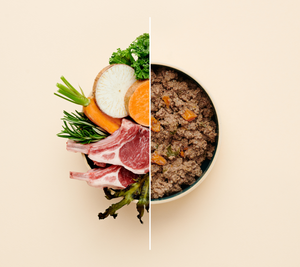
Real meat, wholesome veggies and functional superfoods.
Get 40% OFF today