

Lush Lamb
First pick for a sensitive stomach
A good starting point for a Cavalier with a sensitive stomach. British lamb is the only protein, and chicory root, a natural prebiotic, supports healthy digestion.
Fresh food for Cavalier King Charles Spaniels, gentle on the stomach and fed to a personalised meal plan. Single-protein meals that live in the cupboard, not the freezer.
What matters most for your Cavalier King Charles Spaniel?
Tap one and we’ll build their plan around it.
Build their planTakes 2 minutesTry a starter box from £10Pause or cancel anytime

Four recipes, one protein each
Four complete recipes, each with one protein, three veggies and seven superfoods, gently cooked with no preservatives. Every one suits every life stage, from Cavalier King Charles Spaniel puppy to senior.
First pick for a sensitive stomach
A good starting point for a Cavalier with a sensitive stomach. British lamb is the only protein, and chicory root, a natural prebiotic, supports healthy digestion.

For skin and a silky coat
Our oily-fish recipe, with omega-3s from fresh salmon to support healthy skin and that long, silky coat. Skin trouble is common in Cavaliers, so it’s a good pick for one that scratches.

The everyday classic
Real British chicken, gently cooked with three veggies and seven superfoods. A light everyday dinner for a Cavalier who loves their food.

For the fussy few
Rich, meaty and cooked in its own juices. A favourite with the odd Cavalier who turns their nose up at dinner.
1 protein · 3 veggies · 7 superfoods · 0 preservatives
Tell us about your dog
Two minutes: age, weight, activity and anything their stomach or skin has to say.
We build their plan
The right recipes and the right portion, so they stay a healthy weight.
Into the cupboard
Delivered to your door across the UK. No freezer space, no defrosting the night before.
Open and serve
Straight from the carton. Pause, skip or change recipes whenever you like.
Try a starter box from £10
Heart disease is the health problem Cavaliers are best known for. A Royal Veterinary College (RVC) study of 1,875 Cavaliers in English vet records found a heart murmur in about 3 in 10 of them. That’s far more heart trouble than vets see in dogs overall. The main worry is mitral valve disease (MVD), an inherited weakness in one of the heart’s valves that tends to appear as they get older.
No food can prevent MVD, ours included. Have your vet listen to their heart at every check-up, and if you’re buying a puppy, ask about the parents’ heart checks. See your vet promptly if your Cavalier breathes faster than usual while resting or asleep. The same goes for a cough that won’t go away, tiredness or pale gums. Once a vet has found a heart problem, their diet advice is the one to follow.
Day to day, the most useful thing you can do is keep their weight healthy, so their heart isn’t working harder than it needs to. Regular walks and a complete, balanced diet with omega-3s can help too.
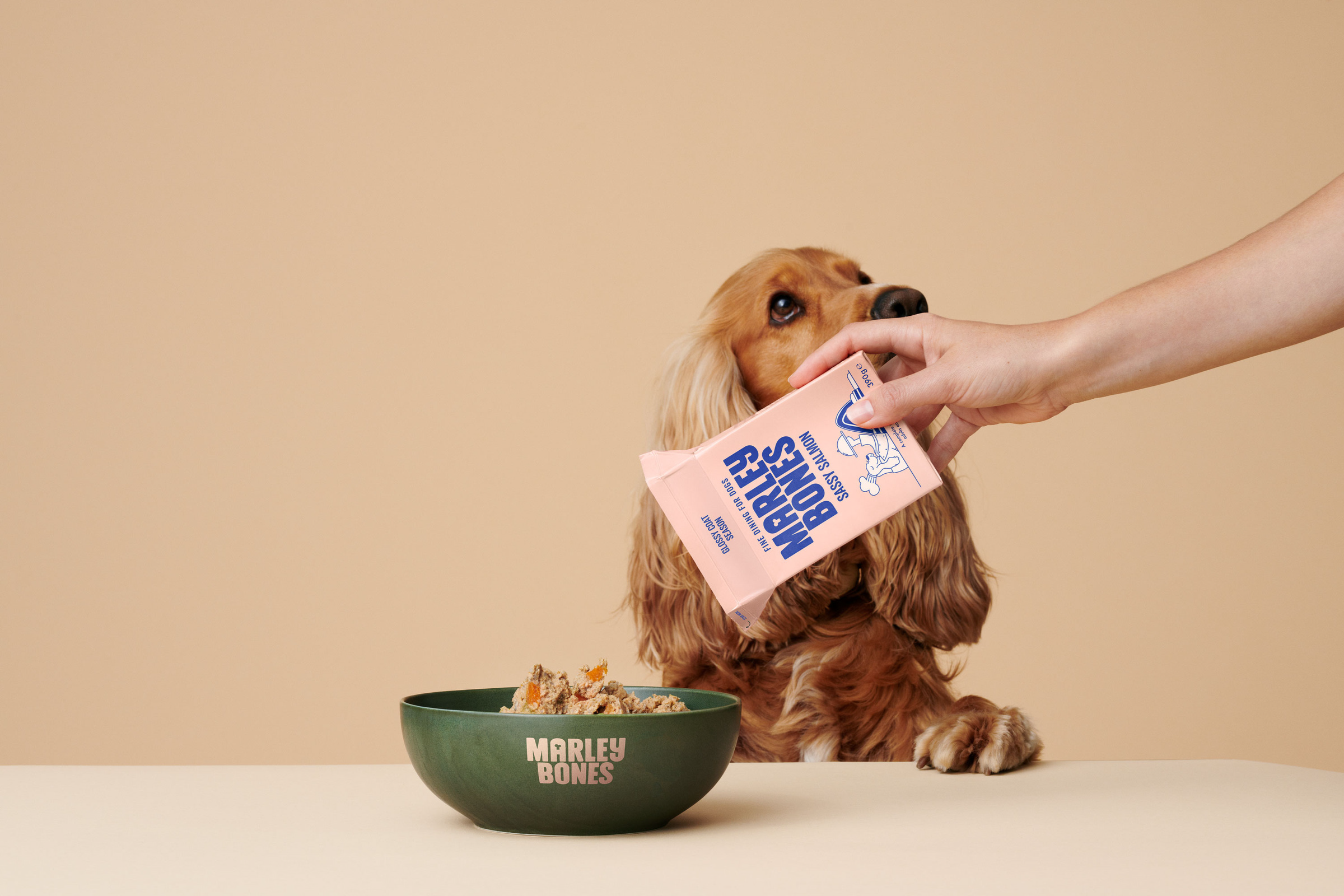
Sassy Salmon is our oily-fish recipe, with omega-3s from fresh salmon.
Cavaliers are one of eight breeds at higher risk of being overweight than crossbred dogs, according to an RVC study of 22,333 UK dogs. About 1 in 9 Cavaliers in it were overweight. Most Cavaliers will happily eat whatever’s going, and those big eyes are hard to say no to. On a small dog, a few titbits a day soon add up.
Marleybones takes the guesswork out of feeding. Tell us your Cavalier’s weight, age and activity, and we create a personalised meal plan for them. Because it’s fresh, meaty food rather than a handful of dry biscuits, a sensible portion still looks like a proper dinner.
Count treats as part of the day’s food, or keep back a few pieces of their dinner to use instead. For a Cavalier with weight to lose, ask whether your practice runs a nurse-led weight clinic. Many do.
Chic Chicken is a light everyday dinner for a Cavalier who’d never say no to seconds.
Gum disease is very common in Cavaliers. A 2021 RVC study of UK vet records found it in about 1 in 4 Cavaliers in a single year, more than twice the odds of crossbred dogs. Small breeds and spaniel types were the most at risk, and the Cavalier is both.
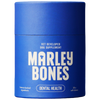
Everyday food, kibble included, does little to clean teeth. Daily brushing is what keeps plaque down. Fresh food is easy to eat for a Cavalier with sore or missing teeth. Our Dental Health Supplement is a soft-baked chew that helps keep plaque and tartar down in between.
Ask your vet to look at their teeth at every visit, and book a dental clean if they suggest one.
Diarrhoea was the most common problem after heart murmurs in the RVC’s Cavalier records, noted in 11% of them. About 7 in 100 had anal sac infections, which is one more reason to aim for firm, regular stools. Most upsets start with a sudden food change, rich scraps or something eaten on a walk.
Because Marleybones is gently cooked, it’s easy on a Cavalier’s stomach and more digestible. With one protein and no preservatives in each recipe, it’s easier to spot what suits them. Chicory root, a natural prebiotic, supports healthy digestion. 71% of our subscribers say their dog’s digestion and stools are better. For the odd soft spell, our Gut Health Supplement adds psyllium, pumpkin and prebiotics to support stool consistency.
Call your vet if an upset goes on for more than a day or two, or you see blood or repeated sickness.
For a sensitive stomach, Lush Lamb is a good place to start.
Skin problems were the second most common type of problem in the RVC’s Cavalier study, affecting more than 1 in 5. Fleas and mites were the biggest single cause. Ear infections came up in 9%. A Cavalier’s long, feathered ears hang down and hold in warmth and damp. Across all breeds, a 2021 RVC study found dogs with hanging ears had 1.76 times the odds of ear infections of dogs with upright ears.
Where your vet suspects food, they may suggest a trial diet. Your Cavalier eats one protein they’ve never had, and nothing else, for six to eight weeks. Every Marleybones recipe has a single protein and no preservatives, so it’s practical for an elimination approach.
In Sassy Salmon, omega-3s from fresh salmon support healthy skin and that feathered Cavalier coat. 46% of our subscribers say their dog’s coat is shinier or softer since switching. If that coat looks dull, our Omega boosting oil adds flaxseed and vitamin E for skin and coat support. Keep the feathering around the ear opening short, and let your vet see any ear that turns red or smells.
Try Sassy Salmon for healthy skin and a silky Cavalier coat.
Growing Cavaliers need a complete food in small meals. Marleybones is complete and balanced for all life stages, so your puppy never has to change to an adult food. We create a personalised meal plan that adjusts as they grow. That matters for a breed that piles on weight easily once growing slows down.
Give them a week or two on what the breeder fed, then bring Marleybones in gradually over ten days. Little and often suits a small puppy’s stomach while they settle in.
Lush Lamb is a gentle first recipe for a puppy settling into a new home.
| Format | How it’s made | Moisture | Storage |
|---|---|---|---|
| Pantry Fresh® | Sealed raw, gently cooked in-pack | High | Cupboard, up to 18 months unopened |
| Fresh frozen | Gently cooked, then frozen | High | Freezer, defrost before serving |
| Dry kibble | Cooked at high heat, pressed into pellets | Around 10% | Cupboard |
*Based on a Marleybones survey of 1,000+ customers

better digestion and stools

more energy

fussy dogs now enjoy mealtimes

happy they switched to Marleybones
Excellent 4.8 out of 5

Coat and stools

“Still by far the best dog food … for our Cavalier … He loves all the flavours and its great to know they contain such fresh ingredients. … coat is now silky, his poops are never nasty and the bowl is always licked clean.”
Puppy with a sensitive stomach
“I've a King Charles Cavalier puppy who is a fussy eater, with a sensitive stomach and a chicken allergy. … Within one month of being on Marleybones the change has been incredible, his coat is so shiny and soft, he doesn't scratch anymore, his poops are finally normal and he actually gets excited at meal times!”
Fussy eating
“My Cavalier … is a very fussy eater but not a problem with … clean bowls every time”
Older Cavalier, off kibble
“… my 8 yr old Cavalier who was on kibble wasn’t going to be left out ! 2 Happy dogs both now love their Marley bones thankyou”
A complete food that keeps their weight healthy, is easy on the stomach and has omega-3s for skin and coat, fed in the right amount for them. Weight matters most, because Cavaliers gain it easily and their hearts don’t need the extra load. Fresh food such as Marleybones Pantry Fresh suits them well: soft chunks, one protein, gently cooked and fed to a personalised meal plan. Chic Chicken is the usual everyday pick, with Lush Lamb for a sensitive stomach.
A complete food made for growth, in small meals your puppy can manage. Marleybones is complete for all life stages, so the first recipe your puppy eats can be their food for life. We create a personalised meal plan that adjusts as they grow. That helps a breed prone to weight gain keep a good shape from the start. While their stomach adjusts to a new home, Lush Lamb is the gentle one to begin with.
The same complete diet, with a little less food as they slow down. Older Cavaliers walk less, so weight creeps on, and that’s when the heart needs it least. Marleybones suits them at any age: complete for all life stages, and easy to eat for a mouth with worn or missing teeth. Their personalised meal plan takes their age and activity into account. Keep up the heart checks too, because MVD tends to show as Cavaliers get older.
Yes, for most Cavaliers. It’s built around what matters most for the breed. A personalised meal plan helps keep their weight healthy, gentle cooking suits the stomach, and it’s easy on small or sore teeth. Each recipe has one protein and no preservatives, and Sassy Salmon brings omega-3s for that silky coat. The cartons keep in the cupboard, so there’s no freezer to fill. Owners rate Marleybones 4.8 out of 5 on Trustpilot, from more than 1,000 reviews.
In the early stage, the American College of Veterinary Internal Medicine guidelines call for no change of diet. A healthy weight and regular heart checks help most. Once the heart has enlarged enough for your vet to start treatment, the guidelines advise cutting back on salt, and more so if heart failure develops. That includes salty treats and scraps such as cheese, ham or crisps. Your vet will also want your Cavalier eating well and holding their weight. No food can treat a murmur or mitral valve disease (MVD), so ask your vet what suits your Cavalier’s stage. If your vet prescribes a heart diet, that comes before any other food, ours included.
Not necessarily. A breed name on the bag matters less than a complete diet in the right amount, because weight is where trouble tends to start. Soft fresh food like Marleybones suits a small mouth without any special kibble shape. If your Cavalier has a heart condition, ask your vet which food they want them on.
For most Cavaliers, soft fresh food is the better fit. It’s kinder to a small mouth and sore teeth, and it’s 72% moisture, where kibble is about 10%. And dry food doesn’t clean teeth the way people often think. Many vets recommend against feeding raw to a Cavalier, especially one with a heart condition. Raw also needs a freezer and careful handling. Marleybones is fresh without the freezer. If you’d rather not drop kibble altogether, a half plan puts both in the bowl.
Three things. The first ingredient should be a named meat or fish with a percentage beside it, not “meat and animal derivatives”. Look for the word “complete”, which means it meets FEDIAF guidelines on its own. And the shorter and plainer the list, the easier it is to tell what agrees with your Cavalier. Lush Lamb, for example, lists lamb first at 60%, then carrots and sweet potato, and names every ingredient.
Most are food driven, not fussy. Cavaliers are known for loving their food, which is why so many put on weight. Some do turn picky, usually after learning that leaving dinner brings out something tastier. Feed at set times, and take the bowl away after 20 minutes if it isn’t finished. A Cavalier that suddenly goes off food it normally loves needs a vet check, not a new recipe, because a lost appetite can be a sign they’re unwell.
Some do. Diarrhoea was noted in 11% of Cavaliers in Royal Veterinary College vet records, the most common problem after heart murmurs. The researchers thought most of it came from everyday causes such as scavenging, infections, parasites or swallowing something they shouldn’t, rather than anything breed-specific. One gently cooked protein, a slow changeover and no rich leftovers usually settle things. For a Cavalier with a sensitive stomach, Lush Lamb is a good starting point.
Some do, but food isn’t the usual cause of skin trouble in Cavaliers. In Royal Veterinary College records, fleas and mites caused more of it than anything else. When food is to blame, beef, dairy and chicken are the most common triggers, according to a 2016 review of the research. If your Cavalier scratches, licks their paws or gets repeated ear trouble, your vet may suggest a six-to-eight-week food trial on one new protein. With one protein each, Sassy Salmon and Lush Lamb are practical for an elimination approach.
Yes. Most Cavaliers eat chicken without any trouble, and Chic Chicken is our usual everyday pick for a Cavalier watching their weight. Chicken is in so many dog foods that it’s also one of the proteins dogs most often react to. If your Cavalier itches or has loose stools on a chicken diet, mention it to your vet before swapping protein.
It depends on their weight, age, activity and whether they’re neutered, so a feeding chart is only a starting point. A typical adult Cavalier weighed about 10.5kg in Royal Veterinary College vet records, but they vary a lot. Tell us your Cavalier’s details and we create a personalised meal plan around them. Check their shape every couple of weeks: you should feel the ribs easily under the feathering, and see a waist from above and from the side.
Most adult Cavaliers do well on two meals, morning and evening. Splitting the day’s food in two means a food-loving Cavalier never waits too long between meals, which makes a sensible portion easier to stick to. Until about six months, a Cavalier puppy does better on three or four small meals spread through the day.
Vets don’t point every Cavalier to one brand. What they want is a complete and balanced diet, made to FEDIAF guidelines here, fed in the right amount to keep their weight healthy. With a Cavalier, they’ll usually ask about weight, teeth and heart checks. Marleybones is formulated by vet nutritionists and fed to a personalised meal plan, which makes it simple to discuss at a check-up. A prescribed diet from your vet always takes priority.
A Cavalier will eat almost anything that hits the floor, so the kitchen is where most trouble starts. Never give chocolate, grapes or raisins, onions or garlic, macadamia nuts, xylitol (in some sugar-free gum and peanut butter) or cooked bones. Salty and fatty scraps such as cheese, ham, sausages and crisps aren’t poisonous, but they add weight fast. Ring your vet at once if your Cavalier gets hold of anything toxic.
Slowly, over about ten days, even if your Cavalier would happily eat the lot on day one. Start with a little fresh food mixed into their usual dinner, and add more every couple of days as you take the same amount of old food away. That keeps the total the same, so the switch doesn’t add weight. Soft stools mean you pause on that mix for two or three days. Use one recipe for the changeover, usually Lush Lamb, and bring in the others later.


Try a starter box from £10
Half plans available to mix with their usual food.

