


Why Is My Dog Not Eating? Common Causes and Solutions

At a glance
- A dog refusing food for 24–48 hours without other symptoms is common and not usually cause for immediate alarm.
- Persistent refusal beyond 48 hours, or refusal alongside vomiting, lethargy, or weight loss, warrants a vet visit.
- Illness, dental pain, stress, food changes, and learned fussiness are the most frequent causes.
- Switching to a more palatable, higher-quality food resolves appetite issues in many dogs with no underlying health problem.
- Puppies have their own specific reasons for going off food — they often need a different approach.
Why has my dog suddenly stopped eating?
Dogs stop eating for many reasons, and most of them are temporary. A single skipped meal — or even a full day without eating — is not unusual and rarely signals something serious. The concern grows when the refusal lasts beyond 48 hours, or when it comes alongside other symptoms like vomiting, lethargy, weight loss, or changes in how your dog drinks or toilets.
The most useful thing you can do first is think about what changed. Did you switch food recently? Has there been a change in routine, a new pet in the house, or a stressful event? Has your dog been more lethargic than usual, or pawing at their mouth? Context usually narrows it down quickly.
Short-term refusal with no other symptoms is almost always behavioural or environmental. Persistent refusal with additional symptoms is a health issue until proven otherwise — and diet is closely tied to many of the conditions that affect appetite and overall health.
What are the most common health reasons a dog won't eat?
When a dog stops eating and something else feels off, a health cause is the most likely explanation. The most common ones are:
- Illness or infection — nausea, fever, or gastrointestinal upset all reduce appetite. Even a minor stomach bug can put a dog off food for a day or two.
- Dental pain — dogs won't tell you their teeth hurt, but broken teeth, gum disease, or mouth ulcers make eating painful. Watch for chewing on one side, dropping food, or reluctance to pick up toys.
- Joint pain or mobility issues — bending down to a bowl is uncomfortable for dogs with joint problems, which become increasingly common as they age. This is especially common in older dogs and can look like fussiness.
- Medication side effects — antibiotics, anti-inflammatories, and some other medications commonly cause nausea and reduced appetite.
- Underlying conditions — kidney disease, liver problems, Addison's disease, and certain cancers can all cause appetite loss as an early or ongoing sign.
If your dog stops eating and seems unwell in any other way, see a vet rather than waiting it out. Appetite loss alongside weight loss is always worth investigating promptly.
Can stress or routine changes cause a dog to stop eating?
Yes, and this is far more common than most owners realise. Dogs are creatures of habit, and disruption to that habit has a direct effect on appetite. Moving house, a new baby, a change in your working hours, fireworks, or even a rearranged piece of furniture can trigger a temporary refusal to eat.
Dogs pick up on their owner's emotional state too. Anxiety in the household often reflects in the dog. In most cases, appetite returns within 24–48 hours once the dog adjusts. Keeping mealtimes consistent and low-stress helps. Put the bowl down, give your dog ten minutes, then remove it. Avoid hovering, bribing, or hand-feeding — these behaviours reinforce the idea that holding out gets a better response.
Travel is another common trigger. Many dogs won't eat well in new environments, which is entirely normal behaviour.
Is my dog just being fussy — and how do I tell?
Genuine fussiness — where a dog is healthy but selective about what they eat — is more common in certain breeds and in dogs who have learned that refusing food leads to something tastier. If your dog turns down their regular food but wolfs down treats, table scraps, or a different brand, fussiness is the most likely explanation rather than illness.
The pattern matters here. A dog who eats enthusiastically when the food changes is not ill. A dog who refuses everything, including high-value treats, is more likely to be unwell.
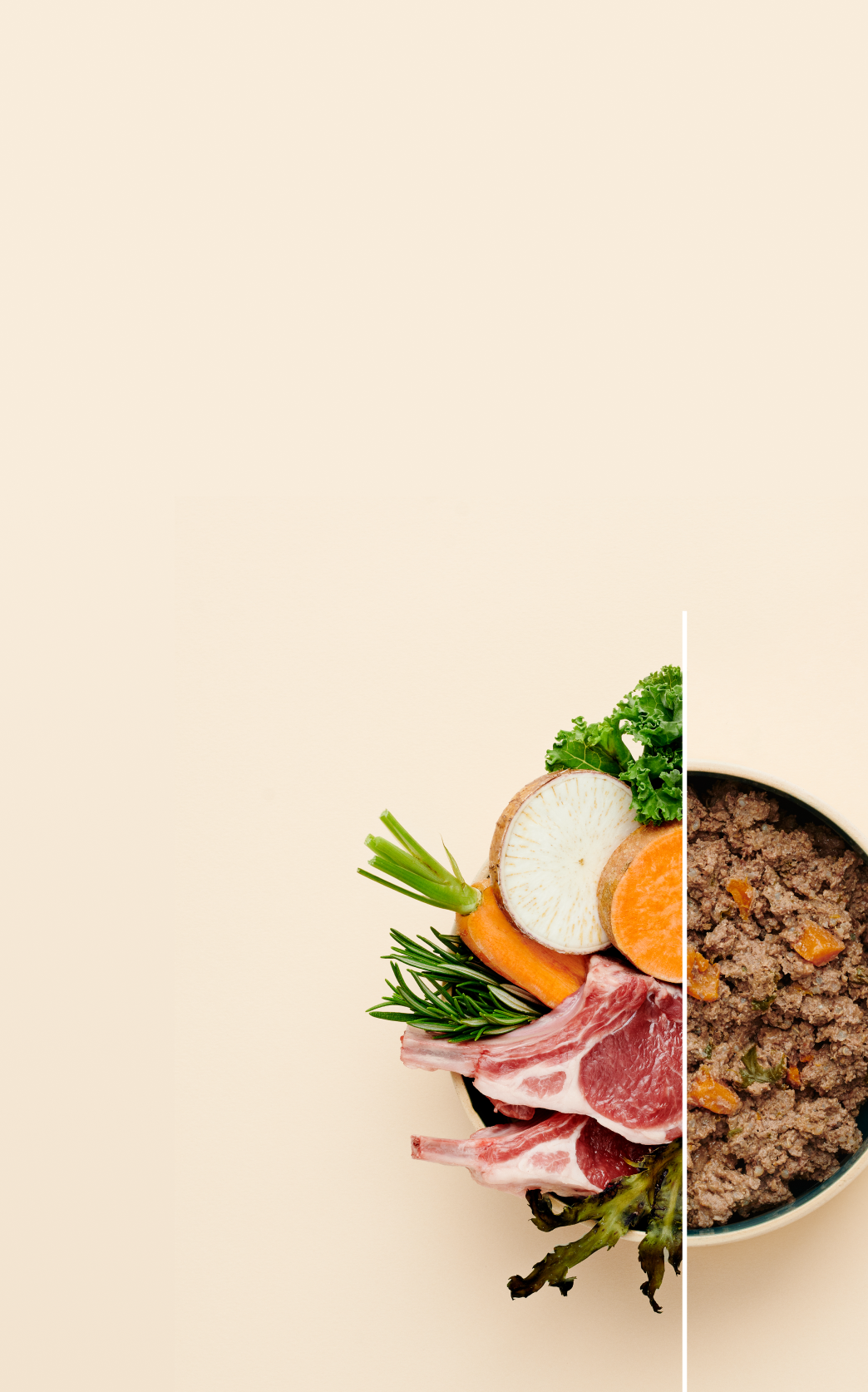
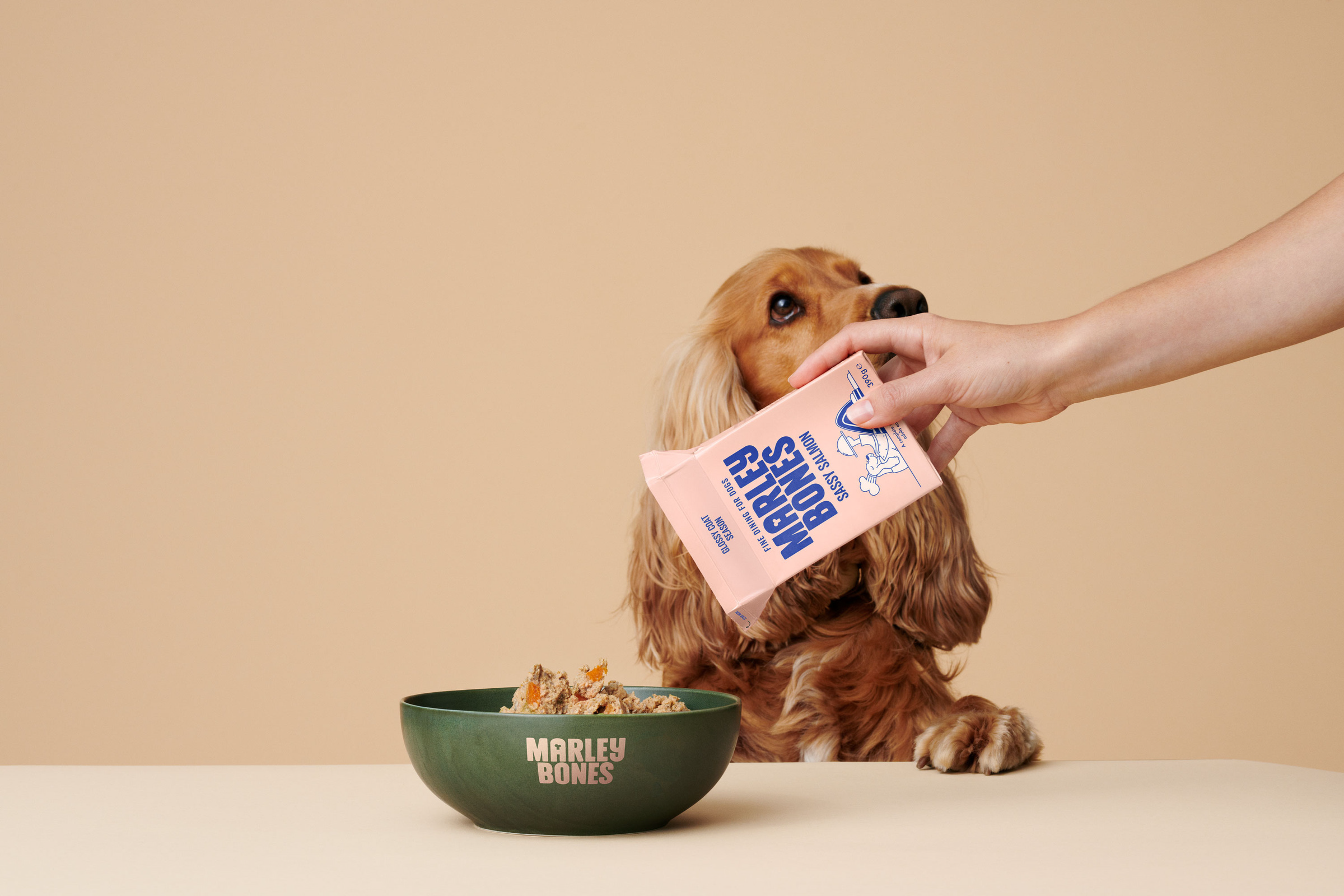
Food palatability plays a huge role. Heavily processed foods lose much of their natural aroma and taste during manufacturing. Dogs who are written off as picky often eat much better when moved to a fresh, higher-meat meal with a stronger natural scent. Marleybones reports that 9 in 10 fussy dogs take to their meals — a figure worth noting when the food itself is suspect.
If you're switching food to address fussiness, do it gradually over 7–10 days. A sudden change can cause digestive upset, which makes the problem worse. Introducing new food slowly also helps you identify whether any digestive sensitivity was contributing to the refusal in the first place.
For puppies specifically, going off food carries its own set of causes and solutions — there's more detail on what to do if a puppy stops eating if that's the situation you're dealing with.
What practical steps can I take right now?
If your dog is otherwise well and has skipped one or two meals, these steps usually resolve it:
- Remove uneaten food after 10–15 minutes and don't replace it until the next scheduled mealtime.
- Keep mealtimes consistent — same time, same place, same bowl.
- Cut back on treats and extras between meals. A dog who isn't hungry won't eat their dinner.
- Check the food itself. Dry food stored in a warm or damp environment can go stale quickly. Wet or fresh food left out too long loses appeal fast.
- Rule out dental pain — check for visible redness, swelling, or bad breath that's noticeably worse than usual.
If your dog is on a kibble or processed diet and has been a reluctant eater for a while, the food format deserves a look. Fresh food tends to be significantly more palatable than dry kibble, and for many dogs the change alone is enough. Marleybones Pantry Fresh meals use real, recognisable ingredients with no fillers — the kind of thing that tends to get tails wagging even in dogs who've been indifferent to food for years.
If nothing improves within 48 hours, or if any other symptoms appear, contact your vet. Appetite loss can be an early sign of something that's much easier to treat when caught promptly.
Every dog is different — build your personalised Marleybones feeding and health plan tailored to your dog's age, size, and health requirements.

“Such a relief to see her enjoying her food”
FAQs
How long is it safe for a dog to not eat?
A healthy adult dog can go 24–48 hours without eating without immediate danger. Beyond that, or if other symptoms appear, see a vet. Puppies and small breeds have less reserve and should be seen sooner — within 24 hours if they're refusing all food.
Should I add something to my dog's food to encourage them to eat?
A small amount of warm water or a splash of low-sodium broth can increase the aroma of a meal and encourage eating. Avoid adding rich human food — it can cause digestive upset and reinforces holding out for something better. If your dog consistently needs convincing, the food itself is worth reconsidering.
Can a change in dog food cause appetite loss?
Yes. Dogs are sensitive to sudden food changes and may refuse a new food simply because it's unfamiliar. Always transition gradually over 7–10 days, mixing increasing amounts of the new food with the old. Some dogs also experience mild digestive discomfort during a switch, which reduces appetite temporarily.
My dog is eating grass and not eating their food — what does that mean?
Grass eating alongside food refusal often points to nausea or mild stomach upset. Dogs eat grass when their stomach feels off. If it's a one-off, monitor closely. If it's repeated or comes with vomiting, see your vet to rule out gastrointestinal issues.
Could my dog's food be the problem rather than my dog?
Absolutely. Palatability varies enormously between food types. Kibble in particular can smell and taste quite bland to a dog, especially once opened and exposed to air. If your dog eats treats willingly but refuses their regular meal, the food is a strong suspect. Marleybones fresh meals are vet-developed with high meat content and no fillers, and are specifically designed to appeal to dogs who've been reluctant eaters on processed diets.
“A complete game changer!!”


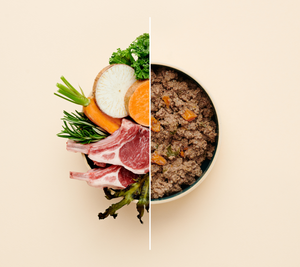 Give your dog the quality nutrition they deserve
Real meat, wholesome veggies and functional superfoods.
Get 40% OFF today