


Is It Okay to Feed Your Dog the Same Food Every Day?

At a glance
- Feeding the same complete food daily is safe and appropriate for most dogs
- Dogs do not crave dietary variety the way humans do — routine often suits them better
- The food must be nutritionally complete and balanced for the dog's life stage
- Switching foods frequently can cause digestive upset and reinforce fussy eating
- When a food change is needed, transition gradually over 7 to 10 days
Do dogs actually need variety in their diet?
Yes, feeding your dog the same food every day is fine — provided that food is complete and balanced. Dogs are not humans. They do not get bored of a meal the way we do, and they do not need to eat different proteins or flavours to stay healthy. What they need is a consistent supply of the right nutrients, in the right amounts, every single day.
The idea that dogs need variety often comes from projecting human food preferences onto them. In reality, a dog's digestive system thrives on routine. A consistent diet means a stable gut microbiome — the community of bacteria in the gut that supports digestion, immunity, and overall health. Constant food changes can disrupt that balance and lead to loose stools, gas, or a sensitive stomach.
That said, variety is not inherently harmful if done properly. Some owners rotate between two or three complete meals on a planned basis. The key word is planned — with a proper transition each time rather than swapping abruptly from one food to another, which is one of the core principles covered in guidance for owners who are new to structuring a dog's diet.
What actually matters is the quality of the food, not the rotation
If your dog is eating the same food every day, the important question is not how often you change it. It is whether that food is genuinely doing the job.
A complete dog food must meet FEDIAF guidelines — the European nutritional standards that ensure a food contains everything a dog needs without supplementation. If a food carries that status and your dog is thriving on it, there is no nutritional reason to change.
The quality of ingredients matters more than most owners realise. Named meat proteins — chicken, beef, lamb, salmon — are more digestible than vague ingredients like "meat derivatives." Whole food ingredients retain more of their natural nutrients than heavily processed alternatives. And fibre sources like chicory root support the gut bacteria that keep digestion stable over the long term.
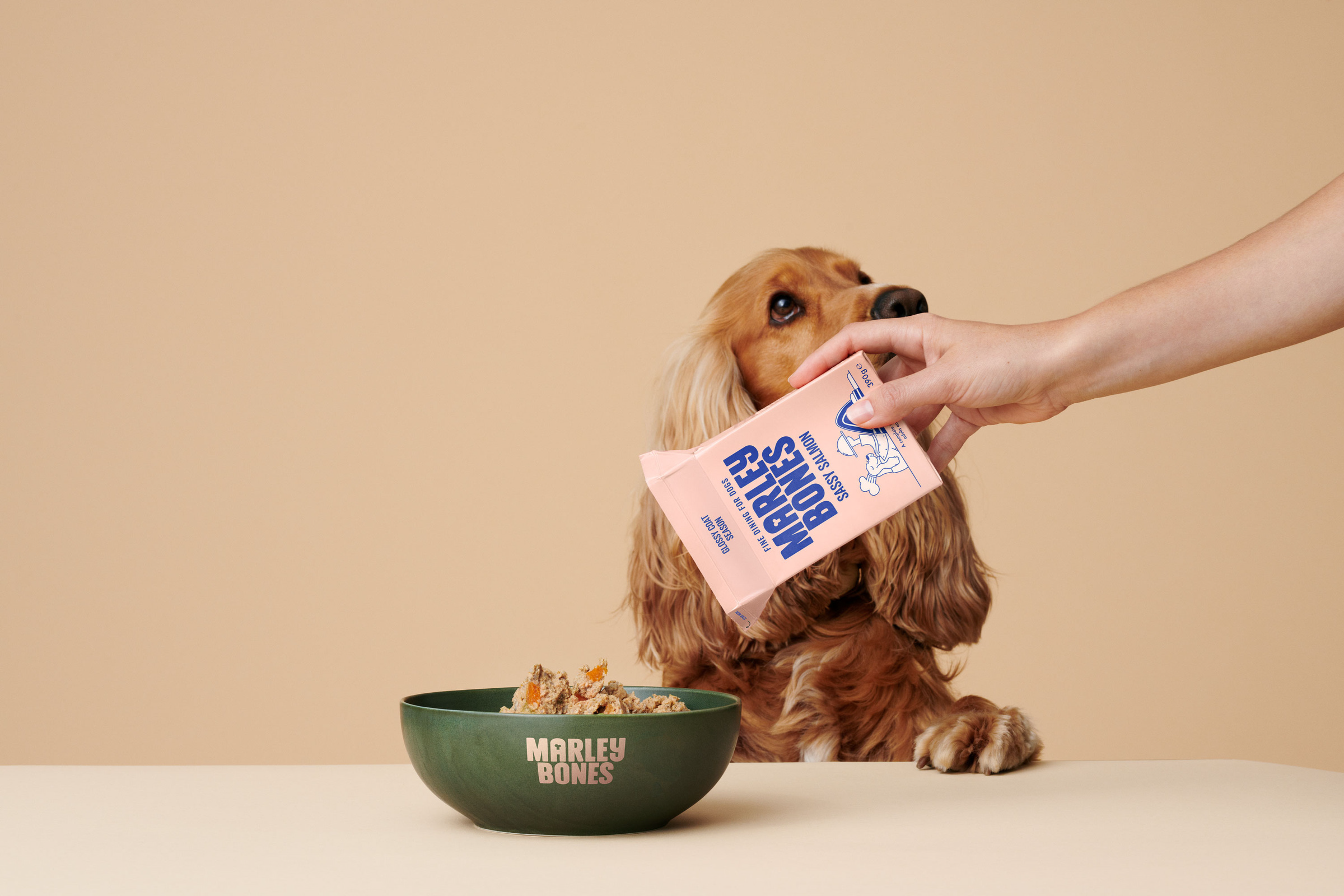
Marleybones meals are FEDIAF compliant and vet-developed to be complete for all life stages, including puppies. Each recipe uses whole, recognisable ingredients — no fillers, no preservatives — so a dog eating the same meal daily is getting genuine, consistent nutrition rather than a padded-out mix. If you are trying to work out which recipe suits your dog, a short quiz on the Marleybones site can help narrow it down.
Does eating the same food every day make dogs fussy?
The opposite is more likely true. Frequently changing a dog's food to keep them interested can create a dog that holds out for something better. They learn that refusing a meal leads to a new one appearing. That is a pattern that is hard to break once it starts.
Feeding the same complete food consistently sets a clear expectation. Most dogs settle into this routine well, and it removes a lot of unnecessary stress from mealtimes. If your dog is genuinely reluctant to eat, palatability and ingredient quality are usually more relevant than variety.
The exception is a dog that has a genuine medical reason for needing dietary change — for example, a developing food intolerance or a vet-diagnosed condition that requires a specific diet. In those cases, changing food is appropriate and necessary.
When should you actually change your dog's food?
There are a few situations where switching food makes sense:
- Your dog is moving from puppy to adult, or adult to senior — nutritional needs shift at each life stage and the food should reflect that
- They develop signs of a food intolerance — persistent itching, recurring loose stools, or frequent ear infections can all point to a reaction to a specific ingredient
- A vet recommends a change based on a health condition
- The current food is simply not complete or not high quality
If any of these apply and symptoms are persistent or worsening, speak to your vet before changing the diet yourself. Some signs that look like food intolerance have other causes, and a vet can help rule those out.
When a change is needed, take 7 to 10 days to transition. Start with around 25% new food mixed into the current food, and gradually increase the proportion each day. This gives the gut bacteria time to adjust and significantly reduces the chance of digestive upset.
Marleybones offers four distinct complete meals — Boss Beef, Chic Chicken, Lush Lamb, and Sassy Salmon — which makes rotating between two proteins manageable when done gradually, with each protein providing a different amino acid and nutrient profile without compromising completeness.

“Such a relief to see her enjoying her food”
FAQs
Is it bad for dogs to eat the same food every day?
No. Feeding the same complete, balanced food daily is perfectly appropriate for most dogs. Their digestive systems are better suited to routine than frequent change.
Do dogs get bored of eating the same food?
Dogs do not experience food boredom the way humans do. If a dog starts refusing a familiar food, it is more likely caused by a health issue, learned fussiness, or a problem with the food itself rather than genuine boredom.
How do I know if my dog's food is complete?
Look for a statement on the packaging confirming the food meets FEDIAF or equivalent nutritional guidelines and is labelled as complete. If it says "complementary," it is not designed to be fed alone.
Can feeding the same food every day cause nutritional deficiencies?
Only if the food itself is incomplete or poor quality. A genuinely complete food fed consistently provides everything your dog needs. The risk of deficiency comes from feeding incomplete foods or home-prepared diets without proper formulation, not from routine feeding of a quality complete food.
How long should a food transition take?
7 to 10 days is the standard guidance. Begin with roughly 25% new food mixed into the existing food, increasing gradually over the transition period. A slower transition reduces the risk of digestive upset, particularly in dogs with sensitive stomachs.
“A complete game changer!!”


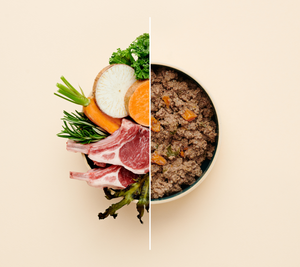 Give your dog the quality nutrition they deserve
Real meat, wholesome veggies and functional superfoods.
Get 40% OFF today