


How to Calculate the True Cost of Feeding Your Dog

At a glance
- Always calculate cost per daily serving — not cost per pack or per kilogram
- Foods with higher nutrient density require smaller portions, which changes the real daily cost significantly
- Cheap foods often come with hidden costs: supplements, palatability toppers, and vet visits linked to poor nutrition
- Waste matters — food your dog refuses or can't digest properly is money straight in the bin
- Fresh food often costs less per day than its packet price suggests, once you account for portion size
Why is the price on the packet so misleading?
The true cost of feeding your dog is rarely what the packaging tells you. A bag of dry kibble priced at £2 per kilogram sounds affordable. But if your 20kg dog needs 400g a day, that bag runs out fast. A premium food requiring half the portion to meet the same nutritional needs changes the maths entirely.
The only number that actually matters is cost per daily serving. Everything else is noise.
To work it out, divide the total pack price by the number of daily servings it contains. Most feeding guides are printed on the back of the pack — use your dog's target weight, not their current weight if they are overweight.
Once you have a daily cost figure, you can compare foods fairly. A £40 bag that lasts 40 days costs £1 a day. A £15 bag that lasts 10 days costs £1.50 a day. The cheaper-looking option is actually more expensive to feed. New dog owners often find this calculation clarifies a lot about what they are actually spending once they run the numbers for the first time.
What hidden costs should you factor in?
Supplements. Many owners feeding budget dry food end up adding omega oils, joint supplements, or digestive aids on top. These are sold separately and cost extra every month. If the food you choose already delivers the nutrients your dog needs, that spend disappears. Heavily processed dry food loses a significant amount of its original nutrient content during manufacturing, which is one reason so many owners end up supplementing.
Palatability toppers. If your dog refuses their food and you fix it by pouring gravy or wet food on top, that is an additional daily cost worth calculating. Food your dog actually wants to eat costs nothing extra. Food that needs doctoring costs more than it appears.
Treats used for coaxing. Related to the above — if meal refusal is leading to extra treat spend, factor that in too.
Vet costs linked to diet. This one is harder to quantify, but poor nutrition over time is linked to skin conditions, digestive problems, obesity, and dental disease. These are not cheap to treat. A food that actively supports health is not just an expense — it is prevention spending.
Waste. Uneaten food is money wasted. So is food that passes straight through your dog without being absorbed. Understanding what is actually in your dog's food is one of the clearest ways to assess whether their body is getting value from every gram — and how you feed your dog at each life stage can have a significant bearing on how efficiently they absorb what you put in front of them.
How does fresh food compare to kibble on cost?
Fresh dog food has a reputation for being expensive. Sometimes that is fair. Sometimes it is not, because the comparison is usually made at pack price rather than daily cost.
Fresh food is more nutrient-dense than most dry kibble. Dogs typically need a smaller portion to meet their daily requirements. That smaller portion shrinks the real daily cost, and it also means less waste in terms of both uneaten food and digestive output.
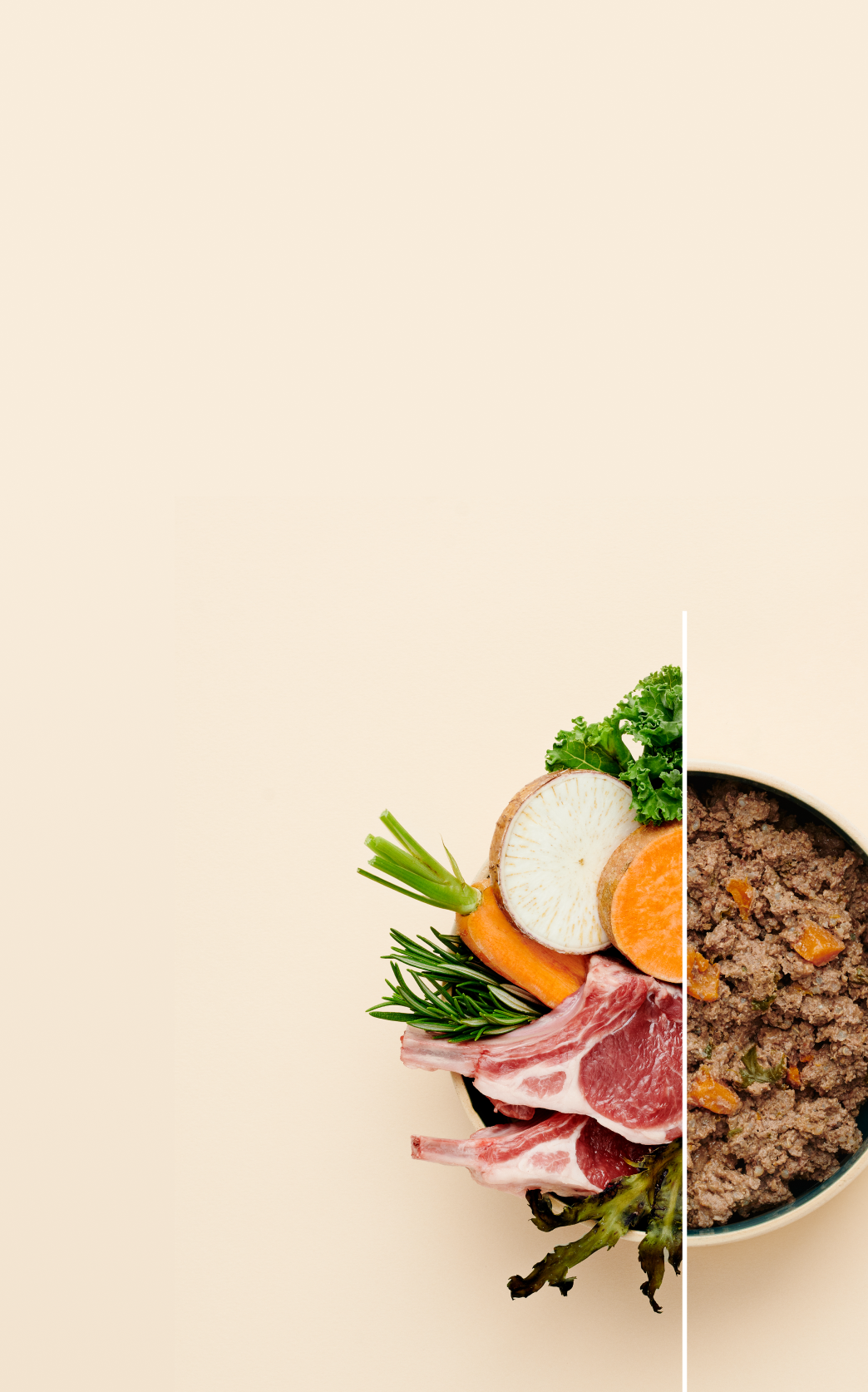
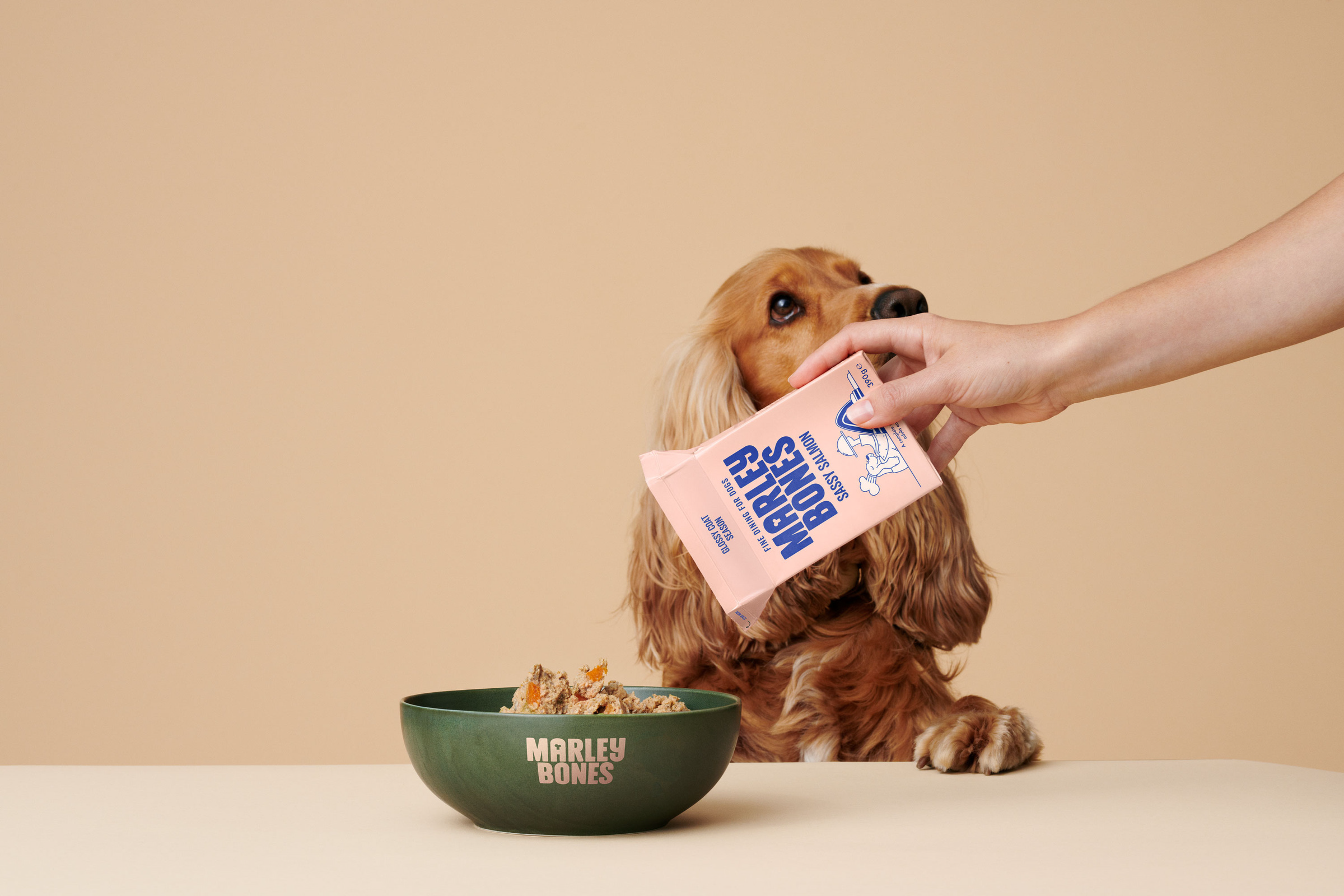
Marleybones Pantry Fresh meals, for example, are complete and balanced, vet-developed recipes with no fillers padding out the portions. Because there is no filler, feeding guidelines are lower than they would be for a comparable kibble — which directly affects the daily cost calculation. The full range starts from around £2 per day for smaller dogs, which sits competitively against premium dry food once supplements are stripped out.
Fresh food also removes the freezer requirement that makes frozen raw impractical for many households. Marleybones meals are shelf-stable without preservatives, so there are no delivery complications or freezer costs to factor in.
Is there a quick formula you can use?
Yes. Here is a simple way to run the numbers for any food:
- Step 1: Find the recommended daily portion in grams for your dog's weight
- Step 2: Divide the pack size by that daily portion to get the number of servings per pack
- Step 3: Divide the pack price by the number of servings to get your daily cost
- Step 4: Add any monthly supplement or topper spend, divided by 30, to that daily figure
Run that calculation across two or three foods you are considering, and the real cost picture becomes clear very quickly.
It is also worth checking whether the food is nutritionally complete. A complete food meets all your dog's daily requirements in a single meal. A complementary food does not — it requires additional feeding to fill nutritional gaps, adding complexity and cost. A quick quiz can help you identify the right complete food for your dog's size and life stage before you start comparing prices.
One final point: cheaper food typically produces larger, softer stools because more of it passes through undigested. That is a practical signal that a significant portion of what you are paying for is not being absorbed. Smaller, firmer stools generally indicate better nutrient absorption — and better value for the money you are spending, particularly as dogs age and digestive efficiency changes.

“Such a relief to see her enjoying her food”
FAQs
How do I work out the cost per day of my dog's food?
Divide the total pack price by the number of daily servings the pack contains. To find servings, divide the total pack weight by your dog's recommended daily portion in grams. That gives you a true daily cost you can compare fairly across different foods.
Is fresh dog food more expensive than kibble?
At pack price, fresh food usually costs more upfront. At daily serving cost, the gap is much smaller — and often disappears entirely once you account for the supplements, toppers, and extra treats that many kibble-fed dogs require. Nutrient-dense fresh food requires smaller portions, which directly reduces daily cost.
Should I include vet costs when calculating feeding costs?
It is worth considering, yes. Diet-related conditions like skin problems, obesity, and digestive disease are common and costly to treat. A food that actively supports health reduces the likelihood of these costs over your dog's lifetime. You cannot predict exactly what you will save, but it is a genuine financial factor.
What does nutritionally complete mean, and why does it affect cost?
A complete food provides everything your dog needs in a single meal — protein, fat, carbohydrates, vitamins, and minerals in the right balance. A complementary food does not, meaning you need to feed additional items to meet your dog's requirements. That additional spend adds to the real daily cost of any complementary food.
Do smaller dogs cost significantly less to feed than larger dogs?
Yes, meaningfully so. Daily portions scale with body weight, so a 5kg dog may need just 70-80g of food per day while a 30kg dog needs 350g or more. The daily cost difference between a small and large breed can be three to four times, which makes breed size one of the biggest drivers of your total annual feeding spend.
“A complete game changer!!”


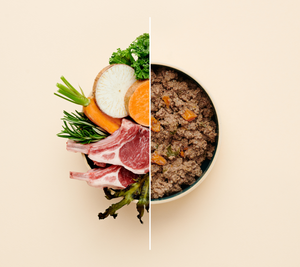 Give your dog the quality nutrition they deserve
Real meat, wholesome veggies and functional superfoods.
Get 40% OFF today