
Feeding a dog through illness: what to prioritise

At a glance
- Hydration is the first priority — dehydration worsens most illness quickly
- Easily digestible protein supports tissue repair without overloading the gut
- Small, frequent meals are better tolerated than normal portion sizes during illness
- Appetite suppression is common — palatability becomes critical to ensure intake
- Bland, low-fat food is recommended for most gastrointestinal illness
Why does diet matter so much when a dog is ill?
When a dog is ill, their body redirects energy toward fighting infection and repairing tissue. What they eat during this period directly affects how quickly that process happens. Poor nutrition during illness slows recovery, weakens immune function, and can turn a short-term problem into a longer one.
The challenge is that illness suppresses appetite. Dogs often refuse food entirely, or eat far less than usual. That creates a difficult balance: the body needs more nutritional support than normal, but the dog is least willing to eat. Feeding the right food — something highly palatable, easily digested, and nutrient-dense — is the practical solution to that problem.
Digestibility is especially important here. When a dog is unwell, their digestive system is often compromised. Food that passes through efficiently, delivering nutrients without causing further gut stress, is what you are aiming for. This is one reason fresh, minimally processed food tends to perform better during recovery than heavily processed alternatives — the nutrients are more available, and the ingredients are recognisable to the body.
What should a sick dog actually eat?
For most common illnesses — vomiting, diarrhoea, lethargy from infection — a bland, low-fat, easily digestible diet is the right starting point. The classic veterinary recommendation is plain boiled chicken and white rice. It works because it is low in fat, easy on the gut, and palatable enough that most dogs will eat it even when appetite is poor.
Beyond the bland diet phase, high-quality protein becomes the priority. Protein provides the amino acids the body uses to repair tissue, produce immune cells, and maintain muscle mass. Dogs that are ill and not eating lose muscle mass quickly — particularly older dogs. Keeping protein intake up, even in small amounts, protects against that.
Key things to prioritise during illness:
- Hydration — offer fresh water constantly, and consider adding water or low-sodium broth to food
- High-quality, easily digestible protein — chicken, salmon, and lamb are all well-tolerated
- Low fat content — fat slows digestion and can worsen nausea and diarrhoea
- Small portions offered frequently — every 3 to 4 hours rather than one or two large meals
- Warmth — slightly warming food increases aroma and encourages appetite
Avoid high-fibre food during acute illness. Fibre is valuable in a healthy dog's diet, but during gastrointestinal upset it can make symptoms worse. Once your dog has recovered, reintroducing appropriate fibre levels supports the gut bacteria that keep digestion stable long-term.
How do you handle a dog that won't eat during illness?
Appetite loss during illness is normal and expected. The body suppresses hunger as part of the immune response. A day without eating is not an emergency in most adult dogs. Beyond 48 hours, or in puppies and senior dogs, it becomes a concern.
To encourage eating, try the following in order:
- Warm the food slightly to release aroma — smell drives appetite more than taste in dogs
- Offer smaller amounts more frequently rather than pushing a full meal
- Try a different protein source — a dog refusing chicken will sometimes eat salmon or lamb
- Add a small amount of low-sodium chicken broth to make food more appealing
If a dog has been off food for more than 48 hours, is losing weight rapidly, or is showing signs of worsening illness, contact your vet. Prolonged anorexia in dogs can cause hepatic lipidosis — a liver condition that compounds the original illness. This is one situation where waiting is not the right call.
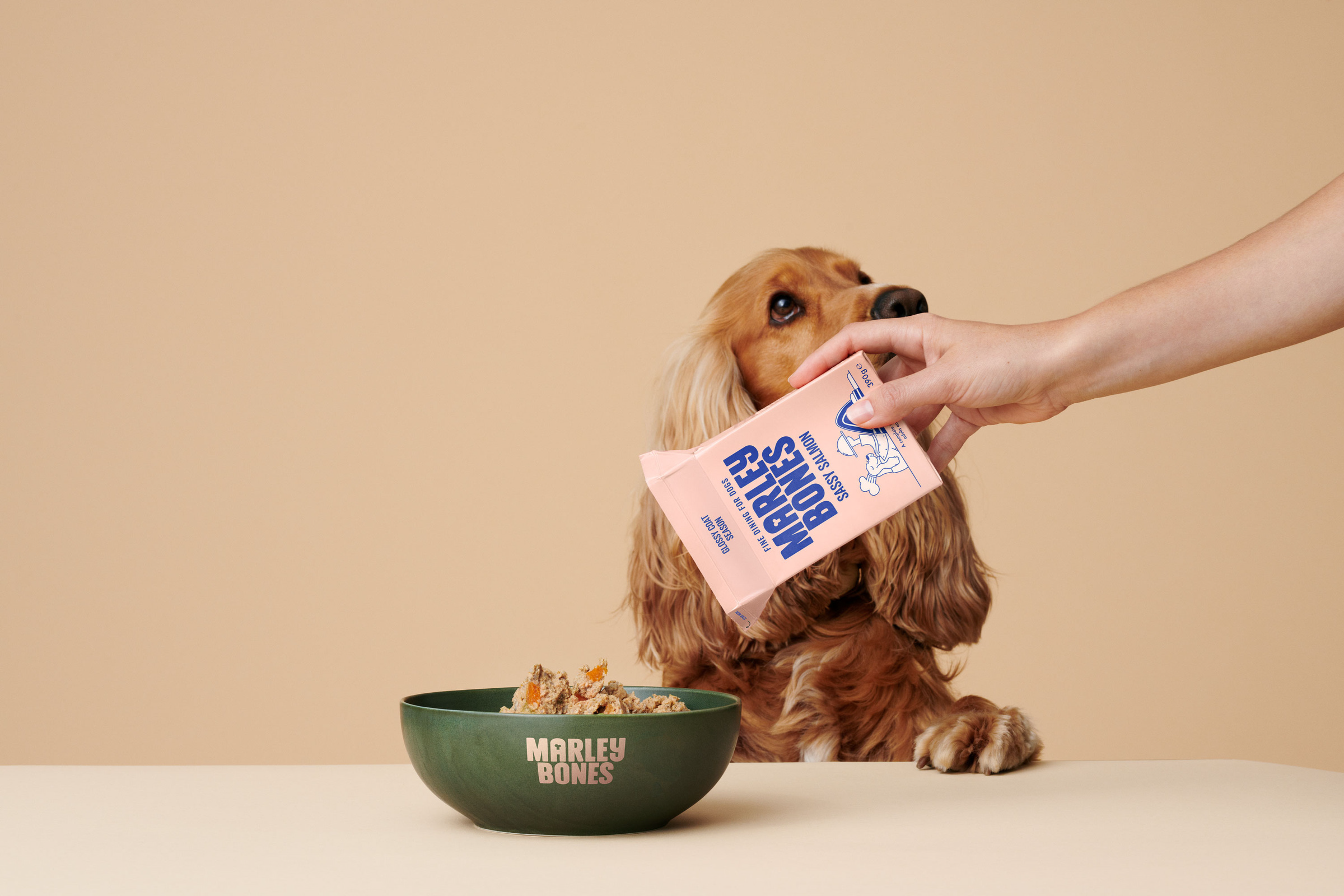
Palatability matters more during illness than at any other time. Marleybones meals are made from freshly prepared ingredients with no fillers, which makes them more palatable than many standard foods — useful when a dog's appetite needs encouragement. The vet-developed recipes are also complete and balanced, so dogs are getting full nutritional support even when eating reduced portions.
When should you transition back to normal feeding?
Transition back gradually, over 3 to 5 days, once symptoms have fully resolved and the dog is eating willingly. Moving too quickly back to a richer or higher-fat diet is a common mistake. It restresses a gut that is still in recovery and can trigger a relapse.
Day one and two after recovery: continue with the bland or recovery diet. Day three: introduce 25% of the normal food mixed with 75% recovery food. Day four: 50/50. Day five: back to normal feeding. If symptoms return at any stage, hold at the previous ratio for another 24 hours before progressing.
Dogs recovering from surgery, cancer treatment, or chronic illness need a more tailored approach. Speak to your vet about whether a specific therapeutic diet is indicated, particularly if the illness was gastrointestinal. Every dog is different — build your personalised Marleybones feeding and health plan tailored to your dog's age, size, and health requirements.
For dogs that are prone to digestive upset even when well, Sassy Salmon is a gentle, omega-rich option that supports gut lining recovery and is well-tolerated by most dogs with sensitive systems.

“Such a relief to see her enjoying her food”
FAQs: feeding a dog through illness
Can I feed my dog their normal food when they are ill?
Not during acute illness. Standard complete foods, particularly those higher in fat or fibre, can worsen vomiting and diarrhoea. Switch to a bland, low-fat diet until symptoms resolve, then transition back gradually over 3 to 5 days.
How long should I keep a sick dog on a bland diet?
Continue until symptoms have been fully resolved for at least 24 hours. For most gastrointestinal upsets that is 2 to 3 days. For more serious illness, follow your vet's guidance on when and how to reintroduce normal food.
Is it safe to give a sick dog bone broth?
Plain, low-sodium bone broth is safe and useful during illness. It encourages fluid intake, adds palatability to food, and is easy on the gut. Avoid broths with onion, garlic, or high sodium content — all of which are harmful to dogs.
Should I give probiotics to a dog that is ill?
Probiotics support gut recovery after illness, particularly if the dog has taken antibiotics. They help restore the beneficial bacteria that antibiotics deplete. Introduce them once acute symptoms have settled — not during vomiting or active diarrhoea, when they are unlikely to colonise effectively.
When is reduced appetite in a sick dog an emergency?
Contact your vet if your dog has not eaten for more than 48 hours, is a puppy or senior dog that has refused food for 24 hours, is losing weight rapidly, or has additional symptoms like blood in vomit or stools, extreme lethargy, or pain. Prolonged appetite loss can cause serious secondary complications.
“A complete game changer!!”


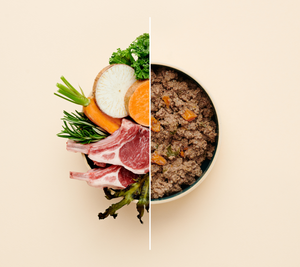 Give your dog the quality nutrition they deserve
Real meat, wholesome veggies and functional superfoods.
Get 40% OFF today