



What are the signs of a dog food intolerance vs allergy?

At a glance
- Food intolerance is a digestive reaction — no immune system involvement
- Food allergy triggers an immune response and most commonly causes skin symptoms
- The most common food allergens in dogs are beef, dairy, chicken, wheat, and egg
- Diagnosis for both requires a strict elimination diet lasting 8 to 12 weeks
- Symptoms can overlap, so vet confirmation is essential before changing a dog's diet long term
What is the difference between a dog food intolerance and a food allergy?
Food intolerance and food allergy are two distinct reactions that happen to share several surface symptoms. An intolerance is a digestive problem. The gut struggles to break down a particular ingredient — lactose is a common example — and the result is gas, loose stools, or vomiting, usually within hours of eating. No immune system involvement, no antibodies produced.
A food allergy is different at a biological level. The immune system misidentifies a food protein as a threat, mounts a response, and produces IgE antibodies. Repeated exposure amplifies that response. The result is usually skin-based: itching, redness, hives, or ear inflammation. Gut symptoms can also appear in allergic dogs, which is where the overlap causes confusion.
Food allergies account for roughly 10 to 15% of all allergic skin disease in dogs. They can develop at any age, even to proteins a dog has eaten without issue for years. Intolerances are more common and generally easier to manage once the trigger ingredient is identified. Understanding how diet connects to your dog's broader health is the starting point for working out what you're dealing with.
What are the signs of food intolerance in dogs?
The signs of food intolerance are primarily gastrointestinal. They tend to appear within a few hours of eating and resolve once the offending ingredient is removed.
- Loose stools or diarrhoea — sometimes with mucus
- Vomiting, particularly shortly after meals
- Excessive wind or bloating
- Gurgling stomach sounds
- General discomfort after eating, including restlessness or reluctance to move
The key distinction is that skin and coat stay largely unaffected. If your dog's digestion is the problem but their skin looks fine, intolerance is the more likely explanation. Triggers in dogs include dairy products, high-fat foods, gluten, and some artificial additives. Some dogs also react to ingredients they can theoretically digest but in quantities their system cannot handle.
What are the signs of a food allergy in dogs?
A food allergy produces an immune-mediated response, and the primary signs are skin-based rather than digestive.
The most common symptoms include persistent itching (particularly around the face, ears, paws, and groin), recurring ear infections, red or inflamed skin, and hair loss from scratching. Hot spots — localised patches of irritated, broken skin — are another frequent sign. Some dogs also experience vomiting or loose stools alongside the skin symptoms, which is where a food allergy can be mistaken for intolerance.
The timing is different too. Allergic reactions are not tied to a single meal. They build over time with repeated exposure to the trigger protein. That's why a dog can eat chicken every day for three years before suddenly developing a chicken allergy. The immune system has been sensitised gradually.
If your dog has persistent skin symptoms that don't respond to flea treatment or environmental allergen management, food allergy becomes a serious candidate. Consult your vet before eliminating major protein sources — a full clinical assessment rules out non-food causes and makes the elimination process far more efficient.
How do you diagnose which one your dog has?
Diagnosis for both intolerance and food allergy relies on an elimination diet. Blood tests and skin-prick tests for food allergies in dogs have poor diagnostic accuracy and are not recommended as a standalone approach.
An elimination diet works like this: you feed your dog a single novel protein source (one they've never eaten before) and a single carbohydrate for a minimum of 8 weeks. Ideally 12. During that time, nothing else crosses their lips — no treats, no table scraps, no flavoured supplements. If symptoms resolve, you reintroduce previous ingredients one at a time to identify the trigger.
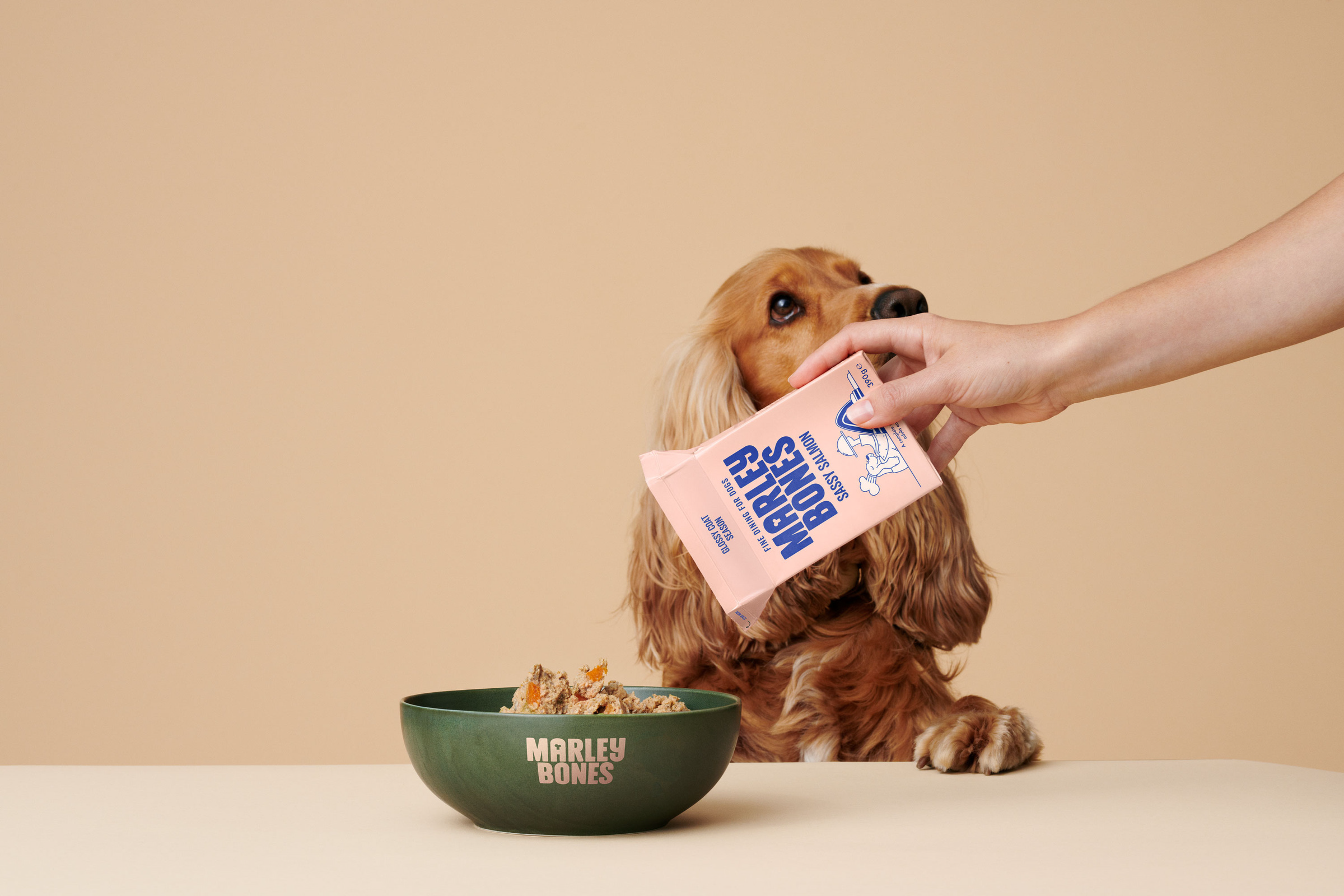
Novel proteins used in elimination trials include rabbit, venison, duck, and fish. Salmon-based meals can work well for dogs suspected of reacting to more common proteins like beef or chicken. Marleybones' Sassy Salmon uses salmon as its primary protein with a short, transparent ingredient list — useful when you need to know exactly what your dog is eating during a trial period.
The 8 to 12 week window is non-negotiable. Skin symptoms driven by immune responses take longer to clear than gut symptoms, and pulling the plug early produces false negatives. Patience here is the difference between a useful result and a wasted trial.
Every dog is different — build your personalised Marleybones feeding and health plan tailored to your dog's age, size, and health requirements.
What should you feed a dog with a confirmed intolerance or allergy?
For intolerances, removing the trigger ingredient is usually enough. Switch to a food without that ingredient, give the gut time to settle, and monitor. Simple intolerances to dairy or high-fat content often resolve quickly with a cleaner, more digestible diet.
For confirmed food allergies, you need to avoid the trigger protein consistently and permanently. Ingredient quality and transparency matter here. A food with a long list of anonymous additives makes it difficult to know what you're actually feeding. Fresh food with named, whole ingredients removes that uncertainty. Marleybones meals are made with vet-developed recipes and contain no hidden fillers, which makes them easier to use alongside an allergy management plan.
Dogs with food sensitivities also tend to do better on highly digestible protein. Lower-quality processing can leave more undigested protein reaching the large intestine, where it triggers fermentation and gut irritation. Fresh food prepared at lower temperatures preserves more of the protein's natural structure, which supports better absorption. For a closer look at the best dog foods for itchy skin and allergies, that guide covers specific options in more detail.

“Such a relief to see her enjoying her food”
FAQs
Can a dog have both a food allergy and a food intolerance at the same time?
Yes. A dog can react to one ingredient through an immune-mediated pathway (allergy) and to a different ingredient through a digestive pathway (intolerance). This is one reason symptoms can seem inconsistent — the dog appears to react to multiple things in ways that don't fit neatly into one category. A structured elimination diet helps untangle which ingredient is causing which reaction.
How quickly do food intolerance symptoms appear compared to allergy symptoms?
Intolerance symptoms typically appear within a few hours of eating the trigger ingredient. Allergy symptoms build with repeated exposure and are not tied to a single meal — they reflect cumulative sensitisation of the immune system over days, weeks, or years of exposure.
Are some dog breeds more prone to food allergies?
Yes. Breeds with a higher genetic predisposition to atopic dermatitis (skin-based allergic disease) also show higher rates of food allergy. These include West Highland White Terriers, Labrador Retrievers, Golden Retrievers, Cocker Spaniels, and German Shepherds. That said, any breed can develop a food allergy at any age.
Is a grain-free diet the right choice for a dog with food allergies?
Not necessarily. True grain allergies in dogs are uncommon. The most frequently implicated allergens are animal proteins, particularly beef, chicken, dairy, and egg — not grains. Switching to grain-free food without identifying the actual trigger ingredient often makes no difference. Focus the elimination trial on the protein source, not the carbohydrate.
How long does it take for food allergy symptoms to improve after removing the trigger?
Gut symptoms linked to allergy can begin to improve within two to four weeks of removing the trigger. Skin symptoms take longer — most dogs show meaningful improvement between six and twelve weeks into a strict elimination diet. Full resolution can take longer still, particularly in dogs with secondary skin infections caused by long-term scratching.
“A complete game changer!!”


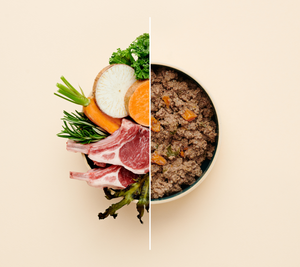 Give your dog the quality nutrition they deserve
Real meat, wholesome veggies and functional superfoods.
Get 40% OFF today